Family Life Education, Health, Self-Discovery

Healing Begins When We Listen: Learning to Understand the Messages of Our Mind, Body, and Spirit

Have you ever experienced a moment when your body seemed to know something before your mind could explain it?

Maybe your heart raced before an important conversation.

Maybe your shoulders tightened when you remembered a painful experience.

Maybe tears appeared unexpectedly when a song, a place, or a memory brought something deep within you to the surface.

Our bodies are constantly communicating with us.

The question is:

Are we listening?

For many of us, life has taught us to push emotions aside. We learn to be strong, keep moving forward, stay busy, and avoid feelings that seem too uncomfortable to face. We may believe that if we ignore emotional pain long enough, it will disappear.

But emotions do not simply vanish because we avoid them.

They often find other ways to communicate.

Through our thoughts.

Through our behaviors.

Through our relationships.

Through the way we experience stress within our bodies.

Healing begins when we create space to listen with curiosity, compassion, and love.


Emotions Are Not the Enemy

For generations, many people were taught that difficult emotions should be controlled, hidden, or overcome.

However, modern psychology recognizes that emotions serve an important purpose. Emotions provide information. They help us understand our needs, protect us from danger, connect us with others, and guide our choices.

Psychologist Carl Gustav Jung was one of the early pioneers who explored the relationship between emotions, the unconscious mind, and personal transformation.

Jung proposed that experiences we do not fully process can become part of the unconscious, influencing our thoughts, behaviors, and reactions without our awareness. He described emotionally charged patterns as “feeling-toned complexes”—collections of memories, emotions, and experiences that can continue influencing our lives until they are brought into consciousness and integrated (Jung, 1969).

In other words:

What we do not acknowledge may continue asking for our attention.

Healing does not mean pretending painful experiences never happened.

Healing means learning how to meet those experiences with awareness, compassion, and understanding.


Your Body Has Wisdom

Your body is not working against you.

Your body is constantly adapting, protecting, and communicating.

Research in neuroscience and psychology demonstrates that emotional experiences involve complex interactions between the brain, nervous system, and body. Stress, memories, and emotions influence physiological responses such as heart rate, muscle tension, breathing patterns, and nervous system activation (Damasio, 1999; van der Kolk, 2014).

This is why a stressful memory can create a physical response even when we are currently safe.

The body remembers patterns.

The nervous system learns from experiences.

The mind and body are deeply connected.

Learning to notice these signals is called interoception—our ability to sense and understand internal bodily experiences. Research suggests that greater interoceptive awareness is connected with emotional regulation, self-awareness, and overall well-being (Farb et al., 2015).


What Does It Mean to Listen to Your Body?

Listening to your body does not mean every sensation has a hidden meaning.

It means developing a compassionate relationship with yourself.

Instead of immediately judging a feeling, you become curious.

Instead of asking:

“Why am I feeling this way?”

You might ask:

“What is this emotion trying to teach me?”

“What does this part of me need?”

“Where do I feel this in my body?”

“What would compassion look like right now?”

These questions create space for awareness.

And awareness is often the first step toward transformation.


Releasing Emotional Burdens Through Awareness and Integration

Many healing traditions and wellness approaches recognize the importance of acknowledging emotional experiences rather than continually suppressing them.

Carl Jung believed healing occurred through a process called individuation—the integration of conscious and unconscious parts of ourselves so we can become more whole (Jung, 1966).

Modern approaches such as mindfulness, expressive writing, movement therapy, and trauma-informed practices similarly emphasize awareness, acceptance, and integration of emotional experiences (Kabat-Zinn, 2013; Koch et al., 2019; Pennebaker & Smyth, 2016).

The goal is not to erase emotions.

The goal is to create a healthier relationship with them.


Where Emotion Code®, Body Code™, and Belief Code® Connect

Throughout my own healing journey and professional training, I have discovered tools that help individuals explore emotional experiences from different perspectives.

Emotion Code®, Body Code™, and Belief Code® are complementary wellness approaches developed by Dr. Bradley Nelson that focus on identifying and releasing what these systems describe as trapped emotions, energetic imbalances, and limiting beliefs.

While these approaches are not currently supported by the same level of peer-reviewed research as established psychological interventions, many individuals find value in using them as reflective practices alongside other wellness approaches.

Interestingly, there is a philosophical connection between these approaches and Jungian psychology:

  • Both recognize that unresolved experiences can influence present-day patterns.
  • Both emphasize bringing awareness to hidden emotional material.
  • Both encourage personal growth, self-reflection, and transformation.

The difference is in how each framework explains the process of healing.

Jung focused on psychological integration, symbolism, and the unconscious mind.

Emotion Code®, Body Code™, and Belief Code® use an energetic framework for exploring emotional experiences.

At Beyond Possibilities, these perspectives are approached with respect, curiosity, and a commitment to honoring both research and personal experience.


The Beyond Possibilities Mindful Healing Approach

Healing is not only about the mind.

It is about the whole person.

Mind.

Body.

Spirit.

The Beyond Possibilities Mindful Healing approach combines evidence-informed practices with compassionate self-exploration, including:

  • mindful breathing,
  • gentle movement,
  • gratitude,
  • reflective journaling,
  • meditation,
  • prayer,
  • emotional awareness,
  • body awareness,
  • intentional self-care.

These practices invite us to slow down long enough to hear the messages we may have been ignoring.

They help us reconnect with ourselves.

They help us create a foundation for growth, resilience, and healing.


Your Healing Journey Begins With One Question

What if your emotions are not something to fear?

What if they are invitations?

Invitations to understand yourself more deeply.

Invitations to heal old wounds.

Invitations to reconnect with your authentic self.

Invitations to remember who you were created to be.

Healing does not happen by becoming someone else.

Healing happens as we return to ourselves—with compassion, courage, and love.

The journey begins with a simple question:

“What is my mind, body, and spirit trying to tell me today?”


Reflection Questions

Take a few moments to reflect:

  1. What emotion have I been avoiding or pushing away?
  2. Where do I notice stress or tension in my body?
  3. What might my body be communicating?
  4. What would it look like to respond to myself with compassion?
  5. What is one small step I can take today toward greater healing?

Your body has been communicating with you all along.

Perhaps today is the day you begin listening.


References

Damasio, A. R. (1999). The feeling of what happens: Body and emotion in the making of consciousness. Harcourt.

Farb, N. A. S., Daubenmier, J., Price, C. J., Gard, T., Kerr, C. E., Dunn, B. D., Klein, A. C., Paulus, M. P., & Mehling, W. E. (2015). Interoception, contemplative practice, and health. Frontiers in Psychology, 6, Article 763. https://doi.org/10.3389/fpsyg.2015.00763

Jung, C. G. (1966). Two essays on analytical psychology (R. F. C. Hull, Trans.). Princeton University Press.

Jung, C. G. (1969). The structure and dynamics of the psyche (R. F. C. Hull, Trans.). Princeton University Press.

Kabat-Zinn, J. (2013). Full catastrophe living (Revised ed.). Bantam Books.

Koch, S. C., Riege, R. F. F., Tisborn, K., Biondo, J., Martin, L., & Beelmann, A. (2019). Effects of dance movement therapy and dance on health-related psychological outcomes: A meta-analysis. The Arts in Psychotherapy, 63, 118–127. https://doi.org/10.1016/j.aip.2018.12.004

Pennebaker, J. W., & Smyth, J. M. (2016). Opening up by writing it down (3rd ed.). Guilford Press.

van der Kolk, B. A. (2014). The body keeps the score: Brain, mind, and body in the healing of trauma. Viking.

Uncategorized

Reclaiming Your Voice Through Breath, Movement, and Sound

I believe healing often involves more than simply changing our thoughts—it Healing is not only about changing our thoughts—it is also about reconnecting with the body, calming the nervous system, and creating safe opportunities to express what may have been held inside for far too long.

I recognize that stress, grief, fear, overwhelm, emotional pain, and trauma are not experienced only in the mind. These experiences are often carried in the body as well. They may show up as shallow breathing, tightness in the chest, tension in the shoulders, jaw clenching, throat constriction, or difficulty expressing emotions and needs.

Sometimes we do not realize how much we have been holding until we intentionally slow down, breathe deeply, and begin listening to what the body has been trying to communicate.

Research continues to support the strong connection between the mind, body, and nervous system. Practices that integrate breath, movement, sound, and emotional expression may support emotional regulation, stress reduction, nervous system regulation, and improved emotional awareness (Bormann et al., 2006; Perry & Polito, 2022; Simpson et al., 2021).

Within the Beyond Possibilities Mindful Healing framework, we use evidence-informed practices that support healing in the mind, body, and spirit. Breathwork, mindful movement, vocal expression, prayer, gratitude, and reflection can all serve as gentle tools to help us reconnect with ourselves and create space for healing.


The Connection Between Voice and Wellness

The voice is deeply connected to both emotional expression and nervous system regulation. Vocal sounds such as humming, chanting, singing, sighing, and intentional sound-making engage the breath, throat, chest, diaphragm, and nervous system simultaneously.

Research suggests that vocal sound practices may help calm the nervous system, reduce stress, improve body awareness, and support emotional expression (Bormann et al., 2006; Perry & Polito, 2022; Simpson et al., 2021).

This matters because many people carry unspoken emotions in the body.

Unexpressed grief may settle in the chest.
Fear may tighten the throat.
Stress may live in shallow breathing.
Pain may show up as tension in the jaw and shoulders.

Over time, silence can become a survival pattern.

Some people learn early in life that speaking up feels unsafe. Others silence their needs to avoid conflict, rejection, shame, or disappointment. Over time, this can disconnect us from our voice, our truth, and even parts of our identity.

Healing often includes reclaiming those lost parts.


Start Using Your Voice to Support Your Wellness

Using your voice can be a simple but powerful wellness practice.

You do not need to be a singer.
You do not need perfect pitch.
You do not need to do it perfectly.

You simply need a willingness to breathe and allow sound to emerge.

Humming creates soothing vibrations that may promote relaxation. Chanting combines sound, rhythm, and breath to help quiet mental noise. Singing can provide emotional release and joy. Even a deep audible sigh can help release physical tension and signal safety to the body.

Simple practices may include:

  • Humming softly for 30–60 seconds
  • Exhaling with an audible “Ahhhh”
  • Singing along to uplifting music
  • Repeating scripture, prayer, or affirmations aloud
  • Using sound during mindful movement

Sometimes the most healing sound is the sound of your own voice reminding your body that you are safe.


Reclaiming Your Voice Through Movement and Sound

Healing often begins with awareness, but transformation also invites us into action.

As we move through stress, grief, fear, overwhelm, or emotional pain, many of those experiences become reflected not only in our thoughts, but in the body as well. Tension may settle in the jaw, throat, shoulders, chest, and breath—areas closely connected to emotional expression and vocalization.

When we intentionally combine breath, movement, and sound, we create opportunities to release tension, improve body awareness, and support healing in the mind, body, and spirit.

Movement helps reconnect us to the body.
Breath helps regulate the nervous system.
Sound helps create space for expression.

Together, these practices may help us move from survival toward healing.


Guided Practice: Reclaiming Your Voice Through Movement and Sound

Now that we have explored the connection between breath, movement, sound, and emotional expression, I invite you to move from learning into experience.

This guided practice is an opportunity to reconnect with your body, your breath, and your voice. As you engage with this video, allow yourself to move freely, breathe deeply, and express safely. There is no need for perfection—simply give yourself permission to be present with whatever arises.

Notice what you feel in your body.
Notice where tension begins to soften.
Notice what emotions, thoughts, or sensations come forward.

Approach this practice with curiosity, compassion, and grace. This practice will be new to most of you, but give yourself permission to scream, sigh, cry or any other sound that comes up. This practice uses “Ha”, but you should make what ever sound comes naturally to you.

This is your time to find a place where you can freely move around breathe, make noise, release, and reconnect.

Somatic Voice, Facial Expression & Breath Combinations

These combinations are intended as gentle invitations rather than prescriptions. Individuals are encouraged to remain within their own comfort level and discontinue any practice that feels overwhelming.

BreathSoundFacial ExpressionMay Support
Slow inhale through the nose, long relaxed exhaleGentle “Ahhh”Soft eyes, relaxed jawReleasing physical tension, relaxation
Diaphragmatic inhale, humming on exhale (“Mmm”)HummingGentle closed-mouth smileCalm attention, longer exhalation, relaxation
Deep inhale, audible sighSighRelaxed forehead, softened eyesLetting go of accumulated tension
Slow inhale, extended “Ooo” exhale“Ooo”Wonder or curiosityPresent-moment awareness and openness
Slow inhale, extended “Om” or other meaningful chantChantingPeaceful expressionRhythm, focused attention, spiritual reflection
Natural breathing with laughterGentle laughterGenuine smilePositive emotional expression and social connection
Slow inhale, whispering gratitude or prayer during exhaleSoft spoken wordsWarm, peaceful expressionSpiritual connection and gratitude
Relaxed breathing while quietly singingSingingAuthentic emotional expressionEmotional expression and breath coordination
Slow nasal inhale, exhale with soft “Shhh”“Shhh”Calm facial musclesQuieting the mind and slowing breathing
Slow inhale, exhale with “Haa” while releasing shoulders“Haa”Open mouth, relaxed jawPhysical release and body awareness

Work on Physical Release and Body Awareness with the Sound “HAA”


Speaking Your Truth

For many people, emotional pain is connected to silence.

Perhaps you learned to stay quiet to keep the peace.
Perhaps you felt unseen, unheard, dismissed, or unsafe.
Perhaps life experiences taught you to suppress your needs, emotions, or boundaries.

Over time, silence can feel normal.

But healing often includes reclaiming your voice.

Speaking your truth does not mean being loud, harsh, or confrontational. It means honoring what is real within you. It means learning to express your emotions, needs, boundaries, values, and truth with honesty and courage.

Your voice matters.
Your feelings matter.
Your experiences matter.

Sometimes speaking your truth begins privately—in prayer, journaling, or reflection.

Sometimes it sounds like:
“I need support.”
“That hurt me.”
“I feel overwhelmed.”
“This is what I need.”
“This is who I am.”

There is healing in truth.

When we silence ourselves, stress often remains stored in both mind and body. When we safely express ourselves, we create opportunities for clarity, peace, connection, and healing.

At Beyond Possibilities, we believe healing involves the whole person—mind, body, and spirit. Your voice is part of that healing journey.

Use it with courage.
Use it with compassion.
Use it with grace.

Your healing matters.
Your story matters.
Your voice deserves to be heard.

“Death and life are in the power of the tongue…” — Proverbs 18:21 (KJV)


Join Beyond Possibilities Mindful Healing


APA 7 References

Bormann, J. E., Oman, D., Kemppainen, J., Becker, S., Gershwin, M., & Kelly, A. (2006). Mantram repetition for stress management in veterans and healthcare employees: A pilot study. Journal of Advanced Nursing, 53(5), 502–512. https://doi.org/10.1111/j.1365-2648.2006.03752.x

Perry, G., & Polito, V. (2022). How chanting relates to cognitive function, altered states and quality of life. Brain Sciences, 12(11), 1456. https://doi.org/10.3390/brainsci12111456

Simpson, F. M., Perry, G., & Thompson, W. F. (2021). Assessing vocal chanting as an online psychosocial intervention. Frontiers in Psychology, 12, 647632. https://doi.org/10.3389/fpsyg.2021.647632

Supporting Mental Health Naturally
Essential Oils, Health, Self-Discovery

Supporting Mental Health Naturally: Evidence-Based Approaches for Mind, Body, and Spirit

Overall well-being is muti-faceted combining nutrition, physical movement, mindful practices, spiritual practices, nature exposure, social connection, gratitude, sensory support and emotional expression. Evidence-based tools enhance resilience and well-being, but they do not replace when clinical treatment is needed.


Mental health is not supported by a single practice it is shaped by daily habits that influence the brain, nervous system, hormones, immune response, emotional resilience, and overall sense of well-being. A growing body of research confirms that nutrition, movement, mindfulness, emotional expression, nature, connection, and sensory input all play measurable roles in supporting anxiety, depression, and mental health. By taking a whole-person approach that natures the mind, body, nervous system, and spirit, these evidence-based strategies work the body’s innate capacity for the balance and healing, helping to strengthen emotional resilience and reduce feelings of stress, anxiety, and depression.

Nutrition & Gut-Brain Support

The gut and brain communicate bidirectionally through neural, immune, and hormonal pathways—commonly referred to as the gut-brain axis. Research demonstrates that diet quality and gut microbiota composition influence mood, stress reactivity, and cognitive function. Diets rich in fiber, omega-3 fatty acids, fermented foods, and polyphenols are associated with lower rates of depression and anxiety, while highly processed diets correlate with increased psychological distress (Dinan & Cryan, 2017; Marx et al., 2021).

Emerging evidence suggests that supporting gut health through whole foods, probiotics, and anti-inflammatory nutrition may positively influence neurotransmitter production (including serotonin and GABA) and reduce systemic inflammation linked to mood disorders (Johnson & Foster, 2018).


Physical Activity & Movement

Physical activity is one of the most consistently supported non-pharmacological interventions for mental health. Systematic reviews and meta-analyses show that regular movement—ranging from aerobic exercise to yoga and gentle stretching—reduces symptoms of depression and anxiety across age groups (Schuch et al., 2016).

Exercise enhances neuroplasticity, increases brain-derived neurotrophic factor (BDNF), and regulates stress hormones such as cortisol. Importantly, benefits are not limited to high-intensity workouts; moderate, enjoyable movement practiced consistently provides meaningful psychological benefit (Biddle et al., 2019).


Meditative, Spiritual, & Mind-Body Practices

Mind-body practices such as mindfulness meditation, breathwork, prayer, and contemplative movement engage brain regions involved in emotional regulation, attention, and self-awareness. Mindfulness-based interventions (MBIs) have demonstrated significant reductions in anxiety and depressive symptoms, comparable in some cases to conventional treatments (Goldberg et al., 2018).

Faith, prayer, and scripture study support mental health by fostering emotional resilience, reducing stress, and providing a sense of purpose. Prayer and mediation act as calming mechanism. Reading scripture provides encouragement, guidance, and builds hope during difficult times. Faith provides a sense of meaning and purpose which is important to mental health.

These practices calm the autonomic nervous system, reduce rumination, and support parasympathetic activation—allowing the body to shift out of chronic stress states. Spiritual or meaning-centered practices further enhance resilience by fostering purpose, hope, and emotional integration (Cramer et al., 2024).


Gratitude, Journaling & Emotional Expression

Emotional expression is a critical component of psychological health. Gratitude practices and expressive writing have been shown to improve mood, increase positive affect, and reduce stress and depressive symptoms (Wood et al., 2010). Journaling allows individuals to process emotions cognitively and physiologically, reducing emotional suppression that can contribute to psychological and somatic distress.

Expressive writing has also been associated with improved immune markers and reduced physiological stress responses, reinforcing the mind-body connection in emotional healing (Pennebaker & Chung, 2011).


Nature Exposure & Green Time

Time spent in nature has measurable benefits for mental health. Systematic reviews indicate that nature-based interventions—including walking in green spaces, forest bathing, and outdoor recreation—significantly reduce anxiety, depression, and perceived stress (Shanahan et al., 2024).

Nature exposure supports nervous system regulation, lowers cortisol, and enhances attentional restoration. Even brief, regular contact with natural settings can improve mood and emotional well-being, making it a highly accessible mental health support (Bratman et al., 2019).


Social Connection & Support

Humans are biologically wired for connection. Strong social relationships are protective against depression, anxiety, and stress-related disorders, while loneliness is now recognized as a significant risk factor for mental and physical illness. Social support buffers stress responses and promotes emotional regulation through neurobiological pathways involving oxytocin and reduced inflammatory signaling (Holt-Lunstad et al., 2015).

Meaningful connection—whether through family, friendships, faith communities, or support networks—plays a foundational role in long-term mental well-being.


Aromatherapy & Sensory Support

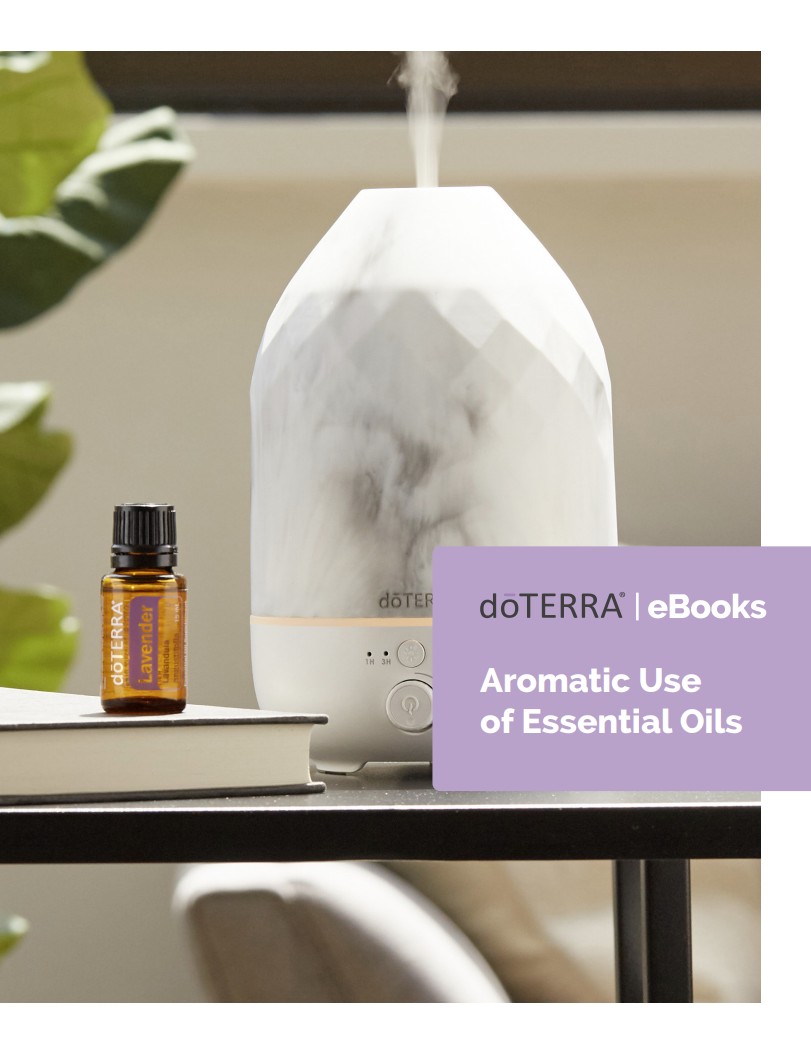
Sensory input directly influences the limbic system, the brain’s emotional center. Aromatherapy, particularly through inhalation, has been studied for its effects on anxiety, stress, and mood. Open-access randomized controlled trials and systematic reviews indicate that certain essential oils—most notably lavender—are associated with reduced anxiety levels and improved emotional calm in clinical and non-clinical populations (Koulivand et al., 2013; Donelli et al., 2019).

While aromatherapy is best viewed as a supportive modality rather than a standalone treatment, sensory practices such as scent, touch, sound, and breath can help regulate emotional states and enhance relaxation when integrated into broader wellness routines.

Essential Oils to Support Emotions During Life Changes


Conclusion

Mental health support is most effective when it addresses the interconnected systems of the body and mind. Scientific evidence affirms that nutrition, movement, mindfulness, emotional expression, nature exposure, social connection, and sensory support each contribute uniquely—and synergistically—to emotional resilience and psychological well-being. These natural, research-supported strategies do not replace professional care when needed, but they create a strong, sustainable foundation for healing, balance, and long-term mental wellness.


Disclaimer

The information provided in this blog is for educational and informational purposes only and is not intended to diagnose, treat, cure, or prevent any medical or mental health condition. The content shared reflects current peer-reviewed research on natural and supportive approaches to mental wellness and is not a substitute for professional medical advice, diagnosis, or treatment. Always seek the guidance of a qualified healthcare provider, licensed mental health professional, or physician with any questions regarding your health, mental well-being, or medical conditions. If you are experiencing severe, persistent, or worsening symptoms, or are in crisis, please seek immediate professional support or emergency care.


References

Biddle, S. J. H., Ciaccioni, S., Thomas, G., & Vergeer, I. (2019). Physical activity and mental health in children and adolescents: An updated review of reviews and an analysis of causality. Psychology of Sport and Exercise, 42, 146–155. https://doi.org/10.1016/j.psychsport.2018.08.011

Bratman, G. N., Anderson, C. B., Berman, M. G., Cochran, B., de Vries, S., Flanders, J., … Daily, G. C. (2019). Nature and mental health: An ecosystem service perspective. Science Advances, 5(7), eaax0903. https://doi.org/10.1126/sciadv.aax0903

Cramer, H., Lauche, R., & Dobos, G. (2024). Mind-body medicine in the treatment of depression: A narrative review of mechanisms and efficacy. BMC Complementary Medicine and Therapies, 24, 101. https://www.ncbi.nlm.nih.gov/pmc/articles/PMC11706891/

Dinan, T. G., & Cryan, J. F. (2017). The microbiome-gut-brain axis in health and disease. Gastroenterology Clinics of North America, 46(1), 77–89. https://doi.org/10.1016/j.gtc.2016.09.007

Donelli, D., Antonelli, M., Bellinazzi, C., Gensini, G. F., & Firenzuoli, F. (2019). Effects of lavender on anxiety: A systematic review and meta-analysis. Phytomedicine, 65, 153099. https://www.ncbi.nlm.nih.gov/pmc/articles/PMC6827865/

Goldberg, S. B., Tucker, R. P., Greene, P. A., Davidson, R. J., Wampold, B. E., Kearney, D. J., & Simpson, T. L. (2018). Mindfulness-based interventions for anxiety and depression: A systematic review and meta-analysis. Journal of Psychiatric Research, 104, 163–182. https://www.ncbi.nlm.nih.gov/pmc/articles/PMC5679245/

Holt-Lunstad, J., Smith, T. B., Baker, M., Harris, T., & Stephenson, D. (2015). Loneliness and social isolation as risk factors for mortality: A meta-analytic review. Perspectives on Psychological Science, 10(2), 227–237. https://doi.org/10.1177/1745691614568352

Johnson, K. V.-A., & Foster, K. R. (2018). Why does the microbiome affect behaviour? Nature Reviews Microbiology, 16, 647–655. https://doi.org/10.1038/s41579-018-0014-3

Koulivand, P. H., Khaleghi Ghadiri, M., & Gorji, A. (2013). Lavender and the nervous system. Evidence-Based Complementary and Alternative Medicine, 2013, 681304. https://www.ncbi.nlm.nih.gov/pmc/articles/PMC3612440/

Marx, W., Moseley, G., Berk, M., & Jacka, F. (2021). Nutritional psychiatry: The present state of the evidence. Proceedings of the Nutrition Society, 80(4), 427–436. https://www.ncbi.nlm.nih.gov/pmc/articles/PMC8509609/

Pennebaker, J. W., & Chung, C. K. (2011). Expressive writing and its links to mental and physical health. Oxford Handbook of Health Psychology, 417–437. https://www.ncbi.nlm.nih.gov/pmc/articles/PMC8935174/

Schuch, F. B., Vancampfort, D., Richards, J., Rosenbaum, S., Ward, P. B., & Stubbs, B. (2016). Exercise as a treatment for depression: A meta-analysis. Journal of Psychiatric Research, 77, 42–51. https://www.ncbi.nlm.nih.gov/pmc/articles/PMC474733/

Shanahan, D. F., et al. (2024). Effect of nature-based health interventions for individuals with anxiety, depression and/or stress: A systematic review and meta-analysis. Healthcare, 12(22), 2263. https://www.mdpi.com/2227-9032/12/22/2263

Wood, A. M., Froh, J. J., & Geraghty, A. W. A. (2010). Gratitude and well-being: A review and theoretical integration. Clinical Psychology Review, 30(7), 890–905. https://www.ncbi.nlm.nih.gov/pmc/articles/PMC3010965/

Essential Oils, Health

Essential Oils to Support Emotions During Life Changes

Life transitions—whether welcomed or unexpected—have a way of stirring our emotions at a deep level. New seasons can bring excitement and hope, but they can also uncover feelings of fear, grief, uncertainty, or fatigue. During these moments, caring for our emotional well-being is not a luxury—it’s a necessity. Essential oils can serve as gentle, supportive tools to help calm the nervous system, ground emotions, and encourage resilience as we move through change with intention and self-compassion.

Below is a holistic, research-informed guide to essential oils that may help support emotional balance during times of transition.*


🌱 Grounding & Stability

For feeling unsteady, anxious, or overwhelmed

When life feels uncertain, grounding oils can help create a sense of safety and emotional steadiness.

  • Frankincense – Encourages calm breathing, clarity, and emotional grounding
  • Vetiver – Deeply grounding; helpful for restlessness and emotional exhaustion
  • Cedarwood – Promotes feelings of security, strength, and support
  • Patchouli – Anchoring and stabilizing during major identity or lifestyle shifts

How to use:
Diffuse 3–4 drops during quiet reflection, journaling, or prayer. Can also be applied (properly diluted) to the bottoms of the feet.


🌊 Emotional Release & Letting Go

For grief, sadness, or processing the past

Change often requires release. These oils support emotional expression and gentle comfort.

  • Lavender – Calms the nervous system and soothes emotional tension
  • Roman Chamomile – Comforting during grief, irritability, or overwhelm
  • Ylang Ylang – Encourages emotional release and heart openness
  • Bergamot – Supports emotional processing while lifting mood

How to use:
Apply diluted oil over the heart, wrists, or back of the neck during moments of heaviness.


🌸 Courage, Confidence & Forward Movement

For fear of the unknown or stepping into something new

These oils can help build inner strength and emotional resilience.

  • Ginger – Encourages courage and forward momentum
  • Black Pepper – Empowering and energizing during hesitation
  • Cardamom – Supports emotional strength and confidence
  • Cypress – Helpful for transitions and moving through change

How to use:
Diffuse in the morning or inhale from cupped hands before taking the next step forward.


☀️ Hope, Joy & Emotional Uplift

For discouragement, low mood, or lack of motivation

Uplifting oils can help restore optimism and lightness during challenging seasons.

  • Sweet Orange – Encourages joy and emotional warmth
  • Lemon – Clarifying, refreshing, and mentally uplifting
  • Grapefruit – Supports optimism and self-worth
  • Neroli – Comforting and hopeful, especially after loss or emotional trauma

How to use:
Diffuse mid-day or use in a personal inhaler for emotional refreshment.


🌿 Self-Compassion & Inner Peace

For burnout, self-criticism, or emotional fatigue

Change often calls us to slow down and nurture ourselves.

  • Rose – Deeply nurturing and heart-centered
  • Geranium – Balances emotions and supports self-acceptance
  • Clary Sage – Encourages emotional balance and trust
  • Sandalwood – Promotes inner peace and emotional grounding

How to use:
Diffuse during meditation, prayer, or evening wind-down routines.


🧴 Simple Diffuser Blend for Life Transitions

Grounded Hope Blend

  • 2 drops Frankincense
  • 2 drops Bergamot
  • 1 drop Cedarwood

This blend supports grounding, emotional clarity, and gentle optimism during times of change.


Final Thoughts

Life transitions invite growth, even when they feel uncomfortable. While essential oils are not a cure-all, they can be meaningful companions—offering moments of calm, clarity, and encouragement as you navigate change. Listen to your body, honor your emotions, and give yourself permission to move through each season at your own pace.


*These statements have not been evaluated by the Food and Drug Administration. Essential oils are not intended to diagnose, treat, cure, or prevent any disease. Always consult a qualified healthcare professional for medical or mental health concerns.

Energy Healing, Essential Oils, Healing Journey, Health, Self-Discovery

Achieve Victory Over Vices: Overcoming Addictions with Essential Oils, Mindfulness, and Emotional Healing

We’ve all had that “just one more” moment—just one more cookie, one more cup of coffee, one more scroll through social media. While some habits are harmless in moderation, others can snowball into patterns that steal our time, health, and peace of mind. Whether it’s sugar, soda, caffeine, alcohol, tobacco, gaming, gambling, or even hours lost in the glow of your phone, the good news is this: you are not powerless.

Through a powerful blend of mindfulness practices, essential oils, and emotional energy work, you can reclaim control and create the freedom you crave.


Understanding the Pull of Addiction

Addiction—whether to substances or behaviors—alters brain chemistry, rewiring our reward system to crave the “hit” of dopamine and other feel-good chemicals (Volkow et al., 2016). While substance addictions like alcohol, nicotine, or sugar involve a physical dependence, behavioral addictions—such as gaming, gambling, or compulsive scrolling—can be just as consuming. The underlying mechanism is the same: repeated exposure to a stimulus that triggers pleasure leads to stronger cravings and weakened self-control (Pine Rest, 2023).

The encouraging news? Recovery isn’t always a straight road through clinical treatment alone. Many “natural recoverers” have kicked habits by building self-awareness, using supportive tools, and making intentional lifestyle changes (Harvard Health, 2012).


Mindfulness: The First Step Toward Freedom

Mindfulness helps you notice the urge before it turns into action. It strengthens the “pause button” between craving and choice. Simple practices like deep breathing, meditation, gratitude journaling, and mindful movement can regulate your nervous system, reduce stress, and reframe your relationship with urges (Garland et al., 2014).

Pair mindfulness with intentional self-care, and you start to rewire the brain toward healthier rewards.


Essential Oils: Nature’s Support System for Recovery*

Aromatherapy works through the olfactory system to influence mood, memory, and emotion—areas of the brain directly connected to craving and habit loops (American Addiction Centers, 2021). Essential oils can help manage withdrawal symptoms, regulate mood, and reinforce emotional stability during recovery (Avenues Recovery, 2024).

2. Choose According to Your Challenge:

Tobacco / nicotine: Black pepper, angelica, lavender, peppermint, rosemary, sweet orange, Roman chamomile (Avenues Recovery, 2024).

Alcohol withdrawal: Ginger, lemon, lavender, black pepper, geranium, fennel, grapefruit, mandarin, rosemary, Roman chamomile (Avenues Recovery, 2024).

Appetite, sugar, food cravings: Grapefruit oil helps suppress appetite and reduce withdrawal-related stress (Avenues Recovery, 2024).

Anxiety, mood regulation: Bergamot, lavender, lemon—promoting calm and uplifting states (Avenues Recovery, 2024).

Behavioral addictions:

  • To enhance self-control: Adaptiv, bergamot, Spanish sage, MetaPWR, pink pepper, manuka, Beautiful, HD Clear.
  • To help with distraction: InTune, Thinker, Abode, lemon, rosemary, Northern Escape, guaiacwood, litsea, Balance, Harvest Spice.
  • To enhance restful moments: Frankincense, myrrh, rose, Hawaiian sandalwood, cypress, Forgive, Frankincense, Integrity.
  • To energize: Lemon, rosemary, peppermint, spearmint, juniper, coffee, Fat-Free Body Oil, eucalyptus, inula, cinnamon, cedarwood, holy basil.

The Missing Link: Clearing the Root Cause with Emotional Healing

Many addictions—whether physical or behavioral—stem from trapped emotions, unresolved trauma, and limiting beliefs. This is where The Emotion Code®, The Body Code™, and The Belief Code® from Discover Healing come in.

  • The Emotion Code® helps identify and release trapped emotions stored in the body that can drive addictive behaviors.
  • The Body Code™ addresses imbalances in the body—physical, emotional, and energetic—that contribute to cravings or compulsive patterns.
  • The Belief Code® targets and clears faulty beliefs that keep you feeling stuck, such as “I can’t change” or “I need this to cope” (Discover Healing, n.d.).

By combining these techniques with essential oils and mindfulness, you address the addiction from all angles—mind, body, and spirit.


Creating Your Victory Plan

  1. Identify your triggers. Keep a journal to notice when cravings strike.
  2. Choose your oils from the list above to match your biggest challenges.
  3. Practice mindfulness daily—even 5 minutes makes a difference.
  4. Release trapped emotions and limiting beliefs through Emotion Code, Body Code, and Belief Code sessions.
  5. Celebrate small wins and track your progress.

Overcoming addictions—big or small—is not about willpower alone. It’s about creating an environment and internal state that supports your success. With the right tools, the right mindset, and the right support, victory is within reach.


Week-by-Week Structure

Week 1: Foundations & Embodiment

  • Introductions & Goal Setting
  • Guided diaphragmatic breathing or slow-paced breathwork (just 5 minutes/day).
    • Evidence: Breathwork significantly reduces stress, anxiety, and depressive symptoms, improves heart-rate variability, and enhances parasympathetic activity. News-MedicalNature
  • Opening discussion: Triggers, hopes, and current habits.
  • Gentle movement: mindful walking or light yoga to start attuning to body-mind connection.

Week 2: Breath as Reset

  • Teach cyclic sighing (focus on the exhale) and ultra-brief breath counting exercises.
    • Evidence: These techniques improve mood, reduce anxiety, and promote faster recovery from stress-induced cravings. PMC+1
  • Daily micro-practice: choose one—cyclic sighing or breath counting for 5 minutes.

Week 3: Mindfulness for Craving Resilience

  • Practice mindful pauses and urge surfing—observing cravings without reacting.
  • Short mindfulness audio exercise (~10 minutes) to help reduce alcohol or food intake. WIREDTIME

Week 4: Aromatherapy & Emotional Anchoring

  • Introduce lavender (for anxiety/sleep), citrus oils, rosemary, cinnamon—used via inhalation or diluted application.
    • Evidence: Lavender inhalation can reduce anxiety and improve sleep; other oils offer antioxidant, anti-inflammatory, and mood-regulating benefits. FrontiersPMC+1MDPIScienceDirect
  • Create a personalized “craving support blend” ritual.

Week 5: Movement

  • Gentle movement routines: yoga or mindful walking.
    • Evidence: Yoga supports mood regulation, sleep, anxiety reduction, and helps those in addiction recovery. Verywell Mind

Week 6: Emotional Healing & Reflection

  • Emotional check-in and journaling: exploring guilt, self-compassion, and recovery identity.
  • Introduce breathwork for emotional release (e.g., guided holotropic or expressive breathing).
    • Although preliminary, holotropic breathwork has shown potential in reducing anxiety and supporting addiction recovery. ResearchGate

Week 7: Integrative Daily Practices

  • Build a daily toolkit integrating breathwork, mindfulness, aromatherapy, movement, and supplements.
  • Small group sharing: which routines worked best and why.
  • Dedicated “re-entry” breath + oil ritual to counter cravings or stress.

Week 8: Maintenance & Moving Forward

  • Final reflections, personal recovery plans, community-sharing.
  • Resources for continued growth: local mindfulness groups, online breathwork guides, certified aromatherapists.
    • Emphasize ongoing support, whether through community, therapy, or peer groups.

Supporting Evidence Summary

PracticeBenefits Explained by Research
BreathworkReduces stress, anxiety, depressive symptoms; improves mood and craving resilience. News-MedicalPMC+2PMC+2Nature
MindfulnessEnhances emotional regulation, lowers craving and substance misuse risk. BioMed CentralHarvard HealthHealthWIREDJAMA NetworkU of U Health
Essential OilsAlleviate anxiety, improve sleep, modulate mood; antioxidant/anti-inflammatory effects. FrontiersScienceDirectPMC+1MDPI
Movement/YogaReduces depression, anxiety and enhances mental health—beneficial in addiction context. Verywell Mind

*⚠DISCLAIMER⚠ All media content created by Beyond Possibilities and the AromaVibe is intended for educational purposes only. *These statements have not been evaluated by the Food and Drug Administration. This is not intended to diagnose, treat, cure, or prevent any disease.

References

American Addiction Centers. (2021). Aromatherapy and addiction recovery. https://americanaddictioncenters.org/blog/aromatherapy-and-addiction-recovery

Avenues Recovery. (2024). Essential oils for addiction. https://www.avenuesrecovery.com/understanding-addiction/drug-rehab/essential-oils-for-addiction/

Discover Healing. (n.d.). The Emotion Code, The Body Code, and The Belief Code. https://discoverhealing.com/

Garland, E. L., Froeliger, B., & Howard, M. O. (2014). Mindfulness training targets neurocognitive mechanisms of addiction at the attention-appraisal-emotion interface. Frontiers in Psychiatry, 4, 173. https://doi.org/10.3389/fpsyt.2013.00173

Harvard Health. (2012). Natural recoverers: Kick addiction without help. https://www.health.harvard.edu/blog/natural-recoverers-kick-addiction-without-help-201202134236

Pine Rest. (2023). Behavioral addictions: Why do I keep doing this?. https://www.pinerest.org/newsroom/articles/behavioral-addictions-why-do-i-keep-doing-this/

Volkow, N. D., Koob, G. F., & McLellan, A. T. (2016). Neurobiologic advances from the brain disease model of addiction. The New England Journal of Medicine, 374(4), 363–371. https://doi.org/10.1056/NEJMra1511480

Breathwork

Nivethitha, L., Mooventhan, A., & Manjunath, N. K. (2016). Effects of various pranayama on cardiovascular and autonomic variables. Ancient Science of Life, 36(2), 72–77. https://doi.org/10.4103/asl.ASL_178_16

Zaccaro, A., Piarulli, A., Laurino, M., Garbella, E., Menicucci, D., Neri, B., & Gemignani, A. (2018). How breath-control can change your life: A systematic review on psycho-physiological correlates of slow breathing. Frontiers in Human Neuroscience, 12, 353. https://doi.org/10.3389/fnhum.2018.00353

Balban, M. Y., Morrissey, K., Cao, A., Arulpragasam, A. R., Prust, M. J., Krishnan, A., … & Spiegel, D. (2023). Breathing practices for affective regulation: Investigations into physiology, behavior, and mechanisms. Cell Reports Medicine, 4(1), 100897. https://doi.org/10.1016/j.xcrm.2022.100897


Mindfulness

Bowen, S., Chawla, N., & Marlatt, G. A. (2011). Mindfulness-based relapse prevention for addictive behaviors: A clinician’s guide. Guilford Press.

Li, W., Howard, M. O., Garland, E. L., McGovern, P., & Lazar, M. (2017). Mindfulness treatment for substance misuse: A systematic review and meta-analysis. Journal of Substance Abuse Treatment, 75, 62–96. https://doi.org/10.1016/j.jsat.2017.01.008

Tang, Y. Y., Hölzel, B. K., & Posner, M. I. (2015). The neuroscience of mindfulness meditation. Nature Reviews Neuroscience, 16(4), 213–225. https://doi.org/10.1038/nrn3916


Essential Oils / Aromatherapy

Perry, N., & Perry, E. (2006). Aromatherapy in the management of psychiatric disorders: Clinical and neuropharmacological perspectives. Central Nervous System Drugs, 20(4), 257–280. https://doi.org/10.2165/00023210-200620040-00001

Koulivand, P. H., Khaleghi Ghadiri, M., & Gorji, A. (2013). Lavender and the nervous system. Evidence-Based Complementary and Alternative Medicine, 2013, 681304. https://doi.org/10.1155/2013/681304

Lakhan, S. E., & Vieira, K. F. (2010). Nutritional and herbal supplements for anxiety and anxiety-related disorders: Systematic review. Nutrition Journal, 9(1), 42. https://doi.org/10.1186/1475-2891-9-42


Movement / Yoga

Field, T. (2016). Yoga research review. Complementary Therapies in Clinical Practice, 24, 145–161. https://doi.org/10.1016/j.ctcp.2016.06.005

Sivaramakrishnan, D., Fitzsimons, C., Kelly, P., Ludwig, K., Mutrie, N., Saunders, D. H., & Baker, G. (2019). The effects of yoga compared to active and inactive controls on physical function and health-related quality of life in older adults: A systematic review and meta-analysis of randomized controlled trials. International Journal of Behavioral Nutrition and Physical Activity, 16, 33. https://doi.org/10.1186/s12966-019-0797-2


Holotropic / Expressive Breathwork

Brewerton, T. D., Eyerman, J. E., Cappetta, P., & Mithoefer, M. C. (2012). Long-term abstinence following holotropic breathwork as adjunctive treatment of substance use disorders and related psychiatric comorbidity. Journal of Alternative and Complementary Medicine, 18(9), 795–802. https://doi.org/10.1089/acm.2011.0284