Blog

Essential Oils, Self-Discovery

Gratitude: The Practice That Turns Ordinary Days Into Extraordinary Ones

There’s something magical that happens when you pause—just for a moment—and breathe in gratitude. The world doesn’t change instantly… but you do. The edges soften. The noise quiets. Your heart opens just a little wider. And suddenly, the ordinary becomes extraordinary.

When you pair this daily practice with the gentle support of doTERRA’s pure tested-grade essential oils, that magic becomes even more tangible. Aromatic molecules meet mindful intention, and together they create openings for joy, peace, clarity, and presence.

This month, I’ve been leaning deeply into this pairing—gratitude + aroma—and I’m excited to share these simple, soul-nourishing practices with you.


Why Gratitude + Aroma Work So Beautifully Together

Gratitude anchors you. Essential oils activate your senses. Together, they shift your emotional state in seconds. While journaling or speaking gratitude aloud engages the mind, aromatic blending communicates directly with the limbic system—your emotional command center—helping the heart and body catch up with what your mind already knows:

There is beauty here.
There is blessing here.
There is enough.
You are enough.


Aromatic Companions for a Grateful Heart

Below are some of my favorite doTERRA blends and single oils for building or deepening your gratitude practice—each one supporting the heart, mind, and breath in a different, beautiful way.


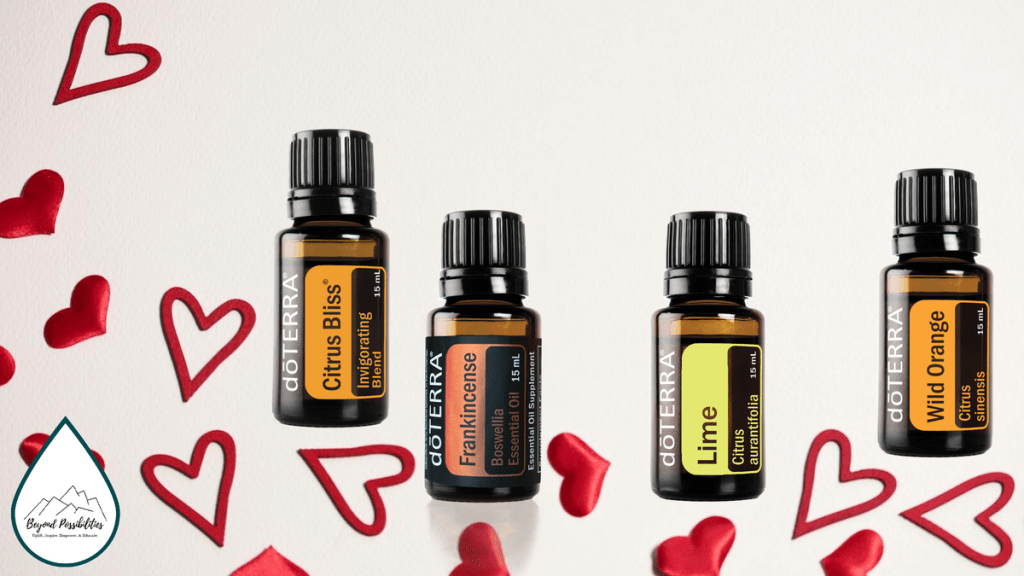
✨ Citrus Bliss® — The Joy Igniter

There’s a reason we instinctively smile when we smell citrus. Citrus Bliss blends wild orange, lemon, grapefruit, mandarin, bergamot, tangerine, and vanilla—inviting a burst of sunshine into your day.

Use it when:
You want to feel brighter, lighter, or inspired. Add a drop to your palms, inhale deeply, and speak three things you’re grateful for aloud.

Why:
Citrus oils have uplifting and energizing aromatic properties that support emotional rejuvenation and promote positive feelings (doTERRA, 2023a).


✨ Balance® — The Grounding Blend

Balance feels like stepping onto soft earth after a long day. Spruce, frankincense, blue tansy, ho wood, and osmanthus work together to create a calming, steadying aroma.

Use it when:
Your mind is racing, your emotions feel scattered, or you want to reconnect with the present moment.

Why:
Tree oils contain grounding aromatic constituents that can help the mind and body experience greater calm and stability (doTERRA, 2023b).


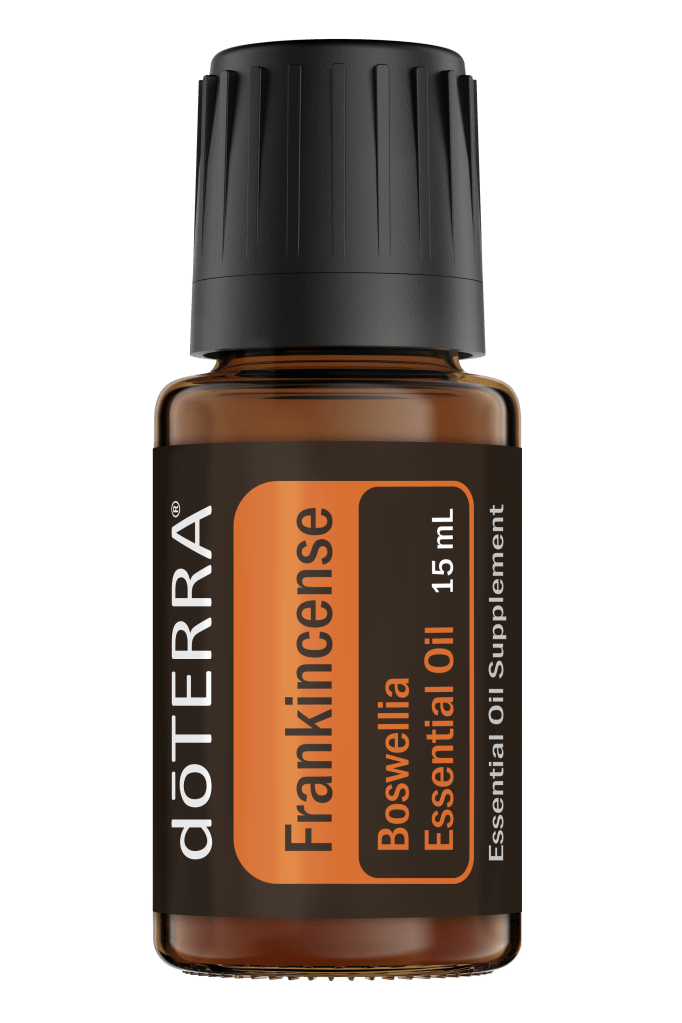
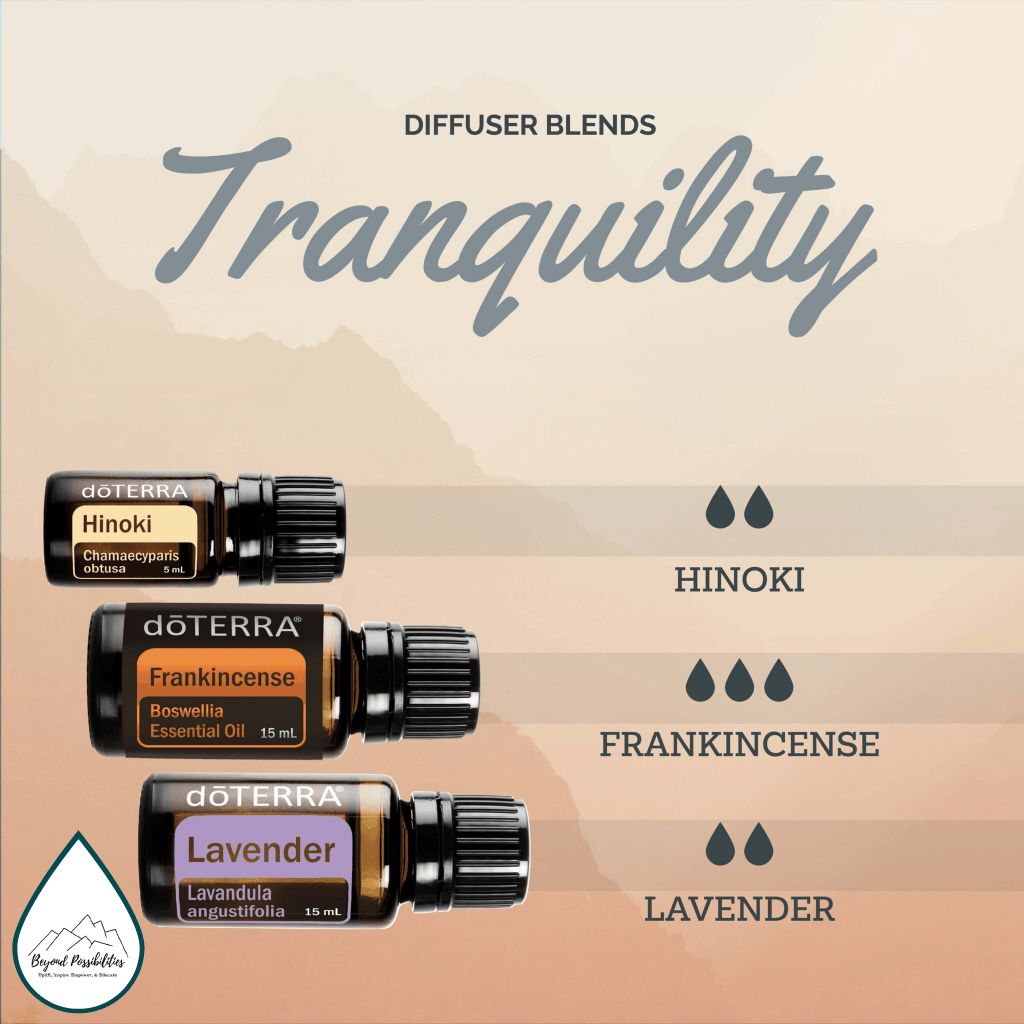
✨ Frankincense — The Heart Opener

Frankincense has long been known as the “oil of truth,” and for good reason. Its rich, resinous aroma encourages deeper breathing and a fuller sense of connection—both inward and upward.

Use it when:
You’re journaling, reflecting, praying, or giving thanks for something tender or powerful.

Why:
Frankincense’s centering and focusing aromatic compounds support emotional balance and deeper reflection (Buckle, 2015).


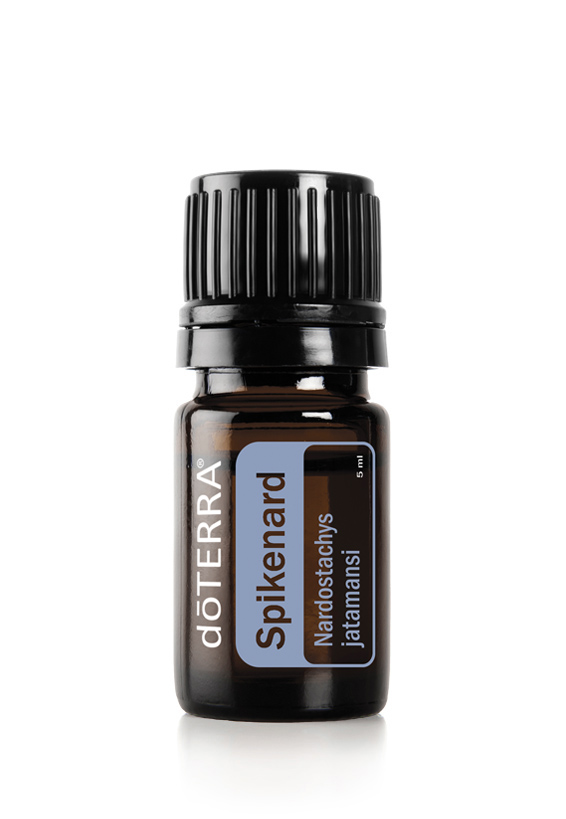
✨ Spikenard — The Deep-Rooted Stillness Oil

Spikenard carries an ancient, grounding aroma—earthy, warm, and quietly powerful. It invites you to slow everything down and listen beneath the noise.

Use it when:
You crave deeper stillness, spiritual grounding, or a moment to reconnect with your inner wisdom.

Why:
Spikenard’s soothing aromatic profile is traditionally used to promote relaxation, calm, and emotional centering (doTERRA, 2023c).


✨ Helichrysum — The Emotional Renewal Oil

Known as the “Everlasting” or “Immortelle” flower, Helichrysum encourages emotional resilience. It’s gentle, comforting, and incredibly supportive when gratitude feels just out of reach.

Use it when:
You’re healing, releasing emotional patterns, or wanting a fresh, hopeful mindset.

Why:
Helichrysum’s aromatic compounds have long been associated with renewal, comfort, and emotional support (doTERRA, 2023d).


✨ Lime — The Bright-Hearted Encourager

Lime’s vibrant, lively aroma brings clarity and forward motion. It’s perfect for mornings or moments when you want to cultivate optimism.

Use it when:
You’re setting intentions, starting your day, or need a little spark of energy.

Why:
Citrus oils like lime offer uplifting and energizing aromatic benefits that help cultivate positive emotional states (doTERRA, 2023e).


✨ Beautiful® Body Mist — The Worthiness Whisper

With Bergamot, Lime, Frankincense, and Osmanthus, Beautiful® is the blend that reminds you of your own inner light. The body mist turns gratitude into a whole-body, sensory experience.

Use it when:
You want to feel grounded in your body, uplifted in your mindset, or wrapped in a moment of self-worth.

Why:
Beautiful® was crafted to evoke feelings of radiance, courage, and self-compassion, promoting emotional wellbeing through its bright yet grounding aromatic blend (doTERRA, 2023f).


✨ Harvest Spice® — The Cozy Gratitude Blend

Warm, nostalgic, and deeply comforting, Harvest Spice® brings feelings of connection and belonging. It’s gratitude in aromatic form.

Use it when:
You’re cultivating family connection, celebrating blessings, or creating a cozy environment for reflection.

Why:
Spice oils have warming and uplifting qualities that promote comfort, joy, and togetherness (doTERRA, 2023g).


✨ Wild Orange — The Spark of Joy

Wild Orange is the essence of optimism. Its sweet, bright aroma makes gratitude feel effortless.

Use it when:
You want to amplify joy, reset your mood, or add brightness to your gratitude journal or diffuser practice.

Why:
Wild Orange’s energizing and mood-enhancing aromatic compounds inspire feelings of joy, creativity, and positivity (doTERRA, 2023h).


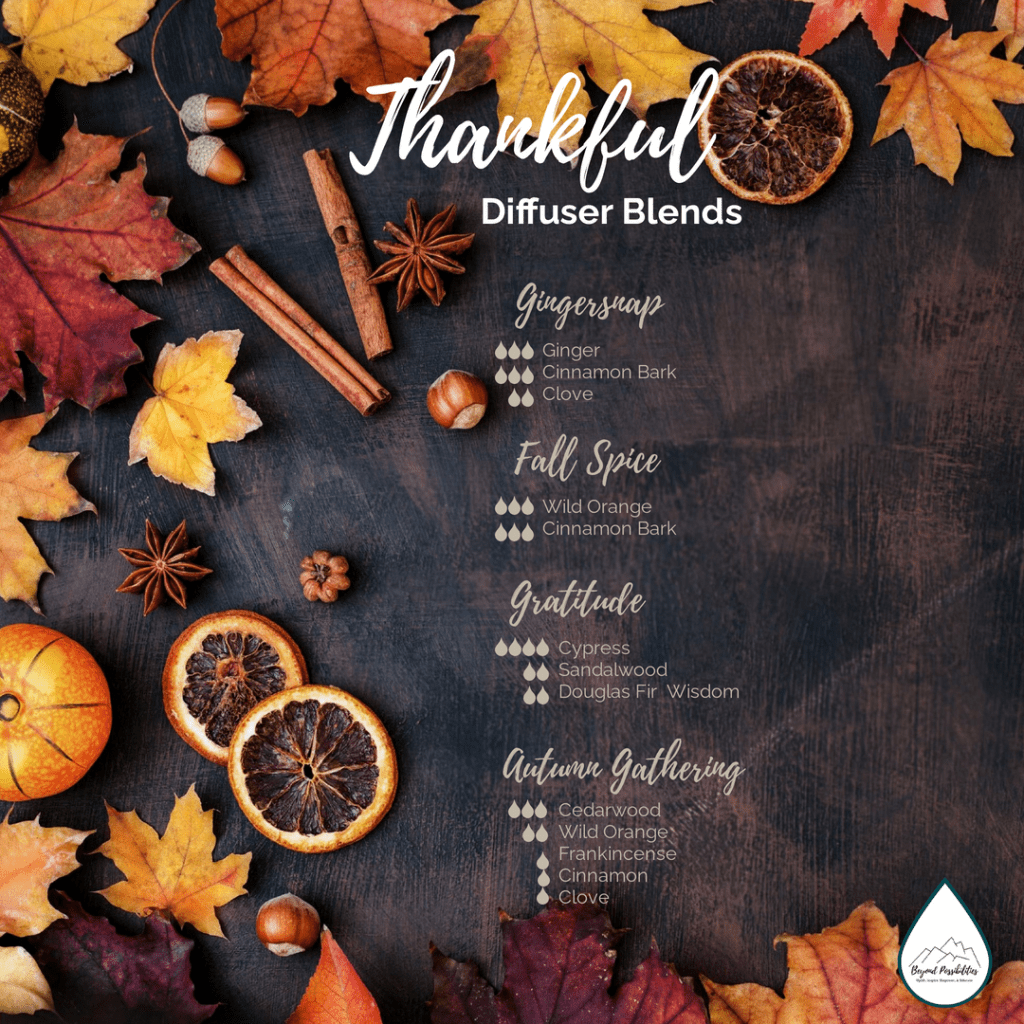
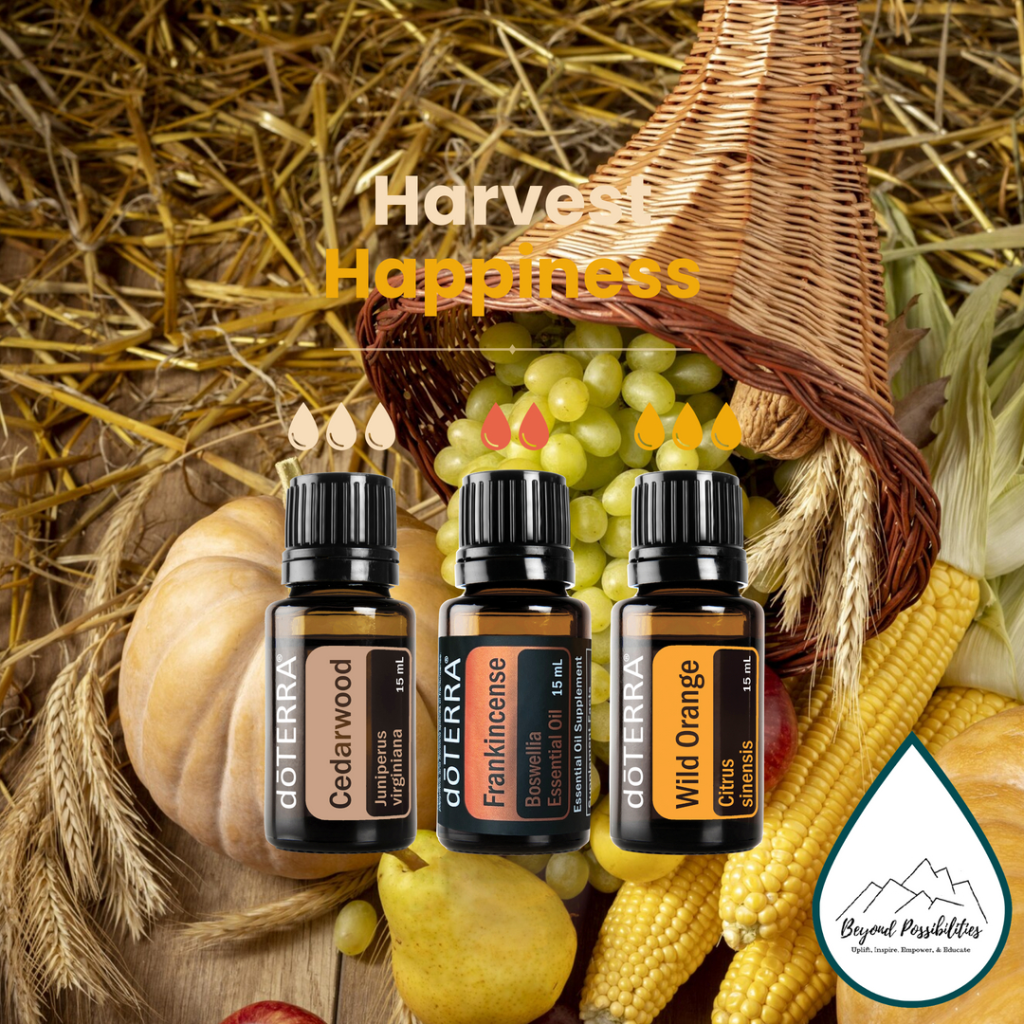
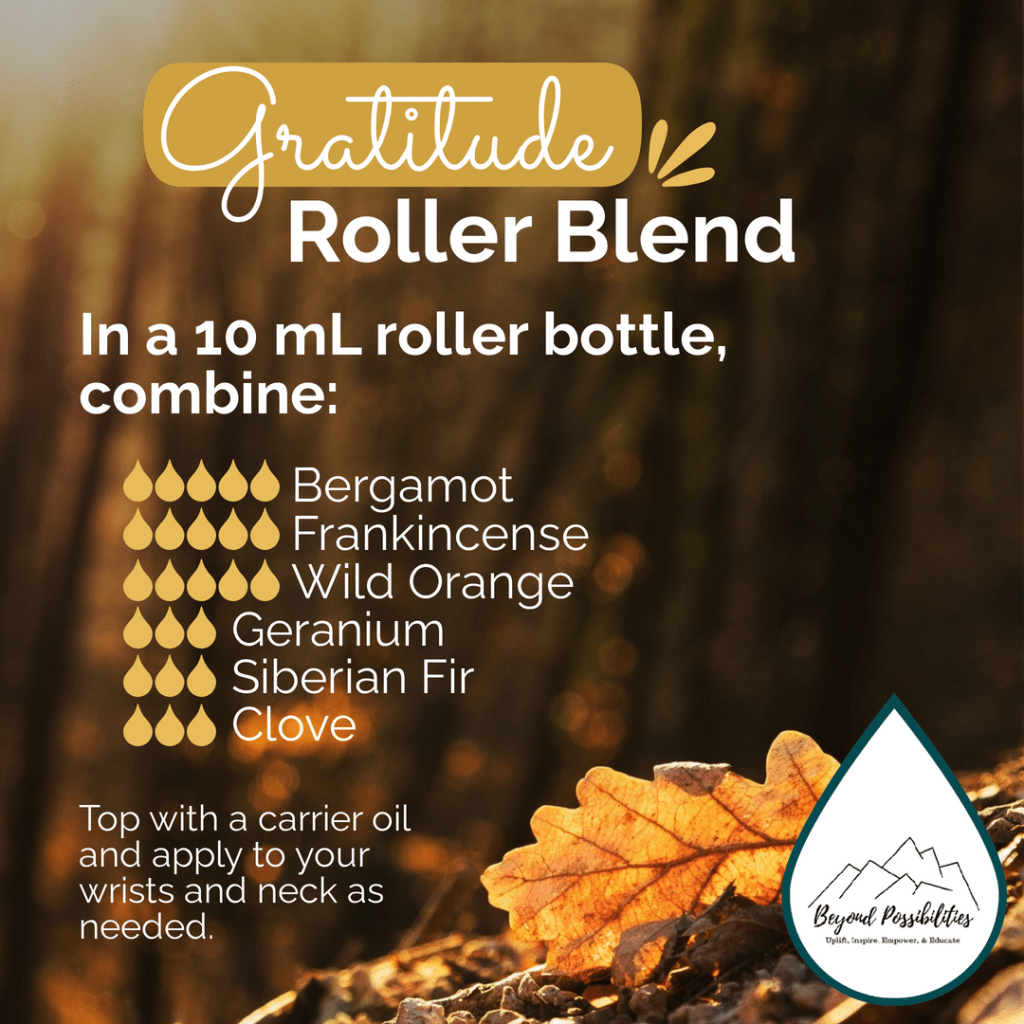
Gratitude Diffuser Blends

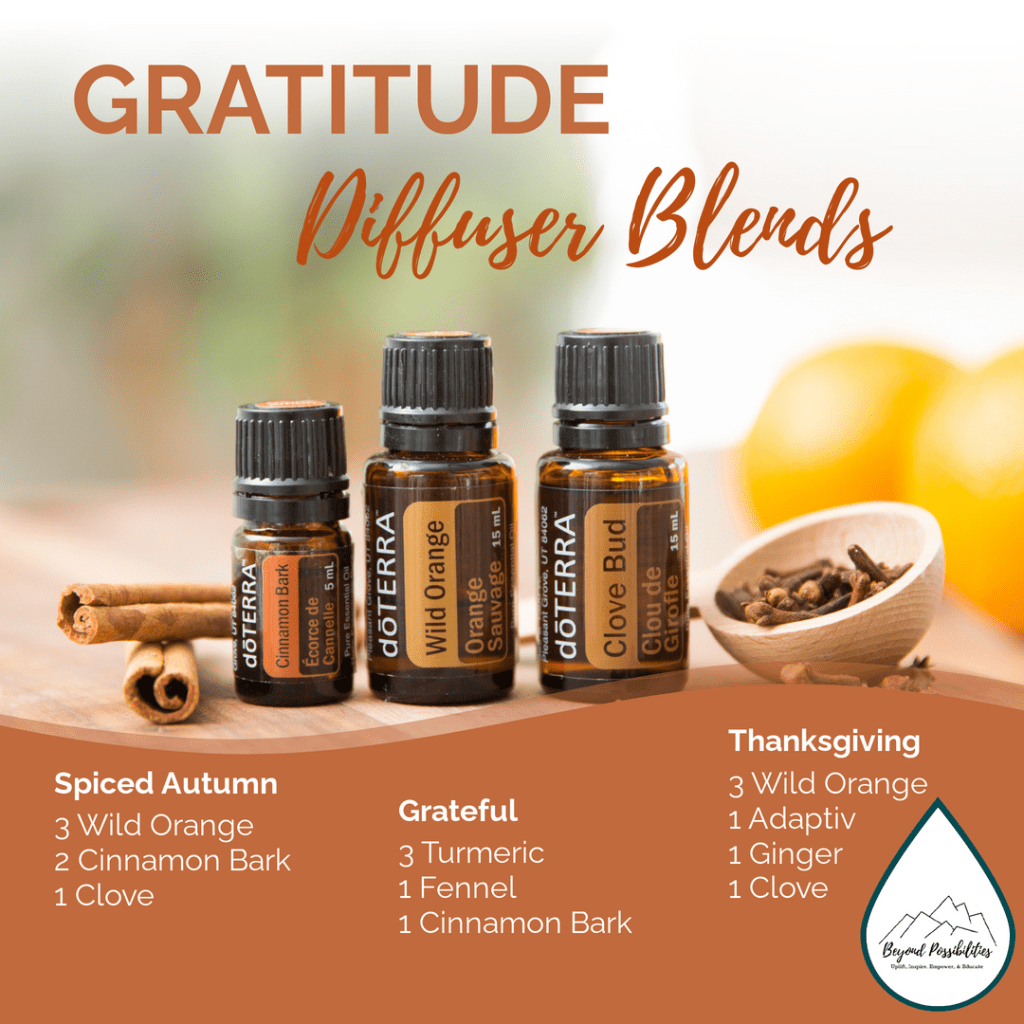
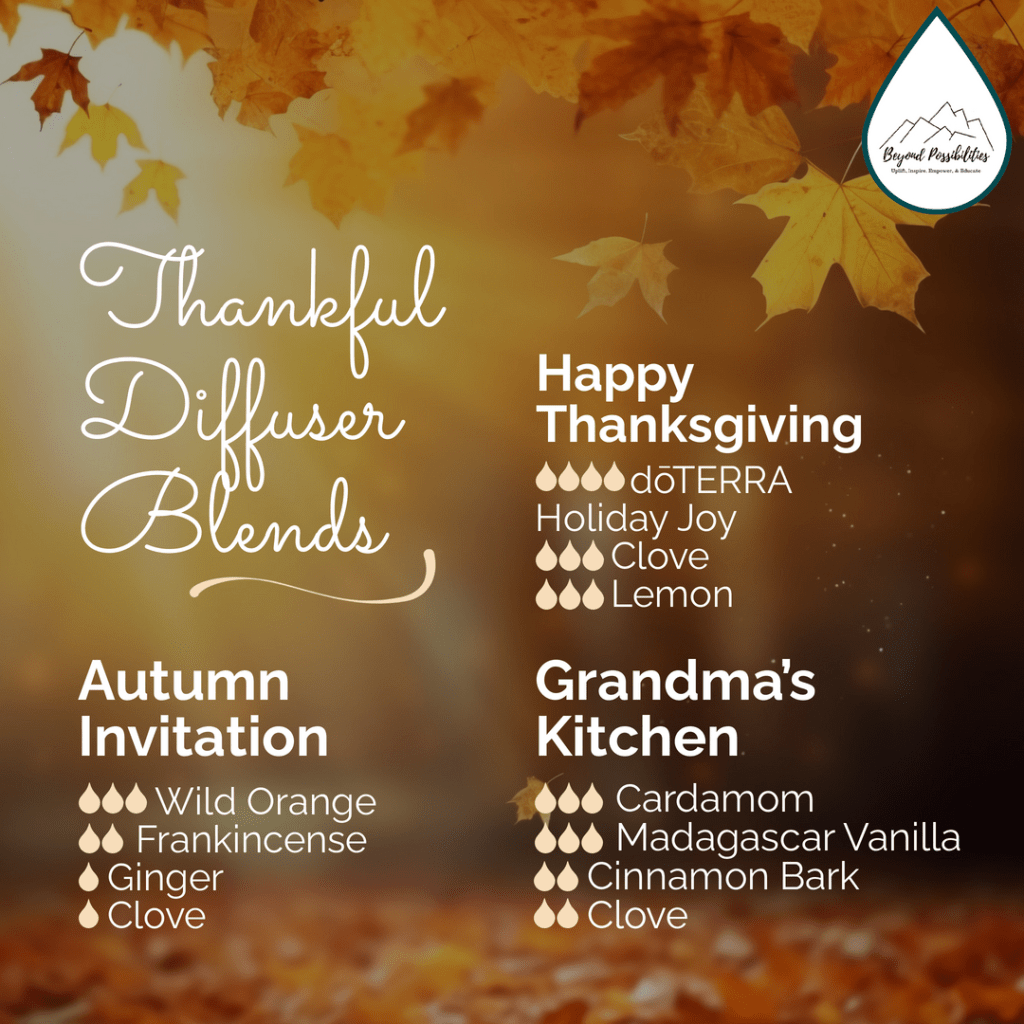
If you want to elevate your gratitude practice even more, consider creating a gratitude “atmosphere” in your home or workspace. Diffusing blends with citrus, woods, spices, and resins can shift your emotional state before you ever pick up a pen or whisper a thank-you. These aromas bring warmth, expansion, and presence into the air around you—making gratitude feel more natural, accessible, and embodied.


A Simple Daily Gratitude Ritual

Try this practice for a week and notice the shift:

  1. Choose your oil. Pick the one your heart needs today: Joy, grounding, stillness, renewal, or brightness.
  2. Breathe it in. One deep inhale with your hand over your heart.
  3. Speak or write one thing you’re grateful for today.
  4. Close with a grounding exhale.
  5. Carry the aroma—and the gratitude—with you.

Five steps. One minute. A completely different day.


When Ordinary Becomes Extraordinary

Here’s what I’ve learned after years of helping others reconnect with themselves:

Gratitude doesn’t ignore the hard things.
It simply helps you remember the good things, too.

And essential oils don’t fix your life.
But they can shift your energy, soften your breath, and help your heart receive what your mind already knows:

There is still wonder.
There is still goodness.
There is still so much to be grateful for.

Whether you’re, starting a journal practice, a pro at gratitude, or simply pausing to appreciate what’s right in front of you, know this:

Every single breath of gratitude opens the door to an extraordinary life.
One moment… one aroma… one blessing at a time.


References (APA 7)

Buckle, J. (2015). Clinical aromatherapy: Essential oils in healthcare (3rd ed.). Elsevier.

doTERRA. (2023a). Citrus Bliss® essential oil blend. https://www.doterra.com
doTERRA. (2023b). Balance® grounding blend. https://www.doterra.com
doTERRA. (2023c). Spikenard essential oil. https://www.doterra.com
doTERRA. (2023d). Helichrysum essential oil. https://www.doterra.com
doTERRA. (2023e). Lime essential oil. https://www.doterra.com
doTERRA. (2023f). Beautiful® body mist. https://www.doterra.com
doTERRA. (2023g). Harvest Spice® essential oil blend. https://www.doterra.com
doTERRA. (2023h). Wild Orange essential oil. https://www.doterra.com

Words Matter: Challenging the Old Adage
Family Life Education

Words Matter: Challenging the Old Adage

We’ve all heard the childhood rhyme:

“Sticks and stones may break my bones, but words will never hurt me.”

It sounds reassuring. But peer-reviewed science strongly contradicts it. Verbal and emotional abuse — even without physical violence — can leave deep, lasting wounds (Teicher et al., 2006; Bellis et al., 2025). Childhood verbal aggression has been linked to anxiety, depression, and long-term difficulties with emotional regulation and relationships (Vissing et al., 2008; Wright et al., 2009). Some studies even show that repeated exposure to verbal abuse can alter brain structures involved in emotional processing (Teicher et al., 2010).

I was teased a lot as a child — about my size, my lack of ability to read, being a tomboy, and more. This led me to downplay teasing while dating and in my first marriage. Over time, the teasing escalated into verbal abuse from my ex-husband. Many of those words still appear in my mind from time to time. I have spent years healing and breaking patterns of teasing, and I believe in facing truth with compassion and using it as a catalyst for growth. And the truth is this: if words can harm so deeply, then they can also heal deeply — when used with intention, understanding, and care (Zhu et al., 2025; Shorey et al., 2022).


Understanding the Impact of Words

Words are not harmless. Emotional and verbal abuse are linked to long-term psychological challenges, including anxiety, depression, and diminished resilience (Carleton, 2023; Zhang et al., 2022). Even without physical violence, verbal abuse in families predicts higher rates of depressive symptoms in children and adolescents (López-Morales et al., 2025; Zvara et al., 2019).

Research also shows that verbal aggression can impact the brain in ways similar to physical abuse, particularly in areas responsible for emotional regulation (Teicher et al., 2010). These findings make it clear that the old rhyme is misleading: words can indeed leave deep, lasting scars.

Words are not harmless. Emotional and verbal abuse are linked to long-term psychological challenges, including anxiety, depression, and diminished resilience (Carleton, 2023; Zhang et al., 2022). Even without physical violence, verbal abuse in families predicts higher rates of depressive symptoms in children and adolescents (López-Morales et al., 2025; Zvara et al., 2019).

Research also shows that verbal aggression can impact the brain in ways similar to physical abuse, particularly in areas responsible for emotional regulation (Teicher et al., 2010). These findings make it clear that the old rhyme is misleading: words can indeed leave deep, lasting scars.


Words Can Cause Lasting Harm: What the Research Says

  1. Verbal Aggression in Childhood Has Big Mental Health Effects
    • A foundational study by Teicher, Samson, Polcari & McGreenery (2006) found that parental verbal aggression was associated with moderate to large psychiatric effects (depression, anxiety, anger-hostility, dissociation). IFEMDR+1
    • Notably, in their sample of 554 young adults, the effect sizes for verbal aggression were comparable to or even larger than those associated with familial physical abuse. PubMed
    • The authors concluded that verbal aggression is a potent form of maltreatmentIFEMDR+1
  2. Verbal Abuse Is Widespread — and Often Overlooked
    • systematic review of 149 quantitative studies (plus 17 qualitative) found that childhood verbal abuse (“CVA”) is a common subtype of emotional abuse. PubMed
    • This review linked CVA to many negative outcomes across the lifespan — internalizing problems (like anxiety or depression), externalizing behaviors, and more. PubMed
    • The authors argue that recognizing CVA as its own form of maltreatment is critical for prevention and intervention. PubMed
  3. Psychological Violence (Including Verbal) Impacts Mental Health Severely
    • A meta-analysis of intimate-partner violence (IPV) showed that psychological violence strongly correlates with PTSDdepression, and anxiety — sometimes as strongly as physical violence. BioMed Central
    • Specifically, emotional / verbal abuse subtypes had large effect sizes on PTSD and depression. BioMed Central
  4. Verbal Abuse Impairs Recovery in Mental Illness
    • In a study of people with serious mental illness, those who had experienced verbal abuse reported more loneliness and lower social support, which in turn hurt their recovery. PubMed
    • This suggests verbal abuse’s harm isn’t just long-term — it can also undermine one’s ability to heal and connect in the present.
  5. Psychological Abuse Can Undermine Resilience — But There’s Hope
    • A recent study (Child Indicators Research, 2025) found that adolescents exposed to psychological abuse (which includes verbal/emotional abuse) showed lower resilienceSpringerLink
    • Importantly, emotional flexibility and self-compassion mediated this relationship. In other words: adolescents who develop self-compassion and flexible emotional skills show better resilience, even in the face of psychological abuse. SpringerLink
  6. Verbal Abuse Impacts Interpersonal Behavior
    • Research in adolescents (Frontiers in Psychology) showed that childhood psychological abuse is linked to higher relational aggression (e.g., social exclusion, gossip, indirect harm), partially via mediators like cognitive distortions. Frontiers
    • This means that early verbal / emotional abuse not only affects internal well-being, but can also shape how someone relates to others later in life.

Communication as a Tool for Healing

The good news is that if words can harm, they can also heal. Supportive, intentional communication reduces conflict, fosters resilience, and improves emotional health (Bair-Merritt et al., 2020; Shorey et al., 2022).

Here are some research-backed strategies to improve your communication:

  1. Name Your Emotions – Identify emotions before responding (Shorey et al., 2022).
  2. Use “I” Statements – Express feelings without blaming others (Wright et al., 2009).
  3. Practice Reflective Listening – Validate others’ feelings to foster trust (Vissing et al., 2008).
  4. Validate Without Agreeing – Acknowledge feelings while maintaining your perspective (Shorey et al., 2022).
  5. Slow Down During Conflict – Pausing prevents emotional flooding (Teicher et al., 2006).
  6. Repair When Words Hurt – Apologize, clarify, and reset communication (Bair-Merritt et al., 2020).

📝 Healthy Communication Worksheet

Use this interactive worksheet to put these strategies into practice.


The Takeaway

Healthy communication is a skill, not a personality trait. You can learn it, practice it, and transform your relationships and life. Words have power — the power to wound, and the power to heal. Let’s choose words that heal.


References

Bair-Merritt, M. H., Black, L. M., et al. (2020). The role of social support in recovery among adults exposed to verbal abuse. Psychiatric Rehabilitation Journal, 43(3), 221–229. https://doi.org/10.1037/prj0000404

Bellis, M. A., et al. (2025). Childhood verbal abuse shows similar impact to adult mental health as physical abuse. BMJ Open.

Carleton, R. N. (2023). Childhood verbal abuse and its association with mental health across the lifespan: A systematic review. Child Abuse & Neglect, 139, 105985. https://doi.org/10.1016/j.chiabu.2023.105985

López-Morales, H., Nájera, M., García, A., & Sánchez, P. (2025). Psychological, emotional, and neuropsychological sequelae of child victims of domestic violence: A review of the literature. Journal of Child & Adolescent Trauma. https://doi.org/10.1007/s40653-025-00746-6

Shorey, R. C., et al. (2022). Psychological violence and mental health outcomes: A systematic review and meta-analysis. Systematic Reviews, 11, 1–15. https://doi.org/10.1186/s13643-022-02025-z

Storey, D. (2025). Verbal abuse is no less damaging than physical harm. Psychiatrist.com.

Teicher, M. H., Samson, J. A., Polcari, A., & McGreenery, C. E. (2006). Sticks, stones, and hurtful words: Relative effects of various forms of childhood maltreatment. American Journal of Psychiatry, 163(6), 993–1000. https://doi.org/10.1176/ajp.2006.163.6.993

Teicher, M. H., Samson, J. A., Sheu, Y.-S., Polcari, A., & McGreenery, C. E. (2010). Hurtful words: Exposure to peer verbal aggression is associated with elevated psychiatric symptom scores and corpus callosum abnormalities. American Journal of Psychiatry, 167(12), 1464–1471. https://doi.org/10.1176/appi.ajp.2010.10010030

Vissing, Y. M., Straus, M. A., Gelles, R. J., & Harrop, J. W. (2008). Verbal aggression by parents and psychosocial problems of children. Western Criminology Review, 9(1), 34–50.

Wright, M. O., Crawford, E., & Del Castillo, D. (2009). Childhood emotional maltreatment and later psychological functioning: Examining the roles of shame and guilt. Child Abuse & Neglect, 33(5), 361–373. https://doi.org/10.1016/j.chiabu.2008.12.001

Zhang, Y., Li, X., Yu, C., & Luo, J. (2022). Childhood psychological abuse and relational aggression: The mediating roles of hostile attribution bias and self-control. Frontiers in Psychology, 13, 1082516. https://doi.org/10.3389/fpsyg.2022.1082516

Zhu, X., Chu, J., Liu, Q., & Liu, F. (2025). Psychological abuse and adolescent resilience: The mediating effects of emotional flexibility and self-compassion. Child Indicators Research. https://doi.org/10.1007/s12187-025-10256-4

Zvara, B. J., Mills-Koonce, R., Appleyard Carmody, K., Cox, M. J., & Family Life Project Key Investigators. (2019). The mediating role of family communication in the association of family violence and adolescents’ depressive symptoms. International Journal of Environmental Research and Public Health, 16(22), 4538. https://doi.org/10.3390/ijerph16224538

Essential Oils, Healing Journey, Health

Celebrate Without Compromise Tradition and Flavor!

Simple ways to savor the season—joyfully and comfortably

The holidays bring moments of laughter, light, and connection. Yet they can also bring a few challenges—too much sugar, a bit of stress, and that “I overdid it” feeling after another round of celebrations.

This guide is here to help you celebrate without compromise—to enjoy every flavor, every gathering, and every memory while still feeling vibrant, balanced, and at ease. Whether you joined our class or simply discovered this resource, you’ll find practical tips, essential oil support, and smart habits to help you stay energized through the entire season.


🍽️ Eat, Enjoy, and Feel Amazing

Food connects us—it’s how we gather, share, and celebrate. The goal isn’t restriction, it’s intention.

Try these simple approaches to keep your body happy while you enjoy the festivities:

  • Start with balance. Begin meals with something nourishing like protein or fiber to keep blood sugar steady.
  • Hydrate often. Add a drop of Lemon or Grapefruit essential oil to your water for a refreshing, cleansing boost.
  • Mindful indulgence. Savor every bite. Pause, breathe, and let your senses experience the joy of what’s on your plate.

You’ll also find that a few smart swaps go a long way:

  • Sparkling water + a drop of Wild Orange instead of soda or mixers.
  • Yogurt-based dips with herbs and a hint of Lemon oil instead of heavy creams.
  • Essential oil–infused dark chocolate treats instead of overly sweet desserts.

🌿 Essential Oils for Digestive and Emotional Balance

Essential oils and targeted supplements can offer powerful support for both the body and mind during the holidays. Try incorporating these into your daily routine to help keep energy and digestion on track:

  • DigestZen®: Roll on the abdomen after large meals or add a drop to water to support digestion and comfort.
  • Peppermint: Breathe deeply before gatherings for a clear, refreshed mind—or take internally for digestive support.
  • Lemon: Brightens mood and supports natural cleansing pathways.
  • Citrus Bliss® or Holiday Joy®: Diffuse for an instant mood lift and festive atmosphere.

And for extra metabolic and digestive balance this season, explore these powerful additions from doTERRA’s MetaPWR™ System and TerraZyme:

  • MetaPWR Assist:
    This innovative supplement supports healthy glucose metabolism and helps promote balanced energy throughout the day. Taken with your largest meal, it helps moderate post-meal glucose spikes—perfect for keeping your energy and focus steady through holiday feasts and festivities.
  • MetaPWR Softgels:
    A convenient way to experience the benefits of the MetaPWR Metabolic Blend, these softgels help curb cravings, support metabolic health, and assist in maintaining a healthy weight. They’re an easy addition to your daily routine to help you feel your best—no matter what’s on the menu.
  • doTERRA TerraZyme is safe and effective and can be taken with every meal. It includes the doTERRA tummy tamer blend of peppermint, ginger, and caraway seed extracts to promote gastrointestinal comfort. The tummy tamer blend is especially helpful for those needing targeted digestive health, such as with protein, fat, and carbohydrate intolerances (like lactose).*

Together, these natural tools work in harmony to support both digestive comfort and emotional well-being, so you can enjoy every moment without compromise.


✨ Stay Energized and Grounded

The key to thriving through the holidays is balance—supporting your energy without burning out. Here are a few small habits that make a big difference:

  • Morning reset: Begin your day with warm water and a drop of Lemon essential oil. Roll Balance® on your feet and the back of your neck to not only ground but support emotional balance.
  • Move gently: Take a short walk or stretch after meals to support digestion and energy flow.
  • Rest intentionally: Diffuse Adaptiv® or Shinrin-Yoku in the evening to unwind and promote restful sleep.
  • Breathe deeply: A few slow, intentional breaths with your favorite calming oil can bring you back to the present moment anytime.

💃 Move to Support Digestion

Movement is one of the most natural ways to support digestion, balance blood sugar, and lift your mood—especially after those rich holiday meals. You don’t need a full workout to make a difference; even small, intentional movement helps your body process and use nutrients more effectively.

Try incorporating some of these gentle movement practices throughout your day:

  • Walk it out: A 10–15 minute walk after meals encourages healthy digestion and helps regulate blood sugar.
  • Twist and stretch: Gentle yoga twists or standing side bends can stimulate digestive organs and ease bloating.
  • Dance in the kitchen: Turn on your favorite playlist and move with joy while cooking or cleaning up—it’s good for body and soul!
  • Breathe and sway: Slow, mindful breathing with light movement keeps energy flowing and tension low.

Pair your movement with essential oils like Deep Blue® for soothing muscles or Motivate® for an energizing boost.
When your body moves, your energy flows—and that flow supports both digestion and emotional balance.


💛 Celebrate the Moments That Matter

Remember—the holidays aren’t about perfection, they’re about presence. When you care for your body and emotions, you create more space for genuine connection, laughter, and gratitude.

Let this season be one of joy, nourishment, and mindful celebration. With small, intentional choices, you can truly celebrate without compromise.


🥂 Continue the Celebration

Before you dive into the recipes below, consider how essential oils and supplements can naturally complement your meals.

  • Enjoy your MetaPWR Assist capsule with your main course to help support balanced energy and digestion.
  • Add a drop of Lemon, Wild Orange, or Peppermint essential oil to your water, mocktails, or treats for bright, natural flavor.
  • Keep DigestZen and MetaPWR Softgels handy for gentle, daily support that keeps you feeling your best.

These small, mindful additions make a big difference—helping your body stay aligned while you enjoy every delicious moment.

Let this season be one of joy, nourishment, and mindful celebration. With small, intentional choices, you can truly celebrate without compromise.


🍽️ Recipes

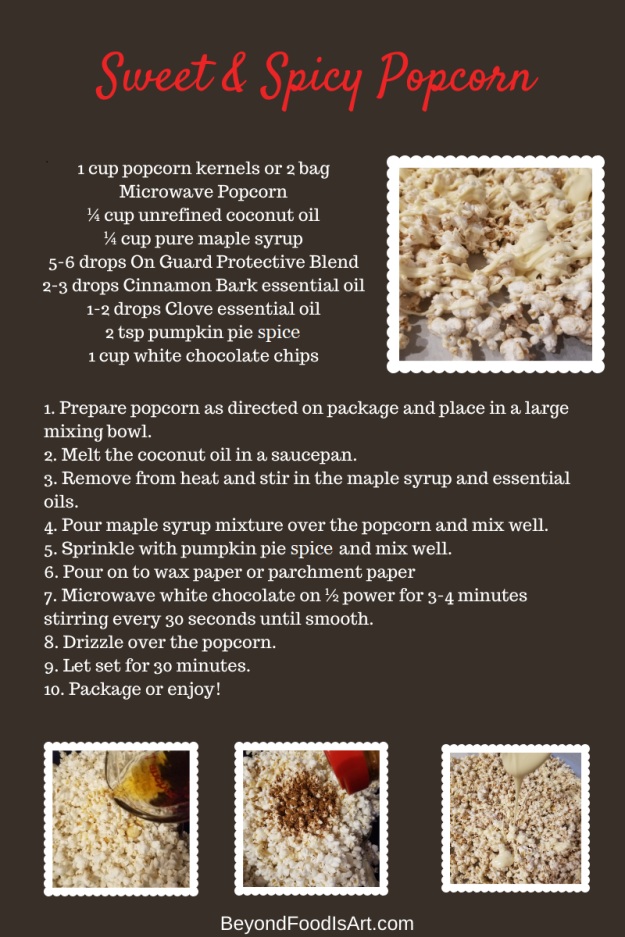
doTERRA On Guard® Pumpkin Smoothie

Are you someone who goes crazy for pumpkin-flavored treats as soon as the first day of fall hits? If so, you’ll definitely want to try this essential oil recipe that combines the delectable taste of pumpkin pie with the doTERRA On Guard Protective Blend for the ultimate autumn treat. This doTERRA On Guard Pumpkin Smoothie is a simple way to get your pumpkin fix, while enjoying the immune-supporting benefits of doTERRA On Guard.*

Cinnamon Apple Chips

As you can tell, Cinnamon Bark oil is a favorite for fall essential oil recipes because of its distinct smell and taste that radiates the essence of the season. If you are looking for more ways to use Cinnamon essential oil this fall, try these Cinnamon Apple Chips with doTERRA essential oils. You’ll soon find that this sweet snack offers a guilt-free alternative to a bag of potato chips.

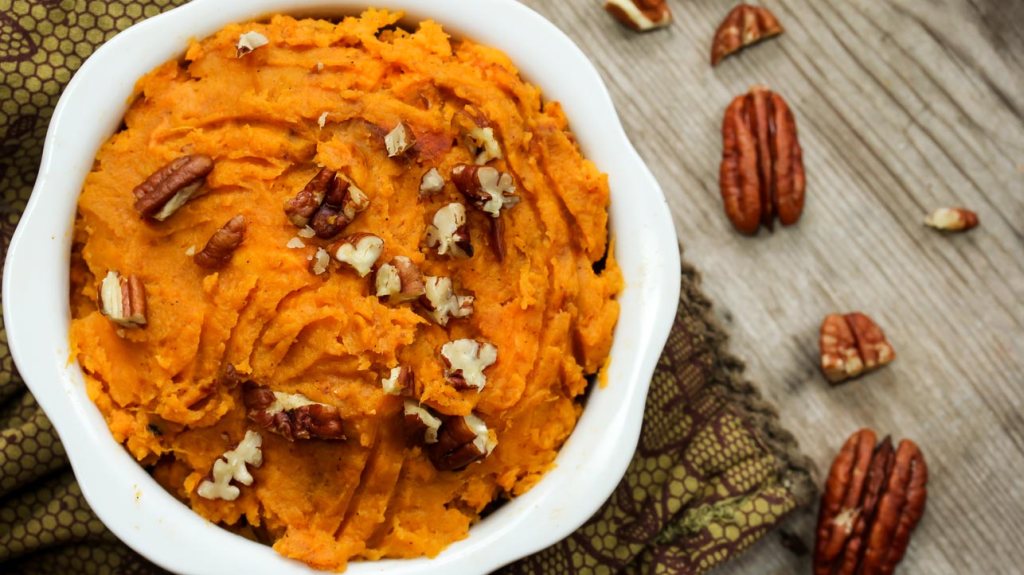
Glazed Spicy Sweet Potatoes

The colors and flavors of fall are in full swing with this essential oil recipe. The perfect companion for ham, turkey, stuffing, or any traditional fall foods, these potatoes offer a sweet and spicy flavor that pairs well with anything savory. Using Cinnamon Bark and Ginger oil, these Glazed Spicey Sweet Potatoes provide a hearty, filling side dish for any autumn meal that everyone at the table is sure to love.

Ingredients:

  • 4 tablespoons butter, melted
  • 4 tablespoons honey
  • Juice of 1 lime
  • 2 teaspoons ground allspice
  • 8 drops doTERRA Cinnamon Bark essential oil
  • 5 drops doTERRA Ginger essential oil
  • 2 pounds orange-fleshed sweet potatoes, peeled and cut into ½-inch thick slices Kosher salt and freshly ground black pepper to taste
  • Fresh thyme sprigs for garnish (optional)

Instructions:

  1. Place ¼ cup of cream into small bowl, sprinkle with gelatin. Let stand to soften (about 10 minutes).
  2. While gelatin is softening, pour remaining cream and ½-cup sugar into a 2-quart saucepan; place over medium heat. Stir until sugar is dissolved. Pour into a large bowl.
  3. Add yogurt, softened gelatin/cream mixture, and Wild Orange oil; whisk until well blended and smooth.
  4. Divide between 8 martini or juice glasses and chill for several hours or overnight, until set.
  5. Once panna cotta is set, place ¼ cup of orange juice in small dish and sprinkle unflavored gelatin over the top.
  6. Set aside to soften for about 5 minutes.
  7. Heat remaining orange juice in a microwave safe dish until it begins to simmer, about 45–60 seconds.
  8. Scrape softened gelatin mixture into hot orange juice and stir until gelatin is dissolved. Set aside to cool at room temperature; divide between each of the panna cotta glasses to create an even layer on top.
  9. Refrigerate until orange gelee is set.

Roasted Butternut Squash Soup

Take advantage of fall produce with this delicious soup. Filled with vegetables and rich seasoning from Rosemary, Spanish Sage, and Black Pepper essential oils, you’ll not only love the taste, but the smell it brings into your home too.

Ingredients:

  • 3-pound butternut squash
  • Olive oil 1 large yellow onion
  • 1 large carrot
  • 1 teaspoon minced garlic
  • 1 tablespoon maple syrup
  • 1 teaspoon salt
  • Rosemary essential oil
  • Ginger essential oil
  • Spanish Sage essential oil
  • Black Pepper essential oil
  • 4 cups vegetable broth
  • ½ cup heavy cream
  • Garnish: Sour cream and roasted squash seeds

Instructions:

  1. Preheat the oven to 400°F.
  2. Slice the squash in half lengthwise and remove its seeds and membrane.
  3. Place the squash on a baking dish—cut side facing up—brush with olive oil, sprinkle with salt, and roast for 30 minutes.
  4. Remove the outer layers of the onion and quarter. Clean and rough chop the carrot, setting aside.
  5. After the squash has roasted, brush the onion and carrot with olive oil and place in the baking dish with the squash. Continue cooking for 20 minutes. (If the squash needs to be cooked more, remove the onion and carrot and return the squash into the oven until tender. Take out of the oven and let cool.)
  6. Scoop out the squash flesh and transfer to a blender along with the onion, carrot, and minced garlic, blending on high until smooth. Pour the mixture into a stock pot and slowly incorporate the maple syrup, vegetable broth, heavy cream, and salt. Simmer over medium heat.
  7. Add one drop of Ginger and Black Pepper essential oils.
  8. Dip two toothpicks into your bottles of Rosemary and Spanish Sage and insert the toothpicks into the soup, stirring.
  9. Add additional essential oils and salt to taste. Caution: A little essential oil goes a long way, especially with recipes. Add deliberately.
  10. Pour the soup into bowls and top with roasted squash seeds and sour cream.

Mini Pumpkin Pies

Ingredients

  • 2 cups pureed pumpkin
  • 1 large egg
  • ¼ cup egg whites
  • ½ cup milk of choice
  • 3 teaspoon melted butter or coconut oil
  • ⅓ cup brown sugar or honey
  • 2 tablespoons vanilla extract
  • ¼ teaspoon ground nutmeg
  • 2 drops Clove oil
  • 2 drops Ginger oil
  • 3 drops Cassia or Cinnamon Bark oil
  • 1 uncooked pie crust

Instructions

  1. Preheat oven to 350° F.
  2. Take pie crust and cut out circles to fit inside greased muffin tin. Don’t roll the dough out too thin or else the pie will fall apart after its cooked.
  3. In a blender or food processor, blend all ingredients until smooth.
  4. Evenly divide the pie filling into pie crust.
  5. Bake for 30–45 minutes or until crust lightly browns and when a toothpick inserted into the pies come out clean.
  6. Let sit for 10 minutes, or until cool. Gently remove from pan and refrigerate.

Tip: If you want to make a whole pie rather than mini pies, this recipe will make one medium sized pie.

Peppermint Chocolates

Submitted by: Mandi Felici, Virginia

Ingredients

1 ½ cup organic coconut oil

¼ cup raw honey

3 drops Peppermint oil

1 cup dark or semi-sweet chocolate chips

1 candy cane, crushed

Instructions

  1. Whip solid coconut oil, raw honey, and Peppermint essential oil together with hand mixer. The whipped filling should be white and fluffy when complete.
  2. Refrigerate whipped filling for about five minutes.
  3. Use a small scoop or measuring spoon to make small mounds of mint filling. Press down with spoon or finger to make a flat shape.
  4. Place each piece on sheet of parchment paper on top of cookie sheet. Return mints to freezer until ready to coat with chocolate.
  5. In small saucepan or double boiler, gently melt chocolate chips over low heat.
  6. Take mints out of freezer. Use fork to dip each piece in melted chocolate. Place on top of cooling rack.
  7. For holiday fun, sprinkle with crushed candy cane immediately after coating.
  8. Put chocolates back in freezer to cool until hardened. Serve chocolates immediately or store in refrigerator until you are ready to eat them.

Tip: Use a cool spoon to shape whipped filling to reduce sticking. 

Cinnamon Apple Cake

Enjoy this vegan apple cake with breakfast or as a dessert.  This healthy alternative to traditional sugary teacakes has a nice autumn flavor and goes well with a warm mug of apple cider. 

Ingredients

  • 1 ½ cups all purpose flour
  • 2 ½ teaspoons baking powder
  • ¾ cup raw sugar
  • ½ cup olive oil
  • ½ cup orange juice
  • ½ cup walnuts
  • 2 small apples, grated
  • 1 tablespoon ground cinnamon
  • 1 drop Cinnamon Bark oil

Instructions

  1. Preheat oven to 350° F. Lightly coat cake tin with olive oil.
  2. Juice orange in bowl and set aside.
  3. In a separate bowl, mix together flour, ground cinnamon, and baking powder. Set aside.
  4. Grate the apples. Set aside.
  5. In a large bowl, add sugar, olive oil, and Cinnamon Bark oil. Mix together using a handheld or free-standing mixer.
  6. Add the flour mix and the orange juice to a bowl with sugar and oil alternatively and keep mixing.
  7. Add the apples and the walnuts and fold in gently with a spoon until just combined.
  8. Pour the mixture into baking dish and bake for 45 minutes (or until a toothpick can be inserted and removed clean). Slice and enjoy.

Tip: The mixture will look a little dry until after the apples are added. This cake is best right out of the oven, but is good for a week.


Spiced Apple Crisp

Wild Orange Fruit Dip and OnGuard Apples

Chocolate Pumpkin Fudge

Pumpkin Butterscotch Streusel Muffins

Star Anise Wild Orange Shortbread Cookies

Easy Peppermint Bark

Chocolate Orange Cheese Ball

Gluten Free Pumpkin Cheesecake

Chocolate SuperMint Christmas Crunch 

Compound Butter with Essential Oils

Easy Pumpkin Chocolate Chip Cookies

Pumpkin Squares

Sweet Potato Casserole

Italian Bread Dip

doTERRA Favorite Essential Oil Recipes for Fall

Using Spice Oils

*These statements have not been evaluated by the Food and Drug Administration. This product is not intended to diagnose, treat, cure, or prevent any disease.

Healing Journey, Making a Difference, Self-Discovery

Cultivating Gratitude in November — And Beyond

The crisp November air holds a subtle invitation: to pause, inhale deeply, and turn the gaze inward with a heartfelt “thank you.” I am grateful for those who trust me as their mentor, Essential Oil Coach, and Emotion Code, Body Code, and Belief Code Practitioner. I am thankful to those who follow me on the various platforms and hope you find value in what I share. Thank you for joining me on this journey.

As the golden leaves shift into quiet rest, so too can we shift from doing to being grateful. For many years I’ve taken this month to share one daily gratitude post on social media—and this year I’m inviting you to join me. Let’s explore why this matters: the science of gratitude, how it influences our health, and how simple daily practice can ripple into our wellbeing and community.


Why Gratitude Matters: The Research Story

Gratitude is more than a feel-good notion. In psychological science it’s defined as “the appreciation of what is valuable and meaningful to oneself; a general state of thankfulness and/or appreciation” (Wood, Joseph, Lloyd, & Atkins, 2009).

Here are several evidence-based benefits:

1. Mental & Emotional Wellbeing

  • Gratitude correlates with greater happiness, more positive emotions, and improved life satisfaction (Harvard Health, 2021).
  • A meta-analysis of 64 randomized trials found gratitude interventions led to significant improvements in mental health: fewer symptoms of anxiety (−7.8 %) and depression (−6.9 %) (Jans-Beken et al., 2022).
  • Gratitude writing specifically (vs. general expressive writing) decreased stress and negative affect in a one-month follow-up (Schanche et al., 2020).

2. Physical Health & Sleep

  • Gratitude is associated with better sleep quality, reduced fatigue, fewer physical symptoms, and improved cardiovascular markers (Harvard Health, 2024).
  • Individuals with higher dispositional gratitude report greater vitality, less anxiety, and better self-rated physical health (Hill & Roberts, 2011).

3. Brain, Body, and Neural Pathways

  • Neuroscientific work shows gratitude activates brain regions tied to reward, social bonding, and emotional regulation (Fox et al., 2015).
  • Gratitude journaling helps “rewire” the brain—shifting attention toward noticing positives and strengthening social connections (The Resilience Project, 2023).

4. Relationships & Community

  • Gratitude strengthens social ties. Expressing thanks signals that we’ve received value from someone else, fostering trust, connection, and prosocial behavior (Greater Good Science Center, 2016).
  • The ripple extends beyond the individual; by nurturing gratitude, we also nurture environments of appreciation, kindness, and resilience.

How This Matters for You — And for Us Together

As I share my daily “gratitude” posts throughout November with you, here’s what I’m inviting—and what you might discover:

  • Resilience under pressure. Life brings stress, uncertainty, pain—yet research shows gratitude buffers against anxiety, depressive symptoms, and even lowers physical complaints.
  • Foundational self-care. While we often think of self-care as what we do (exercise, essential oils, sleep routines), gratitude is what we become—an orientation, a noticing.
  • Embodied payoff. Better sleep, less fatigue, improved mood—these aren’t extras; they’re foundational to showing up fully in your life, relationships, and purpose.
  • Shared transformation. When you join the daily gratitude practice with me, we create a collective momentum—a shared shift toward noticing, naming, and appreciating the good. That communal energy amplifies the individual benefits.

How to Participate: A Simple Framework

Here’s how you can join in this year’s November gratitude journey—with flexibility built in so it fits you.

  1. Download your free Gratitude Journal. (below)
    Begin by downloading my Beyond Possibilities Gratitude Journal, designed to guide your daily reflections and deepen your awareness of what’s good in your life. It includes space for 3–10 daily gratitude entries, inspiring prompts, and weekly reflection pages. (Download link coming soon!)
  2. Choose your medium.
    Whether it’s your downloaded journal, a digital notes app, or a social-media post—pick the format you’ll stick with.
  3. Keep it manageable.
    Research suggests that recording 3 to 10 items per day tends to produce optimal benefits (more than 10 may dilute impact).
    • For example: “I’m grateful today for…” followed by 3–5 things.
    • You may also pick a theme of the day (health, connection, nature, small joys, acts of kindness).
  4. Be honest & intentional.
    Gratitude doesn’t mean ignoring challenges—it means also noticing what’s good despite them. Authenticity matters more than perfection.
    • A suggested prompt: “What happened today that I might normally overlook—and how did it matter?”
    • Another: “Who made a difference for me today—and how can I thank them?”
  5. Share the ripple.
    Post what you’re grateful for on my daily gratitude post—either on LinkedIn or Facebook.
    Join the conversation, celebrate others’ moments of gratitude, and invite friends or family to participate.
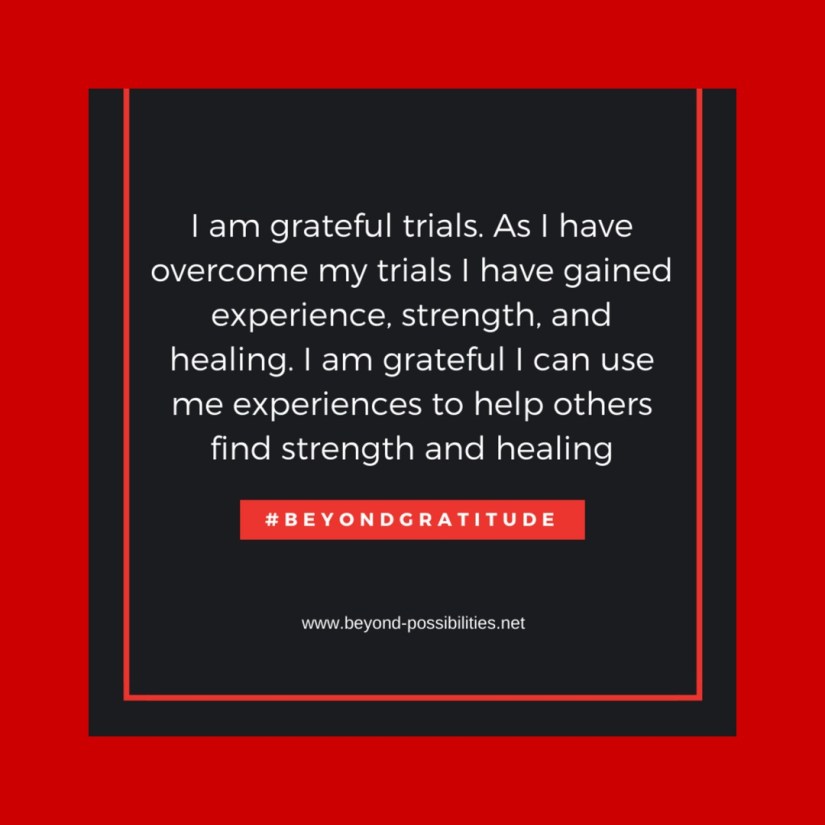
    Or share on your own social media with the hashtag #BeyondGratitude to connect our growing community of thankfulness.
  6. Reflect weekly.
    At the end of each week in November, look back—What patterns emerge? What small things became big? What surprised you? This reflective pause deepens your practice and anchors your learning.

Why This Year Feels Especially Right

Given the fullness of our lives—with our personal healing journeys, essential-oil routines, emotional body work, stress-management, and self-care practices—layering in a gratitude practice is like adding a powerful support beam under the rest of the structure. It doesn’t replace anything you’re doing; it helps everything you do work better.
Plus, once gratitude becomes a habit, its benefits persist and compound over time.


In Closing

I invite you to step into November together—each day noticing something you are grateful for, sharing it if you choose, and inviting others into the circle. Let’s watch how small moments of thanks can build into greater resilience, deeper joy, stronger relationships, and more vibrant health.

With heartfelt thanks for you—for showing up, for choosing healing, for being part of this community. Here’s to a month of gratitude, connection, and transformation.


References

Emmons, R. A., & McCullough, M. E. (2003). Counting blessings versus burdens: An experimental investigation of gratitude and subjective well-being in daily life. Journal of Personality and Social Psychology, 84(2), 377–389.
Fox, G. R., Kaplan, J., Damasio, H., & Damasio, A. (2015). Neural correlates of gratitude. Frontiers in Psychology, 6(1491). https://doi.org/10.3389/fpsyg.2015.01491
Greater Good Science Center. (2016). How gratitude changes you and your brain. https://greatergood.berkeley.edu/article/item/how_gratitude_changes_you_and_your_brain
Harvard Health. (2021). Giving thanks can make you happier. https://www.health.harvard.edu/healthbeat/giving-thanks-can-make-you-happier
Harvard Health. (2024). Gratitude enhances health, brings happiness — and may even lengthen lives. https://www.health.harvard.edu/blog/gratitude-enhances-health-brings-happiness-and-may-even-lengthen-lives-202409113071
Hill, P. L., & Roberts, B. W. (2011). Examining the pathways between gratitude and self-rated physical health. Psychology & Health, 26(9), 1057–1072. https://pmc.ncbi.nlm.nih.gov/articles/PMC3489271/
Jans-Beken, L., et al. (2022). The effects of gratitude interventions: A systematic review and meta-analysis. Frontiers in Psychology. https://pmc.ncbi.nlm.nih.gov/articles/PMC10393216/
Schanche, E., et al. (2020). A brief gratitude writing intervention decreased stress and negative affect. Frontiers in Psychology. https://pmc.ncbi.nlm.nih.gov/articles/PMC8867461/
The Resilience Project. (2023). Gratitude and the benefits of journaling. https://theresilienceproject.com.au/at-home/wellbeing-hub/gratitude-and-the-benefits-of-journaling/
Wood, A. M., Joseph, S., Lloyd, J., & Atkins, S. (2009). Gratitude influences sleep through the mechanism of pre-sleep cognitions. Journal of Psychosomatic Research, 66(1), 43-48.

Essential Oils, Health

A Balanced Look at the 90-Day Reset

What It Promises — and What the Science Says

We explore wellness with curiosity, depth, and a commitment to truth here. Wellness isn’t about hype — it’s about harmony. So, when a new wellness plan captures attention, we look beneath the surface.

Today, we’re diving into doTERRA’s 90-Day Reset — what it includes, how it works, and how it aligns (or doesn’t) with research-based wellness principles.

A great place to start is the Lifestyle Assessment.


🌿 What Is the 90-Day Reset?

The 90-Day Reset is a structured, three-month wellness journey created by doTERRA to support the body’s natural cleansing systems through nutrition, supplementation, essential oils, and mindful living.

The program unfolds in three intentional phases — each designed to build on the last.

Month 1 — Prepare

The first month focuses on priming the body’s natural detox pathways, fueling cells with nutrients, and gently beginning the bodies drainage support.

Here are the products you’ll need and why you’ll need them:

  • VMG+®: Whole-food vitamins and minerals fuel detox enzymes (for example, B vitamins for methylation and zinc for liver enzyme activation) and replenish daily nutrient gaps.* With liposomal delivery and essential oil synergy, VMG+ enhances how nutrients are absorbed, transported, and retained in the body.
  • EO Mega®+: Omega-3s are incorporated into cell membranes, which improve fluidity and communication and support a healthy inflammatory response, reducing the burden on detox pathways.* With the inclusion of Wild Orange essential oil in EO Mega+, which is high in the natural chemical constituent limonene, we saw a decrease in both diastolic blood pressure and resting heart rate in clinical trials.
  • doTERRA PB Restore®: This pre-, pro-, and postbiotics supplement supports gut lining integrity, balances immune function, and prepares your microbiome for deep detoxification.*
  • MetaPWR® Mito2Max®: The MetaPWR Mito2Max formula of standardized plant extracts and metabolic cofactors supports healthy cellular energy production.* Research suggests its ingredients may improve stamina, decrease fatigue, and support metabolic performance.*
  • RevitaZen+™ Complex: RevitaZen+ includes RevitaZen™ Detoxification Blend, which provides synergistic essential oil cofactors for system-wide detoxification. Emerging preclinical research suggests the oils within this blend work with your body—supporting the liver, kidney, and colon—aiding its natural detoxification processes when ingested.*
    Ingredients include:
    • Cocrystal Silybin (Milk Thistle): Offers superior liver protection and antioxidant support, according to preclinical research.*
    • Artichoke Leaf Extract: Enhances bile production and digestive function.*
    • Black Cumin Seed Oil (3% Thymoquinone): Provides potent antioxidant support and immune modulation, according to preclinical research.*
    • Cumin Essential Oil: Supports healthy lipid metabolism and gut function, according to preclinical research.*

Month 2 — Cleanse

This phase aims to rebalance gut flora and clear what no longer serves your system.

Here are the products you’ll need and why you’ll need them:

  • Continue with VMG+EO Mega+doTERRA PB Restore, and RevitaZen+.
  • doTERRA TerraZyme™: Broad-spectrum digestive enzymes reduce undigested food residues that can feed harmful microbes and stress gut lining, freeing up internal enzyme production for detoxification processes.*
  • GX Assist®: This supplement combines essential oils (Oregano, Tea Tree, Lemon, Lemongrass, Peppermint, and Thyme) with caprylic acid to create an environment unfavorable to harmful gut microbes and biofilms, clearing space for beneficial strains.*
  • DDR Prime® Cellular Complex: This essential oil blend (Frankincense, Thyme, Clove, Wild Orange, Summer Savory, Niaouli, and Lemongrass) supports healthy inflammatory response, DNA protection, and cellular renewal pathways while toxins are mobilized.*
  • RevitaZen Detoxification Blend: The essential oils in this blend—Tangerine, Rosemary, Geranium, Ginger, Juniper Berry and Cilantro—work synergistically to stimulate liver enzymes, improve circulation, and aid toxin mobilization.*

Month 3 — Renew

Here, the goal is restoration — rebuilding resilience and nourishing the body at the cellular level.

Here are the products you’ll need and why you’ll need them:

  • Continue with VMG+EO Mega+doTERRA PB Restore, and DDR Prime Cellular Complex.
  • MetaPWR Advantage: When combined with healthy lifestyle choices, taking MetaPWR Advantage once a day can help fortify your metabolic health.* It provides collagen peptides, NMN, NADH, and marine minerals to support mitochondrial renewal, connective tissue repair, skin integrity, and healthy aging.*

“A comprehensive approach combining daily foundational wellness with targeted detox tools … supporting the body’s natural cleansing processes — without harsh or extreme detox methods.”
doTERRA, The 90-Day Reset

The plan also emphasizes key lifestyle practices: hydration, movement, colorful whole foods, restful sleep, and mindfulness. These habits are the true anchors of sustainable wellness.


🔬 How Does This Fit into the Science of Detox?

Detox Myths and What the Research Shows

Science takes a cautious view of commercial “detox” programs.

The National Center for Complementary and Integrative Health (NCCIH) notes that there is “no compelling research to support the use of ‘detox’ diets for weight management or eliminating toxins from the body” (NCCIH, 2015).

A review by Klein and Kiat (2015) came to a similar conclusion — finding very little high-quality evidence that detox diets work as advertised.

Harvard Health Publishing adds, “There’s a stark contrast between powerful claims made by those promoting various cleanses and the scant evidence that they do anything good for your health” (Shmerling, 2020).

In one small clinical study, a four-week dietary intervention did show reductions in certain trace elements in hair samples — but the calorie-restricted diet alone had greater weight-loss effects, and the authors emphasized the limitations of the research (Jung et al., 2020).


What This Means for the 90-Day Reset

From a research perspective, the 90-Day Reset blends evidence-supported habits (like nutrition, exercise, hydration, and sleep) with products that target cellular health and gut balance.

While claims about “cleansing toxins” are not strongly supported by large-scale trials, the lifestyle structure of the Reset reflects principles that science consistently supports: whole foods, movement, mindfulness, and rest.

When you nourish your body and align your habits, your system naturally does what it was designed to do — heal, restore, and thrive.


💪 Strengths of the 90-Day Reset

  • Structured and Sustainable: The gradual, three-month pacing supports real lifestyle change — not a crash cleanse (doTERRA, n.d.).
  • Focus on Foundational Wellness: Hydration, movement, nutrient-dense foods, and rest all align with proven wellness practices.
  • Holistic Design: By combining supplements, nutrition, and lifestyle, the plan supports both physical and emotional renewal.

✨ Is the 90-Day Reset Right for You?

If you’re exploring this path, consider it a reset for habits, not just for health.

Here are a few gentle guideposts:

  • Set Realistic Goals. Focus on how you feel — energy, digestion, sleep, clarity — not just numbers on a scale.
  • Prioritize Lifestyle. Nutrition, movement, hydration, and sleep are your most powerful detox tools.
  • Consult Your Provider. Especially if you’re pregnant, nursing, or managing health conditions.
  • Listen to Your Body. The best feedback comes from within — how you feel day to day matters most.
  • See It as a Catalyst. Let this 90-day journey spark lasting change, rather than a temporary fix.

🌱 Final Thoughts

The doTERRA 90-Day Reset offers a thoughtful framework for rebooting wellness — combining structure, support, and intention. Its focus on whole foods, hydration, sleep, and mindful movement aligns with solid health research.

However, it’s wise to remember that the body already comes equipped with powerful detox systems — the liver, kidneys, lungs, and skin do this work daily (NCCIH, 2015; Shmerling, 2020).

So instead of chasing a “cleanse,” think of the Reset as an invitation:
to tune in, slow down, nourish deeply, and reset not just your body — but your mindset toward lasting vitality.


📚 References

doTERRA. (n.d.). The 90-Day Reset. https://www.doterra.com/US/en/90-day-reset?OwnerID=601934

Jung, S.-J., Kim, W.-L., Park, B.-H., Lee, S.-O., & Chae, S.-W. (2020). Effect of toxic trace element detoxification, body fat reduction following four-week intake of the Wellnessup diet: A three-arm, randomized clinical trial. Nutrition & Metabolism, 17, Article 47. https://doi.org/10.1186/s12986-020-00465-9

Klein, A. V., & Kiat, H. (2015). Detox diets for toxin elimination and weight management: A critical review of the evidence. Journal of Human Nutrition and Dietetics, 28(6), 675-686. https://doi.org/10.1111/jhn.12286

National Center for Complementary and Integrative Health. (2015). “Detoxes” and “cleanses”: What you need to know. https://www.nccih.nih.gov/health/detoxes-and-cleanses-what-you-need-to-know


*These statements have not been evaluated by the Food and Drug Administration. This product is not intended to diagnose, treat, cure, or prevent any disease.

Updated 30-day Cleanse and Restore