Blog

Energy Healing, Healing Journey, Health, Self-Discovery

Movement and Emotion: The Science of Feeling Through Motion

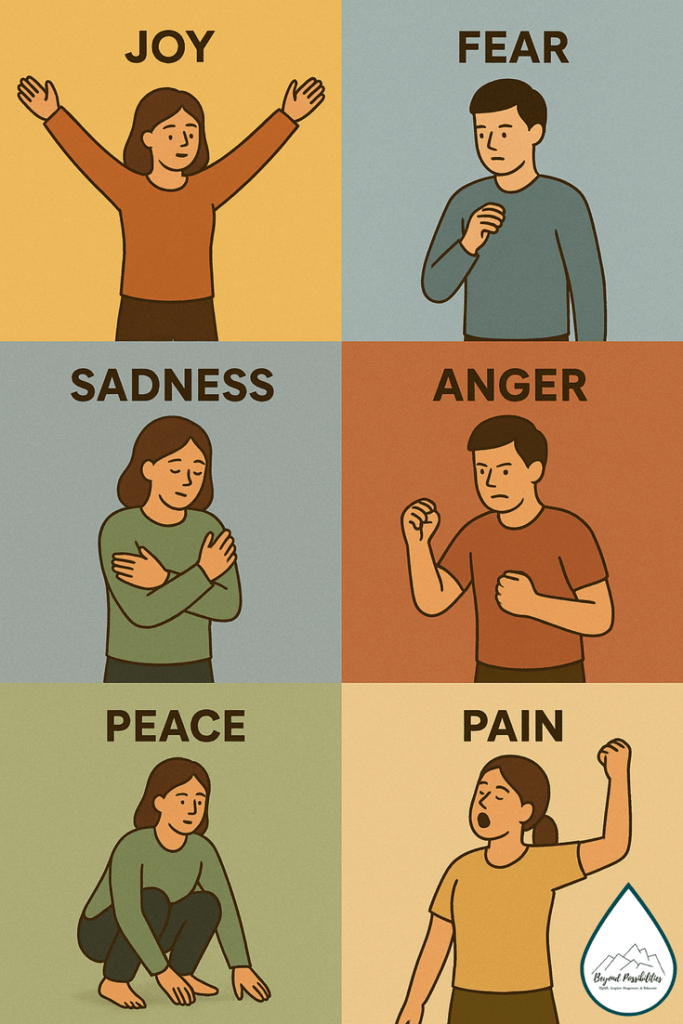
Have you ever noticed how your body naturally moves with your emotions? You bounce when you’re happy, curl in when you’re sad, or tense your shoulders when you’re stressed. These patterns aren’t random — they reflect how the brain and body communicate through posture, physiology, and feeling. Research confirms what movement and healing traditions have long understood: movement changes emotion, and emotion changes movement.

Now, before I go too deep, you don’t have to overthink it. You can work through your emotions by simply putting on your favorite music and letting your body move to the music naturally. I also love doing AromaDance or Mindful Movement to move through my emotions.

The Somatic Basis of Emotion

Emotions aren’t only “in your head.” They’re embodied experiences involving the autonomic nervous system (ANS), muscle tone, breath, and interoception — our inner sense of how our body feels. When emotions are safely expressed through movement, the body can complete its stress cycle and return to balance. Movement therapies and somatic practices (e.g., gentle stretching, dance/movement therapy, rhythmic motion) have demonstrated reductions in cortisol, enhanced emotional regulation, and improvements in psychological well-being (Koch, Morlinghaus, & Fuchs, 2019; Wu, Li, & Zhang, 2023).


Joy: Expand, Express, Energize

Open-arm reach / chest opening
Expanding posture (arms wide, chest lifted) increases lung volume, influences the balance of sympathetic and parasympathetic tone, and signals openness and approach behavior — postures correlated with higher positive affect (e.g. expanded posture studies).

Light bounce / small hops
Gentle vertical bouncing raises endorphins and dopamine and stimulates spinal and vestibular systems for autonomic regulation.

Playful skipping / side-step
Rhythmic side-to-side locomotion with arm swing boosts mood, supports motor coordination, and taps into play systems.

Wiggle / spontaneous dance
Free, irregular movement (hips, torso, shoulders) enhances body awareness (interoception), modulates autonomic tone, and can increase positive affect (Koch et al., 2019).

Shake / tremor (gentle, spontaneous)
Small tremors or shakes help discharge stored motor tension and reduce autonomic hyperarousal, as in trauma-release (TRE) approaches.

Roll (gentle floor roll → stand)
Rolling shifts vestibular input and proprioceptive orientation, helping interrupt stuck tension patterns and inviting fluidity in the body.


Fear & Anxiety: Grounding, Soothing, Calming

Tap / hum
Gentle tapping or humming engages vagal pathways (via vibration) and supports parasympathetic activation, helping calm high arousal states.

Squeeze / hold (self-hug)
Applying gentle compression through a self-hug or forearm hold reduces cortisol and signals safety through proprioceptive feedback.

Sway / reach
Slow pendular motion with gentle arm reach soothes the vestibular system and offers predictable sensory input, helping regulate hyperarousal.


Sadness / Grief / Shame: Nurturing, Soothing, Softening

Brush / self-hug (gentle stroking)
Slow, affective touch activates C-tactile afferents associated with oxytocin release and supports calming networks.

Rock / squeeze (gentle rocking)
Rocking or gentle compressive movement engages vestibular regulatory systems, offering a soothing rhythm and containment for emotional processing.


Anger / Frustration: Safe Release, Grounding Power

Tense → release (clench / relax)
Voluntary muscle contraction followed by release modulates muscle spindle activity and helps the nervous system downregulate from tension.

Stomp / ground (foot strike)
Energetic foot strikes provide strong proprioceptive feedback and anchor excess energy into the ground, giving a sense of boundary.

Slam / push (controlled directional force)
Using controlled push or strike against a safe surface (e.g., wall, pillow) enables expression of force while reducing internal pressure and reactivity.


Peace / Calm / Confidence: Stabilizing & Centering

Ground / connect (rooted stance)
Soft squats, weight awareness in feet/ankles, and slow shifts help reestablish bodily stability and downregulate sympathetic tone.

Rest / restorative posture
Lying down with deep, diaphragmatic breathing stimulates the vagus nerve and promotes parasympathetic recovery.

Center / mindful micro-movement
Very gentle motions (neck rolls, shoulder circles) enhance interoceptive clarity and soothe the system, supporting self-regulation.


Pain / Fatigue / Recovery: Soothing, Flowing, Releasing

Settle / breathe (long exhale + micro shifts)
Slow, extended exhales paired with small posture adjustments relieve muscle guarding and support relaxation.

Ground / connect (light motion)
Gentle walking or standing awareness improves circulation and sensory grounding — beneficial for fatigue and mild pain.

Stretch / yawn / gentle mobilization
Stretching or yawning modulates muscle spindle feedback and encourages relaxation and renewed energy.


Why Somatic Movement Works

  • Interoception & emotional regulation: Improving body awareness strengthens emotion regulation capacity.
  • Rhythm & vestibular input: Repetitive movements (sway, rock, bounce) help regulate the autonomic nervous system.
  • Vocal + breath stimulation: Humming, sighing, and extended exhalation activate vagal pathways.
  • Free movement & dance: Encourages fluidity, creativity, and improved affect regulation (Koch et al., 2019; Wu et al., 2023).

Final Thoughts

Our feelings naturally manifest in the body. By intentionally choosing movement that mirrors or completes those expressions, we can help the body return to balance. Whether it’s a joyful stretch, a grounding stomp, or a slow restorative breath, each movement is a doorway to recalibration and liberation.


References

Dreisörner, A., & Junker, N. M. (2022). Self-soothing touch and being hugged reduce cortisol responses to stress: A randomized controlled trial on stress, physical touch, and social identity. Journal of Psychosomatic Research, 157, 110847. https://doi.org/10.1016/j.jpsychores.2022.110847

Eckstein, M., Kämmerer, D., Knafo, S., & Heinrichs, M. (2020). Calming effects of touch in human, animal, and robotic social interactions. Frontiers in Psychiatry, 11, Article 567. https://www.ncbi.nlm.nih.gov/pmc/articles/PMC7672023/

Koch, S. C., Morlinghaus, K., & Fuchs, T. (2019). Effects of dance/movement therapy and dance on health-related psychological outcomes: A meta-analysis. Frontiers in Psychology, 10, Article 1806. https://www.frontiersin.org/articles/10.3389/fpsyg.2019.01806/full

Lindgren, L. (2012). Emotional and physiological responses to touch massage (Doctoral dissertation, Umeå University). Umeå University Repository. https://www.diva-portal.org/smash/get/diva2%3A568111/fulltext01.pdf

Packheiser, J., et al. (2024). A systematic review and multivariate meta-analysis of touch interventions: Effects on cortisol, pain, anxiety, and more. Nature Human Behaviour. https://www.nature.com/articles/s41562-024-01841-8

Wu, J., Li, Y., & Zhang, T. (2023). Effects of dance movement interventions on psychological health in older adults: A meta-analysis and systematic review. Brain Sciences, 13(7), 981. https://www.mdpi.com/2076-3425/13/7/981

The Human Growth Cycle: Living in a State of Continual Becoming
Family Life Education, Self-Discovery

The Human Growth Cycle: Living in a State of Continual Becoming

Growth isn’t something that stops when we graduate or reach a milestone—it’s a lifelong rhythm that mirrors our natural cycles of expansion, integration, rest, and renewal. Just like the body adapts through training, the mind and spirit also move through seasons of growth, consolidation, and restoration. When we stay open to learning, evolving, and becoming, we honor both our biology and our potential.

The Science of Lifelong Growth

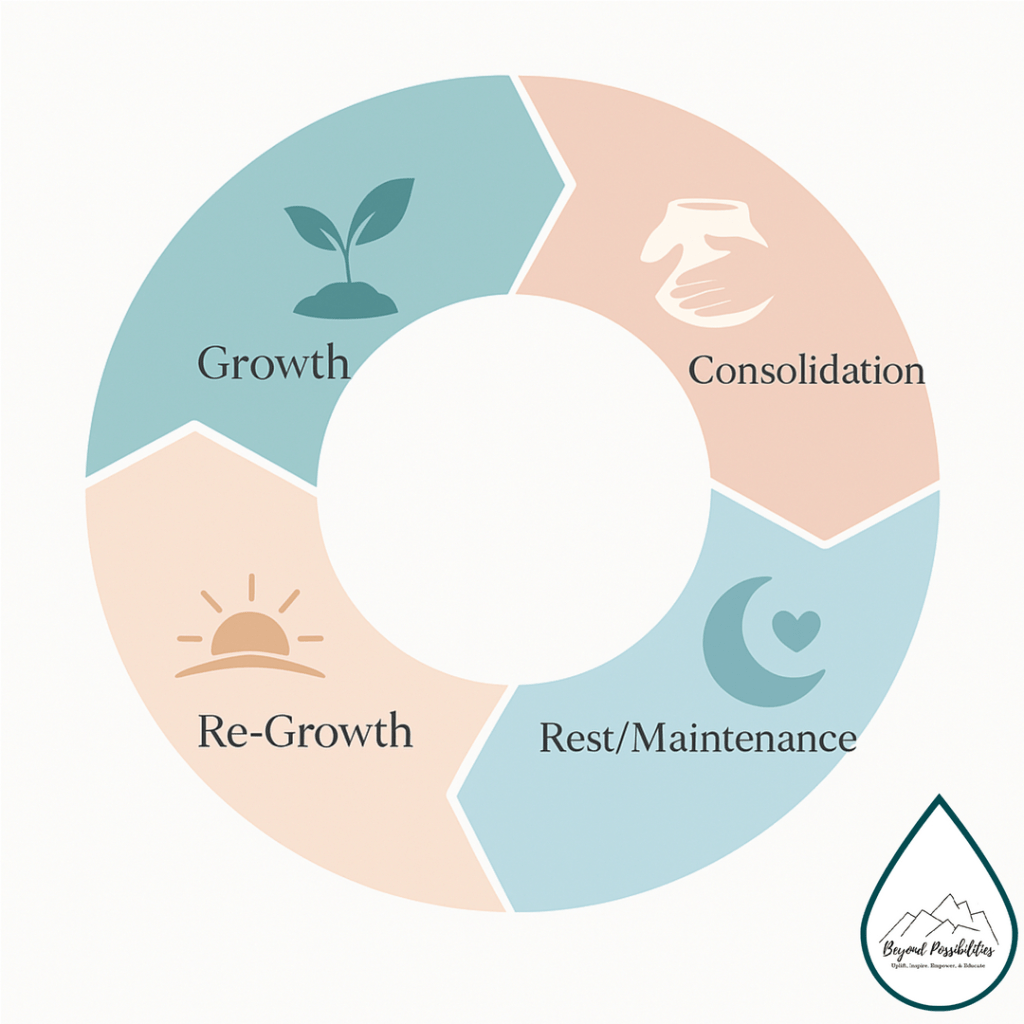
Research in human development and neuroplasticity shows that growth is not a linear path but a cyclical process (Baltes et al., 1980; Diekelmann & Born, 2010). Just as muscles strengthen through challenge and recovery, our minds expand through new learning, reflection, and rest. Each phase prepares us for the next, creating a sustainable rhythm for continual self-development.

This pattern—growth, consolidation, rest, and re-growth—can be seen across the lifespan when we maintain a growth-oriented mindset. Whether we’re learning a new skill, developing emotional intelligence, or pursuing higher education, this rhythm helps us balance ambition with integration and well-being.


Fixed vs. Growth Mindset: The Foundation for Lifelong Learning

Fixed vs Growth Mindset

Psychologist Carol Dweck (2006) describes two primary ways we approach our potential: a fixed mindset and a growth mindset.

  • A fixed mindset believes that abilities, intelligence, or talent are static. People with this mindset often avoid challenges, fear mistakes, and interpret setbacks as signs of inadequacy.
  • A growth mindset, on the other hand, understands that skills and intelligence can be developed with effort, perseverance, and learning. People with a growth mindset view challenges as opportunities and see feedback as a pathway to mastery.

Adopting a growth mindset doesn’t mean we never experience doubt—it means we stay curious and committed through it. For example, as I work toward my Bachelor’s in Human and Family Services, I’ve learned that real growth happens when I’m willing to be a beginner again—to learn, unlearn, and relearn. Each assignment or new theory isn’t just information; it’s an opportunity to stretch how I think, connect, and serve others more deeply.

In short: a fixed mindset seeks to prove itself. A growth mindset seeks to improve itself.


Putting the Science into Practice

Growth Cycle

Growth becomes sustainable when we intentionally cycle through learning, reflection, and renewal. Here’s how to make that rhythm work for you:

Plan a Growth Block:
Start by choosing a clear, measurable goal that stretches you. It could be completing a major course, earning a certification, or building a wellness practice. During this time, dedicate focus and consistency—track your progress and celebrate effort as much as outcome. (Dweck, 2006; Schoenfeld et al., 2019).

Schedule a Consolidation Phase:
After a period of intense focus, shift into integration. Reflect on what you’ve learned and apply it to real-life experiences. For instance, I weave what I’m learning academically into my holistic coaching and educational work. This phase allows the brain to consolidate neural connections and solidify new habits (Diekelmann & Born, 2010; Marzola et al., 2023).

Take a Rest and Maintenance Season:
Prioritize recovery. Protect your sleep, connection, and self-care. This is not “losing momentum”—it’s giving your body and mind time to absorb and adapt. Chronic overextension increases stress load and decreases creativity (McEwen, 1998).

(This is also the area that I need to work on. Recovery, rest, and self-care are not selfish or lazy; they are necessary mentally, intellectually, spiritually, and physically.)

Repeat with Intention:
When your energy renews, begin the next growth cycle with purpose. Continual learning keeps your life vibrant and aligned. Every new goal builds upon the foundation of the last (Baltes et al., 1980).


Your Personal Growth Cycle – Sample Timeline

Living in a State of Becoming

When we embrace a growth mindset, we see every season of life—whether it’s success, stillness, or struggle—as part of an evolving pattern. We’re not meant to stay in constant motion; we’re meant to grow, consolidate, rest, and rise again—wiser, steadier, and more aligned with who we’re becoming.

Continual learning isn’t just an academic goal—it’s a lifestyle of possibility.

I am excited to start applying this new awareness to my life, particularly in the areas of rest and recovery. As part of my next growth block, I am going to dive a little deeper into the Protective and Damaging Effects of Stress Mediators by Bruce S. McEwen, Ph.D. (McEwen, 1998).


References

Baltes, P. B., Reese, H. W., & Lipsitt, L. P. (1980). Life-span developmental psychology. Annual Review of Psychology, 31(1), 65–110. https://doi.org/10.1146/annurev.ps.31.020180.000433

Diekelmann, S., & Born, J. (2010). The memory function of sleep. Nature Reviews Neuroscience, 11(2), 114–126. https://doi.org/10.1038/nrn2762

Dweck, C. S. (2006). Mindset: The new psychology of success. Random House.

Marzola, E., et al. (2023). Neuroplasticity and learning: Integrating memory consolidation and behavioral change. Frontiers in Behavioral Neuroscience, 17, 112–128. https://doi.org/10.3389/fnbeh.2023.1102208

McEwen, B. S. (1998). Protective and damaging effects of stress mediators. New England Journal of Medicine, 338(3), 171–179. https://doi.org/10.1056/NEJM199801153380307

Schoenfeld, B. J., Grgic, J., & Krieger, J. W. (2019). How many times per week should a muscle be trained to maximize muscle hypertrophy? Sports Medicine, 49(7), 1337–1355. https://doi.org/10.1007/s40279-019-01175-1

Essential Oils, Health

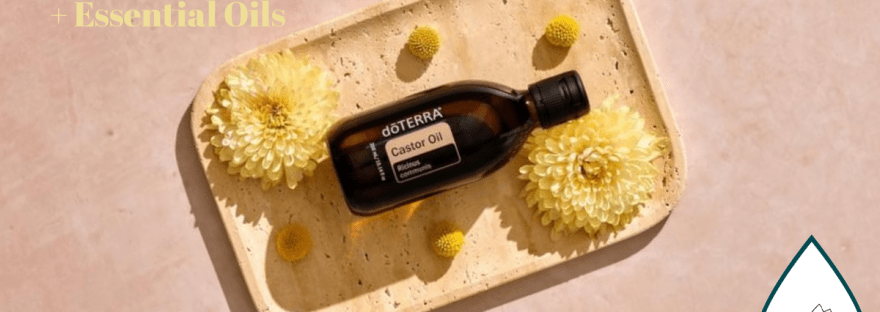
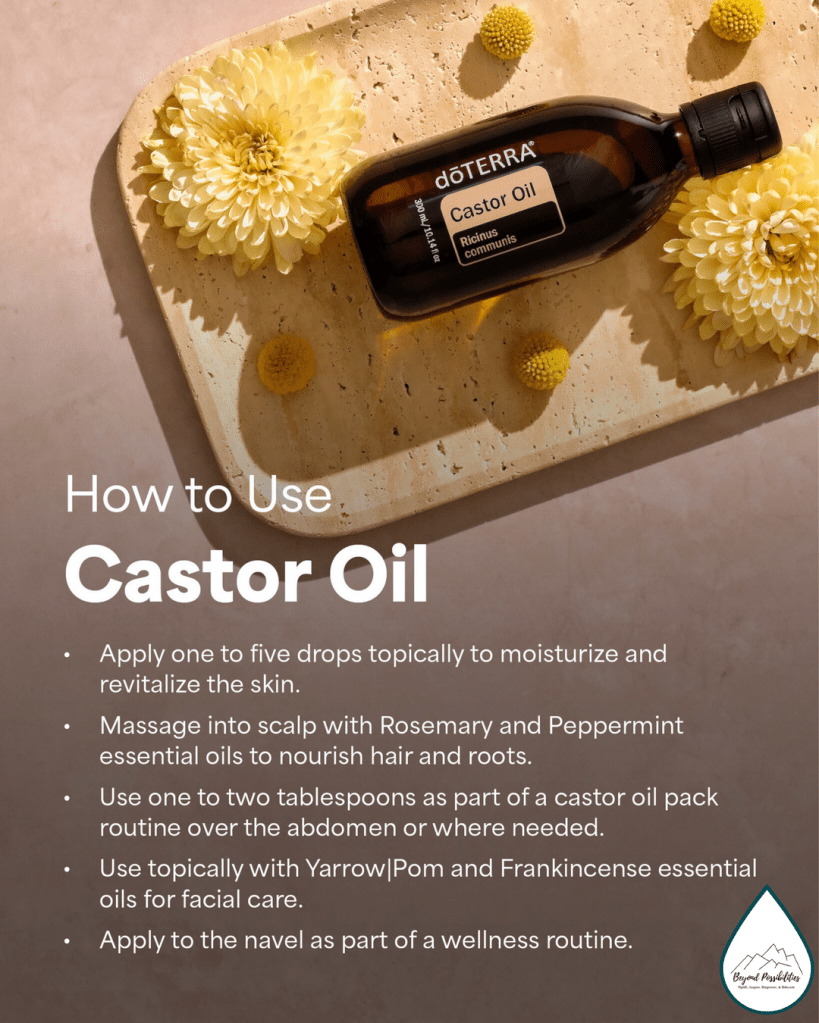
Discover the Gentle Power of Castor Oil + Essential Oils

doTERRA’s new CPTG®, Organic, Hexane-Free Castor Oil brings a time-tested natural ingredient into modern self-care. Grounded research shows its core fatty acid, ricinoleic acid, influences smooth-muscle receptors responsible for castor oil’s traditional laxative use (Tunaru et al., 2012). Topically, it’s a thick, nurturing emollient that seals moisture and slows evaporation of essential oils (CIR Expert Panel, 2007).

Evidence snapshot:
A controlled clinical study in elderly adults demonstrated that abdominal castor oil packs eased constipation discomfort (Arslan & Eser, 2011), while an exploratory dermatology trial found castor oil cream brightened under-eye skin tone (Parvizi et al., 2024). These early data hint at localized benefits, though large-scale trials are still pending.

What about “detox”?
Experts emphasize that castor oil does not remove systemic toxins; the liver and kidneys already perform that task. However, mindful rituals such as gentle abdominal packs may enhance relaxation and circulation — supportive, not curative (MD Anderson, 2023).

Why choose organic and hexane-free?
Cold-press extraction avoids chemical solvents like hexane, aligning with cleaner environmental and consumer-safety practices (Cravotto et al., 2022; EUFIC, 2025). doTERRA’s sourcing ensures a solvent-free, USDA-certified organic product designed for safe topical blending (doTERRA, 2025).

How to use it safely

  • Patch-test every new blend.
  • Apply small amounts — a few drops per area.
  • Use packs two or three times per week at most.
  • Avoid internal use or use during pregnancy unless advised by a clinician (Alookaran, 2024).

Favorite DIY Ideas

  1. Night-Time Skin Treatment — 3 drops Castor Oil + 1 drop Frankincense.
  2. Scalp Support Mask — ½ tsp Castor Oil + ½ tsp Jojoba + Rosemary & Peppermint.
  3. Hormone Comfort Pack — Castor Oil + Clary Sage & Geranium; warm compress 30 min.

“Science gives us confidence; ritual gives us rhythm. Together they create empowered wellness.”


References

Alookaran, J. (2024). Castor Oil. In StatPearls. StatPearls Publishing. https://www.ncbi.nlm.nih.gov/books/NBK557815/

Arslan, G. G., & Eser, I. (2011). An examination of the effect of castor oil packs on constipation in the elderly. Complementary Therapies in Clinical Practice, 17(1), 58–62. https://doi.org/10.1016/j.ctcp.2010.04.004

Cosmetic Ingredient Review Expert Panel. (2007). Final report on the safety assessment of Ricinus communis (castor) seed oil and related ingredients. International Journal of Toxicology, 26(Suppl 3), 31–77. https://doi.org/10.1080/10915810701663150

Cravotto, G., et al. (2022). Towards substitution of hexane as extraction solvent of food products and ingredients with no regrets. Foods, 11(21), 3412. https://doi.org/10.3390/foods11213412

European Food Information Council (EUFIC). (2025, May 5). Is hexane in food a cause for concern? https://www.eufic.org/en/food-production/article/is-hexane-in-food-a-cause-for-concern

MD Anderson Cancer Center. (2023, October 19). What to know about castor oil health claims. https://www.mdanderson.org/cancerwise/what-to-know-about-castor-oil-health-claims.h00-159622590.html

Parvizi, M. M., Saki, N., Samimi, S., Radanfer, R., Shahrizi, M. M., & Zarshenas, M. M. (2024). Efficacy of castor oil cream in treating infraorbital hyperpigmentation: An exploratory single-arm clinical trial. Journal of Cosmetic Dermatology, 23(3), 911–917. https://doi.org/10.1111/jocd.16056

Tunaru, S., Althoff, T. F., Nüsing, R. M., Diener, M., & Offermanns, S. (2012). Castor oil induces laxation and uterus contraction via ricinoleic acid activating prostaglandin EP3 receptors. Proceedings of the National Academy of Sciences of the United States of America, 109(23), 9179–9184. https://doi.org/10.1073/pnas.1201627109

doTERRA. (2025). Meet Castor Oil and 5 Ways to Use Castor Oil. https://www.doterra.com/US/en/blog

Awareness, Word Choice, and Trust in Family Communication
Family Life Education, Self-Discovery

Putting It All Together: Awareness, Word Choice, and Trust in Family Communication

Family communication is often the heartbeat of connection. The words we choose, the tone we use, and even the body language we convey can either build bridges or create distance within our homes. While it’s easy to get swept up in the rush of daily life, learning to pause, reflect, and intentionally communicate can transform how our families relate to one another.

In previous blogs, we’ve explored the foundations of awareness, trust, and word choice in communication. Now, it’s time to put it all together — to take what we’ve learned and use it in real moments with those we love most.


Awareness: The Power of Pausing Before We Speak

Awareness is like turning on a light in a dark room. It helps us see clearly what’s really happening — both within ourselves and in the conversation unfolding before us. When parents recognize their emotional state before speaking, research shows they communicate more calmly, which encourages calmer responses from their children as well (Alejandra & Kataoka, 2017).

Before reacting to a situation — like a teenager missing curfew or a spouse forgetting to follow through — pause and check in with yourself. What emotion is surfacing? What need might be underneath that emotion?

Tools like Mel Robbins’ “5 Second Rule” (counting backward 5-4-3-2-1 before responding) can interrupt reactive thought patterns and help you respond from a place of calm intention. This practice of mindful awareness creates space for empathy to guide our words rather than frustration.


Word Choice: Creating Openness Through Language

Words carry energy. The difference between “Why are you always late?” and “I’m concerned you’re running behind — is there something you need help with?” is the difference between accusation and understanding.

Studies consistently show that positive word choice improves family connection and strengthens relationships over time (Family Strengths: Communication, 2020). Using “I-statements” is one of the simplest and most effective ways to do this. Instead of blaming or labeling, “I-statements” express feelings and needs without placing the other person on the defensive (The Importance of “I-Statements in Relationships,” n.d.).

For example:

“I feel worried when I don’t hear from you. Can we agree that you’ll text when you arrive home?”

That small shift creates collaboration rather than confrontation — and the tone of the conversation shifts from tension to teamwork.


Trust: Built in the Everyday Moments

Trust is not built in grand gestures — it’s built in consistency. Every small, respectful interaction lays a foundation for emotional safety and belonging. Research from Ouyang and Cheung (2023) found that when parents foster trust and model emotional regulation, young adults experience fewer depressive symptoms and stronger family bonds.

Nonverbal cues like tone, posture, and facial expressions often speak louder than words (Winsberg, 2022). When we model openness, children learn that vulnerability is safe. This kind of safety allows our teens and young adults to develop independence while still feeling supported — a balance essential for healthy family dynamics (Busby & Chiu, 2017).

It’s easy to overlook these small daily exchanges, but they are the building blocks of resilient relationships. As one review from Precision Family Therapy (2025) put it, strong communication nurtures empathy, mutual respect, and adaptability — qualities that make families thrive even through challenges.


Putting It Into Practice

Imagine this scenario: your 17-year-old borrowed the car and didn’t text when they got home.

Your instinct might be to say, “You never think about how worried I get!” But instead, you pause. You take a deep breath. You recognize that your reaction comes from fear, not anger.

Then you reframe:

“When I don’t hear from you, I worry because I care about your safety. How can we make a plan that works for both of us?”

This reframe integrates awareness (of your own emotions), word choice (using “I-statements”), and trust (inviting collaboration). The result? Connection instead of conflict.


Growth, Not Perfection

Improving communication is not about mastering perfection — it’s about making consistent, small shifts that ripple through our relationships. Each mindful pause, thoughtful phrase, and intentional act of trust brings us closer together.

As Forever Families (2020) beautifully explains, communication is both a skill and a reflection of love — one that strengthens every time we choose understanding over reaction.

So, take a moment today to reflect:

  • How can you pause more often before responding?
  • What words can you reframe to express care instead of criticism?
  • Where might trust need a little rebuilding — or acknowledgment?

Awareness opens understanding.
Word choice opens dialogue.
And trust opens hearts.


References (APA 7th Edition)

Alejandra, A. M., & Kataoka, S. (2017). Family communication styles and resilience among adolescents. Social Work, 62(3), 261–269. https://doi.org/10.2307/44652409

Busby, D. M., & Hsin-Yao Chiu, L. (2017). Perceived conflict styles of adult children and their parents: What is the connection? Journal of Child and Family Studies, 26(12), 3412–3424. https://doi.org/10.1007/s10826-017-0839-9

Family Strengths: Communication. (2020). Forever Families. https://foreverfamilies.byu.edu/family-strengths-communication

Ouyang, Q., & Cheung, R. Y. M. (2023). Mother–child versus father–child conflict and emerging adults’ depressive symptoms: The role of trust in parents and maladaptive emotional regulation. Journal of Adult Development, 30(2), 145–157. https://doi.org/10.1007/s10804-022-09431-1

Precision Family Therapy. (2025). The role of communication in strengthening family bonds. https://www.precisionfamilytherapy.com/post/the-role-of-communication-in-strengthening-family-bonds

The Importance of “I-Statements” in Relationships. (n.d.). Tony Robbins. https://www.tonyrobbins.com/blog/words-matter-you-vs-i

Winsberg, M. (2022). Speaking in Thumbs. Doubleday.

Building Positive Communication
Family Life Education, Self-Discovery

Building Trust Through Positive Communication: How Word Choice Builds Trust in Families

Good communication is at the heart of every healthy family relationship. In our latest workshop, we explored how the words we choose — especially in moments of stress — can either open a door to connection or close it. Even if you weren’t able to attend, the principles we discussed can help you strengthen your communication at home.

Why Word Choice Matters

Children and adolescents don’t just hear our words — they interpret the tone, structure, and intent behind them (Alejandra & Kataoka, 2017; Zapf et al., 2022). A phrase meant as guidance can sometimes sound like blame. For example:

  • Saying to a teen, “Why can’t you ever remember to text me?” may feel accusatory and lead to withdrawal.
  • Rephrased as, “I feel anxious when I don’t hear from you after school because I care about you. A quick text reassures me you’re safe,” the same concern becomes collaborative and caring.

These subtle shifts make a big difference in whether your child shuts down or leans in. Research shows that positive communication is linked to better family health and well-being (Kang et al., 2019) and can buffer stress for both parents and children (Rosland et al., 2011).

“I-Statements” vs. “You-Statements”

When emotions run high, our phrasing matters.

  • You-statements (e.g., “You never listen!”) point outward and often trigger defensiveness and conflict (Busby & Chiu, 2017).
  • I-statements (e.g., “I feel frustrated when instructions aren’t followed because it creates more work for me”) take ownership of feelings, reduce blame, and make room for dialogue (The Importance of “I-Statements,” n.d.).

Studies show that authentic I-statements help children feel respected, even when they are being corrected, and are associated with greater trust and healthier emotional regulation (Ouyang & Cheung, 2023; Yang et al., 2024). Families that practice open, consistent communication build resilience and stronger bonds (Family Strengths: Communication, 2020).

How to Put This into Practice

  • Pause before reacting. Take a breath and think: Am I about to use a “You-statement”?
  • Reframe with “I.” Center your message on your own feelings and needs, not blame.
  • Model growth. If you slip, rephrase aloud. This shows your children you are working on communication too.
  • Practice together. Try rewriting common household frustrations into I-statements as a family exercise.

The more you practice, the easier it becomes. Over time, your words can become a tool for connection, cooperation, and trust.

📚 References

Alejandra, A. M., & Kataoka, S. (2017). Family communication styles and resilience among adolescents. Social Work, 62(3), 261–269. https://doi.org/10.2307/44652409

Busby, D. M., & Chiu, L. H. (2017). Perceived conflict styles of adult children and their parents: What is the connection? Journal of Child and Family Studies, 26(12), 3412–3424. https://doi.org/10.1007/s10826-017-0839-9

Family Strengths: Communication. (2020). Forever Families. https://foreverfamilies.byu.edu/family-strengths-communication

Kang, S. Y., Lee, J. A., & Kim, Y. S. (2019). Impact of family communications on self-rated health of couples who visited primary care physicians: A cross-sectional analysis of Family Cohort Study in Primary Care. PLOS ONE, 14(3), e0213427. https://doi.org/10.1371/journal.pone.0213427

Ouyang, Q., & Cheung, R. Y. M. (2023). Mother–child versus father–child conflict and emerging adults’ depressive symptoms: The role of trust in parents and maladaptive emotional regulation. Journal of Adult Development, 30(2), 145–157. https://doi.org/10.1007/s10804-022-09431-1

Rosland, A., Heisler, M., & Piette, J. D. (2011). The impact of family behaviors and communication patterns on chronic illness outcomes: A systematic review. Journal of Behavioral Medicine, 35(2), 221–239. https://doi.org/10.1007/s10865-011-9354-4

The Importance of “I-Statements” in Relationships. (n.d.). Tony Robbins. https://www.tonyrobbins.com/blog/words-matter-you-vs-i

Yang, K. N., Bergman, K. N., & Cummings, E. M. (2024). Mother–adolescent communication and father–adolescent communication: Analyzing a 4-week family intervention using multi-informant data. Journal of Research on Adolescence, 35(1). https://doi.org/10.1111/jor.12995

Zapf, H., Boettcher, J., Haukeland, Y. B., Orm, S., Coslar, S., Wiegand-Grefe, S., & Fjermestad, K. (2022). A systematic review of parent–child communication measures: Instruments and their psychometric properties. Clinical Child and Family Psychology Review, 26(1), 121–142. https://doi.org/10.1007/s10567-022-00414-3

Winsberg, M. (2022). Speaking in thumbs. Doubleday.