Modern Healing With Ancient Oils
Essential Oils

Modern Healing With Ancient Oils: Bringing the Oils of the Bible Into Daily Life

How doTERRA essential oils help us nurture mind, body & spirit today

There is something sacred about opening a bottle of oil and feeling instantly connected — not just to nature, but to the very same plants God wove into Scripture thousands of years ago.

These oils aren’t only relics of the past.
They’re part of God’s original design for wellness, and today, with doTERRA’s purity and potency, we get to bring them into our homes, routines, and healing practices in ways that feel deeply supportive and beautifully aligned with modern life.

Below is your guide to the Oils of the Bible with their Scriptural roots and their modern wellness benefits — a perfect companion to your original blog.


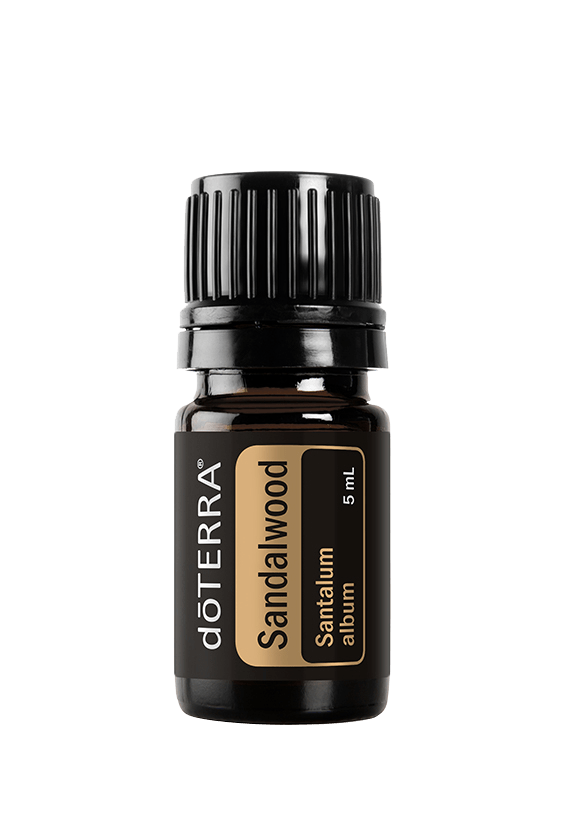
🌿 SANDALWOOD (Aloes)

Scriptures: Numbers 24:6; Psalm 45:8; Proverbs 7:17; Song of Solomon 4:14; John 19:39

A deeply grounding, calming oil — just as meaningful today as it was in ancient worship rituals.

Modern uses:
• Enhances meditation, prayer, and mindfulness
• Smooths fine lines and supports mature or dry skin
• Promotes deep, restorative sleep
• Calms a racing mind
• Lovely in personal fragrance blends


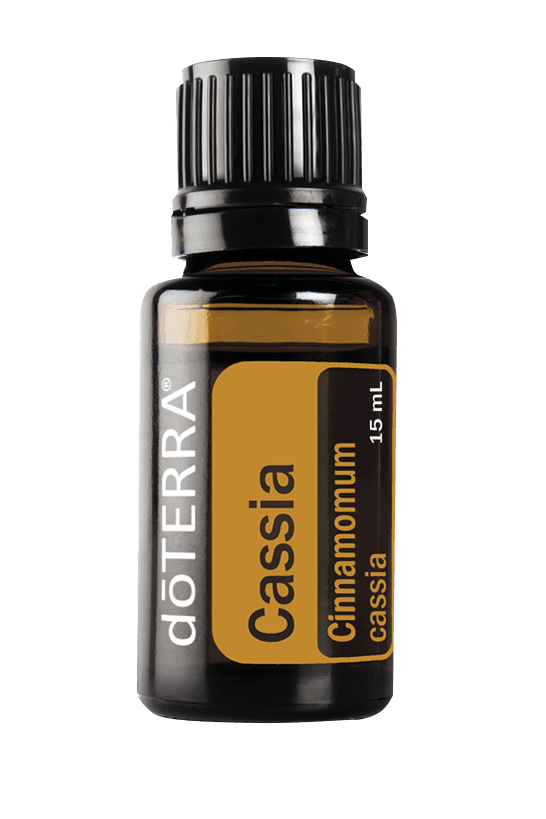
🌿 CASSIA

Scriptures: Exodus 30:24; Ezekiel 27:19; Psalm 45:8

Warm, spicy, and comforting — Cassia brings courage, confidence, and a sense of emotional strength.

Modern uses:
• Supports healthy metabolic function
• Uplifts mood and emotional warmth
• Wonderful for non-toxic home cleaning sprays
• Adds warmth to diffuser blends
• Supports digestion and overall wellness


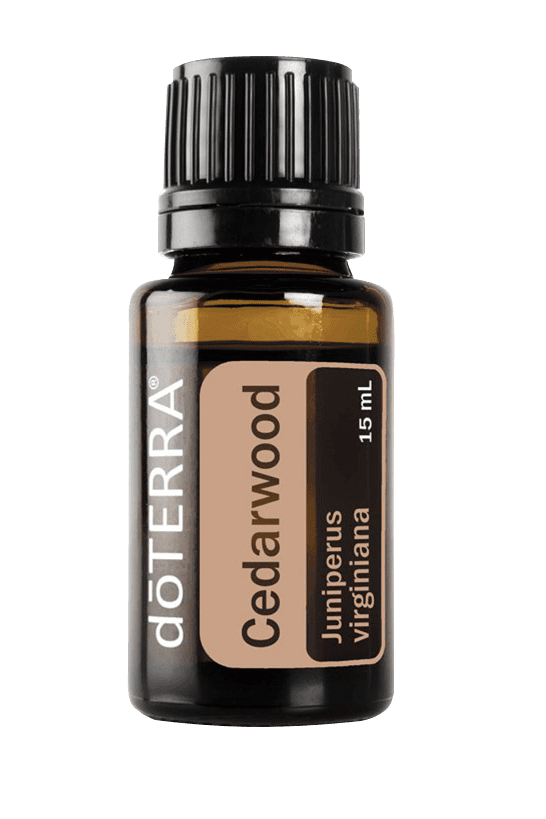
🌿 CEDARWOOD

Scriptures: Leviticus 14; Numbers 19

Symbolic of protection and stability — Cedarwood feels like an instant grounding embrace.

Modern uses:
• Deep relaxation and bedtime support
• Helps quiet mental chatter
• Encourages emotional safety and groundedness
• Supports healthy hair and scalp
• Natural insect-repelling aroma


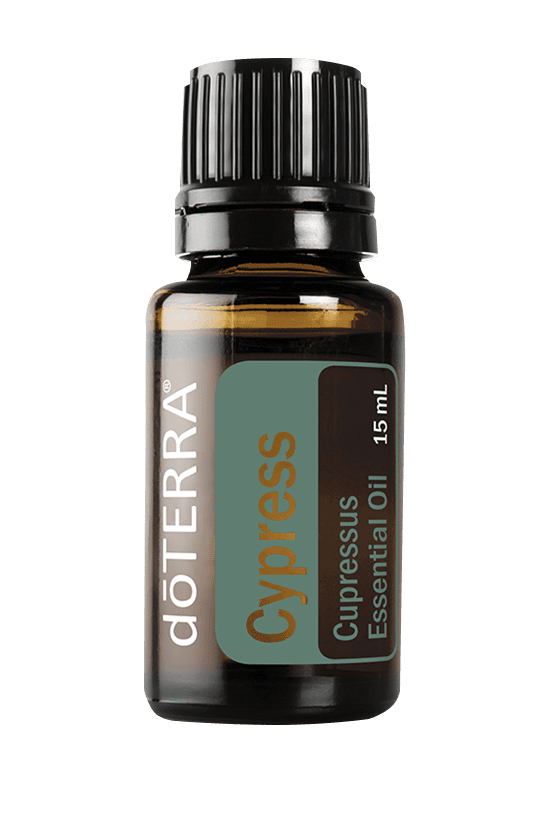
🌿 CYPRESS

Scriptures: Genesis 6:14; Isaiah 41:19; 44:14; 1 Kings 9:11; Song of Solomon 1:17

Cypress embodies movement, flow, and renewal — a beautiful companion for both physical and emotional transitions.

Modern uses:
• Supports healthy circulation
• Helps with leg fatigue or heaviness
• Encourages emotional release
• Supports lymphatic flow
• Lovely for breathwork and grounding practices


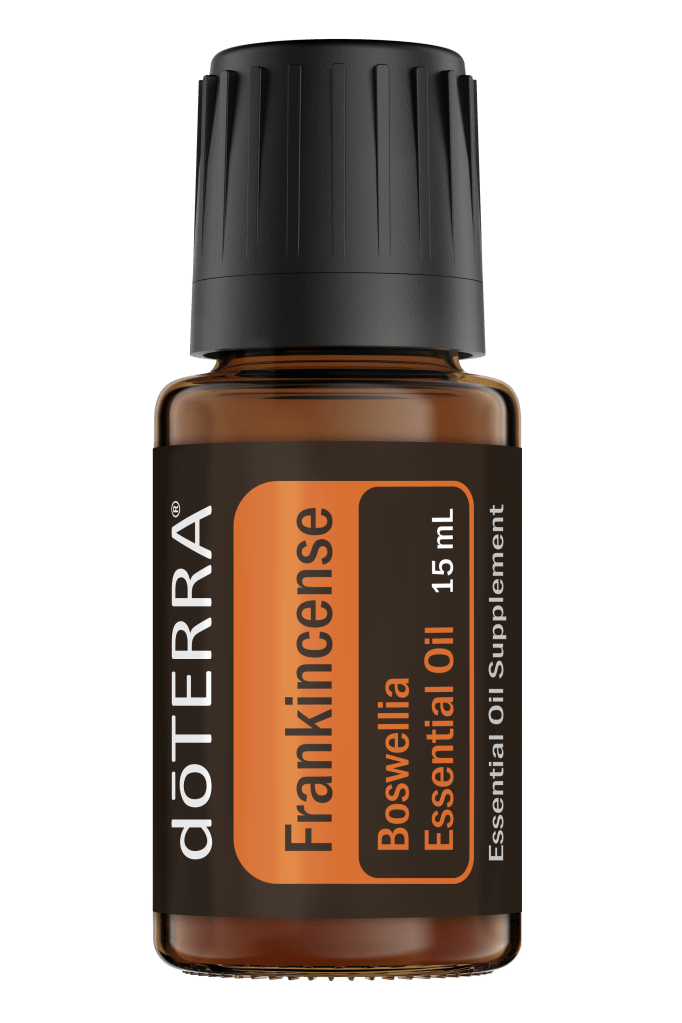
🌿 FRANKINCENSE

Scriptures: Multiple references throughout OT & NT; Matthew 2:11

Often called the “king of oils,” Frankincense remains one of the most versatile wellness tools available today.

Modern uses:
• Supports healthy cellular function
• Calms anxious feelings and overthinking
• Enhances meditation, prayer, and focus
• Nourishes and brightens skin
• Encourages emotional balance
• Supports immunity and overall wellness


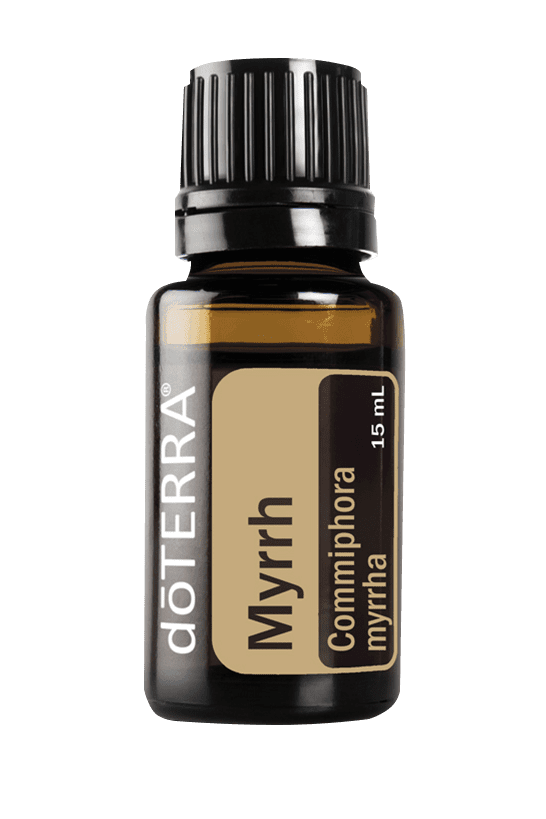
🌿 MYRRH

Scriptures: Genesis 37:25; Esther 2:12; Song of Solomon; Matthew 2:11; John 19:39

An oil of comfort, grounding, and emotional steadiness — especially helpful in times of stress or transition.

Modern uses:
• Deep hydration for dry or irritated skin
• Supports healthy gums and oral care
• Calms emotional overwhelm
• Supports postpartum recovery and feminine wellness
• Centers the heart for prayer or journaling


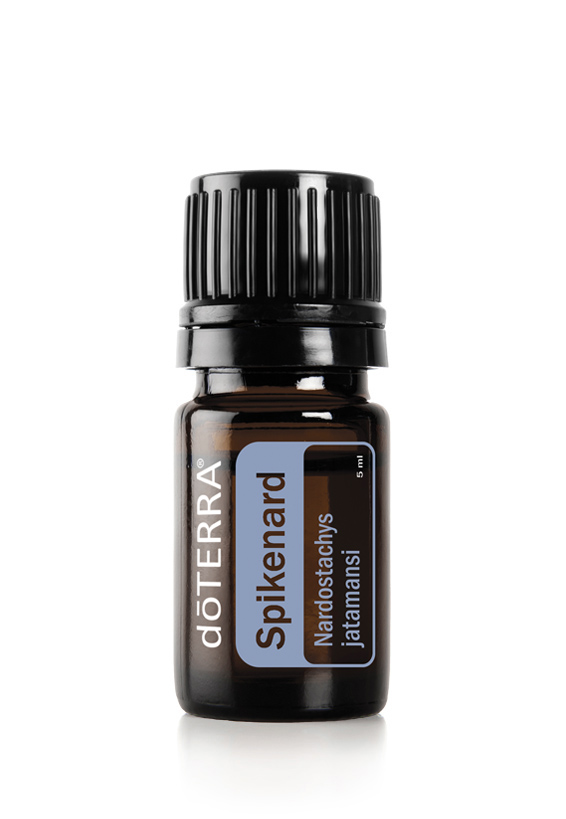
🌿 SPIKENARD (NARD)

Scriptures: Song of Solomon; Matthew 26; Mark 14; John 12

A deeply soothing, earthy oil known for encouraging rest — emotionally and physically.

Modern uses:
• Supports relaxation and emotional release
• Promotes deeper rest and nighttime unwinding
• Calms the nervous system
• Gentle for skincare when blended properly
• Supports quiet reflection and peace


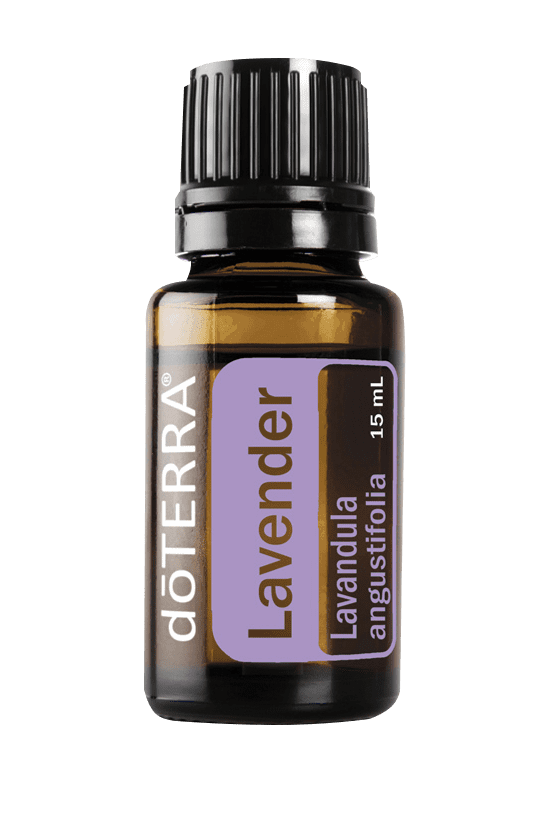
🌿 LAVENDER

(Possibly the “nard” mentioned in Scripture)

Scriptural references are debated, but many scholars connect Lavender to the traditions surrounding anointing and purification.

Modern uses:
• Calms anxious thoughts
• Supports peaceful sleep
• Soothes skin irritations
• Helps with head tension
• Gently supports digestion
• A foundational oil for emotional balance


💧 A Few Beautiful Ways to Use These Oils Together Today

🌟 For Stress & Nervous System Reset

Frankincense + Cedarwood + Lavender
Diffuse or apply diluted to pulse points.

🌟 For Grounding During Devotional Time

Sandalwood + Myrrh + Cypress
Place over the heart or back of the neck.

🌟 For Peaceful, Restful Sleep

Cedarwood + Lavender + Spikenard
Diffuse 30 minutes before bed.

🌟 For Glowing, Healthy Skin

Frankincense + Myrrh
Dilute and apply to face, neck, or hands.

🌟 For Warmth, Confidence & Encouragement

Cassia + Wild Orange
Diffuse to uplift mood and create a cozy atmosphere.


🌿 A Final Word: Scripture’s Oils, Today’s Support

These oils connect us to Scripture…
but they also support us right now — in our modern stress, modern pace, modern emotions, and modern bodies.

Every time you uncap one of these ancient-aroma bottles, may you be reminded:

✨ God’s healing is timeless.
✨ His design is intentional.
✨ And He still uses creation to comfort, restore, and renew us today.


Learn more about Oils of The Bible: God’s Ancient Gifts for Our Modern Lives from Ronai at https://ronaibrumett.com/post/oils-of-the-bible

Healing Journey, Making a Difference, Self-Discovery

Cultivating Gratitude in November — And Beyond

The crisp November air holds a subtle invitation: to pause, inhale deeply, and turn the gaze inward with a heartfelt “thank you.” I am grateful for those who trust me as their mentor, Essential Oil Coach, and Emotion Code, Body Code, and Belief Code Practitioner. I am thankful to those who follow me on the various platforms and hope you find value in what I share. Thank you for joining me on this journey.

As the golden leaves shift into quiet rest, so too can we shift from doing to being grateful. For many years I’ve taken this month to share one daily gratitude post on social media—and this year I’m inviting you to join me. Let’s explore why this matters: the science of gratitude, how it influences our health, and how simple daily practice can ripple into our wellbeing and community.


Why Gratitude Matters: The Research Story

Gratitude is more than a feel-good notion. In psychological science it’s defined as “the appreciation of what is valuable and meaningful to oneself; a general state of thankfulness and/or appreciation” (Wood, Joseph, Lloyd, & Atkins, 2009).

Here are several evidence-based benefits:

1. Mental & Emotional Wellbeing

  • Gratitude correlates with greater happiness, more positive emotions, and improved life satisfaction (Harvard Health, 2021).
  • A meta-analysis of 64 randomized trials found gratitude interventions led to significant improvements in mental health: fewer symptoms of anxiety (−7.8 %) and depression (−6.9 %) (Jans-Beken et al., 2022).
  • Gratitude writing specifically (vs. general expressive writing) decreased stress and negative affect in a one-month follow-up (Schanche et al., 2020).

2. Physical Health & Sleep

  • Gratitude is associated with better sleep quality, reduced fatigue, fewer physical symptoms, and improved cardiovascular markers (Harvard Health, 2024).
  • Individuals with higher dispositional gratitude report greater vitality, less anxiety, and better self-rated physical health (Hill & Roberts, 2011).

3. Brain, Body, and Neural Pathways

  • Neuroscientific work shows gratitude activates brain regions tied to reward, social bonding, and emotional regulation (Fox et al., 2015).
  • Gratitude journaling helps “rewire” the brain—shifting attention toward noticing positives and strengthening social connections (The Resilience Project, 2023).

4. Relationships & Community

  • Gratitude strengthens social ties. Expressing thanks signals that we’ve received value from someone else, fostering trust, connection, and prosocial behavior (Greater Good Science Center, 2016).
  • The ripple extends beyond the individual; by nurturing gratitude, we also nurture environments of appreciation, kindness, and resilience.

How This Matters for You — And for Us Together

As I share my daily “gratitude” posts throughout November with you, here’s what I’m inviting—and what you might discover:

  • Resilience under pressure. Life brings stress, uncertainty, pain—yet research shows gratitude buffers against anxiety, depressive symptoms, and even lowers physical complaints.
  • Foundational self-care. While we often think of self-care as what we do (exercise, essential oils, sleep routines), gratitude is what we become—an orientation, a noticing.
  • Embodied payoff. Better sleep, less fatigue, improved mood—these aren’t extras; they’re foundational to showing up fully in your life, relationships, and purpose.
  • Shared transformation. When you join the daily gratitude practice with me, we create a collective momentum—a shared shift toward noticing, naming, and appreciating the good. That communal energy amplifies the individual benefits.

How to Participate: A Simple Framework

Here’s how you can join in this year’s November gratitude journey—with flexibility built in so it fits you.

  1. Download your free Gratitude Journal. (below)
    Begin by downloading my Beyond Possibilities Gratitude Journal, designed to guide your daily reflections and deepen your awareness of what’s good in your life. It includes space for 3–10 daily gratitude entries, inspiring prompts, and weekly reflection pages. (Download link coming soon!)
  2. Choose your medium.
    Whether it’s your downloaded journal, a digital notes app, or a social-media post—pick the format you’ll stick with.
  3. Keep it manageable.
    Research suggests that recording 3 to 10 items per day tends to produce optimal benefits (more than 10 may dilute impact).
    • For example: “I’m grateful today for…” followed by 3–5 things.
    • You may also pick a theme of the day (health, connection, nature, small joys, acts of kindness).
  4. Be honest & intentional.
    Gratitude doesn’t mean ignoring challenges—it means also noticing what’s good despite them. Authenticity matters more than perfection.
    • A suggested prompt: “What happened today that I might normally overlook—and how did it matter?”
    • Another: “Who made a difference for me today—and how can I thank them?”
  5. Share the ripple.
    Post what you’re grateful for on my daily gratitude post—either on LinkedIn or Facebook.
    Join the conversation, celebrate others’ moments of gratitude, and invite friends or family to participate.
    Or share on your own social media with the hashtag #BeyondGratitude to connect our growing community of thankfulness.
  6. Reflect weekly.
    At the end of each week in November, look back—What patterns emerge? What small things became big? What surprised you? This reflective pause deepens your practice and anchors your learning.

Why This Year Feels Especially Right

Given the fullness of our lives—with our personal healing journeys, essential-oil routines, emotional body work, stress-management, and self-care practices—layering in a gratitude practice is like adding a powerful support beam under the rest of the structure. It doesn’t replace anything you’re doing; it helps everything you do work better.
Plus, once gratitude becomes a habit, its benefits persist and compound over time.


In Closing

I invite you to step into November together—each day noticing something you are grateful for, sharing it if you choose, and inviting others into the circle. Let’s watch how small moments of thanks can build into greater resilience, deeper joy, stronger relationships, and more vibrant health.

With heartfelt thanks for you—for showing up, for choosing healing, for being part of this community. Here’s to a month of gratitude, connection, and transformation.


References

Emmons, R. A., & McCullough, M. E. (2003). Counting blessings versus burdens: An experimental investigation of gratitude and subjective well-being in daily life. Journal of Personality and Social Psychology, 84(2), 377–389.
Fox, G. R., Kaplan, J., Damasio, H., & Damasio, A. (2015). Neural correlates of gratitude. Frontiers in Psychology, 6(1491). https://doi.org/10.3389/fpsyg.2015.01491
Greater Good Science Center. (2016). How gratitude changes you and your brain. https://greatergood.berkeley.edu/article/item/how_gratitude_changes_you_and_your_brain
Harvard Health. (2021). Giving thanks can make you happier. https://www.health.harvard.edu/healthbeat/giving-thanks-can-make-you-happier
Harvard Health. (2024). Gratitude enhances health, brings happiness — and may even lengthen lives. https://www.health.harvard.edu/blog/gratitude-enhances-health-brings-happiness-and-may-even-lengthen-lives-202409113071
Hill, P. L., & Roberts, B. W. (2011). Examining the pathways between gratitude and self-rated physical health. Psychology & Health, 26(9), 1057–1072. https://pmc.ncbi.nlm.nih.gov/articles/PMC3489271/
Jans-Beken, L., et al. (2022). The effects of gratitude interventions: A systematic review and meta-analysis. Frontiers in Psychology. https://pmc.ncbi.nlm.nih.gov/articles/PMC10393216/
Schanche, E., et al. (2020). A brief gratitude writing intervention decreased stress and negative affect. Frontiers in Psychology. https://pmc.ncbi.nlm.nih.gov/articles/PMC8867461/
The Resilience Project. (2023). Gratitude and the benefits of journaling. https://theresilienceproject.com.au/at-home/wellbeing-hub/gratitude-and-the-benefits-of-journaling/
Wood, A. M., Joseph, S., Lloyd, J., & Atkins, S. (2009). Gratitude influences sleep through the mechanism of pre-sleep cognitions. Journal of Psychosomatic Research, 66(1), 43-48.

Essential Oils, Health

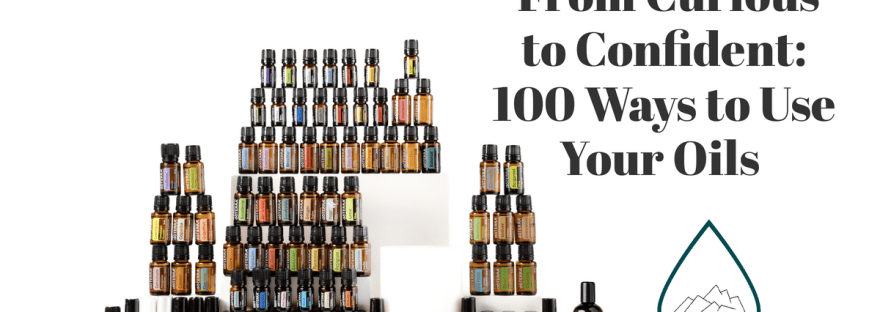
💧 From Curious to Confident: 100 Ways to Use Your Oils 💧

Ever stared at your essential oil bottles and thought, “What now?” You’re not alone! That question is exactly what inspired our most recent class: 100 Uses for Essential Oils—and what a class it was!

Whether you’re brand new to essential oils or you’ve got a collection that rivals a small apothecary, this class was designed to take your oil use from hesitant to heck yes!

We laughed, we learned, we sniffed, we blended—and yes, we discovered dozens of ways to stop letting our oils gather dust and start letting them do the work they were made to do.


🌿 What We Covered: A Quick Recap

Our class was based on the super-handy guide 100 Uses for Essential Oils, and WOW—there’s a lot packed into that little booklet. Here’s how we broke it down in class:

✨ The Three Main Ways to Use Oils

  1. Aromatic: Think diffusers, room sprays, and breathing in oils straight from your hands. We demoed some mood-boosting blends and even made a linen spray!
  2. Topical: From head tension to bug bites to glowing skin—applying oils directly (with proper dilution) is a game-changer.
  3. Internal: Yep, you can safely take some oils internally! Think Lemon in your water or DigestZen in a veggie cap for those tricky tummy days.

🌀 10 Everyday Categories That Covered It All:

We walked through 10 main areas where essential oils shine—and how YOU can put them to work in your everyday life:

  1. Aromatic Use – Create uplifting or calming environments with just a few drops.
  2. Topical Use – Rollers, massage blends, and tension-targeting tricks.
  3. Internal Use – Gentle ways to support your immune and digestive systems.
  4. Cooking – Elevate flavor and health with oils like Basil, Lemon, and Cinnamon.
  5. Cleaning – Safe, non-toxic DIYs that leave your space sparkling and fresh.
  6. Wellness – Think immunity, energy, and overall vitality.
  7. Sleep – Because we all deserve better rest. Serenity, Lavender, and Roman Chamomile, anyone?
  8. Hygiene + Personal Care – Ditch the chemicals and love your body with natural swaps.
  9. Fitness – From pre-workout motivation to post-workout muscle love.
  10. Mood Management – Oils that support emotional balance and mental clarity.

And yes—every single one of those had real-life, practical, doable tips. Plus, participants went home with their very own 100 Uses for Essential Oils handout to keep the inspiration going.


🎁 Missed It? You Still Have Options!

If you missed the class—don’t worry! You can still get your own copy of the 100 Uses for Essential Oils guide by scheduling a free 15-minute wellness consult with me. We’ll personalize your oils for your life, goals, and needs.

Want to host a version of this class with your friends or team? Let’s talk! I’d love to bring this oil adventure to your living room or Zoom screen.


🌈 Final Thoughts

Essential oils don’t have to be confusing. With a little guidance (and a lot of fun), they can become essential to how you care for your home, your body, and your emotions.

So go ahead—diffuse something uplifting. Roll something calming on your wrists. Drop some Lemon in your water. Because you’re more than capable of using your oils with confidence, purpose, and joy.

And remember… this is just the beginning. 🌿

Essential Oils, Health

Back to School – Supporting Kids Naturally

School is not just about academics; it is also important for social and emotional well-being. Virtual Illusion: Comparing Student Achievement and Teacher and Classroom Characteristics in Online and Brick-and-Mortar Charter Schools states, “Social interaction among children in grades K-12 is important not only for emotional wellbeing, but also for children’s language, communication, social, and interpersonal skills.”

dōTERRA Emotional Aromatherapy® Touch Kit  Bundle

A set of six roll-ons, including Cheer® (uplifting), Console® (comforting), and Peace® (reassuring), to support emotional well-being on the go. Perfect for helping your child navigate the emotional ups and downs of the school year.

1x1_600x600_back_to_school_essentials_kids_collection.jpg

Kids Oil Collection

The doTERRA Kids Collection is the complete and ready-made “whole body” essential oil toolbox designed to empower caregivers to confidently care for your little ones. This collection includes Thinker®, Calmer®, Stronger®, Tamer®, Rescuer®, Steady®, and Brave® which are designed to support various aspects of your child’s well-being.

1x1_600x600_back_to_school_essentials_on_guard_mist.jpg

doTERRA On Guard® Sanitizing Mist

Keep germs at bay with this quick-drying mist that eliminates 99.9% of bacteria, perfect for keeping hands clean throughout the school day.

Adaptiv System

Navigate stressful moments with Adaptiv Calming Blend, Capsules, and Touch. This system helps manage stress, promotes balance, and aids in maintaining a sense of calm and focus.

PB Assist+ ProBiome Gut Complex

One crucial aspect of maintaining good health during the school year is a strong immune system and a balanced gut. That’s where doTERRA PB Assist+ comes into play.

“My daughter used to have frequent tummy aches, but since starting PB Assist+, she’s felt so much better and even seems more focused at school!” – Maria T.

doTERRA a2z Chewable™

In addition to Essential Fatty Acids, it’s also important to make sure your child is getting needed vitamins. And that’s where you can reach for doTERRA a2z Chewables. As a combination of botanical extracts and B, A, C, and E vitamins, a2z Chewables can support healthy cell development and longevity when taken daily.* And the sweet watermelon flavor makes it easy for these chewables to become a part of your kid’s daily routine.

doTERRA Serenity Sleep System

Improve your child’s bedtime routine with the doTERRA Serenity Sleep System. This three-step system includes the doTERRA Serenity Restful Blend, Serenity Restful Complex Softgels, and the Serenity Stick + Valerian. The Restful Blend’s soothing aroma promotes relaxation, while the Softgels support the body’s natural production of melatonin. The Stick + Valerian provides a calming effect when applied to feet and pulse points, helping your child drift into a peaceful sleep.

1x1_600x600_back_to_school_essentials_volo_diffuser.jpg

Volo Diffuser™

When it comes to kids and their health, parents know to never underestimate the power of sleep. Support your child’s bedtime routine and prepare them for a rest with the Volo Diffuser.  The Volo Diffuser has various light, timer, and output settings so you can customize diffusion for your kid’s specific needs.  A bedtime routine supported by calming diffusion can help your kid start the school year off right. 

Equip your kids with these essentials for a healthy, successful school year. You can be confident that your child is ready to thrive. Don’t wait to snag these products today!

*These statements have not been evaluated by the Food and Drug Administration. This product is not intended to diagnose, treat, cure, or prevent any disease.

Energy Healing, Self-Discovery

What Do You Really Need Right Now? A Path to Rest, Regeneration, and Renewal

Life doesn’t pause. But you can.

We’re often told to “rest” when we’re overwhelmed. But rest is not one-size-fits-all—and it’s certainly not limited to a nap or a weekend off. True self-care begins when we learn how to listen: not just to the noise of the world around us, but to the whispers within.

There are many types of rest—seven, in fact. Each one speaks to a different dimension of our being: physical, emotional, mental, sensory, social, creative, and spiritual. Understanding which kind of rest you truly need is the beginning of deep self-care and regeneration.

If you’re feeling drained and unsure why—this post is for you.

Let’s explore how you can reconnect with your whole self and discover what you really need to feel nourished, restored, and alive.


7 Types of Rest: A Brief Reflection

  1. Physical Rest – Your body asks for stillness. This might mean sleep, stretching, or a walk.
  2. Emotional Rest – Your heart longs to release. Self-care, boundary-setting, and journaling help here.
  3. Mental Rest – Your mind seeks space. Take a break, play with puzzles, practice mindfulness.
  4. Sensory Rest – Your senses crave quiet. Step away from screens, be in nature, enjoy a book.
  5. Social Rest – Your soul needs connection—or solitude. Spend time with loved ones or simply be alone.
  6. Creative Rest – Your spirit yearns to express. Paint, write, explore something new.
  7. Spiritual Rest – Your inner self calls for meaning. Meditate, reflect, and reconnect.

Guided Meditation: Tuning Into Your True Needs

Find a quiet space where you won’t be disturbed. Sit or lie down comfortably. Let this be a sacred moment for yourself.


After the Meditation: Journal for Inner Discovery

Take a few moments now to write freely. Download the workbook and let these prompts guide you into deeper self-awareness.


    Beyond Rest: Toward Regeneration

    Rest is not a reward for burnout. It is your birthright.

    When you rest with awareness—when you ask your inner self what you need and respond with love—you begin to regenerate. Not just physically, but energetically, emotionally, and spiritually.

    This is the heart of self-care. Not a checklist, but a relationship—with yourself.

    So today, give yourself permission to pause. Tune in. And respond.

    There is wisdom within you. It’s been waiting patiently for your attention.


    You don’t need to do more. You need to feel more. Be more. Trust more.

    Welcome back to yourself.