
Energy Healing, Healing Journey, Health, Self-Discovery

Movement and Emotion: The Science of Feeling Through Motion

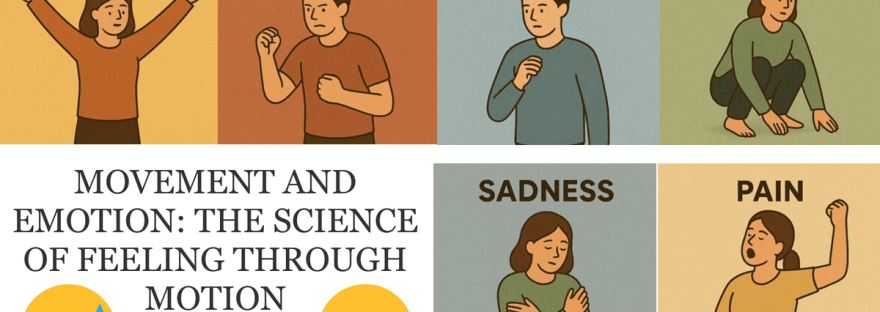
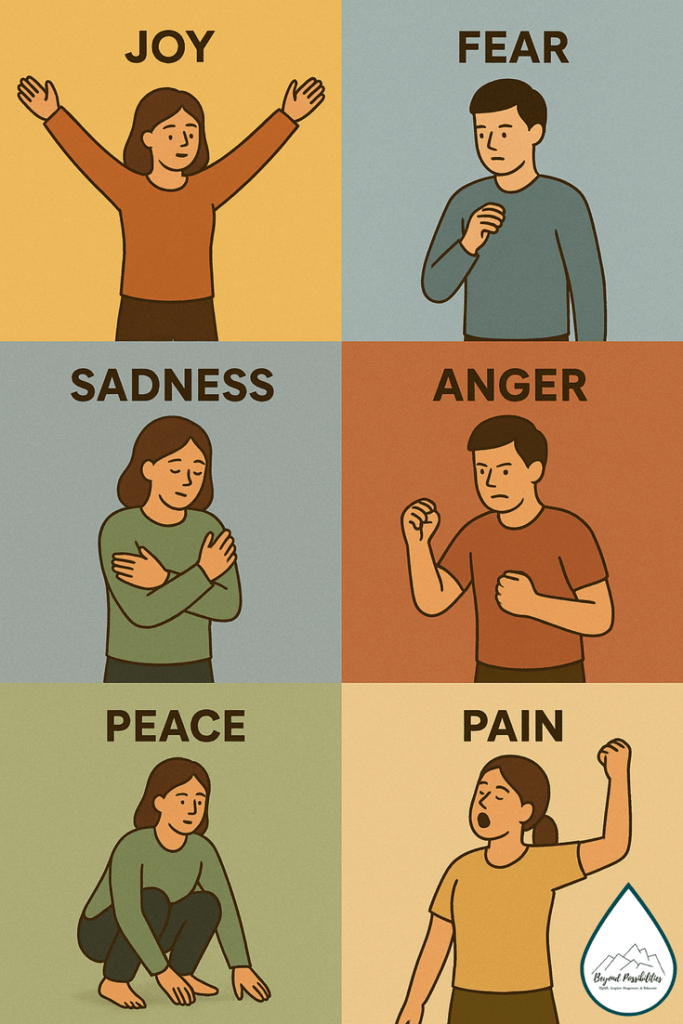
Have you ever noticed how your body naturally moves with your emotions? You bounce when you’re happy, curl in when you’re sad, or tense your shoulders when you’re stressed. These patterns aren’t random — they reflect how the brain and body communicate through posture, physiology, and feeling. Research confirms what movement and healing traditions have long understood: movement changes emotion, and emotion changes movement.

Now, before I go too deep, you don’t have to overthink it. You can work through your emotions by simply putting on your favorite music and letting your body move to the music naturally. I also love doing AromaDance or Mindful Movement to move through my emotions.

The Somatic Basis of Emotion

Emotions aren’t only “in your head.” They’re embodied experiences involving the autonomic nervous system (ANS), muscle tone, breath, and interoception — our inner sense of how our body feels. When emotions are safely expressed through movement, the body can complete its stress cycle and return to balance. Movement therapies and somatic practices (e.g., gentle stretching, dance/movement therapy, rhythmic motion) have demonstrated reductions in cortisol, enhanced emotional regulation, and improvements in psychological well-being (Koch, Morlinghaus, & Fuchs, 2019; Wu, Li, & Zhang, 2023).


Joy: Expand, Express, Energize

Open-arm reach / chest opening
Expanding posture (arms wide, chest lifted) increases lung volume, influences the balance of sympathetic and parasympathetic tone, and signals openness and approach behavior — postures correlated with higher positive affect (e.g. expanded posture studies).

Light bounce / small hops
Gentle vertical bouncing raises endorphins and dopamine and stimulates spinal and vestibular systems for autonomic regulation.

Playful skipping / side-step
Rhythmic side-to-side locomotion with arm swing boosts mood, supports motor coordination, and taps into play systems.

Wiggle / spontaneous dance
Free, irregular movement (hips, torso, shoulders) enhances body awareness (interoception), modulates autonomic tone, and can increase positive affect (Koch et al., 2019).

Shake / tremor (gentle, spontaneous)
Small tremors or shakes help discharge stored motor tension and reduce autonomic hyperarousal, as in trauma-release (TRE) approaches.

Roll (gentle floor roll → stand)
Rolling shifts vestibular input and proprioceptive orientation, helping interrupt stuck tension patterns and inviting fluidity in the body.


Fear & Anxiety: Grounding, Soothing, Calming

Tap / hum
Gentle tapping or humming engages vagal pathways (via vibration) and supports parasympathetic activation, helping calm high arousal states.

Squeeze / hold (self-hug)
Applying gentle compression through a self-hug or forearm hold reduces cortisol and signals safety through proprioceptive feedback.

Sway / reach
Slow pendular motion with gentle arm reach soothes the vestibular system and offers predictable sensory input, helping regulate hyperarousal.


Sadness / Grief / Shame: Nurturing, Soothing, Softening

Brush / self-hug (gentle stroking)
Slow, affective touch activates C-tactile afferents associated with oxytocin release and supports calming networks.

Rock / squeeze (gentle rocking)
Rocking or gentle compressive movement engages vestibular regulatory systems, offering a soothing rhythm and containment for emotional processing.


Anger / Frustration: Safe Release, Grounding Power

Tense → release (clench / relax)
Voluntary muscle contraction followed by release modulates muscle spindle activity and helps the nervous system downregulate from tension.

Stomp / ground (foot strike)
Energetic foot strikes provide strong proprioceptive feedback and anchor excess energy into the ground, giving a sense of boundary.

Slam / push (controlled directional force)
Using controlled push or strike against a safe surface (e.g., wall, pillow) enables expression of force while reducing internal pressure and reactivity.


Peace / Calm / Confidence: Stabilizing & Centering

Ground / connect (rooted stance)
Soft squats, weight awareness in feet/ankles, and slow shifts help reestablish bodily stability and downregulate sympathetic tone.

Rest / restorative posture
Lying down with deep, diaphragmatic breathing stimulates the vagus nerve and promotes parasympathetic recovery.

Center / mindful micro-movement
Very gentle motions (neck rolls, shoulder circles) enhance interoceptive clarity and soothe the system, supporting self-regulation.


Pain / Fatigue / Recovery: Soothing, Flowing, Releasing

Settle / breathe (long exhale + micro shifts)
Slow, extended exhales paired with small posture adjustments relieve muscle guarding and support relaxation.

Ground / connect (light motion)
Gentle walking or standing awareness improves circulation and sensory grounding — beneficial for fatigue and mild pain.

Stretch / yawn / gentle mobilization
Stretching or yawning modulates muscle spindle feedback and encourages relaxation and renewed energy.


Why Somatic Movement Works

  • Interoception & emotional regulation: Improving body awareness strengthens emotion regulation capacity.
  • Rhythm & vestibular input: Repetitive movements (sway, rock, bounce) help regulate the autonomic nervous system.
  • Vocal + breath stimulation: Humming, sighing, and extended exhalation activate vagal pathways.
  • Free movement & dance: Encourages fluidity, creativity, and improved affect regulation (Koch et al., 2019; Wu et al., 2023).

Final Thoughts

Our feelings naturally manifest in the body. By intentionally choosing movement that mirrors or completes those expressions, we can help the body return to balance. Whether it’s a joyful stretch, a grounding stomp, or a slow restorative breath, each movement is a doorway to recalibration and liberation.


References

Dreisörner, A., & Junker, N. M. (2022). Self-soothing touch and being hugged reduce cortisol responses to stress: A randomized controlled trial on stress, physical touch, and social identity. Journal of Psychosomatic Research, 157, 110847. https://doi.org/10.1016/j.jpsychores.2022.110847

Eckstein, M., Kämmerer, D., Knafo, S., & Heinrichs, M. (2020). Calming effects of touch in human, animal, and robotic social interactions. Frontiers in Psychiatry, 11, Article 567. https://www.ncbi.nlm.nih.gov/pmc/articles/PMC7672023/

Koch, S. C., Morlinghaus, K., & Fuchs, T. (2019). Effects of dance/movement therapy and dance on health-related psychological outcomes: A meta-analysis. Frontiers in Psychology, 10, Article 1806. https://www.frontiersin.org/articles/10.3389/fpsyg.2019.01806/full

Lindgren, L. (2012). Emotional and physiological responses to touch massage (Doctoral dissertation, Umeå University). Umeå University Repository. https://www.diva-portal.org/smash/get/diva2%3A568111/fulltext01.pdf

Packheiser, J., et al. (2024). A systematic review and multivariate meta-analysis of touch interventions: Effects on cortisol, pain, anxiety, and more. Nature Human Behaviour. https://www.nature.com/articles/s41562-024-01841-8

Wu, J., Li, Y., & Zhang, T. (2023). Effects of dance movement interventions on psychological health in older adults: A meta-analysis and systematic review. Brain Sciences, 13(7), 981. https://www.mdpi.com/2076-3425/13/7/981

Essential Oils, Health

Discover the Gentle Power of Castor Oil + Essential Oils

doTERRA’s new CPTG®, Organic, Hexane-Free Castor Oil brings a time-tested natural ingredient into modern self-care. Grounded research shows its core fatty acid, ricinoleic acid, influences smooth-muscle receptors responsible for castor oil’s traditional laxative use (Tunaru et al., 2012). Topically, it’s a thick, nurturing emollient that seals moisture and slows evaporation of essential oils (CIR Expert Panel, 2007).

Evidence snapshot:
A controlled clinical study in elderly adults demonstrated that abdominal castor oil packs eased constipation discomfort (Arslan & Eser, 2011), while an exploratory dermatology trial found castor oil cream brightened under-eye skin tone (Parvizi et al., 2024). These early data hint at localized benefits, though large-scale trials are still pending.

What about “detox”?
Experts emphasize that castor oil does not remove systemic toxins; the liver and kidneys already perform that task. However, mindful rituals such as gentle abdominal packs may enhance relaxation and circulation — supportive, not curative (MD Anderson, 2023).

Why choose organic and hexane-free?
Cold-press extraction avoids chemical solvents like hexane, aligning with cleaner environmental and consumer-safety practices (Cravotto et al., 2022; EUFIC, 2025). doTERRA’s sourcing ensures a solvent-free, USDA-certified organic product designed for safe topical blending (doTERRA, 2025).

How to use it safely

  • Patch-test every new blend.
  • Apply small amounts — a few drops per area.
  • Use packs two or three times per week at most.
  • Avoid internal use or use during pregnancy unless advised by a clinician (Alookaran, 2024).

Favorite DIY Ideas

  1. Night-Time Skin Treatment — 3 drops Castor Oil + 1 drop Frankincense.
  2. Scalp Support Mask — ½ tsp Castor Oil + ½ tsp Jojoba + Rosemary & Peppermint.
  3. Hormone Comfort Pack — Castor Oil + Clary Sage & Geranium; warm compress 30 min.

“Science gives us confidence; ritual gives us rhythm. Together they create empowered wellness.”


References

Alookaran, J. (2024). Castor Oil. In StatPearls. StatPearls Publishing. https://www.ncbi.nlm.nih.gov/books/NBK557815/

Arslan, G. G., & Eser, I. (2011). An examination of the effect of castor oil packs on constipation in the elderly. Complementary Therapies in Clinical Practice, 17(1), 58–62. https://doi.org/10.1016/j.ctcp.2010.04.004

Cosmetic Ingredient Review Expert Panel. (2007). Final report on the safety assessment of Ricinus communis (castor) seed oil and related ingredients. International Journal of Toxicology, 26(Suppl 3), 31–77. https://doi.org/10.1080/10915810701663150

Cravotto, G., et al. (2022). Towards substitution of hexane as extraction solvent of food products and ingredients with no regrets. Foods, 11(21), 3412. https://doi.org/10.3390/foods11213412

European Food Information Council (EUFIC). (2025, May 5). Is hexane in food a cause for concern? https://www.eufic.org/en/food-production/article/is-hexane-in-food-a-cause-for-concern

MD Anderson Cancer Center. (2023, October 19). What to know about castor oil health claims. https://www.mdanderson.org/cancerwise/what-to-know-about-castor-oil-health-claims.h00-159622590.html

Parvizi, M. M., Saki, N., Samimi, S., Radanfer, R., Shahrizi, M. M., & Zarshenas, M. M. (2024). Efficacy of castor oil cream in treating infraorbital hyperpigmentation: An exploratory single-arm clinical trial. Journal of Cosmetic Dermatology, 23(3), 911–917. https://doi.org/10.1111/jocd.16056

Tunaru, S., Althoff, T. F., Nüsing, R. M., Diener, M., & Offermanns, S. (2012). Castor oil induces laxation and uterus contraction via ricinoleic acid activating prostaglandin EP3 receptors. Proceedings of the National Academy of Sciences of the United States of America, 109(23), 9179–9184. https://doi.org/10.1073/pnas.1201627109

doTERRA. (2025). Meet Castor Oil and 5 Ways to Use Castor Oil. https://www.doterra.com/US/en/blog

Building Positive Communication
Family Life Education, Self-Discovery

Building Trust Through Positive Communication: How Word Choice Builds Trust in Families

Good communication is at the heart of every healthy family relationship. In our latest workshop, we explored how the words we choose — especially in moments of stress — can either open a door to connection or close it. Even if you weren’t able to attend, the principles we discussed can help you strengthen your communication at home.

Why Word Choice Matters

Children and adolescents don’t just hear our words — they interpret the tone, structure, and intent behind them (Alejandra & Kataoka, 2017; Zapf et al., 2022). A phrase meant as guidance can sometimes sound like blame. For example:

  • Saying to a teen, “Why can’t you ever remember to text me?” may feel accusatory and lead to withdrawal.
  • Rephrased as, “I feel anxious when I don’t hear from you after school because I care about you. A quick text reassures me you’re safe,” the same concern becomes collaborative and caring.

These subtle shifts make a big difference in whether your child shuts down or leans in. Research shows that positive communication is linked to better family health and well-being (Kang et al., 2019) and can buffer stress for both parents and children (Rosland et al., 2011).

“I-Statements” vs. “You-Statements”

When emotions run high, our phrasing matters.

  • You-statements (e.g., “You never listen!”) point outward and often trigger defensiveness and conflict (Busby & Chiu, 2017).
  • I-statements (e.g., “I feel frustrated when instructions aren’t followed because it creates more work for me”) take ownership of feelings, reduce blame, and make room for dialogue (The Importance of “I-Statements,” n.d.).

Studies show that authentic I-statements help children feel respected, even when they are being corrected, and are associated with greater trust and healthier emotional regulation (Ouyang & Cheung, 2023; Yang et al., 2024). Families that practice open, consistent communication build resilience and stronger bonds (Family Strengths: Communication, 2020).

How to Put This into Practice

  • Pause before reacting. Take a breath and think: Am I about to use a “You-statement”?
  • Reframe with “I.” Center your message on your own feelings and needs, not blame.
  • Model growth. If you slip, rephrase aloud. This shows your children you are working on communication too.
  • Practice together. Try rewriting common household frustrations into I-statements as a family exercise.

The more you practice, the easier it becomes. Over time, your words can become a tool for connection, cooperation, and trust.

📚 References

Alejandra, A. M., & Kataoka, S. (2017). Family communication styles and resilience among adolescents. Social Work, 62(3), 261–269. https://doi.org/10.2307/44652409

Busby, D. M., & Chiu, L. H. (2017). Perceived conflict styles of adult children and their parents: What is the connection? Journal of Child and Family Studies, 26(12), 3412–3424. https://doi.org/10.1007/s10826-017-0839-9

Family Strengths: Communication. (2020). Forever Families. https://foreverfamilies.byu.edu/family-strengths-communication

Kang, S. Y., Lee, J. A., & Kim, Y. S. (2019). Impact of family communications on self-rated health of couples who visited primary care physicians: A cross-sectional analysis of Family Cohort Study in Primary Care. PLOS ONE, 14(3), e0213427. https://doi.org/10.1371/journal.pone.0213427

Ouyang, Q., & Cheung, R. Y. M. (2023). Mother–child versus father–child conflict and emerging adults’ depressive symptoms: The role of trust in parents and maladaptive emotional regulation. Journal of Adult Development, 30(2), 145–157. https://doi.org/10.1007/s10804-022-09431-1

Rosland, A., Heisler, M., & Piette, J. D. (2011). The impact of family behaviors and communication patterns on chronic illness outcomes: A systematic review. Journal of Behavioral Medicine, 35(2), 221–239. https://doi.org/10.1007/s10865-011-9354-4

The Importance of “I-Statements” in Relationships. (n.d.). Tony Robbins. https://www.tonyrobbins.com/blog/words-matter-you-vs-i

Yang, K. N., Bergman, K. N., & Cummings, E. M. (2024). Mother–adolescent communication and father–adolescent communication: Analyzing a 4-week family intervention using multi-informant data. Journal of Research on Adolescence, 35(1). https://doi.org/10.1111/jor.12995

Zapf, H., Boettcher, J., Haukeland, Y. B., Orm, S., Coslar, S., Wiegand-Grefe, S., & Fjermestad, K. (2022). A systematic review of parent–child communication measures: Instruments and their psychometric properties. Clinical Child and Family Psychology Review, 26(1), 121–142. https://doi.org/10.1007/s10567-022-00414-3

Winsberg, M. (2022). Speaking in thumbs. Doubleday.

Grief
Energy Healing, Essential Oils, Healing Journey, Health, Self-Discovery

Honoring Your Emotions Through Trauma: Natural Pathways for Healing and Resilience

Grief, loss, and life’s hardest traumas can feel overwhelming, leaving the heart heavy and the mind clouded. During these times, it’s not about pushing emotions away but learning how to honor and process them. By combining natural approaches—such as breathwork, journaling, meditation, energy healing, and aromatherapy—we can create supportive spaces for healing. These practices, rooted in both tradition and research, help release what weighs us down while building emotional resilience.


Energy Healing for Emotional Release

Many people hold unresolved emotions in the body, leading to stress, pain, and imbalance. Energy healing techniques like the Emotion Code, Body Code, and Belief Code are designed to release these emotional burdens.

  • Emotion Code focuses on identifying and clearing trapped emotions that may contribute to anxiety, sadness, or tension. In a study with 146 participants, significant reductions in self-reported depression, anxiety, and PTSD symptoms were observed after sessions with this modality, though more controlled research is needed (Gelb et al., 2021).
  • Body Code expands this approach to include physical, energetic, and structural imbalances that can affect overall wellness.
  • Belief Code addresses limiting subconscious beliefs that may keep people stuck in cycles of grief or pain. Once emotional barriers are released, healthier thought patterns can emerge.

While scientific validation continues to grow, these approaches align with widely accepted psychological concepts of mind-body connection and the importance of processing emotions rather than storing them internally (Bucci, 2025).

Unlock the Secrets to Lasting Emotional Wellness in Just a Few Days & Transform Your Life by Joining the Immersion Path.


Natural Tools for Emotional Healing

Breathwork

Breathwork helps regulate the nervous system and calm emotional reactivity. By slowing and deepening the breath, the body shifts from a fight-or-flight state into a calmer, more restorative mode.

Journaling

Writing out feelings provides clarity and helps organize overwhelming emotions. Journaling offers a safe space to name experiences, uncover insights, and begin reframing grief into meaning.

Meditation

Meditation practices—whether focused attention, mindfulness, or loving-kindness—help reduce distress and promote emotional stability. Neuroimaging studies show that meditation activates brain regions linked to empathy and regulation, such as the insula and anterior cingulate cortex (Fox et al., 2016).


Aromatherapy with doTERRA CPTG® Essential Oils*

Scent has a direct influence on the limbic system, the part of the brain that governs emotions and memories. Using doTERRA Certified Pure Tested Grade (CPTG®) essential oils can provide powerful emotional support during times of grief:

  • Console® Comforting Blend (Rose, Ylang Ylang, Frankincense, Sandalwood) offers calming, balancing support when sadness feels heavy.
  • Forgive® Renewing Blend (Nootka Tree, Thyme, Melissa) encourages self-compassion and renewal during emotional recovery.
  • Cheer® Uplifting Blend (Wild Orange, Cinnamon Bark, Star Anise) sparks optimism and helps shift lingering gloom.
  • Bergamot Essential Oil has shown promise in reducing PTSD-related symptoms such as sleep disruption and negative mood in first responders (Daniel, 2023).
  • Lime Essential Oil has been shown to imbue the soul with a zest for life and promotes courage. It is renewing, energizing and purify. Paired with other oils it magnifies their effect.
  • Balance® Grounding Blend The warm, woody aroma of doTERRA Balance Grounding Blend helps create a calming, quieting environment as you consider all aspects of life: relationships, work, fitness, health, and emotional well-being.
  • Peace® Reassuming Blend A gentle blend of floral and mint oils, doTERRA Peace Reassuring Blend serves as a positive reminder that you don’t have to be perfect to find peace.

From a biochemical perspective, compounds like linalool (Lavender, Clary Sage) and beta-pinene (Lemon, Lime, White Fir) interact with neurotransmitter systems linked to serotonin and dopamine, potentially easing anxious or sad feelings (doTERRA, n.d.-b).

While results vary, aromatherapy remains a gentle, non-invasive complement to emotional healing practices. Safety should always be prioritized, including dilution for topical use and sourcing oils from reputable providers such as doTERRA (Johns Hopkins Medicine, 2024).


Bringing It All Together

Honoring emotions during grief and trauma means allowing space for release, reflection, and renewal. Breathwork, journaling, meditation, energy healing, and essential oils each offer unique pathways toward peace. Together, they create a holistic framework for processing heavy feelings while building resilience for the road ahead.

Healing is not about forgetting loss—it’s about finding light in the darkness and carrying forward with strength and compassion.


*These statements have not been evaluated by the Food and Drug Administration. This product is not intended to diagnose, treat, cure, or prevent any disease.

References

Essential Oils, Healing Journey, Health

Harnessing Harmony: The Emotional & Physical Essence of AromaTouch® Oils

In the delicate interplay between touch and scent lies a profound pathway to healing. The AromaTouch® Technique weaves together essential oils and touch in a choreography that envelops body, mind, and spirit. Let’s explore the emotional and physical resonance of each oil—and discover the scientific foundations behind why AromaTouch® touches so deeply.


The Oils: Emotional Resonance and Physical Support*

  • Lavender: A familiar friend in aromatherapy, lavender soothes the nervous system and invites calm. Its gentle floral notes ease emotional turbulence and support restful ease.
  • Tea Tree (Melaleuca alternifolia): Known for its purifying and cleansing qualities, tea tree oil supports healthy immune function and brings clarity—both to the environment and the spirit.
  • Peppermint: With a refreshing, invigorating presence, peppermint awakens the senses, helps soothe occasional digestive or muscular tension, and anchors mind and body in alert groundedness.
  • Balance®: Created from Spruce, Ho Wood, Frankincense, Blue Tansy, and Blue Chamomile, Balance promotes emotional grounding and stability. Physically, its calming effects help relax the body while emotionally it encourages harmony, connectedness, and tranquility—an anchor when life feels unsettled.
  • On Guard®: A fusion of Wild Orange, Clove, Cinnamon, Eucalyptus, and Rosemary, On Guard is renowned for its immune-supportive properties. It shields and fortifies the body while emotionally creating a sense of strength, safety, and resilience against life’s stressors.
  • Wild Orange: The sweet, citrus brightness of Wild Orange uplifts mood, sparks creativity, and invites joy. Physically, it supports healthy immune function and energy, while emotionally it fosters abundance, optimism, and playful lightness—balancing the heavier moments of life.
  • AromaTouch®: A proprietary fusion—often including Idaho Blue Spruce, Marjoram, Lavender, Cypress, and Peppermint—crafted to shepherd relaxation, ease stress, and foster emotional equilibrium.
  • Deep Blue®: With Wintergreen, Camphor, Peppermint, Ylang Ylang, Helichrysum, Blue Tansy, Blue Chamomile, and Osmanthus, Deep Blue is formulated to comfort and cool. Physically, it supports muscles and joints after activity, while emotionally it offers relief from carrying heavy burdens, easing tension, and encouraging a sense of resilience and renewal.

Together, this curated union supports dual flows: emotional de-stress and physical ease—like a river yielding gently to clear its course.


The Gift of Touch: A Bridge Between Soul and Cells

The sensation of touch is more than a sensory input—it is a fundamental human necessity, a nourishing conduit between inner and outer worlds. A sweeping meta-analysis of 137 studies (12,966 individuals) confirms that touch interventions yield medium-sized benefits for both physical and mental health. They significantly reduce pain, depression, anxiety, and even regulate stress markers like cortisol, across age groups from newborns to adults (Packheiser et al., 2024) Nature. Notably, touch from another person often offers greater mental health benefits than object-based contact—though even weighted blankets or friendly robots can meaningfully support well-being The Guardian.

This “gift of touch” calms the nervous system, deepens emotional connection, and helps create alignment between mind, body, and spirit. It is both a soothing whisper to frazzled nerves and a grounding hand in times of internal turbulence.


The Science: Why AromaTouch® Touches Deeper

1. Precision of Application

Unlike random diffusion, AromaTouch® oils are applied topically along specific meridians and points—spine, shoulders, feet—enhancing absorption and guiding their influence toward the nervous and circulatory systems PMC.

2. Touch as Therapeutic Medium

The technique’s structured massage supports autonomic balance, helping shift the body from a stressed sympathetic state into restorative parasympathetic rhythms. This carries measurable benefits—lowered cortisol, reduced blood pressure, and a palpable sense of ease PMC.

3. Synergy of Oils and Touch

Studies on AromaTouch® demonstrate that combining precise essential oils with intentional touch amplifies therapeutic outcomes—more profound stress relief and overall well-being than either touch or oils alone PMC.


Living the AromaTouch® Experience

Emotional Flourish
Lavender’s calm, Peppermint’s clarity, Marjoram’s release—they mingle to guide us from tension-holder into gentle presence. Each inhalation is a step toward emotional alignment.

Physical Ease
AromaTouch®, Deep Blue® soothes, Peppermint refreshes—all carried through touch into tense tissue, inviting release.

Nervous System Balance
Intentional strokes offer a passage from overwhelm to tranquility, a reset woven through scent and skilled touch.

Nature-Aligned Healing
Crafted with CPTG® purity standards, the oils resonate with integrity, honoring both environmental respect and holistic wellness.


A Whisper of Possibility

The AromaTouch® Technique doesn’t demand transformation—but invites a soft return to harmony. Lavender cradles anxious thoughts. Peppermint sparks clarity. Marjoram calms the body. Cypress roots the spirit. All guided by kind touch, validated by science, and enriched by human connection.

May each AromaTouch® experience be a poetic pause—a gentle reminder that possibility blooms when intention meets nature.


AromaTouch® Science and More


*These statements have not been evaluated by the Food and Drug Administration. This product is not intended to diagnose, treat, cure, or prevent any disease.

References (APA 7)

Essential Emotions 13th Edition (2024). Essential Emotions. https://essentialemotions.com/ ISBN 979 8 9913569 0 9

Essential Oils Pure and Natural | doTERRA Essential Oils. (2017, March 24). Doterra.com. https://doterra.com/

Packheiser, J., Hartmann, H., Fredriksen, K., Gazzola, V., Michon, F., & Keysers, C. (2024). The physical and mental health benefits of touch interventions: A systematic review and multivariate meta-analysis. Nature Human Behaviour, 8, 1088–1107. https://doi.org/10.1038/s41562-024-01841-8

Toshniwal P. P. (2024, April 9). The healing power of touch: Study finds moderate health benefits across ages. News-Medical.

Total Wellness Publishing. (2023). The essential life : a simple guide to living the wellness lifestyle. Total Wellness Publishing. ISBN 9 781737 692461

Smith, M. C. (2023). A Unitary Theory of Healing Through Touch. [Review]. Indian Journal of Integrative Medicine.