Building Positive Communication
Family Life Education, Self-Discovery

Building Trust Through Positive Communication: How Word Choice Builds Trust in Families

Good communication is at the heart of every healthy family relationship. In our latest workshop, we explored how the words we choose — especially in moments of stress — can either open a door to connection or close it. Even if you weren’t able to attend, the principles we discussed can help you strengthen your communication at home.

Why Word Choice Matters

Children and adolescents don’t just hear our words — they interpret the tone, structure, and intent behind them (Alejandra & Kataoka, 2017; Zapf et al., 2022). A phrase meant as guidance can sometimes sound like blame. For example:

  • Saying to a teen, “Why can’t you ever remember to text me?” may feel accusatory and lead to withdrawal.
  • Rephrased as, “I feel anxious when I don’t hear from you after school because I care about you. A quick text reassures me you’re safe,” the same concern becomes collaborative and caring.

These subtle shifts make a big difference in whether your child shuts down or leans in. Research shows that positive communication is linked to better family health and well-being (Kang et al., 2019) and can buffer stress for both parents and children (Rosland et al., 2011).

“I-Statements” vs. “You-Statements”

When emotions run high, our phrasing matters.

  • You-statements (e.g., “You never listen!”) point outward and often trigger defensiveness and conflict (Busby & Chiu, 2017).
  • I-statements (e.g., “I feel frustrated when instructions aren’t followed because it creates more work for me”) take ownership of feelings, reduce blame, and make room for dialogue (The Importance of “I-Statements,” n.d.).

Studies show that authentic I-statements help children feel respected, even when they are being corrected, and are associated with greater trust and healthier emotional regulation (Ouyang & Cheung, 2023; Yang et al., 2024). Families that practice open, consistent communication build resilience and stronger bonds (Family Strengths: Communication, 2020).

How to Put This into Practice

  • Pause before reacting. Take a breath and think: Am I about to use a “You-statement”?
  • Reframe with “I.” Center your message on your own feelings and needs, not blame.
  • Model growth. If you slip, rephrase aloud. This shows your children you are working on communication too.
  • Practice together. Try rewriting common household frustrations into I-statements as a family exercise.

The more you practice, the easier it becomes. Over time, your words can become a tool for connection, cooperation, and trust.

📚 References

Alejandra, A. M., & Kataoka, S. (2017). Family communication styles and resilience among adolescents. Social Work, 62(3), 261–269. https://doi.org/10.2307/44652409

Busby, D. M., & Chiu, L. H. (2017). Perceived conflict styles of adult children and their parents: What is the connection? Journal of Child and Family Studies, 26(12), 3412–3424. https://doi.org/10.1007/s10826-017-0839-9

Family Strengths: Communication. (2020). Forever Families. https://foreverfamilies.byu.edu/family-strengths-communication

Kang, S. Y., Lee, J. A., & Kim, Y. S. (2019). Impact of family communications on self-rated health of couples who visited primary care physicians: A cross-sectional analysis of Family Cohort Study in Primary Care. PLOS ONE, 14(3), e0213427. https://doi.org/10.1371/journal.pone.0213427

Ouyang, Q., & Cheung, R. Y. M. (2023). Mother–child versus father–child conflict and emerging adults’ depressive symptoms: The role of trust in parents and maladaptive emotional regulation. Journal of Adult Development, 30(2), 145–157. https://doi.org/10.1007/s10804-022-09431-1

Rosland, A., Heisler, M., & Piette, J. D. (2011). The impact of family behaviors and communication patterns on chronic illness outcomes: A systematic review. Journal of Behavioral Medicine, 35(2), 221–239. https://doi.org/10.1007/s10865-011-9354-4

The Importance of “I-Statements” in Relationships. (n.d.). Tony Robbins. https://www.tonyrobbins.com/blog/words-matter-you-vs-i

Yang, K. N., Bergman, K. N., & Cummings, E. M. (2024). Mother–adolescent communication and father–adolescent communication: Analyzing a 4-week family intervention using multi-informant data. Journal of Research on Adolescence, 35(1). https://doi.org/10.1111/jor.12995

Zapf, H., Boettcher, J., Haukeland, Y. B., Orm, S., Coslar, S., Wiegand-Grefe, S., & Fjermestad, K. (2022). A systematic review of parent–child communication measures: Instruments and their psychometric properties. Clinical Child and Family Psychology Review, 26(1), 121–142. https://doi.org/10.1007/s10567-022-00414-3

Winsberg, M. (2022). Speaking in thumbs. Doubleday.

Self-Discovery

The Science of Setting Achievable Goals: 5 Steps to Success

Setting goals isn’t just about writing a list—it’s about aligning your vision, emotions, and daily actions in a way that makes success possible. Research shows that people who set clear, structured goals are far more likely to achieve them (Locke & Latham, 2002). But goals are not only mental exercises—they are also deeply emotional and spiritual journeys. Inviting God into the process through prayer and trust transforms goals from “tasks to accomplish” into opportunities for growth and grace.

Why Positive Feelings Matter in Goal Achievement

Studies in psychology show that positive emotions broaden attention, increase motivation, and build resilience (Fredrickson, 2001). When you feel good about your progress—even small wins—your brain releases dopamine, reinforcing the behavior and encouraging you to keep going (Kringelbach & Berridge, 2016).

One powerful way to strengthen positive emotions is through gratitude. Thank God for every step you take toward your goal, no matter how small. Gratitude isn’t only about what you’ve already received—it’s about appreciating the journey as you walk it.

Another key practice is to visualize what achieving your goal will feel like. Imagine the peace, joy, or confidence you’ll have when you reach it. Studies show that vividly describing these positive feelings increases persistence and success (Pham & Taylor, 1999). Combining gratitude with visualization keeps your spirit lifted and focused.

SMART Goals: The Key to Clarity

One of the most effective frameworks for goal-setting is the SMART model:

  • Specific – A clear, well-defined goal (e.g., “Walk 30 minutes, 5 days a week” vs. “Exercise more”).
  • Measurable – A way to track progress (time, frequency, or other metrics).
  • Achievable – Realistic given your current resources and lifestyle.
  • Relevant – Aligned with your values, faith, and long-term objectives.
  • Time-bound – A deadline or timeline to create urgency and accountability.

Research confirms that specific and measurable goals are more likely to be achieved than vague intentions (Locke & Latham, 2002).

5 Steps to Achieving Your Goals

1. Define Your Goal with Clarity and Prayer

Write it down in SMART format. For example, instead of “I want to be healthier,” say:
“I will walk for 30 minutes, 5 days a week, for the next 3 months.”

Then, take your goal to God in prayer. Ask for wisdom, strength, and discernment. Proverbs 16:3 reminds us: “Commit to the Lord whatever you do, and He will establish your plans.”

2. Break It into Manageable Milestones

Large goals can feel overwhelming. Breaking them into smaller steps makes them more achievable and provides built-in opportunities to celebrate progress. Each milestone is also a moment to pause, give thanks, and pray for guidance on the next step.

3. Harness Positive Emotions, Gratitude, and Faith

Celebrate small wins, keep a gratitude journal, and thank God as you move forward. Gratitude enhances motivation and strengthens resilience (Emmons & McCullough, 2003).

As you go, imagine what it will feel like to achieve your goal—the joy, peace, or sense of accomplishment. Ask God to keep that vision alive in your heart and to help you persevere.

4. Anticipate Obstacles and Plan Ahead with God’s Help

Setbacks are normal. Create “if-then” plans:
“If it rains and I can’t walk outside, then I will do a 20-minute indoor workout.”
Studies show that implementation intentions like this significantly improve success rates (Gollwitzer, 1999). But also remember—when obstacles come, prayer can shift your perspective. Philippians 4:13 says: “I can do all things through Christ who strengthens me.”

5. Review, Adjust, and Stay Connected Spiritually

Goals are not static. Reflect weekly or monthly on your progress. If your original plan isn’t working, adapt it. Flexibility increases the likelihood of long-term achievement (Sheldon & Elliot, 1999).

At each checkpoint, take time to pray—celebrating what’s working and seeking guidance on what to adjust. This keeps your goals in alignment with both your values and God’s plan for your life.

The Power of Goal Journaling

Keeping a journal of your goals and the steps you take toward them can significantly increase your chances of success. Writing down progress not only makes goals feel more concrete but also provides a space for reflection, gratitude, and prayer along the way. Research shows that tracking progress improves accountability and persistence (Baumeister & Tierney, 2011). A journal also allows you to record challenges and how you overcame them, creating a roadmap you can return to for encouragement. By documenting both milestones and emotions, you reinforce your commitment and stay motivated for the long term.

Final Thoughts

Achieving your goals is not just about willpower—it’s about working with your brain, your emotions, and your faith. By setting clear, measurable goals, expressing gratitude along the way, visualizing what success feels like, and inviting God into every step, you’ll be far more likely to stay the course and experience real, lasting change.


References

Baumeister, R. F., & Tierney, J. (2011). Willpower: Rediscovering the greatest human strength. New York, NY: Penguin Press.

Deci, E. L., & Ryan, R. M. (2000). Self-determination theory and the facilitation of intrinsic motivation, social development, and well-being. American Psychologist, 55(1), 68–78. https://doi.org/10.1037/0003-066X.55.1.68

Emmons, R. A., & McCullough, M. E. (2003). Counting blessings versus burdens: An experimental investigation of gratitude and subjective well-being in daily life. Journal of Personality and Social Psychology, 84(2), 377–389. https://doi.org/10.1037/0022-3514.84.2.377

Fredrickson, B. L. (2001). The role of positive emotions in positive psychology: The broaden-and-build theory of positive emotions. American Psychologist, 56(3), 218–226. https://doi.org/10.1037/0003-066X.56.3.218

Gollwitzer, P. M. (1999). Implementation intentions: Strong effects of simple plans. American Psychologist, 54(7), 493–503. https://doi.org/10.1037/0003-066X.54.7.493

Kringelbach, M. L., & Berridge, K. C. (2016). The neuroscience of happiness and pleasure. Social Research, 80(2), 385–406. https://www.jstor.org/stable/24385609

Locke, E. A., & Latham, G. P. (2002). Building a practically useful theory of goal setting and task motivation: A 35-year odyssey. American Psychologist, 57(9), 705–717. https://doi.org/10.1037/0003-066X.57.9.705

Pham, L. B., & Taylor, S. E. (1999). From thought to action: Effects of process- versus outcome-based mental simulations on performance. Personality and Social Psychology Bulletin, 25(2), 250–260. https://doi.org/10.1177/0146167299025002010

Sheldon, K. M., & Elliot, A. J. (1999). Goal striving, need satisfaction, and longitudinal well-being: The self-concordance model. Journal of Personality and Social Psychology, 76(3), 482–497. https://doi.org/10.1037/0022-3514.76.3.482

Essential Oils, Health

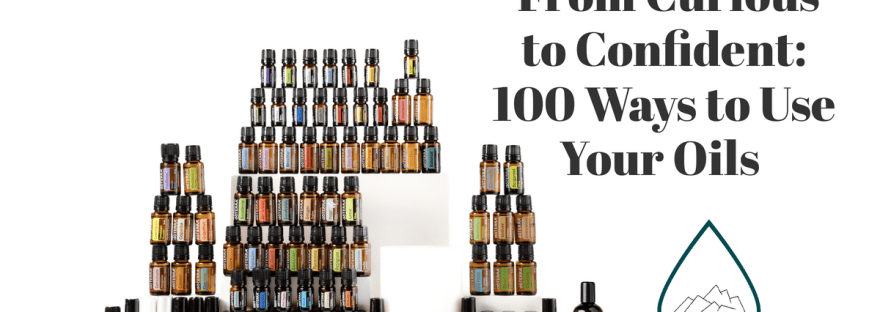
💧 From Curious to Confident: 100 Ways to Use Your Oils 💧

Ever stared at your essential oil bottles and thought, “What now?” You’re not alone! That question is exactly what inspired our most recent class: 100 Uses for Essential Oils—and what a class it was!

Whether you’re brand new to essential oils or you’ve got a collection that rivals a small apothecary, this class was designed to take your oil use from hesitant to heck yes!

We laughed, we learned, we sniffed, we blended—and yes, we discovered dozens of ways to stop letting our oils gather dust and start letting them do the work they were made to do.


🌿 What We Covered: A Quick Recap

Our class was based on the super-handy guide 100 Uses for Essential Oils, and WOW—there’s a lot packed into that little booklet. Here’s how we broke it down in class:

✨ The Three Main Ways to Use Oils

  1. Aromatic: Think diffusers, room sprays, and breathing in oils straight from your hands. We demoed some mood-boosting blends and even made a linen spray!
  2. Topical: From head tension to bug bites to glowing skin—applying oils directly (with proper dilution) is a game-changer.
  3. Internal: Yep, you can safely take some oils internally! Think Lemon in your water or DigestZen in a veggie cap for those tricky tummy days.

🌀 10 Everyday Categories That Covered It All:

We walked through 10 main areas where essential oils shine—and how YOU can put them to work in your everyday life:

  1. Aromatic Use – Create uplifting or calming environments with just a few drops.
  2. Topical Use – Rollers, massage blends, and tension-targeting tricks.
  3. Internal Use – Gentle ways to support your immune and digestive systems.
  4. Cooking – Elevate flavor and health with oils like Basil, Lemon, and Cinnamon.
  5. Cleaning – Safe, non-toxic DIYs that leave your space sparkling and fresh.
  6. Wellness – Think immunity, energy, and overall vitality.
  7. Sleep – Because we all deserve better rest. Serenity, Lavender, and Roman Chamomile, anyone?
  8. Hygiene + Personal Care – Ditch the chemicals and love your body with natural swaps.
  9. Fitness – From pre-workout motivation to post-workout muscle love.
  10. Mood Management – Oils that support emotional balance and mental clarity.

And yes—every single one of those had real-life, practical, doable tips. Plus, participants went home with their very own 100 Uses for Essential Oils handout to keep the inspiration going.


🎁 Missed It? You Still Have Options!

If you missed the class—don’t worry! You can still get your own copy of the 100 Uses for Essential Oils guide by scheduling a free 15-minute wellness consult with me. We’ll personalize your oils for your life, goals, and needs.

Want to host a version of this class with your friends or team? Let’s talk! I’d love to bring this oil adventure to your living room or Zoom screen.


🌈 Final Thoughts

Essential oils don’t have to be confusing. With a little guidance (and a lot of fun), they can become essential to how you care for your home, your body, and your emotions.

So go ahead—diffuse something uplifting. Roll something calming on your wrists. Drop some Lemon in your water. Because you’re more than capable of using your oils with confidence, purpose, and joy.

And remember… this is just the beginning. 🌿

Energy Healing, Healing Journey, Making a Difference, Self-Discovery

Free to Feel, Ready to Heal: Releasing Trapped Emotions, Realigning the Body, and Renewing Belief

Have you ever felt like something deep within is holding you back—an invisible weight you can’t quite name?

You’re not alone. So many of us carry emotional baggage, imbalances, and outdated beliefs that quietly shape our thoughts, relationships, health, and confidence. The good news? You can release it. You can reset. And you can rise.

Here at Beyond Possibilities, we believe healing isn’t about pushing harder—it’s about gently peeling back the layers and finding alignment with who you were always meant to be.


What Are Trapped Emotions?

Trapped emotions are unresolved emotional energies stored in the body from past experiences—grief, fear, anger, shame—that were never fully processed. Over time, these trapped energies can lead to physical discomfort, mental distress, or even blockages in personal growth.

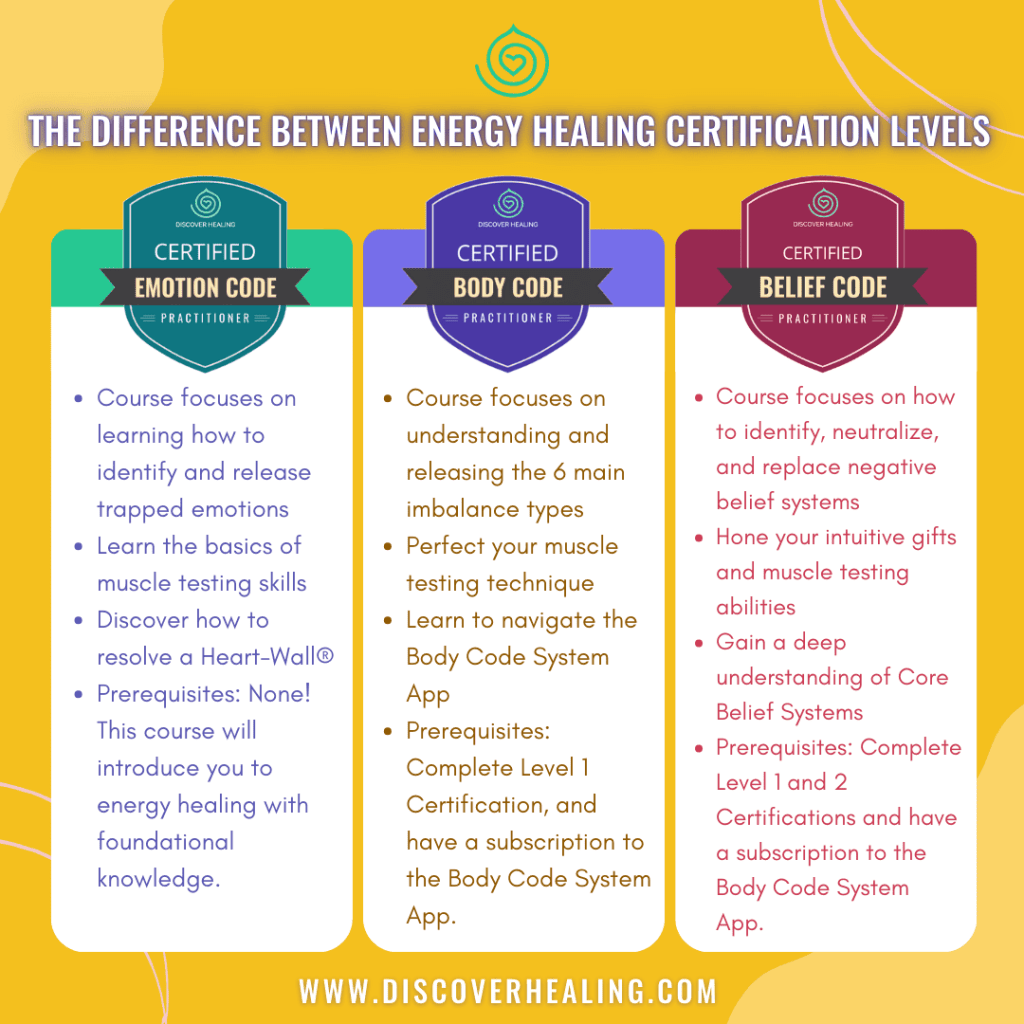
Using the Emotion Code®, a powerful yet simple method created by Dr. Bradley Nelson, we identify and release these hidden emotional energies. Through muscle testing and intention, we allow the body’s subconscious mind to guide the way, promoting emotional balance and inner peace. Many clients report feeling lighter—like they’ve finally exhaled after holding their breath for years.


Beyond Symptoms: Addressing Misalignments and Imbalances in the Body

Trapped emotions are just one piece of the puzzle. The Body Code® dives deeper into six essential areas of imbalance—energies, circuits and systems, toxins, pathogens, structural misalignments, and nutrition/lifestyle. This holistic system allows us to work with the body’s natural ability to heal itself.

Have a persistent ache that seems to defy medical explanation? Chronic fatigue that no supplement has fixed? The Body Code might uncover underlying energetic misalignments or imbalances that conventional methods overlook. These aren’t just symptoms—they’re signals. And we’re here to listen.


Rewriting the Story: Clearing Faulty and Limiting Beliefs

Your beliefs shape your reality. And many of us are living inside beliefs that were never ours to begin with—beliefs inherited from family, society, or painful experiences. These beliefs whisper lies like: I’m not good enough. I’ll never succeed. I have to struggle to be loved.

The Belief Code® offers a breakthrough process to identify and release these subconscious programs and replace them with beliefs that are empowering and true. Using a mapped system of belief types and subconscious discovery tools, we pinpoint the exact beliefs holding you back and clear them energetically—so your internal programming finally aligns with your soul’s potential.

If you’re ready to shift the story you’re telling yourself—and step into one rooted in truth, trust, and possibility—this is your invitation. Schedule a session with me and experience what it feels like to release emotional burdens, reset your energy, and realign with who you truly are. Whether you’re curious or committed, I’ll meet you where you are and walk with you every step of the way. You don’t have to carry it all anymore.


The Discovery Healing Immersion Path: A Journey of Transformation

Whether you’re navigating burnout, recovering from trauma, or simply seeking a more aligned life, the Immersion Path offers a supported, step-by-step experience in deep energetic healing. At Beyond Possibilities, we walk this path with you—through Emotion Code, Body Code, and Belief Code sessions—to clear what no longer serves and create space for what does.

This isn’t just a one-time fix; it’s a transformational journey. The Immersion Path is ideal for anyone who’s ready to commit to meaningful, lasting change—physically, emotionally, mentally, and spiritually.


Ready to Go Beyond?

If your heart is whispering there must be more, we invite you to explore a session or package through our Mentoring and Classes page. Whether you’re brand new to energy work or deeply intuitive, our goal is to guide you gently but powerfully into alignment—body, mind, and spirit.

You are not broken. You are not too much. You are not behind.

You are becoming—and we’re here to support your journey Beyond Possibilities.


✨ Let’s release, realign, and rise—together.

Essential Oils, Healing Journey, Health

Targeted Solutions with doTERRA: Building on the Foundation of Wellness

What if your wellness plan didn’t start with restriction or overwhelm—but with a strong, simple foundation?

The doTERRA Foundational Wellness Bundle gives your body what it needs to thrive daily. But when you want to personalize your health goals—whether it’s better digestion, deeper sleep, improved mood, or a metabolism that works with you—it’s time to explore targeted solutions that meet you where you are.

Let’s walk through how to build your personalized wellness path—starting with your foundation and layering in intentional support.

Start by downloading your Wellness Lifestyle Assessment.


🌱 What Is Foundational Wellness?

True wellness starts with giving your body the essential building blocks it needs every day—nutrients, healthy fats, and digestive support that work together to energize, balance, and strengthen your body from within.

That’s why doTERRA created the Foundational Wellness Bundle, which includes:

  • VMG+ Whole-Food Nutrient Complex – A daily multivitamin made with naturally sourced vitamins and minerals to support immune, bone, and cellular health.
  • EO Mega+ Essential Oil Omega Complex – A blend of plant- and marine-based omega-3s infused with essential oils and astaxanthin to support brain, heart, and joint health.
  • PB Restore ProBiome Complex – A revolutionary 3-in-1 pre-, pro-, and post-biotic formula that helps restore gut balance and support immune and digestive health.

These three daily essentials create a strong foundation to help you feel better from the inside out. But for most of us, that’s just the beginning. You can layer in specific support depending on your current needs and goals.


🎯 Targeted Solutions: Customize Your Journey

Whether you’re focused on digestion, sleep, mood, movement, or metabolism, doTERRA has solutions to help you go further. Start with two to three of the following categories based on your wellness priorities.


🌿 Digestion Support

If you feel bloated, uncomfortable, or sluggish after meals:

  • DigestZen® Essential Oil Blend or Softgels – Supports healthy digestion and soothes occasional discomfort.
  • Lemon Essential Oil – Add a drop to water for gentle daily cleansing and digestive support.
  • TerraZyme® Digestive Enzymes – Help break down food and improve nutrient absorption.

💛 Emotional Wellness

Feeling stressed, scattered, or emotionally overwhelmed?

  • Adaptiv® Calming Blend Capsules – Support emotional balance and resilience.
  • Lavender – A classic oil for relaxation, calm, and improved sleep quality.
  • Frankincense – Grounding, centering, and supportive of overall neurological function.

💤 Sleep & Rest

If you want to fall asleep faster and stay asleep longer:

  • doTERRA Serenity® Restful Complex Softgels – Combines Lavender and botanicals to help you wind down and rest.
  • Copaiba Softgels – Nourish your nervous system and promote overall calm.
  • Lavender & Cedarwood – Diffuse before bed or apply to the bottoms of feet.

🔥 Metabolism & Weight Support

Looking to support healthy weight, energy, and metabolic function?

  • MetaPWR® Metabolic System – A powerful trio (MetaPWR Blend, Softgels, and Assist) that supports metabolic health, energy levels, and graceful aging.
  • MetaPWR® Blend – Add to water throughout the day to help manage appetite and support fat metabolism.
  • MetaPWR® Softgels – Convenient capsules for targeted support on the go.

🏃‍♀️ Movement & Recovery

Whether you’re starting a new workout routine or managing everyday activity:

  • MetaPWR® Blend and Softgels – Support stamina, muscle energy, and recovery so you can stay active longer.
  • Deep Blue® Rub or Oil – Apply before or after movement to soothe tired muscles and support comfort.
  • Turmeric Dual Chamber Capsules – Combines oil and extract for powerful recovery, inflammation support, and antioxidant action.

🔬 Cellular Support

Looking for vitality that runs deep? Focus on your cells:

  • DDR Prime® Softgels – Cellular renewal support to protect against oxidative stress.
  • Alpha CRS+ – Found in LLV and rich in polyphenols to support longevity and mitochondrial health.
  • Frankincense – A master oil that supports cellular, immune, and emotional wellness.

💡 How to Get Started

  1. Begin with the Foundational Wellness Bundle – Take your VMG+, EO Mega+, and PB Restore daily.
  2. Identify Two to Three Target Areas – Focus on what your body and mind need most right now.
  3. Add Targeted Support Products – Layer in oils or supplements that help address your goals.
  4. Book a Wellness Consult – Get customized guidance and build a plan that works for you long-term.

🌍 Why Choose doTERRA?

doTERRA stands for purity, transparency, and purpose. Their CPTG® Certified Pure Tested Grade essential oils and supplements are rigorously tested, ethically sourced, and backed by science—so you can trust what you’re putting into your body.

From supporting immune health to emotional balance to graceful aging, doTERRA gives you powerful natural tools that make a difference.


✨ Final Thoughts

You don’t need to overhaul your life to feel better—you just need a foundation and a plan. Start simple, listen to your body, and layer in support that’s aligned with your goals.

With the Foundational Wellness Bundle and intentional product choices, you can build a wellness routine that supports your energy, clarity, mood, movement, and more.

Wellness isn’t a destination—it’s a lifestyle. And you deserve one that feels vibrant, resilient, and uniquely you.