doTERRA’s new CPTG®, Organic, Hexane-Free Castor Oil brings a time-tested natural ingredient into modern self-care. Grounded research shows its core fatty acid, ricinoleic acid, influences smooth-muscle receptors responsible for castor oil’s traditional laxative use (Tunaru et al., 2012). Topically, it’s a thick, nurturing emollient that seals moisture and slows evaporation of essential oils (CIR Expert Panel, 2007).
Evidence snapshot: A controlled clinical study in elderly adults demonstrated that abdominal castor oil packs eased constipation discomfort (Arslan & Eser, 2011), while an exploratory dermatology trial found castor oil cream brightened under-eye skin tone (Parvizi et al., 2024). These early data hint at localized benefits, though large-scale trials are still pending.
What about “detox”? Experts emphasize that castor oil does not remove systemic toxins; the liver and kidneys already perform that task. However, mindful rituals such as gentle abdominal packs may enhance relaxation and circulation — supportive, not curative (MD Anderson, 2023).
Why choose organic and hexane-free? Cold-press extraction avoids chemical solvents like hexane, aligning with cleaner environmental and consumer-safety practices (Cravotto et al., 2022; EUFIC, 2025). doTERRA’s sourcing ensures a solvent-free, USDA-certified organic product designed for safe topical blending (doTERRA, 2025).
How to use it safely
Patch-test every new blend.
Apply small amounts — a few drops per area.
Use packs two or three times per week at most.
Avoid internal use or use during pregnancy unless advised by a clinician (Alookaran, 2024).
Arslan, G. G., & Eser, I. (2011). An examination of the effect of castor oil packs on constipation in the elderly. Complementary Therapies in Clinical Practice, 17(1), 58–62. https://doi.org/10.1016/j.ctcp.2010.04.004
Cosmetic Ingredient Review Expert Panel. (2007). Final report on the safety assessment of Ricinus communis (castor) seed oil and related ingredients. International Journal of Toxicology, 26(Suppl 3), 31–77. https://doi.org/10.1080/10915810701663150
Cravotto, G., et al. (2022). Towards substitution of hexane as extraction solvent of food products and ingredients with no regrets. Foods, 11(21), 3412. https://doi.org/10.3390/foods11213412
Parvizi, M. M., Saki, N., Samimi, S., Radanfer, R., Shahrizi, M. M., & Zarshenas, M. M. (2024). Efficacy of castor oil cream in treating infraorbital hyperpigmentation: An exploratory single-arm clinical trial. Journal of Cosmetic Dermatology, 23(3), 911–917. https://doi.org/10.1111/jocd.16056
Tunaru, S., Althoff, T. F., Nüsing, R. M., Diener, M., & Offermanns, S. (2012). Castor oil induces laxation and uterus contraction via ricinoleic acid activating prostaglandin EP3 receptors. Proceedings of the National Academy of Sciences of the United States of America, 109(23), 9179–9184. https://doi.org/10.1073/pnas.1201627109
Grief, loss, and life’s hardest traumas can feel overwhelming, leaving the heart heavy and the mind clouded. During these times, it’s not about pushing emotions away but learning how to honor and process them. By combining natural approaches—such as breathwork, journaling, meditation, energy healing, and aromatherapy—we can create supportive spaces for healing. These practices, rooted in both tradition and research, help release what weighs us down while building emotional resilience.
Energy Healing for Emotional Release
Many people hold unresolved emotions in the body, leading to stress, pain, and imbalance. Energy healing techniques like the Emotion Code, Body Code, and Belief Code are designed to release these emotional burdens.
Emotion Code focuses on identifying and clearing trapped emotions that may contribute to anxiety, sadness, or tension. In a study with 146 participants, significant reductions in self-reported depression, anxiety, and PTSD symptoms were observed after sessions with this modality, though more controlled research is needed (Gelb et al., 2021).
Body Code expands this approach to include physical, energetic, and structural imbalances that can affect overall wellness.
Belief Code addresses limiting subconscious beliefs that may keep people stuck in cycles of grief or pain. Once emotional barriers are released, healthier thought patterns can emerge.
While scientific validation continues to grow, these approaches align with widely accepted psychological concepts of mind-body connection and the importance of processing emotions rather than storing them internally (Bucci, 2025).
Unlock the Secrets to Lasting Emotional Wellness in Just a Few Days & Transform Your Life by Joining the Immersion Path.
Natural Tools for Emotional Healing
Breathwork
Breathwork helps regulate the nervous system and calm emotional reactivity. By slowing and deepening the breath, the body shifts from a fight-or-flight state into a calmer, more restorative mode.
Journaling
Writing out feelings provides clarity and helps organize overwhelming emotions. Journaling offers a safe space to name experiences, uncover insights, and begin reframing grief into meaning.
Meditation
Meditation practices—whether focused attention, mindfulness, or loving-kindness—help reduce distress and promote emotional stability. Neuroimaging studies show that meditation activates brain regions linked to empathy and regulation, such as the insula and anterior cingulate cortex (Fox et al., 2016).
Aromatherapy with doTERRA CPTG® Essential Oils*
Scent has a direct influence on the limbic system, the part of the brain that governs emotions and memories. Using doTERRA Certified Pure Tested Grade (CPTG®) essential oils can provide powerful emotional support during times of grief:
Console® Comforting Blend (Rose, Ylang Ylang, Frankincense, Sandalwood) offers calming, balancing support when sadness feels heavy.
Forgive® Renewing Blend(Nootka Tree, Thyme, Melissa) encourages self-compassion and renewal during emotional recovery.
Cheer® Uplifting Blend (Wild Orange, Cinnamon Bark, Star Anise) sparks optimism and helps shift lingering gloom.
Bergamot Essential Oil has shown promise in reducing PTSD-related symptoms such as sleep disruption and negative mood in first responders (Daniel, 2023).
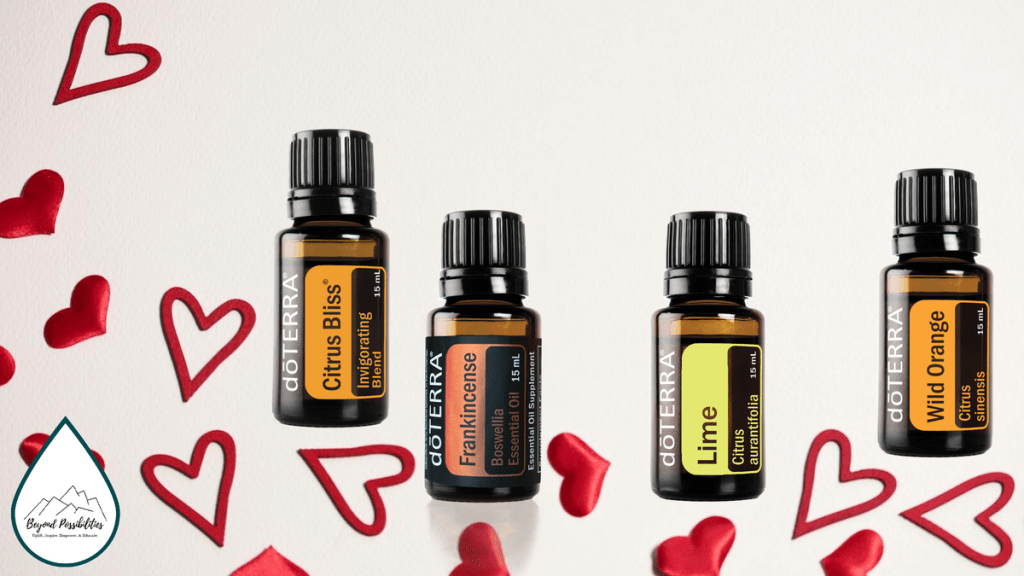
Lime Essential Oilhas been shown to imbue the soul with a zest for life and promotes courage. It is renewing, energizing and purify. Paired with other oils it magnifies their effect.
Balance® Grounding Blend The warm, woody aroma of doTERRA Balance Grounding Blend helps create a calming, quieting environment as you consider all aspects of life: relationships, work, fitness, health, and emotional well-being.
Peace® Reassuming Blend A gentle blend of floral and mint oils, doTERRA Peace Reassuring Blend serves as a positive reminder that you don’t have to be perfect to find peace.
From a biochemical perspective, compounds like linalool (Lavender, Clary Sage) and beta-pinene (Lemon, Lime, White Fir) interact with neurotransmitter systems linked to serotonin and dopamine, potentially easing anxious or sad feelings (doTERRA, n.d.-b).
While results vary, aromatherapy remains a gentle, non-invasive complement to emotional healing practices. Safety should always be prioritized, including dilution for topical use and sourcing oils from reputable providers such as doTERRA (Johns Hopkins Medicine, 2024).
Honoring emotions during grief and trauma means allowing space for release, reflection, and renewal. Breathwork, journaling, meditation, energy healing, and essential oils each offer unique pathways toward peace. Together, they create a holistic framework for processing heavy feelings while building resilience for the road ahead.
Healing is not about forgetting loss—it’s about finding light in the darkness and carrying forward with strength and compassion.
*These statements have not been evaluated by the Food and Drug Administration. This product is not intended to diagnose, treat, cure, or prevent any disease.
Daniel, D. R. (2023). The use of Bergamot essential oil for PTSD symptomology: A qualitative study. American Journal of Qualitative Research, 7(1), 59–74. https://doi.org/10.29333/ajqr/13596
Fox, K. C. R., Dixon, M. L., Nijeboer, S., Girn, M., Floman, J. L., Lifshitz, M., Ellamil, M., Sedlmeier, P., & Christoff, K. (2016). Functional neuroanatomy of meditation: A review and meta-analysis of 78 functional neuroimaging investigations. Neuroscience & Biobehavioral Reviews, 65, 208–228. https://doi.org/10.1016/j.neubiorev.2016.03.021
In the delicate interplay between touch and scent lies a profound pathway to healing. The AromaTouch® Technique weaves together essential oils and touch in a choreography that envelops body, mind, and spirit. Let’s explore the emotional and physical resonance of each oil—and discover the scientific foundations behind why AromaTouch® touches so deeply.
The Oils: Emotional Resonance and Physical Support*
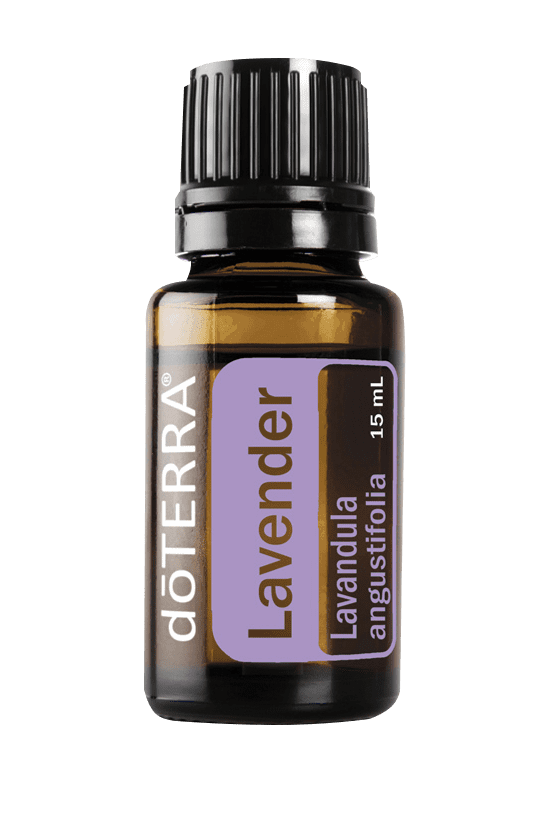
Lavender: A familiar friend in aromatherapy, lavender soothes the nervous system and invites calm. Its gentle floral notes ease emotional turbulence and support restful ease.
Tea Tree (Melaleuca alternifolia): Known for its purifying and cleansing qualities, tea tree oil supports healthy immune function and brings clarity—both to the environment and the spirit.
Peppermint: With a refreshing, invigorating presence, peppermint awakens the senses, helps soothe occasional digestive or muscular tension, and anchors mind and body in alert groundedness.
Balance®: Created from Spruce, Ho Wood, Frankincense, Blue Tansy, and Blue Chamomile, Balance promotes emotional grounding and stability. Physically, its calming effects help relax the body while emotionally it encourages harmony, connectedness, and tranquility—an anchor when life feels unsettled.
On Guard®: A fusion of Wild Orange, Clove, Cinnamon, Eucalyptus, and Rosemary, On Guard is renowned for its immune-supportive properties. It shields and fortifies the body while emotionally creating a sense of strength, safety, and resilience against life’s stressors.
Wild Orange: The sweet, citrus brightness of Wild Orange uplifts mood, sparks creativity, and invites joy. Physically, it supports healthy immune function and energy, while emotionally it fosters abundance, optimism, and playful lightness—balancing the heavier moments of life.
AromaTouch®: A proprietary fusion—often including Idaho Blue Spruce, Marjoram, Lavender, Cypress, and Peppermint—crafted to shepherd relaxation, ease stress, and foster emotional equilibrium.
Deep Blue®: With Wintergreen, Camphor, Peppermint, Ylang Ylang, Helichrysum, Blue Tansy, Blue Chamomile, and Osmanthus, Deep Blue is formulated to comfort and cool. Physically, it supports muscles and joints after activity, while emotionally it offers relief from carrying heavy burdens, easing tension, and encouraging a sense of resilience and renewal.
Together, this curated union supports dual flows: emotional de-stress and physical ease—like a river yielding gently to clear its course.
The Gift of Touch: A Bridge Between Soul and Cells
The sensation of touch is more than a sensory input—it is a fundamental human necessity, a nourishing conduit between inner and outer worlds. A sweeping meta-analysis of 137 studies (12,966 individuals) confirms that touch interventions yield medium-sized benefits for both physical and mental health. They significantly reduce pain, depression, anxiety, and even regulate stress markers like cortisol, across age groups from newborns to adults (Packheiser et al., 2024) Nature. Notably, touch from another person often offers greater mental health benefits than object-based contact—though even weighted blankets or friendly robots can meaningfully support well-being The Guardian.
This “gift of touch” calms the nervous system, deepens emotional connection, and helps create alignment between mind, body, and spirit. It is both a soothing whisper to frazzled nerves and a grounding hand in times of internal turbulence.
The Science: Why AromaTouch® Touches Deeper
1. Precision of Application
Unlike random diffusion, AromaTouch® oils are applied topically along specific meridians and points—spine, shoulders, feet—enhancing absorption and guiding their influence toward the nervous and circulatory systems PMC.
2. Touch as Therapeutic Medium
The technique’s structured massage supports autonomic balance, helping shift the body from a stressed sympathetic state into restorative parasympathetic rhythms. This carries measurable benefits—lowered cortisol, reduced blood pressure, and a palpable sense of ease PMC.
3. Synergy of Oils and Touch
Studies on AromaTouch® demonstrate that combining precise essential oils with intentional touch amplifies therapeutic outcomes—more profound stress relief and overall well-being than either touch or oils alone PMC.
Living the AromaTouch® Experience
Emotional Flourish Lavender’s calm, Peppermint’s clarity, Marjoram’s release—they mingle to guide us from tension-holder into gentle presence. Each inhalation is a step toward emotional alignment.
Physical Ease AromaTouch®, Deep Blue® soothes, Peppermint refreshes—all carried through touch into tense tissue, inviting release.
Nervous System Balance Intentional strokes offer a passage from overwhelm to tranquility, a reset woven through scent and skilled touch.
Nature-Aligned Healing Crafted with CPTG® purity standards, the oils resonate with integrity, honoring both environmental respect and holistic wellness.
The AromaTouch® Technique doesn’t demand transformation—but invites a soft return to harmony. Lavender cradles anxious thoughts. Peppermint sparks clarity. Marjoram calms the body. Cypress roots the spirit. All guided by kind touch, validated by science, and enriched by human connection.
May each AromaTouch® experience be a poetic pause—a gentle reminder that possibility blooms when intention meets nature.
*These statements have not been evaluated by the Food and Drug Administration. This product is not intended to diagnose, treat, cure, or prevent any disease.
Essential Oils Pure and Natural | doTERRA Essential Oils. (2017, March 24). Doterra.com. https://doterra.com/
Packheiser, J., Hartmann, H., Fredriksen, K., Gazzola, V., Michon, F., & Keysers, C. (2024). The physical and mental health benefits of touch interventions: A systematic review and multivariate meta-analysis. Nature Human Behaviour, 8, 1088–1107. https://doi.org/10.1038/s41562-024-01841-8
Toshniwal P. P. (2024, April 9). The healing power of touch: Study finds moderate health benefits across ages. News-Medical.
Total Wellness Publishing. (2023). The essential life : a simple guide to living the wellness lifestyle. Total Wellness Publishing. ISBN 9 781737 692461
Smith, M. C. (2023). A Unitary Theory of Healing Through Touch. [Review]. Indian Journal of Integrative Medicine.
We’ve all had that “just one more” moment—just one more cookie, one more cup of coffee, one more scroll through social media. While some habits are harmless in moderation, others can snowball into patterns that steal our time, health, and peace of mind. Whether it’s sugar, soda, caffeine, alcohol, tobacco, gaming, gambling, or even hours lost in the glow of your phone, the good news is this: you are not powerless.
Through a powerful blend of mindfulness practices, essential oils, and emotional energy work, you can reclaim control and create the freedom you crave.
Understanding the Pull of Addiction
Addiction—whether to substances or behaviors—alters brain chemistry, rewiring our reward system to crave the “hit” of dopamine and other feel-good chemicals (Volkow et al., 2016). While substance addictions like alcohol, nicotine, or sugar involve a physical dependence, behavioral addictions—such as gaming, gambling, or compulsive scrolling—can be just as consuming. The underlying mechanism is the same: repeated exposure to a stimulus that triggers pleasure leads to stronger cravings and weakened self-control (Pine Rest, 2023).
The encouraging news? Recovery isn’t always a straight road through clinical treatment alone. Many “natural recoverers” have kicked habits by building self-awareness, using supportive tools, and making intentional lifestyle changes (Harvard Health, 2012).
Mindfulness: The First Step Toward Freedom
Mindfulness helps you notice the urge before it turns into action. It strengthens the “pause button” between craving and choice. Simple practices like deep breathing, meditation, gratitude journaling, and mindful movement can regulate your nervous system, reduce stress, and reframe your relationship with urges (Garland et al., 2014).
Pair mindfulness with intentional self-care, and you start to rewire the brain toward healthier rewards.
Essential Oils: Nature’s Support System for Recovery*
Aromatherapy works through the olfactory system to influence mood, memory, and emotion—areas of the brain directly connected to craving and habit loops (American Addiction Centers, 2021). Essential oils can help manage withdrawal symptoms, regulate mood, and reinforce emotional stability during recovery (Avenues Recovery, 2024).
2. Choose According to Your Challenge:
Tobacco / nicotine: Black pepper, angelica, lavender, peppermint, rosemary, sweet orange, Roman chamomile (Avenues Recovery, 2024).
Alcohol withdrawal: Ginger, lemon, lavender, black pepper, geranium, fennel, grapefruit, mandarin, rosemary, Roman chamomile (Avenues Recovery, 2024).
The Missing Link: Clearing the Root Cause with Emotional Healing
Many addictions—whether physical or behavioral—stem from trapped emotions, unresolved trauma, and limiting beliefs. This is where The Emotion Code®, The Body Code™, and The Belief Code® from Discover Healing come in.
The Emotion Code® helps identify and release trapped emotions stored in the body that can drive addictive behaviors.
The Body Code™ addresses imbalances in the body—physical, emotional, and energetic—that contribute to cravings or compulsive patterns.
The Belief Code® targets and clears faulty beliefs that keep you feeling stuck, such as “I can’t change” or “I need this to cope” (Discover Healing, n.d.).
By combining these techniques with essential oils and mindfulness, you address the addiction from all angles—mind, body, and spirit.
Identify your triggers. Keep a journal to notice when cravings strike.
Choose your oils from the list above to match your biggest challenges.
Practice mindfulness daily—even 5 minutes makes a difference.
Release trapped emotions and limiting beliefs through Emotion Code, Body Code, and Belief Code sessions.
Celebrate small wins and track your progress.
Overcoming addictions—big or small—is not about willpower alone. It’s about creating an environment and internal state that supports your success. With the right tools, the right mindset, and the right support, victory is within reach.
Week-by-Week Structure
Week 1: Foundations & Embodiment
Introductions & Goal Setting
Guided diaphragmatic breathing or slow-paced breathwork (just 5 minutes/day).
Evidence: Breathwork significantly reduces stress, anxiety, and depressive symptoms, improves heart-rate variability, and enhances parasympathetic activity. News-MedicalNature
Opening discussion: Triggers, hopes, and current habits.
Gentle movement: mindful walking or light yoga to start attuning to body-mind connection.
Week 2: Breath as Reset
Teach cyclic sighing (focus on the exhale) and ultra-brief breath counting exercises.
Evidence: These techniques improve mood, reduce anxiety, and promote faster recovery from stress-induced cravings. PMC+1
Daily micro-practice: choose one—cyclic sighing or breath counting for 5 minutes.
Week 3: Mindfulness for Craving Resilience
Practice mindful pauses and urge surfing—observing cravings without reacting.
Short mindfulness audio exercise (~10 minutes) to help reduce alcohol or food intake. WIREDTIME
Week 4: Aromatherapy & Emotional Anchoring
Introduce lavender (for anxiety/sleep), citrus oils, rosemary, cinnamon—used via inhalation or diluted application.
Evidence: Lavender inhalation can reduce anxiety and improve sleep; other oils offer antioxidant, anti-inflammatory, and mood-regulating benefits. FrontiersPMC+1MDPIScienceDirect
Create a personalized “craving support blend” ritual.
Week 5: Movement
Gentle movement routines: yoga or mindful walking.
Evidence: Yoga supports mood regulation, sleep, anxiety reduction, and helps those in addiction recovery. Verywell Mind
Week 6: Emotional Healing & Reflection
Emotional check-in and journaling: exploring guilt, self-compassion, and recovery identity.
Introduce breathwork for emotional release (e.g., guided holotropic or expressive breathing).
Although preliminary, holotropic breathwork has shown potential in reducing anxiety and supporting addiction recovery. ResearchGate
Week 7: Integrative Daily Practices
Build a daily toolkit integrating breathwork, mindfulness, aromatherapy, movement, and supplements.
Small group sharing: which routines worked best and why.
Dedicated “re-entry” breath + oil ritual to counter cravings or stress.
Week 8: Maintenance & Moving Forward
Final reflections, personal recovery plans, community-sharing.
Resources for continued growth: local mindfulness groups, online breathwork guides, certified aromatherapists.
Emphasize ongoing support, whether through community, therapy, or peer groups.
Reduces depression, anxiety and enhances mental health—beneficial in addiction context. Verywell Mind
*⚠DISCLAIMER⚠ All media content created by Beyond Possibilities and the AromaVibe is intended for educational purposes only. *These statements have not been evaluated by the Food and Drug Administration. This is not intended to diagnose, treat, cure, or prevent any disease.
Garland, E. L., Froeliger, B., & Howard, M. O. (2014). Mindfulness training targets neurocognitive mechanisms of addiction at the attention-appraisal-emotion interface. Frontiers in Psychiatry, 4, 173. https://doi.org/10.3389/fpsyt.2013.00173
Volkow, N. D., Koob, G. F., & McLellan, A. T. (2016). Neurobiologic advances from the brain disease model of addiction. The New England Journal of Medicine, 374(4), 363–371. https://doi.org/10.1056/NEJMra1511480
Breathwork
Nivethitha, L., Mooventhan, A., & Manjunath, N. K. (2016). Effects of various pranayama on cardiovascular and autonomic variables. Ancient Science of Life, 36(2), 72–77. https://doi.org/10.4103/asl.ASL_178_16
Zaccaro, A., Piarulli, A., Laurino, M., Garbella, E., Menicucci, D., Neri, B., & Gemignani, A. (2018). How breath-control can change your life: A systematic review on psycho-physiological correlates of slow breathing. Frontiers in Human Neuroscience, 12, 353. https://doi.org/10.3389/fnhum.2018.00353
Balban, M. Y., Morrissey, K., Cao, A., Arulpragasam, A. R., Prust, M. J., Krishnan, A., … & Spiegel, D. (2023). Breathing practices for affective regulation: Investigations into physiology, behavior, and mechanisms. Cell Reports Medicine, 4(1), 100897. https://doi.org/10.1016/j.xcrm.2022.100897
Mindfulness
Bowen, S., Chawla, N., & Marlatt, G. A. (2011). Mindfulness-based relapse prevention for addictive behaviors: A clinician’s guide. Guilford Press.
Li, W., Howard, M. O., Garland, E. L., McGovern, P., & Lazar, M. (2017). Mindfulness treatment for substance misuse: A systematic review and meta-analysis. Journal of Substance Abuse Treatment, 75, 62–96. https://doi.org/10.1016/j.jsat.2017.01.008
Tang, Y. Y., Hölzel, B. K., & Posner, M. I. (2015). The neuroscience of mindfulness meditation. Nature Reviews Neuroscience, 16(4), 213–225. https://doi.org/10.1038/nrn3916
Essential Oils / Aromatherapy
Perry, N., & Perry, E. (2006). Aromatherapy in the management of psychiatric disorders: Clinical and neuropharmacological perspectives. Central Nervous System Drugs, 20(4), 257–280. https://doi.org/10.2165/00023210-200620040-00001
Koulivand, P. H., Khaleghi Ghadiri, M., & Gorji, A. (2013). Lavender and the nervous system. Evidence-Based Complementary and Alternative Medicine, 2013, 681304. https://doi.org/10.1155/2013/681304
Lakhan, S. E., & Vieira, K. F. (2010). Nutritional and herbal supplements for anxiety and anxiety-related disorders: Systematic review. Nutrition Journal, 9(1), 42. https://doi.org/10.1186/1475-2891-9-42
Sivaramakrishnan, D., Fitzsimons, C., Kelly, P., Ludwig, K., Mutrie, N., Saunders, D. H., & Baker, G. (2019). The effects of yoga compared to active and inactive controls on physical function and health-related quality of life in older adults: A systematic review and meta-analysis of randomized controlled trials. International Journal of Behavioral Nutrition and Physical Activity, 16, 33. https://doi.org/10.1186/s12966-019-0797-2
Holotropic / Expressive Breathwork
Brewerton, T. D., Eyerman, J. E., Cappetta, P., & Mithoefer, M. C. (2012). Long-term abstinence following holotropic breathwork as adjunctive treatment of substance use disorders and related psychiatric comorbidity. Journal of Alternative and Complementary Medicine, 18(9), 795–802. https://doi.org/10.1089/acm.2011.0284
Ever stared at your essential oil bottles and thought, “What now?” You’re not alone! That question is exactly what inspired our most recent class: 100 Uses for Essential Oils—and what a class it was!
Whether you’re brand new to essential oils or you’ve got a collection that rivals a small apothecary, this class was designed to take your oil use from hesitant to heck yes!
We laughed, we learned, we sniffed, we blended—and yes, we discovered dozens of ways to stop letting our oils gather dust and start letting them do the work they were made to do.
🌿 What We Covered: A Quick Recap
Our class was based on the super-handy guide 100 Uses for Essential Oils, and WOW—there’s a lot packed into that little booklet. Here’s how we broke it down in class:
✨ The Three Main Ways to Use Oils
Aromatic: Think diffusers, room sprays, and breathing in oils straight from your hands. We demoed some mood-boosting blends and even made a linen spray!
Topical: From head tension to bug bites to glowing skin—applying oils directly (with proper dilution) is a game-changer.
Internal: Yep, you can safely take some oils internally! Think Lemon in your water or DigestZen in a veggie cap for those tricky tummy days.
🌀 10 Everyday Categories That Covered It All:
We walked through 10 main areas where essential oils shine—and how YOU can put them to work in your everyday life:
Aromatic Use – Create uplifting or calming environments with just a few drops.
Topical Use – Rollers, massage blends, and tension-targeting tricks.
Internal Use – Gentle ways to support your immune and digestive systems.
Cooking – Elevate flavor and health with oils like Basil, Lemon, and Cinnamon.
Cleaning – Safe, non-toxic DIYs that leave your space sparkling and fresh.
Wellness – Think immunity, energy, and overall vitality.
Sleep – Because we all deserve better rest. Serenity, Lavender, and Roman Chamomile, anyone?
Hygiene + Personal Care – Ditch the chemicals and love your body with natural swaps.
Fitness – From pre-workout motivation to post-workout muscle love.
Mood Management – Oils that support emotional balance and mental clarity.
And yes—every single one of those had real-life, practical, doable tips. Plus, participants went home with their very own 100 Uses for Essential Oils handout to keep the inspiration going.
🎁 Missed It? You Still Have Options!
If you missed the class—don’t worry! You can still get your own copy of the 100 Uses for Essential Oils guide by scheduling a free 15-minute wellness consult with me. We’ll personalize your oils for your life, goals, and needs.
Want to host a version of this class with your friends or team? Let’s talk! I’d love to bring this oil adventure to your living room or Zoom screen.
🌈 Final Thoughts
Essential oils don’t have to be confusing. With a little guidance (and a lot of fun), they can become essential to how you care for your home, your body, and your emotions.
So go ahead—diffuse something uplifting. Roll something calming on your wrists. Drop some Lemon in your water. Because you’re more than capable of using your oils with confidence, purpose, and joy.