Essential Oils, Healing Journey, Health

Celebrate Without Compromise Tradition and Flavor!

Simple ways to savor the season—joyfully and comfortably

The holidays bring moments of laughter, light, and connection. Yet they can also bring a few challenges—too much sugar, a bit of stress, and that “I overdid it” feeling after another round of celebrations.

This guide is here to help you celebrate without compromise—to enjoy every flavor, every gathering, and every memory while still feeling vibrant, balanced, and at ease. Whether you joined our class or simply discovered this resource, you’ll find practical tips, essential oil support, and smart habits to help you stay energized through the entire season.


🍽️ Eat, Enjoy, and Feel Amazing

Food connects us—it’s how we gather, share, and celebrate. The goal isn’t restriction, it’s intention.

Try these simple approaches to keep your body happy while you enjoy the festivities:

  • Start with balance. Begin meals with something nourishing like protein or fiber to keep blood sugar steady.
  • Hydrate often. Add a drop of Lemon or Grapefruit essential oil to your water for a refreshing, cleansing boost.
  • Mindful indulgence. Savor every bite. Pause, breathe, and let your senses experience the joy of what’s on your plate.

You’ll also find that a few smart swaps go a long way:

  • Sparkling water + a drop of Wild Orange instead of soda or mixers.
  • Yogurt-based dips with herbs and a hint of Lemon oil instead of heavy creams.
  • Essential oil–infused dark chocolate treats instead of overly sweet desserts.

🌿 Essential Oils for Digestive and Emotional Balance

Essential oils and targeted supplements can offer powerful support for both the body and mind during the holidays. Try incorporating these into your daily routine to help keep energy and digestion on track:

  • DigestZen®: Roll on the abdomen after large meals or add a drop to water to support digestion and comfort.
  • Peppermint: Breathe deeply before gatherings for a clear, refreshed mind—or take internally for digestive support.
  • Lemon: Brightens mood and supports natural cleansing pathways.
  • Citrus Bliss® or Holiday Joy®: Diffuse for an instant mood lift and festive atmosphere.

And for extra metabolic and digestive balance this season, explore these powerful additions from doTERRA’s MetaPWR™ System and TerraZyme:

  • MetaPWR Assist:
    This innovative supplement supports healthy glucose metabolism and helps promote balanced energy throughout the day. Taken with your largest meal, it helps moderate post-meal glucose spikes—perfect for keeping your energy and focus steady through holiday feasts and festivities.
  • MetaPWR Softgels:
    A convenient way to experience the benefits of the MetaPWR Metabolic Blend, these softgels help curb cravings, support metabolic health, and assist in maintaining a healthy weight. They’re an easy addition to your daily routine to help you feel your best—no matter what’s on the menu.
  • doTERRA TerraZyme is safe and effective and can be taken with every meal. It includes the doTERRA tummy tamer blend of peppermint, ginger, and caraway seed extracts to promote gastrointestinal comfort. The tummy tamer blend is especially helpful for those needing targeted digestive health, such as with protein, fat, and carbohydrate intolerances (like lactose).*

Together, these natural tools work in harmony to support both digestive comfort and emotional well-being, so you can enjoy every moment without compromise.


✨ Stay Energized and Grounded

The key to thriving through the holidays is balance—supporting your energy without burning out. Here are a few small habits that make a big difference:

  • Morning reset: Begin your day with warm water and a drop of Lemon essential oil. Roll Balance® on your feet and the back of your neck to not only ground but support emotional balance.
  • Move gently: Take a short walk or stretch after meals to support digestion and energy flow.
  • Rest intentionally: Diffuse Adaptiv® or Shinrin-Yoku in the evening to unwind and promote restful sleep.
  • Breathe deeply: A few slow, intentional breaths with your favorite calming oil can bring you back to the present moment anytime.

💃 Move to Support Digestion

Movement is one of the most natural ways to support digestion, balance blood sugar, and lift your mood—especially after those rich holiday meals. You don’t need a full workout to make a difference; even small, intentional movement helps your body process and use nutrients more effectively.

Try incorporating some of these gentle movement practices throughout your day:

  • Walk it out: A 10–15 minute walk after meals encourages healthy digestion and helps regulate blood sugar.
  • Twist and stretch: Gentle yoga twists or standing side bends can stimulate digestive organs and ease bloating.
  • Dance in the kitchen: Turn on your favorite playlist and move with joy while cooking or cleaning up—it’s good for body and soul!
  • Breathe and sway: Slow, mindful breathing with light movement keeps energy flowing and tension low.

Pair your movement with essential oils like Deep Blue® for soothing muscles or Motivate® for an energizing boost.
When your body moves, your energy flows—and that flow supports both digestion and emotional balance.


💛 Celebrate the Moments That Matter

Remember—the holidays aren’t about perfection, they’re about presence. When you care for your body and emotions, you create more space for genuine connection, laughter, and gratitude.

Let this season be one of joy, nourishment, and mindful celebration. With small, intentional choices, you can truly celebrate without compromise.


🥂 Continue the Celebration

Before you dive into the recipes below, consider how essential oils and supplements can naturally complement your meals.

  • Enjoy your MetaPWR Assist capsule with your main course to help support balanced energy and digestion.
  • Add a drop of Lemon, Wild Orange, or Peppermint essential oil to your water, mocktails, or treats for bright, natural flavor.
  • Keep DigestZen and MetaPWR Softgels handy for gentle, daily support that keeps you feeling your best.

These small, mindful additions make a big difference—helping your body stay aligned while you enjoy every delicious moment.

Let this season be one of joy, nourishment, and mindful celebration. With small, intentional choices, you can truly celebrate without compromise.


🍽️ Recipes

doTERRA On Guard® Pumpkin Smoothie

Are you someone who goes crazy for pumpkin-flavored treats as soon as the first day of fall hits? If so, you’ll definitely want to try this essential oil recipe that combines the delectable taste of pumpkin pie with the doTERRA On Guard Protective Blend for the ultimate autumn treat. This doTERRA On Guard Pumpkin Smoothie is a simple way to get your pumpkin fix, while enjoying the immune-supporting benefits of doTERRA On Guard.*

Cinnamon Apple Chips

As you can tell, Cinnamon Bark oil is a favorite for fall essential oil recipes because of its distinct smell and taste that radiates the essence of the season. If you are looking for more ways to use Cinnamon essential oil this fall, try these Cinnamon Apple Chips with doTERRA essential oils. You’ll soon find that this sweet snack offers a guilt-free alternative to a bag of potato chips.

Glazed Spicy Sweet Potatoes

The colors and flavors of fall are in full swing with this essential oil recipe. The perfect companion for ham, turkey, stuffing, or any traditional fall foods, these potatoes offer a sweet and spicy flavor that pairs well with anything savory. Using Cinnamon Bark and Ginger oil, these Glazed Spicey Sweet Potatoes provide a hearty, filling side dish for any autumn meal that everyone at the table is sure to love.

Ingredients:

  • 4 tablespoons butter, melted
  • 4 tablespoons honey
  • Juice of 1 lime
  • 2 teaspoons ground allspice
  • 8 drops doTERRA Cinnamon Bark essential oil
  • 5 drops doTERRA Ginger essential oil
  • 2 pounds orange-fleshed sweet potatoes, peeled and cut into ½-inch thick slices Kosher salt and freshly ground black pepper to taste
  • Fresh thyme sprigs for garnish (optional)

Instructions:

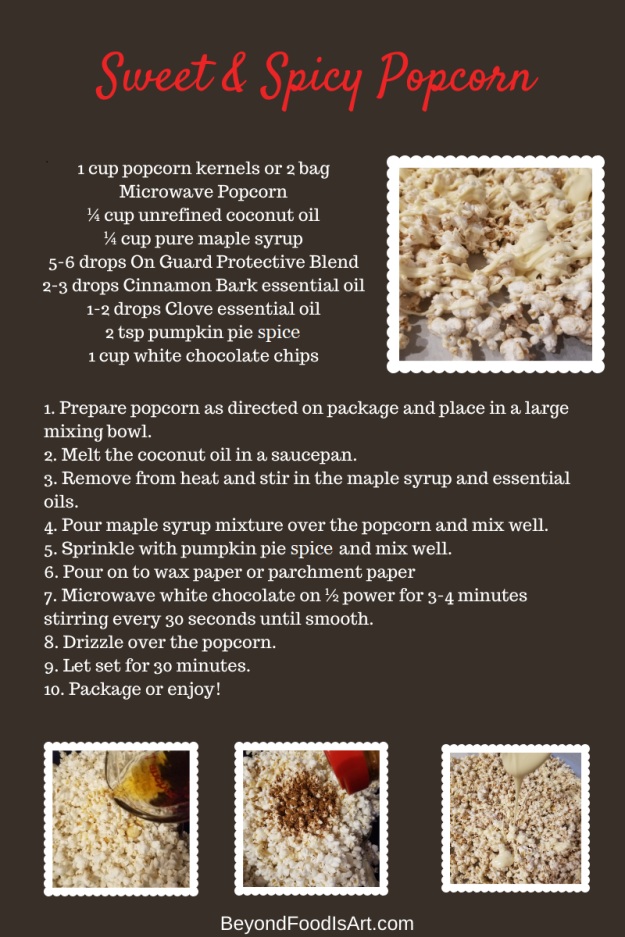
  1. Place ¼ cup of cream into small bowl, sprinkle with gelatin. Let stand to soften (about 10 minutes).
  2. While gelatin is softening, pour remaining cream and ½-cup sugar into a 2-quart saucepan; place over medium heat. Stir until sugar is dissolved. Pour into a large bowl.
  3. Add yogurt, softened gelatin/cream mixture, and Wild Orange oil; whisk until well blended and smooth.
  4. Divide between 8 martini or juice glasses and chill for several hours or overnight, until set.
  5. Once panna cotta is set, place ¼ cup of orange juice in small dish and sprinkle unflavored gelatin over the top.
  6. Set aside to soften for about 5 minutes.
  7. Heat remaining orange juice in a microwave safe dish until it begins to simmer, about 45–60 seconds.
  8. Scrape softened gelatin mixture into hot orange juice and stir until gelatin is dissolved. Set aside to cool at room temperature; divide between each of the panna cotta glasses to create an even layer on top.
  9. Refrigerate until orange gelee is set.

Roasted Butternut Squash Soup

Take advantage of fall produce with this delicious soup. Filled with vegetables and rich seasoning from Rosemary, Spanish Sage, and Black Pepper essential oils, you’ll not only love the taste, but the smell it brings into your home too.

Ingredients:

  • 3-pound butternut squash
  • Olive oil 1 large yellow onion
  • 1 large carrot
  • 1 teaspoon minced garlic
  • 1 tablespoon maple syrup
  • 1 teaspoon salt
  • Rosemary essential oil
  • Ginger essential oil
  • Spanish Sage essential oil
  • Black Pepper essential oil
  • 4 cups vegetable broth
  • ½ cup heavy cream
  • Garnish: Sour cream and roasted squash seeds

Instructions:

  1. Preheat the oven to 400°F.
  2. Slice the squash in half lengthwise and remove its seeds and membrane.
  3. Place the squash on a baking dish—cut side facing up—brush with olive oil, sprinkle with salt, and roast for 30 minutes.
  4. Remove the outer layers of the onion and quarter. Clean and rough chop the carrot, setting aside.
  5. After the squash has roasted, brush the onion and carrot with olive oil and place in the baking dish with the squash. Continue cooking for 20 minutes. (If the squash needs to be cooked more, remove the onion and carrot and return the squash into the oven until tender. Take out of the oven and let cool.)
  6. Scoop out the squash flesh and transfer to a blender along with the onion, carrot, and minced garlic, blending on high until smooth. Pour the mixture into a stock pot and slowly incorporate the maple syrup, vegetable broth, heavy cream, and salt. Simmer over medium heat.
  7. Add one drop of Ginger and Black Pepper essential oils.
  8. Dip two toothpicks into your bottles of Rosemary and Spanish Sage and insert the toothpicks into the soup, stirring.
  9. Add additional essential oils and salt to taste. Caution: A little essential oil goes a long way, especially with recipes. Add deliberately.
  10. Pour the soup into bowls and top with roasted squash seeds and sour cream.

Mini Pumpkin Pies

Ingredients

  • 2 cups pureed pumpkin
  • 1 large egg
  • ¼ cup egg whites
  • ½ cup milk of choice
  • 3 teaspoon melted butter or coconut oil
  • ⅓ cup brown sugar or honey
  • 2 tablespoons vanilla extract
  • ¼ teaspoon ground nutmeg
  • 2 drops Clove oil
  • 2 drops Ginger oil
  • 3 drops Cassia or Cinnamon Bark oil
  • 1 uncooked pie crust

Instructions

  1. Preheat oven to 350° F.
  2. Take pie crust and cut out circles to fit inside greased muffin tin. Don’t roll the dough out too thin or else the pie will fall apart after its cooked.
  3. In a blender or food processor, blend all ingredients until smooth.
  4. Evenly divide the pie filling into pie crust.
  5. Bake for 30–45 minutes or until crust lightly browns and when a toothpick inserted into the pies come out clean.
  6. Let sit for 10 minutes, or until cool. Gently remove from pan and refrigerate.

Tip: If you want to make a whole pie rather than mini pies, this recipe will make one medium sized pie.

Peppermint Chocolates

Submitted by: Mandi Felici, Virginia

Ingredients

1 ½ cup organic coconut oil

¼ cup raw honey

3 drops Peppermint oil

1 cup dark or semi-sweet chocolate chips

1 candy cane, crushed

Instructions

  1. Whip solid coconut oil, raw honey, and Peppermint essential oil together with hand mixer. The whipped filling should be white and fluffy when complete.
  2. Refrigerate whipped filling for about five minutes.
  3. Use a small scoop or measuring spoon to make small mounds of mint filling. Press down with spoon or finger to make a flat shape.
  4. Place each piece on sheet of parchment paper on top of cookie sheet. Return mints to freezer until ready to coat with chocolate.
  5. In small saucepan or double boiler, gently melt chocolate chips over low heat.
  6. Take mints out of freezer. Use fork to dip each piece in melted chocolate. Place on top of cooling rack.
  7. For holiday fun, sprinkle with crushed candy cane immediately after coating.
  8. Put chocolates back in freezer to cool until hardened. Serve chocolates immediately or store in refrigerator until you are ready to eat them.

Tip: Use a cool spoon to shape whipped filling to reduce sticking. 

Cinnamon Apple Cake

Enjoy this vegan apple cake with breakfast or as a dessert.  This healthy alternative to traditional sugary teacakes has a nice autumn flavor and goes well with a warm mug of apple cider. 

Ingredients

  • 1 ½ cups all purpose flour
  • 2 ½ teaspoons baking powder
  • ¾ cup raw sugar
  • ½ cup olive oil
  • ½ cup orange juice
  • ½ cup walnuts
  • 2 small apples, grated
  • 1 tablespoon ground cinnamon
  • 1 drop Cinnamon Bark oil

Instructions

  1. Preheat oven to 350° F. Lightly coat cake tin with olive oil.
  2. Juice orange in bowl and set aside.
  3. In a separate bowl, mix together flour, ground cinnamon, and baking powder. Set aside.
  4. Grate the apples. Set aside.
  5. In a large bowl, add sugar, olive oil, and Cinnamon Bark oil. Mix together using a handheld or free-standing mixer.
  6. Add the flour mix and the orange juice to a bowl with sugar and oil alternatively and keep mixing.
  7. Add the apples and the walnuts and fold in gently with a spoon until just combined.
  8. Pour the mixture into baking dish and bake for 45 minutes (or until a toothpick can be inserted and removed clean). Slice and enjoy.

Tip: The mixture will look a little dry until after the apples are added. This cake is best right out of the oven, but is good for a week.


Spiced Apple Crisp

Wild Orange Fruit Dip and OnGuard Apples

Chocolate Pumpkin Fudge

Pumpkin Butterscotch Streusel Muffins

Star Anise Wild Orange Shortbread Cookies

Easy Peppermint Bark

Chocolate Orange Cheese Ball

Gluten Free Pumpkin Cheesecake

Chocolate SuperMint Christmas Crunch 

Compound Butter with Essential Oils

Easy Pumpkin Chocolate Chip Cookies

Pumpkin Squares

Sweet Potato Casserole

Italian Bread Dip

doTERRA Favorite Essential Oil Recipes for Fall

Using Spice Oils

*These statements have not been evaluated by the Food and Drug Administration. This product is not intended to diagnose, treat, cure, or prevent any disease.

Healing Journey, Making a Difference, Self-Discovery

Cultivating Gratitude in November — And Beyond

The crisp November air holds a subtle invitation: to pause, inhale deeply, and turn the gaze inward with a heartfelt “thank you.” I am grateful for those who trust me as their mentor, Essential Oil Coach, and Emotion Code, Body Code, and Belief Code Practitioner. I am thankful to those who follow me on the various platforms and hope you find value in what I share. Thank you for joining me on this journey.

As the golden leaves shift into quiet rest, so too can we shift from doing to being grateful. For many years I’ve taken this month to share one daily gratitude post on social media—and this year I’m inviting you to join me. Let’s explore why this matters: the science of gratitude, how it influences our health, and how simple daily practice can ripple into our wellbeing and community.


Why Gratitude Matters: The Research Story

Gratitude is more than a feel-good notion. In psychological science it’s defined as “the appreciation of what is valuable and meaningful to oneself; a general state of thankfulness and/or appreciation” (Wood, Joseph, Lloyd, & Atkins, 2009).

Here are several evidence-based benefits:

1. Mental & Emotional Wellbeing

  • Gratitude correlates with greater happiness, more positive emotions, and improved life satisfaction (Harvard Health, 2021).
  • A meta-analysis of 64 randomized trials found gratitude interventions led to significant improvements in mental health: fewer symptoms of anxiety (−7.8 %) and depression (−6.9 %) (Jans-Beken et al., 2022).
  • Gratitude writing specifically (vs. general expressive writing) decreased stress and negative affect in a one-month follow-up (Schanche et al., 2020).

2. Physical Health & Sleep

  • Gratitude is associated with better sleep quality, reduced fatigue, fewer physical symptoms, and improved cardiovascular markers (Harvard Health, 2024).
  • Individuals with higher dispositional gratitude report greater vitality, less anxiety, and better self-rated physical health (Hill & Roberts, 2011).

3. Brain, Body, and Neural Pathways

  • Neuroscientific work shows gratitude activates brain regions tied to reward, social bonding, and emotional regulation (Fox et al., 2015).
  • Gratitude journaling helps “rewire” the brain—shifting attention toward noticing positives and strengthening social connections (The Resilience Project, 2023).

4. Relationships & Community

  • Gratitude strengthens social ties. Expressing thanks signals that we’ve received value from someone else, fostering trust, connection, and prosocial behavior (Greater Good Science Center, 2016).
  • The ripple extends beyond the individual; by nurturing gratitude, we also nurture environments of appreciation, kindness, and resilience.

How This Matters for You — And for Us Together

As I share my daily “gratitude” posts throughout November with you, here’s what I’m inviting—and what you might discover:

  • Resilience under pressure. Life brings stress, uncertainty, pain—yet research shows gratitude buffers against anxiety, depressive symptoms, and even lowers physical complaints.
  • Foundational self-care. While we often think of self-care as what we do (exercise, essential oils, sleep routines), gratitude is what we become—an orientation, a noticing.
  • Embodied payoff. Better sleep, less fatigue, improved mood—these aren’t extras; they’re foundational to showing up fully in your life, relationships, and purpose.
  • Shared transformation. When you join the daily gratitude practice with me, we create a collective momentum—a shared shift toward noticing, naming, and appreciating the good. That communal energy amplifies the individual benefits.

How to Participate: A Simple Framework

Here’s how you can join in this year’s November gratitude journey—with flexibility built in so it fits you.

  1. Download your free Gratitude Journal. (below)
    Begin by downloading my Beyond Possibilities Gratitude Journal, designed to guide your daily reflections and deepen your awareness of what’s good in your life. It includes space for 3–10 daily gratitude entries, inspiring prompts, and weekly reflection pages. (Download link coming soon!)
  2. Choose your medium.
    Whether it’s your downloaded journal, a digital notes app, or a social-media post—pick the format you’ll stick with.
  3. Keep it manageable.
    Research suggests that recording 3 to 10 items per day tends to produce optimal benefits (more than 10 may dilute impact).
    • For example: “I’m grateful today for…” followed by 3–5 things.
    • You may also pick a theme of the day (health, connection, nature, small joys, acts of kindness).
  4. Be honest & intentional.
    Gratitude doesn’t mean ignoring challenges—it means also noticing what’s good despite them. Authenticity matters more than perfection.
    • A suggested prompt: “What happened today that I might normally overlook—and how did it matter?”
    • Another: “Who made a difference for me today—and how can I thank them?”
  5. Share the ripple.
    Post what you’re grateful for on my daily gratitude post—either on LinkedIn or Facebook.
    Join the conversation, celebrate others’ moments of gratitude, and invite friends or family to participate.
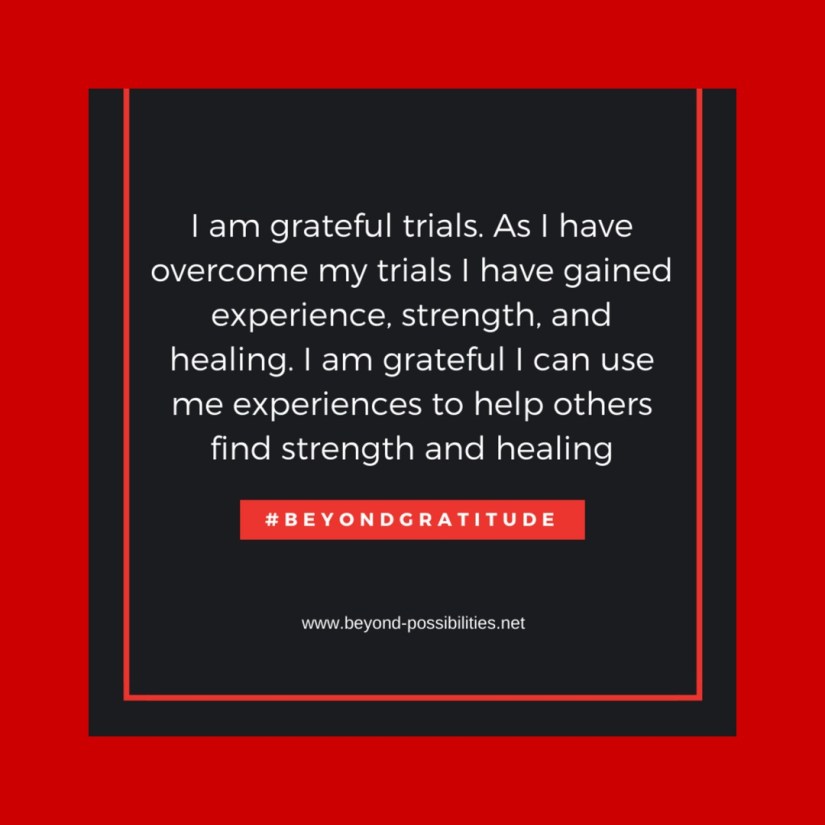
    Or share on your own social media with the hashtag #BeyondGratitude to connect our growing community of thankfulness.
  6. Reflect weekly.
    At the end of each week in November, look back—What patterns emerge? What small things became big? What surprised you? This reflective pause deepens your practice and anchors your learning.

Why This Year Feels Especially Right

Given the fullness of our lives—with our personal healing journeys, essential-oil routines, emotional body work, stress-management, and self-care practices—layering in a gratitude practice is like adding a powerful support beam under the rest of the structure. It doesn’t replace anything you’re doing; it helps everything you do work better.
Plus, once gratitude becomes a habit, its benefits persist and compound over time.


In Closing

I invite you to step into November together—each day noticing something you are grateful for, sharing it if you choose, and inviting others into the circle. Let’s watch how small moments of thanks can build into greater resilience, deeper joy, stronger relationships, and more vibrant health.

With heartfelt thanks for you—for showing up, for choosing healing, for being part of this community. Here’s to a month of gratitude, connection, and transformation.


References

Emmons, R. A., & McCullough, M. E. (2003). Counting blessings versus burdens: An experimental investigation of gratitude and subjective well-being in daily life. Journal of Personality and Social Psychology, 84(2), 377–389.
Fox, G. R., Kaplan, J., Damasio, H., & Damasio, A. (2015). Neural correlates of gratitude. Frontiers in Psychology, 6(1491). https://doi.org/10.3389/fpsyg.2015.01491
Greater Good Science Center. (2016). How gratitude changes you and your brain. https://greatergood.berkeley.edu/article/item/how_gratitude_changes_you_and_your_brain
Harvard Health. (2021). Giving thanks can make you happier. https://www.health.harvard.edu/healthbeat/giving-thanks-can-make-you-happier
Harvard Health. (2024). Gratitude enhances health, brings happiness — and may even lengthen lives. https://www.health.harvard.edu/blog/gratitude-enhances-health-brings-happiness-and-may-even-lengthen-lives-202409113071
Hill, P. L., & Roberts, B. W. (2011). Examining the pathways between gratitude and self-rated physical health. Psychology & Health, 26(9), 1057–1072. https://pmc.ncbi.nlm.nih.gov/articles/PMC3489271/
Jans-Beken, L., et al. (2022). The effects of gratitude interventions: A systematic review and meta-analysis. Frontiers in Psychology. https://pmc.ncbi.nlm.nih.gov/articles/PMC10393216/
Schanche, E., et al. (2020). A brief gratitude writing intervention decreased stress and negative affect. Frontiers in Psychology. https://pmc.ncbi.nlm.nih.gov/articles/PMC8867461/
The Resilience Project. (2023). Gratitude and the benefits of journaling. https://theresilienceproject.com.au/at-home/wellbeing-hub/gratitude-and-the-benefits-of-journaling/
Wood, A. M., Joseph, S., Lloyd, J., & Atkins, S. (2009). Gratitude influences sleep through the mechanism of pre-sleep cognitions. Journal of Psychosomatic Research, 66(1), 43-48.

Energy Healing, Healing Journey, Health, Self-Discovery

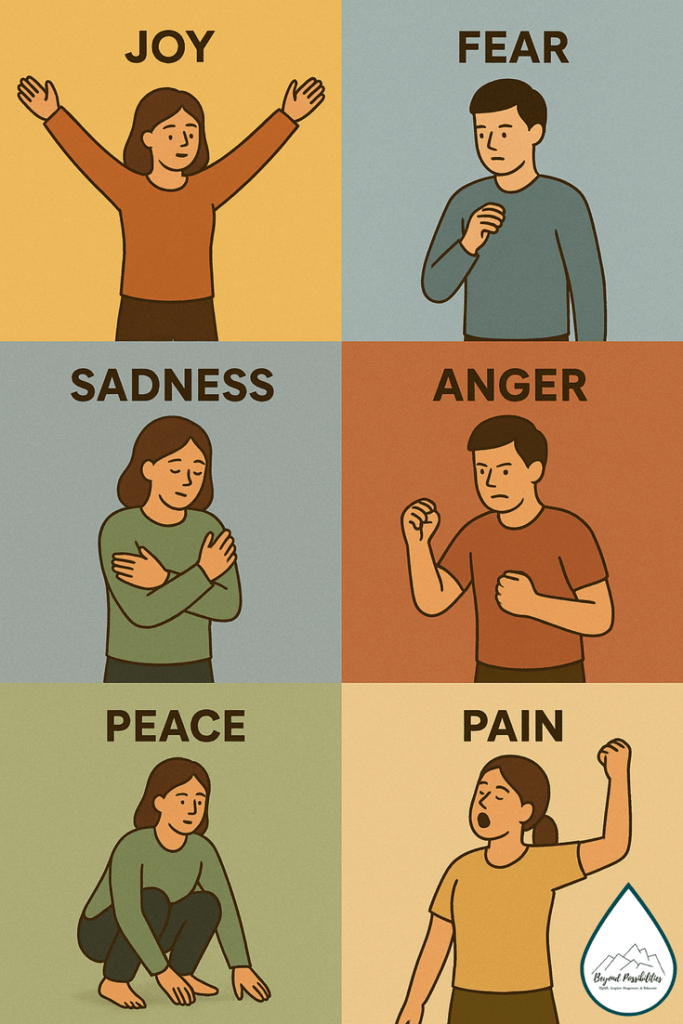
Movement and Emotion: The Science of Feeling Through Motion

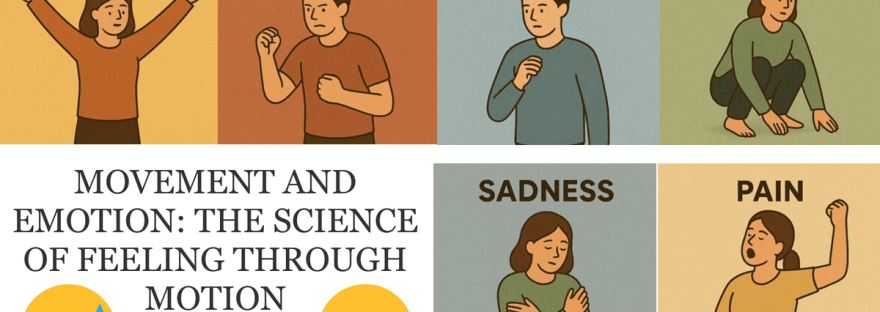
Have you ever noticed how your body naturally moves with your emotions? You bounce when you’re happy, curl in when you’re sad, or tense your shoulders when you’re stressed. These patterns aren’t random — they reflect how the brain and body communicate through posture, physiology, and feeling. Research confirms what movement and healing traditions have long understood: movement changes emotion, and emotion changes movement.

Now, before I go too deep, you don’t have to overthink it. You can work through your emotions by simply putting on your favorite music and letting your body move to the music naturally. I also love doing AromaDance or Mindful Movement to move through my emotions.

The Somatic Basis of Emotion

Emotions aren’t only “in your head.” They’re embodied experiences involving the autonomic nervous system (ANS), muscle tone, breath, and interoception — our inner sense of how our body feels. When emotions are safely expressed through movement, the body can complete its stress cycle and return to balance. Movement therapies and somatic practices (e.g., gentle stretching, dance/movement therapy, rhythmic motion) have demonstrated reductions in cortisol, enhanced emotional regulation, and improvements in psychological well-being (Koch, Morlinghaus, & Fuchs, 2019; Wu, Li, & Zhang, 2023).


Joy: Expand, Express, Energize

Open-arm reach / chest opening
Expanding posture (arms wide, chest lifted) increases lung volume, influences the balance of sympathetic and parasympathetic tone, and signals openness and approach behavior — postures correlated with higher positive affect (e.g. expanded posture studies).

Light bounce / small hops
Gentle vertical bouncing raises endorphins and dopamine and stimulates spinal and vestibular systems for autonomic regulation.

Playful skipping / side-step
Rhythmic side-to-side locomotion with arm swing boosts mood, supports motor coordination, and taps into play systems.

Wiggle / spontaneous dance
Free, irregular movement (hips, torso, shoulders) enhances body awareness (interoception), modulates autonomic tone, and can increase positive affect (Koch et al., 2019).

Shake / tremor (gentle, spontaneous)
Small tremors or shakes help discharge stored motor tension and reduce autonomic hyperarousal, as in trauma-release (TRE) approaches.

Roll (gentle floor roll → stand)
Rolling shifts vestibular input and proprioceptive orientation, helping interrupt stuck tension patterns and inviting fluidity in the body.


Fear & Anxiety: Grounding, Soothing, Calming

Tap / hum
Gentle tapping or humming engages vagal pathways (via vibration) and supports parasympathetic activation, helping calm high arousal states.

Squeeze / hold (self-hug)
Applying gentle compression through a self-hug or forearm hold reduces cortisol and signals safety through proprioceptive feedback.

Sway / reach
Slow pendular motion with gentle arm reach soothes the vestibular system and offers predictable sensory input, helping regulate hyperarousal.


Sadness / Grief / Shame: Nurturing, Soothing, Softening

Brush / self-hug (gentle stroking)
Slow, affective touch activates C-tactile afferents associated with oxytocin release and supports calming networks.

Rock / squeeze (gentle rocking)
Rocking or gentle compressive movement engages vestibular regulatory systems, offering a soothing rhythm and containment for emotional processing.


Anger / Frustration: Safe Release, Grounding Power

Tense → release (clench / relax)
Voluntary muscle contraction followed by release modulates muscle spindle activity and helps the nervous system downregulate from tension.

Stomp / ground (foot strike)
Energetic foot strikes provide strong proprioceptive feedback and anchor excess energy into the ground, giving a sense of boundary.

Slam / push (controlled directional force)
Using controlled push or strike against a safe surface (e.g., wall, pillow) enables expression of force while reducing internal pressure and reactivity.


Peace / Calm / Confidence: Stabilizing & Centering

Ground / connect (rooted stance)
Soft squats, weight awareness in feet/ankles, and slow shifts help reestablish bodily stability and downregulate sympathetic tone.

Rest / restorative posture
Lying down with deep, diaphragmatic breathing stimulates the vagus nerve and promotes parasympathetic recovery.

Center / mindful micro-movement
Very gentle motions (neck rolls, shoulder circles) enhance interoceptive clarity and soothe the system, supporting self-regulation.


Pain / Fatigue / Recovery: Soothing, Flowing, Releasing

Settle / breathe (long exhale + micro shifts)
Slow, extended exhales paired with small posture adjustments relieve muscle guarding and support relaxation.

Ground / connect (light motion)
Gentle walking or standing awareness improves circulation and sensory grounding — beneficial for fatigue and mild pain.

Stretch / yawn / gentle mobilization
Stretching or yawning modulates muscle spindle feedback and encourages relaxation and renewed energy.


Why Somatic Movement Works

  • Interoception & emotional regulation: Improving body awareness strengthens emotion regulation capacity.
  • Rhythm & vestibular input: Repetitive movements (sway, rock, bounce) help regulate the autonomic nervous system.
  • Vocal + breath stimulation: Humming, sighing, and extended exhalation activate vagal pathways.
  • Free movement & dance: Encourages fluidity, creativity, and improved affect regulation (Koch et al., 2019; Wu et al., 2023).

Final Thoughts

Our feelings naturally manifest in the body. By intentionally choosing movement that mirrors or completes those expressions, we can help the body return to balance. Whether it’s a joyful stretch, a grounding stomp, or a slow restorative breath, each movement is a doorway to recalibration and liberation.


References

Dreisörner, A., & Junker, N. M. (2022). Self-soothing touch and being hugged reduce cortisol responses to stress: A randomized controlled trial on stress, physical touch, and social identity. Journal of Psychosomatic Research, 157, 110847. https://doi.org/10.1016/j.jpsychores.2022.110847

Eckstein, M., Kämmerer, D., Knafo, S., & Heinrichs, M. (2020). Calming effects of touch in human, animal, and robotic social interactions. Frontiers in Psychiatry, 11, Article 567. https://www.ncbi.nlm.nih.gov/pmc/articles/PMC7672023/

Koch, S. C., Morlinghaus, K., & Fuchs, T. (2019). Effects of dance/movement therapy and dance on health-related psychological outcomes: A meta-analysis. Frontiers in Psychology, 10, Article 1806. https://www.frontiersin.org/articles/10.3389/fpsyg.2019.01806/full

Lindgren, L. (2012). Emotional and physiological responses to touch massage (Doctoral dissertation, Umeå University). Umeå University Repository. https://www.diva-portal.org/smash/get/diva2%3A568111/fulltext01.pdf

Packheiser, J., et al. (2024). A systematic review and multivariate meta-analysis of touch interventions: Effects on cortisol, pain, anxiety, and more. Nature Human Behaviour. https://www.nature.com/articles/s41562-024-01841-8

Wu, J., Li, Y., & Zhang, T. (2023). Effects of dance movement interventions on psychological health in older adults: A meta-analysis and systematic review. Brain Sciences, 13(7), 981. https://www.mdpi.com/2076-3425/13/7/981

Grief
Energy Healing, Essential Oils, Healing Journey, Health, Self-Discovery

Honoring Your Emotions Through Trauma: Natural Pathways for Healing and Resilience

Grief, loss, and life’s hardest traumas can feel overwhelming, leaving the heart heavy and the mind clouded. During these times, it’s not about pushing emotions away but learning how to honor and process them. By combining natural approaches—such as breathwork, journaling, meditation, energy healing, and aromatherapy—we can create supportive spaces for healing. These practices, rooted in both tradition and research, help release what weighs us down while building emotional resilience.


Energy Healing for Emotional Release

Many people hold unresolved emotions in the body, leading to stress, pain, and imbalance. Energy healing techniques like the Emotion Code, Body Code, and Belief Code are designed to release these emotional burdens.

  • Emotion Code focuses on identifying and clearing trapped emotions that may contribute to anxiety, sadness, or tension. In a study with 146 participants, significant reductions in self-reported depression, anxiety, and PTSD symptoms were observed after sessions with this modality, though more controlled research is needed (Gelb et al., 2021).
  • Body Code expands this approach to include physical, energetic, and structural imbalances that can affect overall wellness.
  • Belief Code addresses limiting subconscious beliefs that may keep people stuck in cycles of grief or pain. Once emotional barriers are released, healthier thought patterns can emerge.

While scientific validation continues to grow, these approaches align with widely accepted psychological concepts of mind-body connection and the importance of processing emotions rather than storing them internally (Bucci, 2025).

Unlock the Secrets to Lasting Emotional Wellness in Just a Few Days & Transform Your Life by Joining the Immersion Path.


Natural Tools for Emotional Healing

Breathwork

Breathwork helps regulate the nervous system and calm emotional reactivity. By slowing and deepening the breath, the body shifts from a fight-or-flight state into a calmer, more restorative mode.

Journaling

Writing out feelings provides clarity and helps organize overwhelming emotions. Journaling offers a safe space to name experiences, uncover insights, and begin reframing grief into meaning.

Meditation

Meditation practices—whether focused attention, mindfulness, or loving-kindness—help reduce distress and promote emotional stability. Neuroimaging studies show that meditation activates brain regions linked to empathy and regulation, such as the insula and anterior cingulate cortex (Fox et al., 2016).


Aromatherapy with doTERRA CPTG® Essential Oils*

Scent has a direct influence on the limbic system, the part of the brain that governs emotions and memories. Using doTERRA Certified Pure Tested Grade (CPTG®) essential oils can provide powerful emotional support during times of grief:

  • Console® Comforting Blend (Rose, Ylang Ylang, Frankincense, Sandalwood) offers calming, balancing support when sadness feels heavy.
  • Forgive® Renewing Blend (Nootka Tree, Thyme, Melissa) encourages self-compassion and renewal during emotional recovery.
  • Cheer® Uplifting Blend (Wild Orange, Cinnamon Bark, Star Anise) sparks optimism and helps shift lingering gloom.
  • Bergamot Essential Oil has shown promise in reducing PTSD-related symptoms such as sleep disruption and negative mood in first responders (Daniel, 2023).
  • Lime Essential Oil has been shown to imbue the soul with a zest for life and promotes courage. It is renewing, energizing and purify. Paired with other oils it magnifies their effect.
  • Balance® Grounding Blend The warm, woody aroma of doTERRA Balance Grounding Blend helps create a calming, quieting environment as you consider all aspects of life: relationships, work, fitness, health, and emotional well-being.
  • Peace® Reassuming Blend A gentle blend of floral and mint oils, doTERRA Peace Reassuring Blend serves as a positive reminder that you don’t have to be perfect to find peace.

From a biochemical perspective, compounds like linalool (Lavender, Clary Sage) and beta-pinene (Lemon, Lime, White Fir) interact with neurotransmitter systems linked to serotonin and dopamine, potentially easing anxious or sad feelings (doTERRA, n.d.-b).

While results vary, aromatherapy remains a gentle, non-invasive complement to emotional healing practices. Safety should always be prioritized, including dilution for topical use and sourcing oils from reputable providers such as doTERRA (Johns Hopkins Medicine, 2024).


Bringing It All Together

Honoring emotions during grief and trauma means allowing space for release, reflection, and renewal. Breathwork, journaling, meditation, energy healing, and essential oils each offer unique pathways toward peace. Together, they create a holistic framework for processing heavy feelings while building resilience for the road ahead.

Healing is not about forgetting loss—it’s about finding light in the darkness and carrying forward with strength and compassion.


*These statements have not been evaluated by the Food and Drug Administration. This product is not intended to diagnose, treat, cure, or prevent any disease.


References

Essential Oils, Healing Journey, Health

Harnessing Harmony: The Emotional & Physical Essence of AromaTouch® Oils

In the delicate interplay between touch and scent lies a profound pathway to healing. The AromaTouch® Technique weaves together essential oils and touch in a choreography that envelops body, mind, and spirit. Let’s explore the emotional and physical resonance of each oil—and discover the scientific foundations behind why AromaTouch® touches so deeply.


The Oils: Emotional Resonance and Physical Support*

  • Lavender: A familiar friend in aromatherapy, lavender soothes the nervous system and invites calm. Its gentle floral notes ease emotional turbulence and support restful ease.
  • Tea Tree (Melaleuca alternifolia): Known for its purifying and cleansing qualities, tea tree oil supports healthy immune function and brings clarity—both to the environment and the spirit.
  • Peppermint: With a refreshing, invigorating presence, peppermint awakens the senses, helps soothe occasional digestive or muscular tension, and anchors mind and body in alert groundedness.
  • Balance®: Created from Spruce, Ho Wood, Frankincense, Blue Tansy, and Blue Chamomile, Balance promotes emotional grounding and stability. Physically, its calming effects help relax the body while emotionally it encourages harmony, connectedness, and tranquility—an anchor when life feels unsettled.
  • On Guard®: A fusion of Wild Orange, Clove, Cinnamon, Eucalyptus, and Rosemary, On Guard is renowned for its immune-supportive properties. It shields and fortifies the body while emotionally creating a sense of strength, safety, and resilience against life’s stressors.
  • Wild Orange: The sweet, citrus brightness of Wild Orange uplifts mood, sparks creativity, and invites joy. Physically, it supports healthy immune function and energy, while emotionally it fosters abundance, optimism, and playful lightness—balancing the heavier moments of life.
  • AromaTouch®: A proprietary fusion—often including Idaho Blue Spruce, Marjoram, Lavender, Cypress, and Peppermint—crafted to shepherd relaxation, ease stress, and foster emotional equilibrium.
  • Deep Blue®: With Wintergreen, Camphor, Peppermint, Ylang Ylang, Helichrysum, Blue Tansy, Blue Chamomile, and Osmanthus, Deep Blue is formulated to comfort and cool. Physically, it supports muscles and joints after activity, while emotionally it offers relief from carrying heavy burdens, easing tension, and encouraging a sense of resilience and renewal.

Together, this curated union supports dual flows: emotional de-stress and physical ease—like a river yielding gently to clear its course.


The Gift of Touch: A Bridge Between Soul and Cells

The sensation of touch is more than a sensory input—it is a fundamental human necessity, a nourishing conduit between inner and outer worlds. A sweeping meta-analysis of 137 studies (12,966 individuals) confirms that touch interventions yield medium-sized benefits for both physical and mental health. They significantly reduce pain, depression, anxiety, and even regulate stress markers like cortisol, across age groups from newborns to adults (Packheiser et al., 2024) Nature. Notably, touch from another person often offers greater mental health benefits than object-based contact—though even weighted blankets or friendly robots can meaningfully support well-being The Guardian.

This “gift of touch” calms the nervous system, deepens emotional connection, and helps create alignment between mind, body, and spirit. It is both a soothing whisper to frazzled nerves and a grounding hand in times of internal turbulence.


The Science: Why AromaTouch® Touches Deeper

1. Precision of Application

Unlike random diffusion, AromaTouch® oils are applied topically along specific meridians and points—spine, shoulders, feet—enhancing absorption and guiding their influence toward the nervous and circulatory systems PMC.

2. Touch as Therapeutic Medium

The technique’s structured massage supports autonomic balance, helping shift the body from a stressed sympathetic state into restorative parasympathetic rhythms. This carries measurable benefits—lowered cortisol, reduced blood pressure, and a palpable sense of ease PMC.

3. Synergy of Oils and Touch

Studies on AromaTouch® demonstrate that combining precise essential oils with intentional touch amplifies therapeutic outcomes—more profound stress relief and overall well-being than either touch or oils alone PMC.


Living the AromaTouch® Experience

Emotional Flourish
Lavender’s calm, Peppermint’s clarity, Marjoram’s release—they mingle to guide us from tension-holder into gentle presence. Each inhalation is a step toward emotional alignment.

Physical Ease
AromaTouch®, Deep Blue® soothes, Peppermint refreshes—all carried through touch into tense tissue, inviting release.

Nervous System Balance
Intentional strokes offer a passage from overwhelm to tranquility, a reset woven through scent and skilled touch.

Nature-Aligned Healing
Crafted with CPTG® purity standards, the oils resonate with integrity, honoring both environmental respect and holistic wellness.


A Whisper of Possibility

The AromaTouch® Technique doesn’t demand transformation—but invites a soft return to harmony. Lavender cradles anxious thoughts. Peppermint sparks clarity. Marjoram calms the body. Cypress roots the spirit. All guided by kind touch, validated by science, and enriched by human connection.

May each AromaTouch® experience be a poetic pause—a gentle reminder that possibility blooms when intention meets nature.


AromaTouch® Science and More


*These statements have not been evaluated by the Food and Drug Administration. This product is not intended to diagnose, treat, cure, or prevent any disease.


References (APA 7)

Essential Emotions 13th Edition (2024). Essential Emotions. https://essentialemotions.com/ ISBN 979 8 9913569 0 9

Essential Oils Pure and Natural | doTERRA Essential Oils. (2017, March 24). Doterra.com. https://doterra.com/

Packheiser, J., Hartmann, H., Fredriksen, K., Gazzola, V., Michon, F., & Keysers, C. (2024). The physical and mental health benefits of touch interventions: A systematic review and multivariate meta-analysis. Nature Human Behaviour, 8, 1088–1107. https://doi.org/10.1038/s41562-024-01841-8

Toshniwal P. P. (2024, April 9). The healing power of touch: Study finds moderate health benefits across ages. News-Medical.

Total Wellness Publishing. (2023). The essential life : a simple guide to living the wellness lifestyle. Total Wellness Publishing. ISBN 9 781737 692461

Smith, M. C. (2023). A Unitary Theory of Healing Through Touch. [Review]. Indian Journal of Integrative Medicine.