

Life has a way of bringing up emotions when we least expect them. A scent, a phrase, a certain place—suddenly, you’re overwhelmed, heart racing, body tense, mind spiraling. Triggers are real, and for those navigating PTSD, anxiety, or emotional wounds, they can feel all-consuming. But healing is possible. Through research-backed techniques, meditation, essential oils, and energy healing modalities like Emotion Code, Body Code, and Belief Code, we can shift from reactive to resilient. Let’s explore the path to emotional freedom.
Quick Techniques for In-the-Moment Relief
When emotions rise suddenly, having a few quick techniques on hand can make all the difference. Here are five powerful strategies to help ground yourself in the moment:
- 5-4-3-2-1 Grounding Exercise: Identify five things you can see, four things you can touch, three things you can hear, two things you can smell, and one thing you can taste. This brings awareness back to the present.
- Box Breathing: Inhale for four counts, hold for four, exhale for four, hold for four. Repeat until your body relaxes.
- Butterfly Hug: Cross your arms over your chest and gently tap your shoulders in an alternating rhythm to activate the calming response.
- Progressive Muscle Relaxation: Tense and release muscle groups from head to toe to release built-up tension.
- Affirmation & Essential Oil Inhalation: Apply an essential oil like Adaptiv or Lavender to your palms, inhale deeply, and repeat a calming affirmation such as, “I am safe. I am grounded. I am in control.”
Research-Backed Strategies for Processing PTSD, Anxiety, and Triggers
- Cognitive Behavioral Therapy (CBT) Cognitive Behavioral Therapy (CBT) is one of the most effective treatments for PTSD and anxiety. Research shows that CBT helps reframe negative thought patterns, reducing fear responses to triggers (Watkins et al., 2018). By working through thoughts and emotions in a structured way, individuals gain control over their reactions and begin the healing process.
- Somatic Experiencing Trauma isn’t just in the mind—it lives in the body. Somatic Experiencing (SE), developed by Peter Levine, focuses on releasing stored trauma through body awareness and movement. Studies show that SE significantly reduces PTSD symptoms by completing the body’s natural fight-or-flight response (Payne et al., 2015).
- Eye Movement Desensitization and Reprocessing (EMDR) EMDR is a well-established therapy that helps individuals process trauma by engaging in bilateral stimulation while recalling distressing memories. Research confirms its effectiveness in reducing PTSD symptoms by changing how the brain stores traumatic experiences (Shapiro & Maxfield, 2019).
- Mindfulness-Based Stress Reduction (MBSR) Mindfulness isn’t just a buzzword—it’s a science-backed way to reduce emotional distress. MBSR, developed by Jon Kabat-Zinn, has been shown to decrease symptoms of PTSD and anxiety by helping individuals stay present rather than being pulled into past trauma or future worries (Khusid & Vythilingam, 2016).
- Journaling for Emotional Release Writing about trauma and emotions provides a safe outlet for expression. Studies reveal that expressive writing significantly reduces symptoms of PTSD and anxiety, aiding in emotional processing and cognitive restructuring (Pennebaker & Smyth, 2016).
Supporting Emotional Healing with Meditation
Meditation is a powerful tool for calming the nervous system and reducing emotional reactivity. Breath-focused meditation, body scans, and guided visualizations help retrain the brain to respond differently to stress. Studies indicate that regular meditation lowers cortisol levels, reducing overall stress and improving emotional regulation (Goyal et al., 2014). If you’re feeling overwhelmed, try a simple grounding practice: inhale for four counts, hold for four, exhale for four. Repeat until your body relaxes into the present moment.
Supporting Emotional Healing with doTERRA Essential Oils
Essential oils work on an emotional and physiological level, helping the body shift out of fight-or-flight mode. Some of the most supportive oils include:
- Lavender: Known for its calming properties, lavender reduces anxiety and promotes relaxation (Koulivand et al., 2013).
- Frankincense: Helps support deep emotional healing by grounding and stabilizing emotions.
- Adaptiv Blend: Specifically designed to support mood and stress, Adaptiv aids in emotional resilience.
- Shinrin Yoku Blend: Inspired by the Japanese practice of forest bathing, this oil creates a sense of peace and presence.
To use, apply diluted oils to pulse points, diffuse them in your space, or inhale deeply for immediate support.
Supporting Emotional Healing with Emotion Code, Body Code, and Belief Code
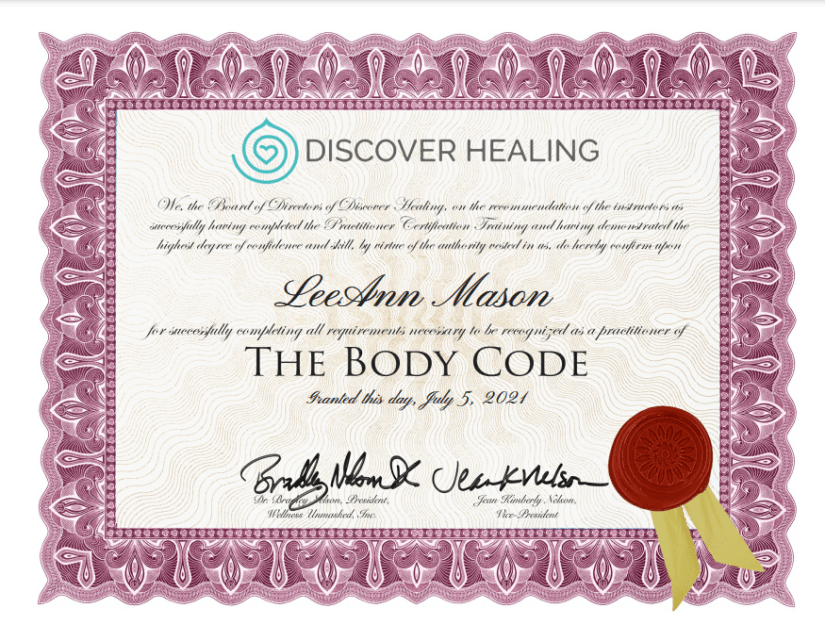
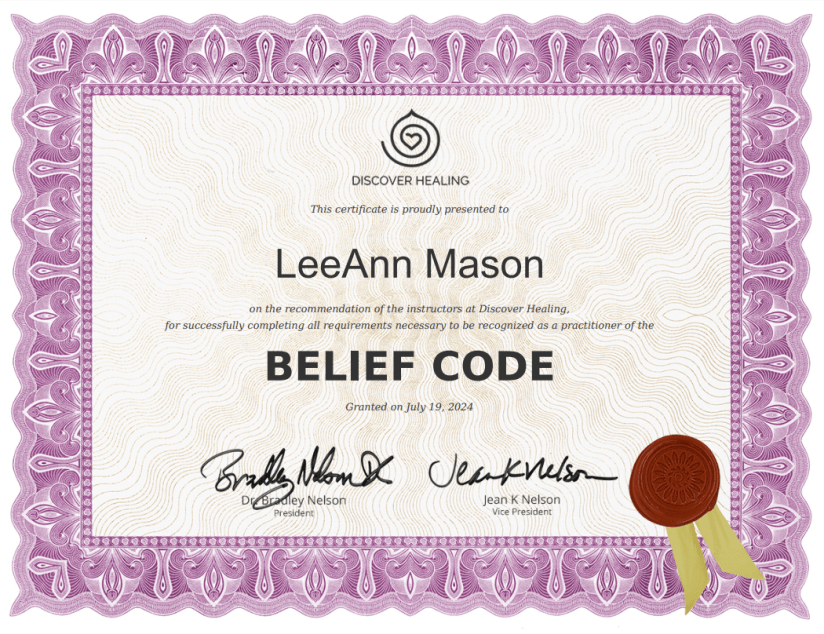
Sometimes, our emotional triggers stem from trapped emotions, energy imbalances, or limiting beliefs. The Emotion Code, Body Code, and Belief Code are energy healing techniques that help identify and release these underlying blocks.
- Emotion Code: Releases trapped emotions stored in the body that contribute to triggers and anxiety.
- Body Code: Balances the body’s energy systems, addressing physical, emotional, and energetic misalignments.
- Belief Code: Rewires limiting beliefs that keep us stuck in fear, self-doubt, or emotional distress.
Through muscle testing and intention-based release, these methods help bring the body and mind back into alignment, allowing for deep emotional healing.
Final Thoughts
Healing isn’t about erasing the past—it’s about rewriting your response to it. Whether through scientifically backed therapies, meditation, essential oils, or energy healing techniques, you have the power to reclaim peace. If you’re ready to take the next step in emotional healing, let’s connect. Schedule a session and experience firsthand how deep transformation is possible.
References
Goyal, M., Singh, S., Sibinga, E. M., Gould, N. F., Rowland-Seymour, A., Sharma, R., … & Haythornthwaite, J. A. (2014). Meditation programs for psychological stress and well-being: A systematic review and meta-analysis. JAMA Internal Medicine, 174(3), 357-368.
Khusid, M. A., & Vythilingam, M. (2016). The emerging role of mindfulness meditation as effective self-management strategy, part 1: Clinical implications for depression, post-traumatic stress disorder, and anxiety. Military Medicine, 181(9), 961-968.
Koulivand, P. H., Ghadiri, M. K., & Gorji, A. (2013). Lavender and the nervous system. Evidence-Based Complementary and Alternative Medicine, 2013, 681304.
Payne, P., Levine, P. A., & Crane-Godreau, M. A. (2015). Somatic experiencing: Using interoception and proprioception as core elements of trauma therapy. Frontiers in Psychology, 6, 93.
Pennebaker, J. W., & Smyth, J. M. (2016). Opening up by writing it down: How expressive writing improves health and eases emotional pain. Guilford Publications.
Shapiro, F., & Maxfield, L. (2019). Eye movement desensitization and reprocessing (EMDR): Information processing in the treatment of trauma. Journal of Clinical Psychology, 75(11), 2078-2090.
Watkins, L. E., Sprang, K. R., & Rothbaum, B. O. (2018). Treating PTSD: A review of evidence-based psychotherapy interventions. Frontiers in Behavioral Neuroscience, 12, 258.
 Beyond Possibilities