Communication is at the heart of every family relationship. It’s how we express love, set boundaries, and navigate challenges together. Yet, as our children grow—from tweens discovering independence, to teens testing limits, to young adults stepping into the world—communication often becomes one of the trickiest parts of parenting.
Whether you’re trying to get an 11-year-old to clean up their room, discussing curfew with a 16-year-old, or respecting the independence of your 22-year-old, the way you communicate can either strengthen connection or create distance.
Why Communication Matters
Research consistently shows that strong family communication builds resilience, reduces conflict, and helps children thrive emotionally (Alejandra & Kataoka, 2017; Busby & Chiu, 2017). For parents, good communication creates more cooperation at home and a deeper sense of trust—even during tough conversations.
The challenge? Not every style of communication is equally effective.
The Four Common Communication Styles
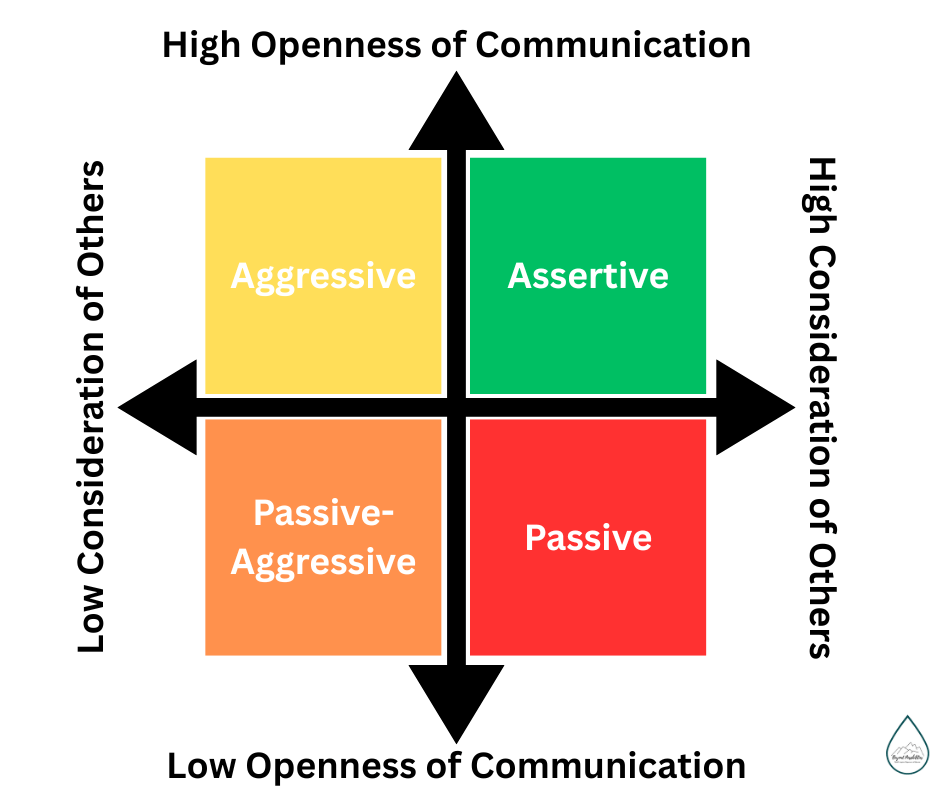
Communication can be mapped across two dimensions: openness of communication (how honestly we share) and consideration for others (how much we respect another’s needs). Together, these create four styles:
Aggressive – Open but lacking respect for others.
Passive – Respectful but withholding feelings or needs.
Passive-Aggressive – Indirect, masking frustration with sarcasm or avoidance.
Assertive – Honest and open while still considering others.
Most of us use a mix of these styles depending on stress, habits, or circumstances. But the healthiest families lean on assertive communication, because it balances honesty with respect.
Real-Life Examples
To bring these styles to life, here are a few parent–child situations across the tween-to-twenty spectrum:
Aggressive (Teen): Your 16-year-old comes home past curfew. You yell, “You’re completely irresponsible!”
Passive (Young Adult): Your 24-year-old borrows your car and returns it on empty. You say, “It’s fine, don’t worry about it,” while stewing inside.
Passive-Aggressive (Teen): Your 15-year-old forgets chores. You mutter, “Guess I’m the maid in this house,” while slamming the trash down.
Assertive (Tween): Your 12-year-old resists homework. You say, “I know you’re tired, but this needs to be finished. Let’s set a timer and take breaks.”
Can you see how each style affects the relationship differently?
Takeaway for Parents
There’s no such thing as perfect communication, but being aware of how you’re communicating is the first step. Ask yourself:
Am I being honest about my needs and feelings?
Am I showing respect for my child’s needs, even as they grow more independent?
Do I shift my approach when talking to my 11-year-old versus my 21-year-old?
The goal isn’t to avoid conflict—it’s to handle it in ways that build trust and connection.
Try This at Home
This week, pay attention to one interaction with your child. Notice your communication style in the moment. If it’s not assertive, pause and reframe your words. For example:
Instead of: “You never listen to me!”
Try: “I feel frustrated when I have to repeat myself. Can we figure out a better way to handle reminders?”
Small shifts like this can change the whole tone of family life.
Final Thoughts
Parenting tweens through twenties is a balancing act of guidance, boundaries, and letting go. Communication is the bridge that carries us through these stages. By becoming aware of your style—and choosing assertiveness more often—you’ll nurture respect, trust, and connection with your children at every age.
Whether you attended our recent family communication class or are simply exploring on your own, this resource is here to remind you: the way you speak shapes the way your family thrives.
Setting goals isn’t just about writing a list—it’s about aligning your vision, emotions, and daily actions in a way that makes success possible. Research shows that people who set clear, structured goals are far more likely to achieve them (Locke & Latham, 2002). But goals are not only mental exercises—they are also deeply emotional and spiritual journeys. Inviting God into the process through prayer and trust transforms goals from “tasks to accomplish” into opportunities for growth and grace.
Why Positive Feelings Matter in Goal Achievement
Studies in psychology show that positive emotions broaden attention, increase motivation, and build resilience (Fredrickson, 2001). When you feel good about your progress—even small wins—your brain releases dopamine, reinforcing the behavior and encouraging you to keep going (Kringelbach & Berridge, 2016).
One powerful way to strengthen positive emotions is through gratitude. Thank God for every step you take toward your goal, no matter how small. Gratitude isn’t only about what you’ve already received—it’s about appreciating the journey as you walk it.
Another key practice is to visualize what achieving your goal will feel like. Imagine the peace, joy, or confidence you’ll have when you reach it. Studies show that vividly describing these positive feelings increases persistence and success (Pham & Taylor, 1999). Combining gratitude with visualization keeps your spirit lifted and focused.
SMART Goals: The Key to Clarity
One of the most effective frameworks for goal-setting is the SMART model:
Specific – A clear, well-defined goal (e.g., “Walk 30 minutes, 5 days a week” vs. “Exercise more”).
Measurable – A way to track progress (time, frequency, or other metrics).
Achievable – Realistic given your current resources and lifestyle.
Relevant – Aligned with your values, faith, and long-term objectives.
Time-bound – A deadline or timeline to create urgency and accountability.
Research confirms that specific and measurable goals are more likely to be achieved than vague intentions (Locke & Latham, 2002).
5 Steps to Achieving Your Goals
1. Define Your Goal with Clarity and Prayer
Write it down in SMART format. For example, instead of “I want to be healthier,” say: “I will walk for 30 minutes, 5 days a week, for the next 3 months.”
Then, take your goal to God in prayer. Ask for wisdom, strength, and discernment. Proverbs 16:3 reminds us: “Commit to the Lord whatever you do, and He will establish your plans.”
2. Break It into Manageable Milestones
Large goals can feel overwhelming. Breaking them into smaller steps makes them more achievable and provides built-in opportunities to celebrate progress. Each milestone is also a moment to pause, give thanks, and pray for guidance on the next step.
3. Harness Positive Emotions, Gratitude, and Faith
Celebrate small wins, keep a gratitude journal, and thank God as you move forward. Gratitude enhances motivation and strengthens resilience (Emmons & McCullough, 2003).
As you go, imagine what it will feel like to achieve your goal—the joy, peace, or sense of accomplishment. Ask God to keep that vision alive in your heart and to help you persevere.
4. Anticipate Obstacles and Plan Ahead with God’s Help
Setbacks are normal. Create “if-then” plans: “If it rains and I can’t walk outside, then I will do a 20-minute indoor workout.” Studies show that implementation intentions like this significantly improve success rates (Gollwitzer, 1999). But also remember—when obstacles come, prayer can shift your perspective. Philippians 4:13 says: “I can do all things through Christ who strengthens me.”
5. Review, Adjust, and Stay Connected Spiritually
Goals are not static. Reflect weekly or monthly on your progress. If your original plan isn’t working, adapt it. Flexibility increases the likelihood of long-term achievement (Sheldon & Elliot, 1999).
At each checkpoint, take time to pray—celebrating what’s working and seeking guidance on what to adjust. This keeps your goals in alignment with both your values and God’s plan for your life.
The Power of Goal Journaling
Keeping a journal of your goals and the steps you take toward them can significantly increase your chances of success. Writing down progress not only makes goals feel more concrete but also provides a space for reflection, gratitude, and prayer along the way. Research shows that tracking progress improves accountability and persistence (Baumeister & Tierney, 2011). A journal also allows you to record challenges and how you overcame them, creating a roadmap you can return to for encouragement. By documenting both milestones and emotions, you reinforce your commitment and stay motivated for the long term.
Achieving your goals is not just about willpower—it’s about working with your brain, your emotions, and your faith. By setting clear, measurable goals, expressing gratitude along the way, visualizing what success feels like, and inviting God into every step, you’ll be far more likely to stay the course and experience real, lasting change.
References
Baumeister, R. F., & Tierney, J. (2011). Willpower: Rediscovering the greatest human strength. New York, NY: Penguin Press.
Deci, E. L., & Ryan, R. M. (2000). Self-determination theory and the facilitation of intrinsic motivation, social development, and well-being. American Psychologist, 55(1), 68–78. https://doi.org/10.1037/0003-066X.55.1.68
Emmons, R. A., & McCullough, M. E. (2003). Counting blessings versus burdens: An experimental investigation of gratitude and subjective well-being in daily life. Journal of Personality and Social Psychology, 84(2), 377–389. https://doi.org/10.1037/0022-3514.84.2.377
Fredrickson, B. L. (2001). The role of positive emotions in positive psychology: The broaden-and-build theory of positive emotions. American Psychologist, 56(3), 218–226. https://doi.org/10.1037/0003-066X.56.3.218
Kringelbach, M. L., & Berridge, K. C. (2016). The neuroscience of happiness and pleasure. Social Research, 80(2), 385–406. https://www.jstor.org/stable/24385609
Locke, E. A., & Latham, G. P. (2002). Building a practically useful theory of goal setting and task motivation: A 35-year odyssey. American Psychologist, 57(9), 705–717. https://doi.org/10.1037/0003-066X.57.9.705
Pham, L. B., & Taylor, S. E. (1999). From thought to action: Effects of process- versus outcome-based mental simulations on performance. Personality and Social Psychology Bulletin, 25(2), 250–260. https://doi.org/10.1177/0146167299025002010
Sheldon, K. M., & Elliot, A. J. (1999). Goal striving, need satisfaction, and longitudinal well-being: The self-concordance model. Journal of Personality and Social Psychology, 76(3), 482–497. https://doi.org/10.1037/0022-3514.76.3.482
We’ve all had that “just one more” moment—just one more cookie, one more cup of coffee, one more scroll through social media. While some habits are harmless in moderation, others can snowball into patterns that steal our time, health, and peace of mind. Whether it’s sugar, soda, caffeine, alcohol, tobacco, gaming, gambling, or even hours lost in the glow of your phone, the good news is this: you are not powerless.
Through a powerful blend of mindfulness practices, essential oils, and emotional energy work, you can reclaim control and create the freedom you crave.
Understanding the Pull of Addiction
Addiction—whether to substances or behaviors—alters brain chemistry, rewiring our reward system to crave the “hit” of dopamine and other feel-good chemicals (Volkow et al., 2016). While substance addictions like alcohol, nicotine, or sugar involve a physical dependence, behavioral addictions—such as gaming, gambling, or compulsive scrolling—can be just as consuming. The underlying mechanism is the same: repeated exposure to a stimulus that triggers pleasure leads to stronger cravings and weakened self-control (Pine Rest, 2023).
The encouraging news? Recovery isn’t always a straight road through clinical treatment alone. Many “natural recoverers” have kicked habits by building self-awareness, using supportive tools, and making intentional lifestyle changes (Harvard Health, 2012).
Mindfulness: The First Step Toward Freedom
Mindfulness helps you notice the urge before it turns into action. It strengthens the “pause button” between craving and choice. Simple practices like deep breathing, meditation, gratitude journaling, and mindful movement can regulate your nervous system, reduce stress, and reframe your relationship with urges (Garland et al., 2014).
Pair mindfulness with intentional self-care, and you start to rewire the brain toward healthier rewards.
Essential Oils: Nature’s Support System for Recovery*
Aromatherapy works through the olfactory system to influence mood, memory, and emotion—areas of the brain directly connected to craving and habit loops (American Addiction Centers, 2021). Essential oils can help manage withdrawal symptoms, regulate mood, and reinforce emotional stability during recovery (Avenues Recovery, 2024).
2. Choose According to Your Challenge:
Tobacco / nicotine: Black pepper, angelica, lavender, peppermint, rosemary, sweet orange, Roman chamomile (Avenues Recovery, 2024).
Alcohol withdrawal: Ginger, lemon, lavender, black pepper, geranium, fennel, grapefruit, mandarin, rosemary, Roman chamomile (Avenues Recovery, 2024).
The Missing Link: Clearing the Root Cause with Emotional Healing
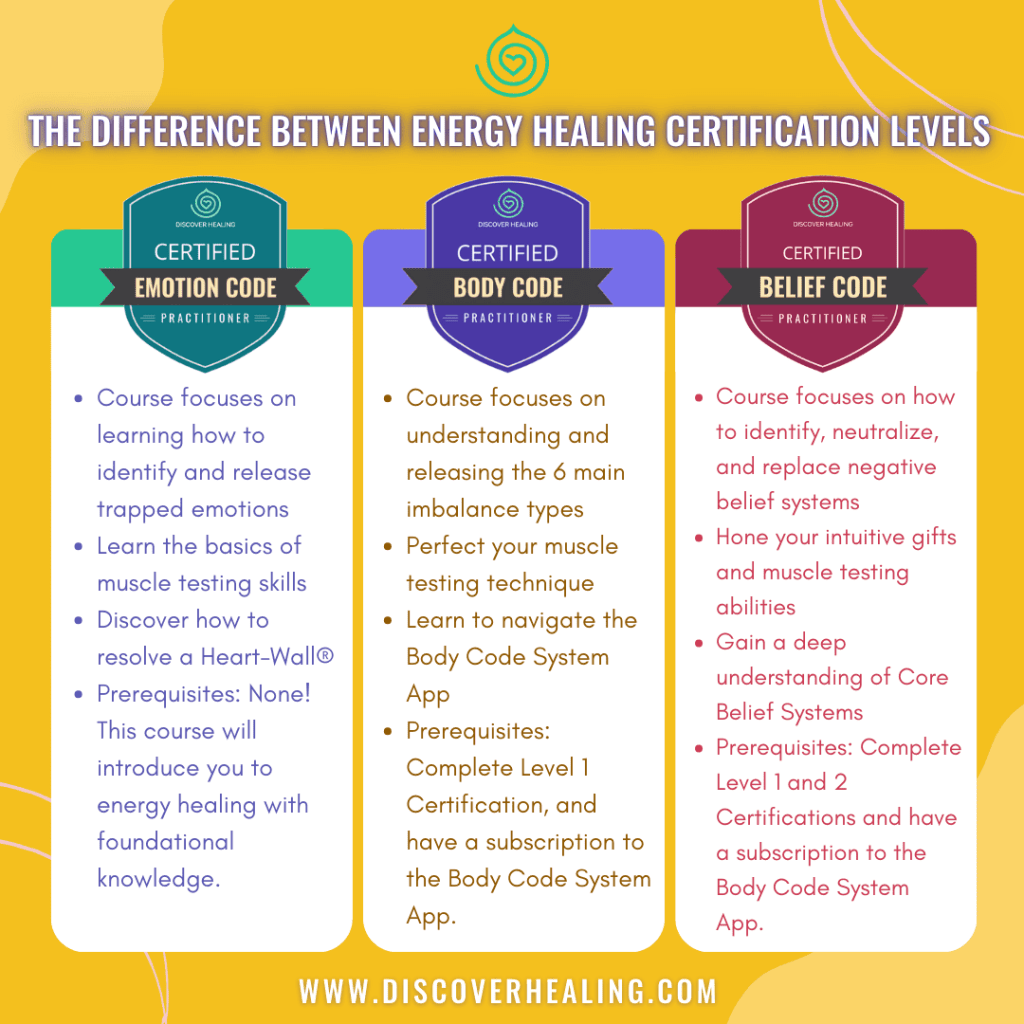
Many addictions—whether physical or behavioral—stem from trapped emotions, unresolved trauma, and limiting beliefs. This is where The Emotion Code®, The Body Code™, and The Belief Code® from Discover Healing come in.
The Emotion Code® helps identify and release trapped emotions stored in the body that can drive addictive behaviors.
The Body Code™ addresses imbalances in the body—physical, emotional, and energetic—that contribute to cravings or compulsive patterns.
The Belief Code® targets and clears faulty beliefs that keep you feeling stuck, such as “I can’t change” or “I need this to cope” (Discover Healing, n.d.).
By combining these techniques with essential oils and mindfulness, you address the addiction from all angles—mind, body, and spirit.
Identify your triggers. Keep a journal to notice when cravings strike.
Choose your oils from the list above to match your biggest challenges.
Practice mindfulness daily—even 5 minutes makes a difference.
Release trapped emotions and limiting beliefs through Emotion Code, Body Code, and Belief Code sessions.
Celebrate small wins and track your progress.
Overcoming addictions—big or small—is not about willpower alone. It’s about creating an environment and internal state that supports your success. With the right tools, the right mindset, and the right support, victory is within reach.
Week-by-Week Structure
Week 1: Foundations & Embodiment
Introductions & Goal Setting
Guided diaphragmatic breathing or slow-paced breathwork (just 5 minutes/day).
Evidence: Breathwork significantly reduces stress, anxiety, and depressive symptoms, improves heart-rate variability, and enhances parasympathetic activity. News-MedicalNature
Opening discussion: Triggers, hopes, and current habits.
Gentle movement: mindful walking or light yoga to start attuning to body-mind connection.
Week 2: Breath as Reset
Teach cyclic sighing (focus on the exhale) and ultra-brief breath counting exercises.
Evidence: These techniques improve mood, reduce anxiety, and promote faster recovery from stress-induced cravings. PMC+1
Daily micro-practice: choose one—cyclic sighing or breath counting for 5 minutes.
Week 3: Mindfulness for Craving Resilience
Practice mindful pauses and urge surfing—observing cravings without reacting.
Short mindfulness audio exercise (~10 minutes) to help reduce alcohol or food intake. WIREDTIME
Week 4: Aromatherapy & Emotional Anchoring
Introduce lavender (for anxiety/sleep), citrus oils, rosemary, cinnamon—used via inhalation or diluted application.
Evidence: Lavender inhalation can reduce anxiety and improve sleep; other oils offer antioxidant, anti-inflammatory, and mood-regulating benefits. FrontiersPMC+1MDPIScienceDirect
Create a personalized “craving support blend” ritual.
Week 5: Movement
Gentle movement routines: yoga or mindful walking.
Evidence: Yoga supports mood regulation, sleep, anxiety reduction, and helps those in addiction recovery. Verywell Mind
Week 6: Emotional Healing & Reflection
Emotional check-in and journaling: exploring guilt, self-compassion, and recovery identity.
Introduce breathwork for emotional release (e.g., guided holotropic or expressive breathing).
Although preliminary, holotropic breathwork has shown potential in reducing anxiety and supporting addiction recovery. ResearchGate
Week 7: Integrative Daily Practices
Build a daily toolkit integrating breathwork, mindfulness, aromatherapy, movement, and supplements.
Small group sharing: which routines worked best and why.
Dedicated “re-entry” breath + oil ritual to counter cravings or stress.
Week 8: Maintenance & Moving Forward
Final reflections, personal recovery plans, community-sharing.
Resources for continued growth: local mindfulness groups, online breathwork guides, certified aromatherapists.
Emphasize ongoing support, whether through community, therapy, or peer groups.
Reduces depression, anxiety and enhances mental health—beneficial in addiction context. Verywell Mind
*⚠DISCLAIMER⚠ All media content created by Beyond Possibilities and the AromaVibe is intended for educational purposes only. *These statements have not been evaluated by the Food and Drug Administration. This is not intended to diagnose, treat, cure, or prevent any disease.
Garland, E. L., Froeliger, B., & Howard, M. O. (2014). Mindfulness training targets neurocognitive mechanisms of addiction at the attention-appraisal-emotion interface. Frontiers in Psychiatry, 4, 173. https://doi.org/10.3389/fpsyt.2013.00173
Volkow, N. D., Koob, G. F., & McLellan, A. T. (2016). Neurobiologic advances from the brain disease model of addiction. The New England Journal of Medicine, 374(4), 363–371. https://doi.org/10.1056/NEJMra1511480
Breathwork
Nivethitha, L., Mooventhan, A., & Manjunath, N. K. (2016). Effects of various pranayama on cardiovascular and autonomic variables. Ancient Science of Life, 36(2), 72–77. https://doi.org/10.4103/asl.ASL_178_16
Zaccaro, A., Piarulli, A., Laurino, M., Garbella, E., Menicucci, D., Neri, B., & Gemignani, A. (2018). How breath-control can change your life: A systematic review on psycho-physiological correlates of slow breathing. Frontiers in Human Neuroscience, 12, 353. https://doi.org/10.3389/fnhum.2018.00353
Balban, M. Y., Morrissey, K., Cao, A., Arulpragasam, A. R., Prust, M. J., Krishnan, A., … & Spiegel, D. (2023). Breathing practices for affective regulation: Investigations into physiology, behavior, and mechanisms. Cell Reports Medicine, 4(1), 100897. https://doi.org/10.1016/j.xcrm.2022.100897
Mindfulness
Bowen, S., Chawla, N., & Marlatt, G. A. (2011). Mindfulness-based relapse prevention for addictive behaviors: A clinician’s guide. Guilford Press.
Li, W., Howard, M. O., Garland, E. L., McGovern, P., & Lazar, M. (2017). Mindfulness treatment for substance misuse: A systematic review and meta-analysis. Journal of Substance Abuse Treatment, 75, 62–96. https://doi.org/10.1016/j.jsat.2017.01.008
Tang, Y. Y., Hölzel, B. K., & Posner, M. I. (2015). The neuroscience of mindfulness meditation. Nature Reviews Neuroscience, 16(4), 213–225. https://doi.org/10.1038/nrn3916
Essential Oils / Aromatherapy
Perry, N., & Perry, E. (2006). Aromatherapy in the management of psychiatric disorders: Clinical and neuropharmacological perspectives. Central Nervous System Drugs, 20(4), 257–280. https://doi.org/10.2165/00023210-200620040-00001
Koulivand, P. H., Khaleghi Ghadiri, M., & Gorji, A. (2013). Lavender and the nervous system. Evidence-Based Complementary and Alternative Medicine, 2013, 681304. https://doi.org/10.1155/2013/681304
Lakhan, S. E., & Vieira, K. F. (2010). Nutritional and herbal supplements for anxiety and anxiety-related disorders: Systematic review. Nutrition Journal, 9(1), 42. https://doi.org/10.1186/1475-2891-9-42
Sivaramakrishnan, D., Fitzsimons, C., Kelly, P., Ludwig, K., Mutrie, N., Saunders, D. H., & Baker, G. (2019). The effects of yoga compared to active and inactive controls on physical function and health-related quality of life in older adults: A systematic review and meta-analysis of randomized controlled trials. International Journal of Behavioral Nutrition and Physical Activity, 16, 33. https://doi.org/10.1186/s12966-019-0797-2
Holotropic / Expressive Breathwork
Brewerton, T. D., Eyerman, J. E., Cappetta, P., & Mithoefer, M. C. (2012). Long-term abstinence following holotropic breathwork as adjunctive treatment of substance use disorders and related psychiatric comorbidity. Journal of Alternative and Complementary Medicine, 18(9), 795–802. https://doi.org/10.1089/acm.2011.0284
Have you ever felt like something deep within is holding you back—an invisible weight you can’t quite name?
You’re not alone. So many of us carry emotional baggage, imbalances, and outdated beliefs that quietly shape our thoughts, relationships, health, and confidence. The good news? You can release it. You can reset. And you can rise.
Here at Beyond Possibilities, we believe healing isn’t about pushing harder—it’s about gently peeling back the layers and finding alignment with who you were always meant to be.
What Are Trapped Emotions?
Trapped emotions are unresolved emotional energies stored in the body from past experiences—grief, fear, anger, shame—that were never fully processed. Over time, these trapped energies can lead to physical discomfort, mental distress, or even blockages in personal growth.
Using the Emotion Code®, a powerful yet simple method created by Dr. Bradley Nelson, we identify and release these hidden emotional energies. Through muscle testing and intention, we allow the body’s subconscious mind to guide the way, promoting emotional balance and inner peace. Many clients report feeling lighter—like they’ve finally exhaled after holding their breath for years.
Beyond Symptoms: Addressing Misalignments and Imbalances in the Body
Trapped emotions are just one piece of the puzzle. The Body Code® dives deeper into six essential areas of imbalance—energies, circuits and systems, toxins, pathogens, structural misalignments, and nutrition/lifestyle. This holistic system allows us to work with the body’s natural ability to heal itself.
Have a persistent ache that seems to defy medical explanation? Chronic fatigue that no supplement has fixed? The Body Code might uncover underlying energetic misalignments or imbalances that conventional methods overlook. These aren’t just symptoms—they’re signals. And we’re here to listen.
Rewriting the Story: Clearing Faulty and Limiting Beliefs
Your beliefs shape your reality. And many of us are living inside beliefs that were never ours to begin with—beliefs inherited from family, society, or painful experiences. These beliefs whisper lies like: I’m not good enough.I’ll never succeed.I have to struggle to be loved.
The Belief Code® offers a breakthrough process to identify and release these subconscious programs and replace them with beliefs that are empowering and true. Using a mapped system of belief types and subconscious discovery tools, we pinpoint the exact beliefs holding you back and clear them energetically—so your internal programming finally aligns with your soul’s potential.
If you’re ready to shift the story you’re telling yourself—and step into one rooted in truth, trust, and possibility—this is your invitation. Schedule a session with me and experience what it feels like to release emotional burdens, reset your energy, and realign with who you truly are. Whether you’re curious or committed, I’ll meet you where you are and walk with you every step of the way. You don’t have to carry it all anymore.
The Discovery Healing Immersion Path: A Journey of Transformation
Whether you’re navigating burnout, recovering from trauma, or simply seeking a more aligned life, the Immersion Path offers a supported, step-by-step experience in deep energetic healing. At Beyond Possibilities, we walk this path with you—through Emotion Code, Body Code, and Belief Code sessions—to clear what no longer serves and create space for what does.
This isn’t just a one-time fix; it’s a transformational journey. The Immersion Path is ideal for anyone who’s ready to commit to meaningful, lasting change—physically, emotionally, mentally, and spiritually.
Ready to Go Beyond?
If your heart is whispering there must be more, we invite you to explore a session or package through our Mentoring and Classes page. Whether you’re brand new to energy work or deeply intuitive, our goal is to guide you gently but powerfully into alignment—body, mind, and spirit.
You are not broken. You are not too much. You are not behind.
You are becoming—and we’re here to support your journey Beyond Possibilities.
We’re often told to “rest” when we’re overwhelmed. But rest is not one-size-fits-all—and it’s certainly not limited to a nap or a weekend off. True self-care begins when we learn how to listen: not just to the noise of the world around us, but to the whispers within.
There are many types of rest—seven, in fact. Each one speaks to a different dimension of our being: physical, emotional, mental, sensory, social, creative, and spiritual. Understanding which kind of rest you truly need is the beginning of deep self-care and regeneration.
If you’re feeling drained and unsure why—this post is for you.
Let’s explore how you can reconnect with your whole self and discover what you really need to feel nourished, restored, and alive.
7 Types of Rest: A Brief Reflection
Physical Rest – Your body asks for stillness. This might mean sleep, stretching, or a walk.
Emotional Rest – Your heart longs to release. Self-care, boundary-setting, and journaling help here.
Mental Rest – Your mind seeks space. Take a break, play with puzzles, practice mindfulness.
Sensory Rest – Your senses crave quiet. Step away from screens, be in nature, enjoy a book.
Social Rest – Your soul needs connection—or solitude. Spend time with loved ones or simply be alone.
Creative Rest – Your spirit yearns to express. Paint, write, explore something new.
Spiritual Rest – Your inner self calls for meaning. Meditate, reflect, and reconnect.
Guided Meditation: Tuning Into Your True Needs
Find a quiet space where you won’t be disturbed. Sit or lie down comfortably. Let this be a sacred moment for yourself.
After the Meditation: Journal for Inner Discovery
Take a few moments now to write freely. Download the workbook and let these prompts guide you into deeper self-awareness.
Rest is not a reward for burnout. It is your birthright.
When you rest with awareness—when you ask your inner self what you need and respond with love—you begin to regenerate. Not just physically, but energetically, emotionally, and spiritually.
This is the heart of self-care. Not a checklist, but a relationship—with yourself.
So today, give yourself permission to pause. Tune in. And respond.
There is wisdom within you. It’s been waiting patiently for your attention.
You don’t need to do more. You need to feel more. Be more. Trust more.











 Beyond Possibilities