Energy Healing, Essential Oils, Family Life Education, Healing Journey, Health, Self-Discovery

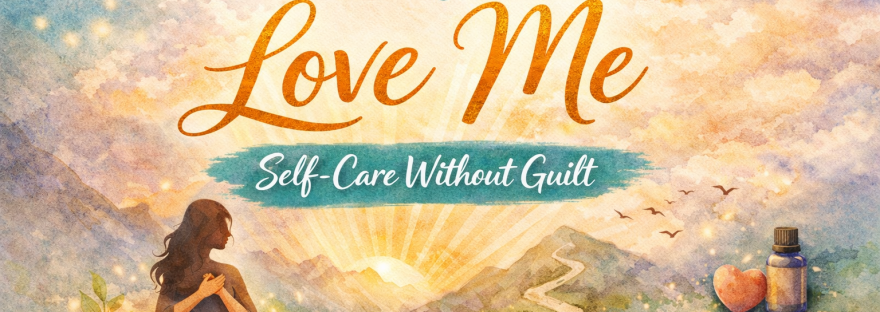
Learning To Love Me – Selfcare Without Guilt

I grew up hating my self. There was not anything about me that someone did not tell me I need to do differently. I was a Tommy Boy, over weight, struggled with reading and school (diagnosed with dyslexia in the 3rd grade). I tried to change who I was to fit the many influences. But with a select few friends I was able to just be me. I will forever be grateful to Kim and her family who never tried to change anything. They just loved me.

Unfortunately, I fell in love with someone who I thought loved me too, but as soon as we were married, he wanted me to change everything about me. His abuse started off with verbal abuse which then turned sexual and then physical.

Amazingly, Joseph saw me. When he told me that he could see himself married to me, I tried to tell him how broken I was. I did not believe I was loveable and I did not love myself. I was ashamed of who I was and what I have been through.

Joseph and I married in 1999, we started a family. He saw through my trauma and triggers and he encouraged me to get help. He was my soft place to fall when I was not strong enough to stand.

While working for Two Little Hands Products they offered the employees training that was a self-discovery seminar. Joseph also went through the seminar and that is where everything started changing. Not changing because someone was telling me I needed to be different, but because I started learning that there was nothing wrong with me. My past was just what happened not who I was.

A friend I made during the seminar gave me the book “Remembering Wholeness” by Carol Tuttle. Joseph, got it for me on Audible so I could listen and follow along. I learned how to reconnect to my spiritual roots, to stop identifying myself through the eyes of others, my past, my fears and my failures. I learned that my thoughts shape my reality. I started following her work, I learned EFT and started learning more about other energy-clearing techniques.

For the first time I started love learning. The more I listened while following with books the easier reading became. I still us that technique as I have much better understanding and recall when I listen and follow along. I also started asking who God saw me as and what he needed me to become.

Along this journey, I started using essential oils and in October of 2013 I became a doTERRA Wellness Advocate. At my first doTERRA Convention, I felt inspired to start blogging about my experiences with mental health and abuse. Joseph was my biggest supported as I started sharing. But not everyone in my life where as supportive.  In 2014 I became Certified as an AromaDance Instructor and Certified in AromaTouch Technique. In January of 2018 I became Certified Essential Oil Coach. This allowed me to see that I could do hard things. I kept finding things that interested me and that helped me learn more about myself.

Over 10 years ago Mary Lambert – Secrets became my theme song. I no longer care if people know about my past and my insecurities.

In 2019, Ronai Brumett introduced me to the work of Bradley Nelson and the Emotion Code. In May of 2020 I completed my Emotion Code Practitioner Certification. In July of 2021 I completed my Body Code Certification.

In January of 2022, I started something I never thought I would do. I want back to school to get my degree. Although I loved learning college is hard. While doing college in n July of 2024 I completed my Belief Code Certification. In October 2025 I completed my Associate of Applied Science in Family and Human Services from Brigham Young University Idaho.

Along the way I started learning to love myself. I am not perfect at it. I spent over 40 years hating a lot of things about myself. As I have used the skills I have learned with Essential Oils, Emotion Code, Body Code, Belief Code, AromaDance, Mindful Movement, and through my college education I have release things that no longer serve me and I started loving pieces of myself. I am a work in process and I am grateful for who I am.

For one of my class projects I focused on selfcare without the guilt. This was not easy, but over the 4 weeks I started seeing the benefits of taking care of myself first. I discovered that self-care is not selfish—it is foundational. It is the fuel that supports your mind, body, and spirit, allowing you to show up fully in your life rather than running on empty. When you honor your need for rest, nourishment, connection, and regulation, you are not taking away from others—you are strengthening your capacity to love, serve, create, and heal. Self-care is an act of wisdom, stewardship, and self-respect.

I have created a journal to help you do what I did for myself.


During the process I have found what selfcare method support me for different situation. Dance is one of my best tool. Along the way I came across two more theme song for my journey. I am grateful for the Positivity Able Heart is putting out into the world. I think we are kindred spirits. Give them a listen.

As I began practicing self-care intentionally—without guilt, without justification, and without waiting until everything else was done—I noticed something profound: my capacity to cope, connect, and heal expanded. What started as a deeply personal journey slowly became something I wanted to understand more fully. I didn’t just want to know that self-care felt helpful—I wanted to know whether it was supported, especially for those of us who have lived with trauma, burnout, or years of believing our needs didn’t matter.

What I discovered was validating and freeing: modern, peer-reviewed research consistently shows that self-care is not selfish, indulgent, or optional—it is foundational. The very practices we are often taught to feel guilty for—rest, emotional regulation, boundaries, reflection, and nourishment—are the same practices shown to protect mental health, reduce stress and burnout, and support long-term resilience. Science now confirms what many of us learn the hard way: caring for ourselves is not taking away from others; it is what allows us to show up fully, sustainably, and authentically.

The research below helps remove guilt from self-care by reframing it as a necessary, evidence-based component of well-being. It supports what this journal is designed to do—help you honor your needs without shame, choose care without apology, and understand that tending to your mind, body, and spirit is not a failure of strength, but an expression of it.

Self-care practices—intentional actions individuals take to maintain or improve their physical, mental, and emotional health—have been consistently linked to improved psychological well-being and reduced stress. Research indicates that engaging regularly in activities such as mindfulness, physical rest, and holistic health behaviors strengthens resilience and mitigates the effects of stress, burnout, and psychological distress across diverse populations (Tushe, 2025). For example, studies show that structured self-care activities such as mindfulness training can significantly decrease stress and burnout while enhancing psychological resilience in students and professionals alike, suggesting that these practices function as protective factors in the face of ongoing demands rather than indulgences (Chen et al., 2025; Kwon, 2023). This evidence underscores self-care as a proactive lifestyle component that supports long-term adaptive functioning rather than a luxury reserved for the “less busy.”

Empirical research further demonstrates that self-care supports emotional regulation and mental well-being by fostering mindful awareness and self-compassion, which are associated with better stress management and interpersonal functioning. Systematic reviews and meta-analyses find that regular engagement in mindful self-care practices correlates with positive mental health outcomes, including increased self-acceptance, emotional balance, and reduced burnout symptoms in various helping professions (Monroe et al., 2021; moment). These outcomes show that self-care enables individuals to remain present, manage daily stressors effectively, and engage with life more fully—not because they are indulgent, but because they build essential psychological capacities that sustain performance, relationships, and overall health.

Importantly, research also highlights that self-care is not equally easy to adopt in conditions of elevated stress, which can paradoxically make people feel guilt or pressure when they struggle to practice it. Studies examining self-care behaviors during stressful situations such as the COVID-19 pandemic show that higher perceived stress can negatively impact the likelihood of engaging in self-care, which in turn weakens its beneficial effects on well-being (BMJ Open, 2021). This finding highlights a common challenge: guilt or internal resistance toward self-care may arise when it feels difficult, but the evidence clearly points to self-care as a key mediator that improves psychological health when regularly enacted. Rather than being selfish, self-care has a vital role in preserving wellness across life’s demands.

Loving Me

by LeeAnn Mason

I am removing the labels and stories that defined me

I am healing the child I am setting them free

I have been broken I have been beaten but they’re not going to win

I am choosing to stand up to heal from within

I am safe to feel

I am safe to heal

I am am loving me

I release what no longer serves me

I receive all that God created me to be

I am choosing the unique strengths God gave me

I am choosing to love and heal to serve myself free

I have overcome the strife

I give gratitude to every part of my life

I no longer beg I no longer fight

I claim my power, love and light

I am safe to feel

I am safe to heal

I release what no longer serves me. 

I receive all god created me to be

I am am loving me

I set myself free

Created by LeeAnn Mason/Beyond Possibilities LLC with AI.


Reference List

Ayala, E. E., Winseman, J. S., & Johnsen, R. D. (2018). U.S. medical students who engage in self-care report less stress and higher quality of life. BMC Medical Education, 18, 189. https://doi.org/10.1186/s12909-018-1296-x

Chen, S., Qi, X., & colleagues. (2025). A randomized controlled trial of mindfulness: Effects on academic stress, academic burnout, and psychological resilience in university students. Frontiers in Psychology. https://doi.org/10.3389/fpsyg.2025.1722669

Kwon, J. (2023). Self-care for nurses who care for others: The effectiveness of meditation as a self-care strategy. Religions, 14(1), 90. https://doi.org/10.3390/rel14010090

Monroe, C., Loresto, F., Horton-Deutsch, S., Kleiner, C., Eron, K., Varney, R., & Grimm, S. (2021). The value of intentional self-care practices: The effects of mindfulness on improving job satisfaction, teamwork, and workplace environments. Archives of Psychiatric Nursing, 35(2), 189–194. https://doi.org/10.1016/j.apnu.2020.10.003

BMJ Open. (2021). Relationship between self-care activities, stress and well-being during COVID-19 lockdown: A cross-cultural mediation model. BMJ Open, 11(12), e048469. https://bmjopen.bmj.com/content/11/12/e048469

Tushe, M. (2025). The role of self-care practices in mental health and well-being: A comprehensive review. Journal of Nephrology & Endocrinology Research, SRC/JONE-148.

Essential Oils, Health

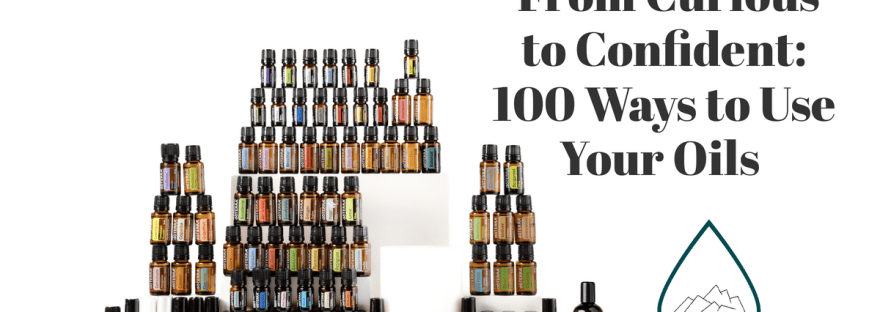
💧 From Curious to Confident: 100 Ways to Use Your Oils 💧

Ever stared at your essential oil bottles and thought, “What now?” You’re not alone! That question is exactly what inspired our most recent class: 100 Uses for Essential Oils—and what a class it was!

Whether you’re brand new to essential oils or you’ve got a collection that rivals a small apothecary, this class was designed to take your oil use from hesitant to heck yes!

We laughed, we learned, we sniffed, we blended—and yes, we discovered dozens of ways to stop letting our oils gather dust and start letting them do the work they were made to do.


🌿 What We Covered: A Quick Recap

Our class was based on the super-handy guide 100 Uses for Essential Oils, and WOW—there’s a lot packed into that little booklet. Here’s how we broke it down in class:

✨ The Three Main Ways to Use Oils

  1. Aromatic: Think diffusers, room sprays, and breathing in oils straight from your hands. We demoed some mood-boosting blends and even made a linen spray!
  2. Topical: From head tension to bug bites to glowing skin—applying oils directly (with proper dilution) is a game-changer.
  3. Internal: Yep, you can safely take some oils internally! Think Lemon in your water or DigestZen in a veggie cap for those tricky tummy days.

🌀 10 Everyday Categories That Covered It All:

We walked through 10 main areas where essential oils shine—and how YOU can put them to work in your everyday life:

  1. Aromatic Use – Create uplifting or calming environments with just a few drops.
  2. Topical Use – Rollers, massage blends, and tension-targeting tricks.
  3. Internal Use – Gentle ways to support your immune and digestive systems.
  4. Cooking – Elevate flavor and health with oils like Basil, Lemon, and Cinnamon.
  5. Cleaning – Safe, non-toxic DIYs that leave your space sparkling and fresh.
  6. Wellness – Think immunity, energy, and overall vitality.
  7. Sleep – Because we all deserve better rest. Serenity, Lavender, and Roman Chamomile, anyone?
  8. Hygiene + Personal Care – Ditch the chemicals and love your body with natural swaps.
  9. Fitness – From pre-workout motivation to post-workout muscle love.
  10. Mood Management – Oils that support emotional balance and mental clarity.

And yes—every single one of those had real-life, practical, doable tips. Plus, participants went home with their very own 100 Uses for Essential Oils handout to keep the inspiration going.


🎁 Missed It? You Still Have Options!

If you missed the class—don’t worry! You can still get your own copy of the 100 Uses for Essential Oils guide by scheduling a free 15-minute wellness consult with me. We’ll personalize your oils for your life, goals, and needs.

Want to host a version of this class with your friends or team? Let’s talk! I’d love to bring this oil adventure to your living room or Zoom screen.


🌈 Final Thoughts

Essential oils don’t have to be confusing. With a little guidance (and a lot of fun), they can become essential to how you care for your home, your body, and your emotions.

So go ahead—diffuse something uplifting. Roll something calming on your wrists. Drop some Lemon in your water. Because you’re more than capable of using your oils with confidence, purpose, and joy.

And remember… this is just the beginning. 🌿

Essential Oils, Healing Journey, Health

Targeted Solutions with doTERRA: Building on the Foundation of Wellness

What if your wellness plan didn’t start with restriction or overwhelm—but with a strong, simple foundation?

The doTERRA Foundational Wellness Bundle gives your body what it needs to thrive daily. But when you want to personalize your health goals—whether it’s better digestion, deeper sleep, improved mood, or a metabolism that works with you—it’s time to explore targeted solutions that meet you where you are.

Let’s walk through how to build your personalized wellness path—starting with your foundation and layering in intentional support.

Start by downloading your Wellness Lifestyle Assessment.


🌱 What Is Foundational Wellness?

True wellness starts with giving your body the essential building blocks it needs every day—nutrients, healthy fats, and digestive support that work together to energize, balance, and strengthen your body from within.

That’s why doTERRA created the Foundational Wellness Bundle, which includes:

  • VMG+ Whole-Food Nutrient Complex – A daily multivitamin made with naturally sourced vitamins and minerals to support immune, bone, and cellular health.
  • EO Mega+ Essential Oil Omega Complex – A blend of plant- and marine-based omega-3s infused with essential oils and astaxanthin to support brain, heart, and joint health.
  • PB Restore ProBiome Complex – A revolutionary 3-in-1 pre-, pro-, and post-biotic formula that helps restore gut balance and support immune and digestive health.

These three daily essentials create a strong foundation to help you feel better from the inside out. But for most of us, that’s just the beginning. You can layer in specific support depending on your current needs and goals.


🎯 Targeted Solutions: Customize Your Journey

Whether you’re focused on digestion, sleep, mood, movement, or metabolism, doTERRA has solutions to help you go further. Start with two to three of the following categories based on your wellness priorities.


🌿 Digestion Support

If you feel bloated, uncomfortable, or sluggish after meals:

  • DigestZen® Essential Oil Blend or Softgels – Supports healthy digestion and soothes occasional discomfort.
  • Lemon Essential Oil – Add a drop to water for gentle daily cleansing and digestive support.
  • TerraZyme® Digestive Enzymes – Help break down food and improve nutrient absorption.

💛 Emotional Wellness

Feeling stressed, scattered, or emotionally overwhelmed?

  • Adaptiv® Calming Blend Capsules – Support emotional balance and resilience.
  • Lavender – A classic oil for relaxation, calm, and improved sleep quality.
  • Frankincense – Grounding, centering, and supportive of overall neurological function.

💤 Sleep & Rest

If you want to fall asleep faster and stay asleep longer:

  • doTERRA Serenity® Restful Complex Softgels – Combines Lavender and botanicals to help you wind down and rest.
  • Copaiba Softgels – Nourish your nervous system and promote overall calm.
  • Lavender & Cedarwood – Diffuse before bed or apply to the bottoms of feet.

🔥 Metabolism & Weight Support

Looking to support healthy weight, energy, and metabolic function?

  • MetaPWR® Metabolic System – A powerful trio (MetaPWR Blend, Softgels, and Assist) that supports metabolic health, energy levels, and graceful aging.
  • MetaPWR® Blend – Add to water throughout the day to help manage appetite and support fat metabolism.
  • MetaPWR® Softgels – Convenient capsules for targeted support on the go.

🏃‍♀️ Movement & Recovery

Whether you’re starting a new workout routine or managing everyday activity:

  • MetaPWR® Blend and Softgels – Support stamina, muscle energy, and recovery so you can stay active longer.
  • Deep Blue® Rub or Oil – Apply before or after movement to soothe tired muscles and support comfort.
  • Turmeric Dual Chamber Capsules – Combines oil and extract for powerful recovery, inflammation support, and antioxidant action.

🔬 Cellular Support

Looking for vitality that runs deep? Focus on your cells:

  • DDR Prime® Softgels – Cellular renewal support to protect against oxidative stress.
  • Alpha CRS+ – Found in LLV and rich in polyphenols to support longevity and mitochondrial health.
  • Frankincense – A master oil that supports cellular, immune, and emotional wellness.

💡 How to Get Started

  1. Begin with the Foundational Wellness Bundle – Take your VMG+, EO Mega+, and PB Restore daily.
  2. Identify Two to Three Target Areas – Focus on what your body and mind need most right now.
  3. Add Targeted Support Products – Layer in oils or supplements that help address your goals.
  4. Book a Wellness Consult – Get customized guidance and build a plan that works for you long-term.

🌍 Why Choose doTERRA?

doTERRA stands for purity, transparency, and purpose. Their CPTG® Certified Pure Tested Grade essential oils and supplements are rigorously tested, ethically sourced, and backed by science—so you can trust what you’re putting into your body.

From supporting immune health to emotional balance to graceful aging, doTERRA gives you powerful natural tools that make a difference.


✨ Final Thoughts

You don’t need to overhaul your life to feel better—you just need a foundation and a plan. Start simple, listen to your body, and layer in support that’s aligned with your goals.

With the Foundational Wellness Bundle and intentional product choices, you can build a wellness routine that supports your energy, clarity, mood, movement, and more.

Wellness isn’t a destination—it’s a lifestyle. And you deserve one that feels vibrant, resilient, and uniquely you.

Essential Oils, Healing Journey, Self-Discovery

A Journey into Spiritual Health with Oils, Strengths, and Divine Purpose

There’s something sacred about pausing long enough to breathe deeply, to ask the deeper questions, and to connect with the One who knit us together. In a world rushing to do more, be more, and prove more, the greatest shift we can make is to slow down and align with our divine design.

That’s exactly what we’re doing in our upcoming class on Spiritual Health—and it’s not your typical “self-help” moment. This is soul work. The kind that ignites purpose, awakens potential, and calls us into the full expression of who we are created to be.


🕊 Essential Oils: Ancient Tools for Modern Faith

When I first started exploring essential oils, I had no idea they would become spiritual tools in my wellness journey. But the more I learned—especially from experts like Dr. Josh Axe, who teaches about the Oils of the Bible—the more I realized God’s provision has always included the natural world.

There are approximately 33 specific essential oils and aromatic oils mentioned in the Bible, with hundreds of references throughout.

John 12:3 (KJV)
Then took Mary a pound of ointment of spikenard, very costly, and anointed the feet of Jesus, and wiped his feet with her hair: and the house was filled with the odour of the ointment.

1 Samuel 16:12–13 (KJV)
12 And he sent, and brought him in. Now he was ruddy, and withal of a beautiful countenance, and goodly to look to. And the Lord said, Arise, anoint him: for this is he.
13 Then Samuel took the horn of oil, and anointed him in the midst of his brethren: and the Spirit of the Lord came upon David from that day forward. So Samuel rose up, and went to Ramah.

The Holy Anointing Oil, as described in Exodus, was a blend specifically designed by God for consecration.

Exodus 30:22–25 (KJV)
22 Moreover the Lord spake unto Moses, saying,
23 Take thou also unto thee principal spices, of pure myrrh five hundred shekels, and of sweet cinnamon half so much, even two hundred and fifty shekels, and of sweet calamus two hundred and fifty shekels,
24 And of cassia five hundred shekels, after the shekel of the sanctuary, and of oil olive an hin:
25 And thou shalt make it an oil of holy ointment, an ointment compound after the art of the apothecary: it shall be an holy anointing oil.

Isn’t it beautiful to think He gave us a recipe for holiness? Dr. Axe explains how these oils supported not only the body but also the spirit—offering grounding, clarity, and divine connection.

And today, with the purity and power of doTERRA essential oils, we have access to these same gifts—ready to support our spiritual practice in a deeply tangible way.

1. Frankincense

Biblical Use:

  • Presented to Jesus by the wise men (Matthew 2:11)
  • Used in incense offerings (Exodus 30:34)
  • Symbol of prayer, worship, and holiness (Leviticus 2:1–2)

Modern Use:

Soothes skin when used topically

Supports meditation, spiritual connection, and emotional grounding

Promotes healthy cellular function and immune support

3. Cinnamon

Biblical Use:

  • Ingredient in the Holy Anointing Oil (Exodus 30:23)
  • Symbol of holiness, warmth, and sacred covering

Modern Use:

  • Supports healthy metabolic function and immune response
  • Warming oil that invigorates body and mind
  • Used in cooking, diffusing, and topical blends

5. Spikenard

Biblical Use:

  • Mary anointed Jesus’ feet with spikenard (John 12:3)
  • Symbol of extravagant worship and devotion (Song of Solomon 1:12)

Modern Use:

  • Deeply calming and emotionally centering
  • Supports skin health and hormonal balance
  • Encourages humility, worship, and inner peace

7. Sandalwood (Biblical equivalent: Aloes)

Biblical Use:

  • Mentioned as “aloes” in the preparation of Jesus’ burial (John 19:39)
  • Symbol of fragrance, healing, and sacred intimacy (Proverbs 7:17, Song of Solomon 4:14)

Modern Use:

  • Deeply grounding and spiritually centering
  • Promotes healthy skin and enhances meditation
  • Used in rituals, anointing, and emotional work

2. Myrrh

Biblical Use:

  • Used in embalming and purification (John 19:39, Esther 2:12)
  • One of the gifts brought to Jesus at His birth (Matthew 2:11)
  • Part of the Holy Anointing Oil (Exodus 30:23)

Modern Use:

Often used in oral care and natural perfumes

Calms the nervous system and supports emotional healing

Excellent for skin (especially dry or aging skin)

4. Cedarwood

Biblical Use:

  • Associated with cleansing and purification (Leviticus 14:4–6)
  • Symbol of strength and longevity (Psalm 92:12, 1 Kings 6:15–18)

Modern Use:

  • Grounds emotions and calms the nervous system
  • Supports restful sleep
  • Encourages feelings of safety and stability

6. Cassia

Biblical Use:

  • Used in the Holy Anointing Oil (Exodus 30:24)
  • Represents dedication and consecration

Modern Use:

  • Similar in properties to cinnamon (they’re botanical cousins)
  • Supports immunity and healthy digestion
  • Emotionally uplifting and purifying

8. Cypress

Biblical Use:

  • Used in temple construction (Isaiah 44:14, 1 Kings 6:34)
  • Represents strength, eternal life, and transition

Modern Use:

  • Supports circulation and respiratory function
  • Emotionally helps with transitions, grief, and letting go
  • Grounding yet uplifting; often used in spiritual work

🌟 Enter the BrilliantPlus App: Your Faith-Based Strengths Companion

Have you heard about the NEW BrilliantPlus app? It’s a transformational tool that bridges faith and personal growth through the lens of CliftonStrengths. Whether you’ve known your Top 5 for years or are just discovering what makes you uniquely gifted, this app integrates your strengths with biblical principles and practical applications.

We’ll walk you through how to use the app to explore your God-given design in a deeper way. Think of it as your personal strengths journal, devotional, and growth plan—all rolled into one.


💪 CliftonStrengths: God Doesn’t Make Mistakes

One of my favorite things about CliftonStrengths is that it affirms what many of us have suspected deep down: we are not broken—we are BUILT. And we’re each built uniquely for a reason.

When you see your strengths through the lens of Scripture and the Spirit, everything shifts. You begin to understand that your Achiever drive, your Empathy heart, your Strategic vision—none of it is random. It’s all intentional. And when aligned with faith, it becomes powerful fuel for your calling.

📖 Sneak Peek: Faithfully Unleash Your Strengths

I’m beyond excited to give you a sneak peek at of Ronai Brumett’s upcoming book, Faithfully Unleash Your Strengths. This project has been a labor of love, born from coaching sessions, quiet moments with God, and her journey through healing and purpose.

In the book, Ronai share how to:

  • See your strengths as spiritual assignments
  • Pair essential oils with your strengths to support emotional and spiritual alignment
  • Use the BrilliantPlus app as a daily practice for growth
  • And most importantly, partner with God in every area of your life

You don’t have to hustle to be worthy. You are already equipped. This book will help you remember that.


Ready to Go Deeper?

If your heart is longing for more—more connection, more clarity, more confidence in who God created you to be. This is your invitation to stop striving and start thriving in alignment with who God created you to be.

Let’s walk this sacred journey together.

With purpose and possibility,
LeeAnn Mason
Founder, Beyond Possibilities

Energy Healing, Healing Journey, Health

The Healing Power of Belief: How the Mind Fuels Recovery

Belief is more than just a hopeful thought—it can be a powerful therapeutic tool. Across cultures and medical paradigms, belief has played a central role in the healing process, influencing everything from patient outcomes to how societies understand illness. Drawing from scholarly insights and energy healing modalities, we explore how belief shapes healing in profound and measurable ways.


Belief as a Catalyst for Healing

According to Warner (2006), belief is not merely a psychological comfort but a functional component of the healing process. Warner points out that belief engages both the mind and body, triggering neurochemical responses that can reduce pain, enhance mood, and even strengthen the immune system. This is evident in the placebo effect, where patients improve after receiving treatments with no active medical ingredients—simply because they believe the treatment will work.​

What’s striking is that belief doesn’t need to be medically “rational” to be effective. Even rituals or treatments without scientific backing can promote recovery if the patient has strong faith in them. This doesn’t diminish the value of evidence-based medicine; rather, it shows how incorporating the patient’s mindset and cultural background can enhance clinical care.​


The Cultural Context of Belief and Healing

The influence of belief also has deep cultural roots. In traditional societies, belief systems are integral to healing rituals, carrying real therapeutic weight. When patients trust in the healer and the ritual, their bodies often respond positively.​

Belief can validate the treatment in the eyes of the patient and the community, reinforcing its efficacy through collective trust. In this way, folk healing isn’t just about herbs or chants—it’s about shared meaning, expectation, and psychological alignment.​


Mind Over Medicine: Insights from Behavioral Health

Research demonstrates how belief influences medical outcomes. Positive beliefs can lower stress, improve treatment adherence, and reduce the perception of symptoms. Belief becomes a mechanism through which patients reclaim agency over their health, particularly in chronic or uncertain medical conditions. Trust in the process—whether through conventional medicine, alternative therapies, or spiritual practices—can empower healing in ways that are both biological and emotional.​Discover Healing


Energy Healing Modalities: Emotion Code, Body Code, and Belief Code

Dr. Bradley Nelson’s energy healing modalities—The Emotion Code, The Body Code, and The Belief Code—offer structured approaches to harnessing belief in the healing process.​Discover Healing

  • The Emotion Code: Focuses on identifying and releasing trapped emotions that may be causing physical or emotional distress. By addressing these emotional energies, individuals can restore balance and promote healing.​Discover Healing
  • The Body Code: Expands upon The Emotion Code by encompassing a broader range of imbalances, including structural, nutritional, and energetic issues. It aims to uncover and correct the root causes of discomfort and disease.​
  • The Belief Code: Targets limiting beliefs stored in the subconscious mind. By identifying and transforming these beliefs, individuals can remove mental barriers to healing and personal growth.​Discover Healing

These modalities utilize muscle testing to communicate with the subconscious mind, allowing practitioners to pinpoint and address specific issues. By aligning the conscious and subconscious beliefs, they facilitate a holistic healing process that integrates the power of belief.​Discover Healing


Conclusion

Belief is more than a placebo—it is a dynamic part of the healing equation. It bridges the mind-body divide, amplifies the effects of treatment, and connects patients to their cultural and spiritual roots. By recognizing and respecting the role of belief, practitioners can foster more holistic, empathetic, and effective care.​


References

Bascom, W. (1949). The bearing of folk belief on cure and healing. Journal of American Folklore, 62(243), 306–313. https://www.jstor.org/stable/3814395

Discover Healing. (n.d.). The Belief Code. https://discoverhealing.com/the-belief-code/Discover Healing+3Discover Healing+3Discover Healing+3

Discover Healing. (n.d.). The Emotion Code. https://discoverhealing.com/the-emotion-code/Discover Healing

Discover Healing. (n.d.). The Body Code. https://discoverhealing.com/the-body-code/

Warner, E. (2006). The role of belief in healing. Journal of the Royal Society of Medicine, 99(4), 199–201. https://doi.org/10.1258/jrsm.99.4.199