Self-Discovery

The Science of Setting Achievable Goals: 5 Steps to Success

Setting goals isn’t just about writing a list—it’s about aligning your vision, emotions, and daily actions in a way that makes success possible. Research shows that people who set clear, structured goals are far more likely to achieve them (Locke & Latham, 2002). But goals are not only mental exercises—they are also deeply emotional and spiritual journeys. Inviting God into the process through prayer and trust transforms goals from “tasks to accomplish” into opportunities for growth and grace.

Why Positive Feelings Matter in Goal Achievement

Studies in psychology show that positive emotions broaden attention, increase motivation, and build resilience (Fredrickson, 2001). When you feel good about your progress—even small wins—your brain releases dopamine, reinforcing the behavior and encouraging you to keep going (Kringelbach & Berridge, 2016).

One powerful way to strengthen positive emotions is through gratitude. Thank God for every step you take toward your goal, no matter how small. Gratitude isn’t only about what you’ve already received—it’s about appreciating the journey as you walk it.

Another key practice is to visualize what achieving your goal will feel like. Imagine the peace, joy, or confidence you’ll have when you reach it. Studies show that vividly describing these positive feelings increases persistence and success (Pham & Taylor, 1999). Combining gratitude with visualization keeps your spirit lifted and focused.

SMART Goals: The Key to Clarity

One of the most effective frameworks for goal-setting is the SMART model:

  • Specific – A clear, well-defined goal (e.g., “Walk 30 minutes, 5 days a week” vs. “Exercise more”).
  • Measurable – A way to track progress (time, frequency, or other metrics).
  • Achievable – Realistic given your current resources and lifestyle.
  • Relevant – Aligned with your values, faith, and long-term objectives.
  • Time-bound – A deadline or timeline to create urgency and accountability.

Research confirms that specific and measurable goals are more likely to be achieved than vague intentions (Locke & Latham, 2002).

5 Steps to Achieving Your Goals

1. Define Your Goal with Clarity and Prayer

Write it down in SMART format. For example, instead of “I want to be healthier,” say:
“I will walk for 30 minutes, 5 days a week, for the next 3 months.”

Then, take your goal to God in prayer. Ask for wisdom, strength, and discernment. Proverbs 16:3 reminds us: “Commit to the Lord whatever you do, and He will establish your plans.”

2. Break It into Manageable Milestones

Large goals can feel overwhelming. Breaking them into smaller steps makes them more achievable and provides built-in opportunities to celebrate progress. Each milestone is also a moment to pause, give thanks, and pray for guidance on the next step.

3. Harness Positive Emotions, Gratitude, and Faith

Celebrate small wins, keep a gratitude journal, and thank God as you move forward. Gratitude enhances motivation and strengthens resilience (Emmons & McCullough, 2003).

As you go, imagine what it will feel like to achieve your goal—the joy, peace, or sense of accomplishment. Ask God to keep that vision alive in your heart and to help you persevere.

4. Anticipate Obstacles and Plan Ahead with God’s Help

Setbacks are normal. Create “if-then” plans:
“If it rains and I can’t walk outside, then I will do a 20-minute indoor workout.”
Studies show that implementation intentions like this significantly improve success rates (Gollwitzer, 1999). But also remember—when obstacles come, prayer can shift your perspective. Philippians 4:13 says: “I can do all things through Christ who strengthens me.”

5. Review, Adjust, and Stay Connected Spiritually

Goals are not static. Reflect weekly or monthly on your progress. If your original plan isn’t working, adapt it. Flexibility increases the likelihood of long-term achievement (Sheldon & Elliot, 1999).

At each checkpoint, take time to pray—celebrating what’s working and seeking guidance on what to adjust. This keeps your goals in alignment with both your values and God’s plan for your life.

The Power of Goal Journaling

Keeping a journal of your goals and the steps you take toward them can significantly increase your chances of success. Writing down progress not only makes goals feel more concrete but also provides a space for reflection, gratitude, and prayer along the way. Research shows that tracking progress improves accountability and persistence (Baumeister & Tierney, 2011). A journal also allows you to record challenges and how you overcame them, creating a roadmap you can return to for encouragement. By documenting both milestones and emotions, you reinforce your commitment and stay motivated for the long term.

Final Thoughts

Achieving your goals is not just about willpower—it’s about working with your brain, your emotions, and your faith. By setting clear, measurable goals, expressing gratitude along the way, visualizing what success feels like, and inviting God into every step, you’ll be far more likely to stay the course and experience real, lasting change.


References

Baumeister, R. F., & Tierney, J. (2011). Willpower: Rediscovering the greatest human strength. New York, NY: Penguin Press.

Deci, E. L., & Ryan, R. M. (2000). Self-determination theory and the facilitation of intrinsic motivation, social development, and well-being. American Psychologist, 55(1), 68–78. https://doi.org/10.1037/0003-066X.55.1.68

Emmons, R. A., & McCullough, M. E. (2003). Counting blessings versus burdens: An experimental investigation of gratitude and subjective well-being in daily life. Journal of Personality and Social Psychology, 84(2), 377–389. https://doi.org/10.1037/0022-3514.84.2.377

Fredrickson, B. L. (2001). The role of positive emotions in positive psychology: The broaden-and-build theory of positive emotions. American Psychologist, 56(3), 218–226. https://doi.org/10.1037/0003-066X.56.3.218

Gollwitzer, P. M. (1999). Implementation intentions: Strong effects of simple plans. American Psychologist, 54(7), 493–503. https://doi.org/10.1037/0003-066X.54.7.493

Kringelbach, M. L., & Berridge, K. C. (2016). The neuroscience of happiness and pleasure. Social Research, 80(2), 385–406. https://www.jstor.org/stable/24385609

Locke, E. A., & Latham, G. P. (2002). Building a practically useful theory of goal setting and task motivation: A 35-year odyssey. American Psychologist, 57(9), 705–717. https://doi.org/10.1037/0003-066X.57.9.705

Pham, L. B., & Taylor, S. E. (1999). From thought to action: Effects of process- versus outcome-based mental simulations on performance. Personality and Social Psychology Bulletin, 25(2), 250–260. https://doi.org/10.1177/0146167299025002010

Sheldon, K. M., & Elliot, A. J. (1999). Goal striving, need satisfaction, and longitudinal well-being: The self-concordance model. Journal of Personality and Social Psychology, 76(3), 482–497. https://doi.org/10.1037/0022-3514.76.3.482

Energy Healing, Healing Journey, Making a Difference, Self-Discovery

Free to Feel, Ready to Heal: Releasing Trapped Emotions, Realigning the Body, and Renewing Belief

Have you ever felt like something deep within is holding you back—an invisible weight you can’t quite name?

You’re not alone. So many of us carry emotional baggage, imbalances, and outdated beliefs that quietly shape our thoughts, relationships, health, and confidence. The good news? You can release it. You can reset. And you can rise.

Here at Beyond Possibilities, we believe healing isn’t about pushing harder—it’s about gently peeling back the layers and finding alignment with who you were always meant to be.


What Are Trapped Emotions?

Trapped emotions are unresolved emotional energies stored in the body from past experiences—grief, fear, anger, shame—that were never fully processed. Over time, these trapped energies can lead to physical discomfort, mental distress, or even blockages in personal growth.

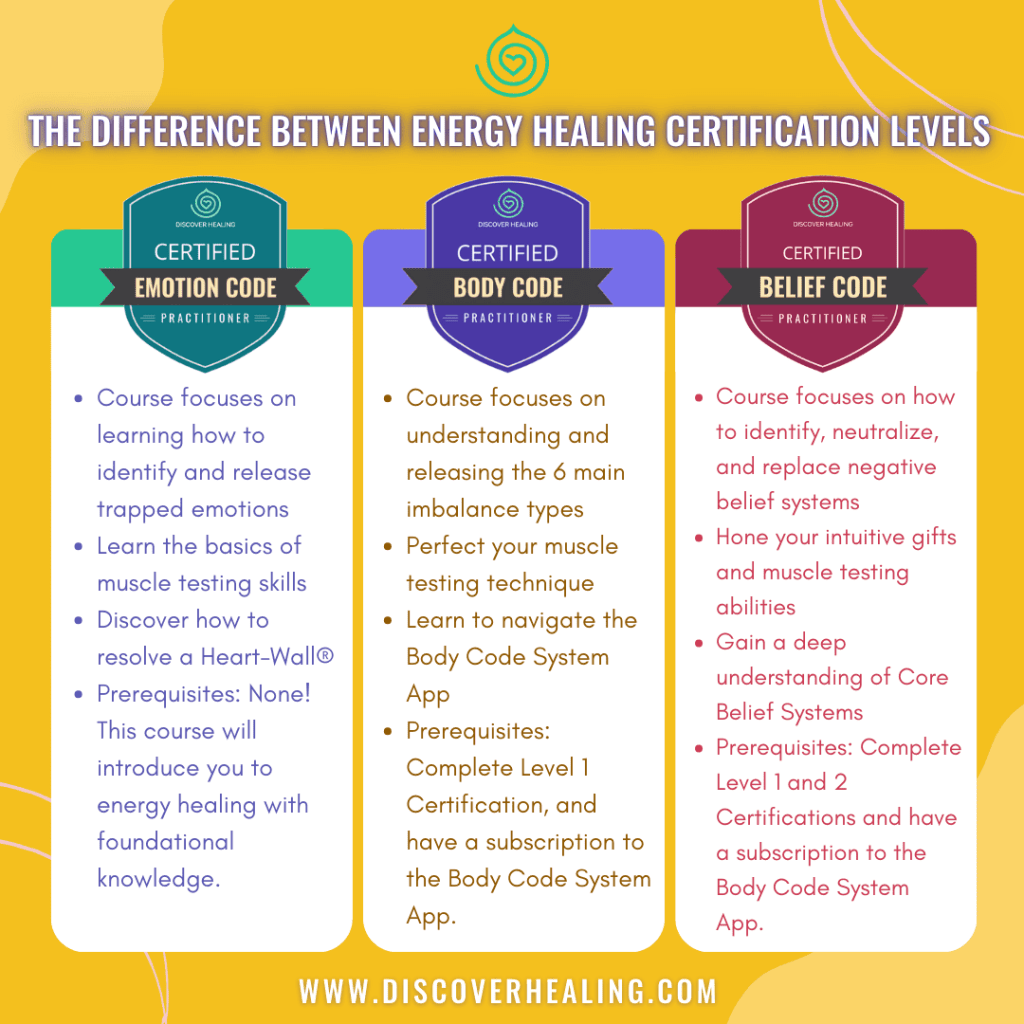
Using the Emotion Code®, a powerful yet simple method created by Dr. Bradley Nelson, we identify and release these hidden emotional energies. Through muscle testing and intention, we allow the body’s subconscious mind to guide the way, promoting emotional balance and inner peace. Many clients report feeling lighter—like they’ve finally exhaled after holding their breath for years.


Beyond Symptoms: Addressing Misalignments and Imbalances in the Body

Trapped emotions are just one piece of the puzzle. The Body Code® dives deeper into six essential areas of imbalance—energies, circuits and systems, toxins, pathogens, structural misalignments, and nutrition/lifestyle. This holistic system allows us to work with the body’s natural ability to heal itself.

Have a persistent ache that seems to defy medical explanation? Chronic fatigue that no supplement has fixed? The Body Code might uncover underlying energetic misalignments or imbalances that conventional methods overlook. These aren’t just symptoms—they’re signals. And we’re here to listen.


Rewriting the Story: Clearing Faulty and Limiting Beliefs

Your beliefs shape your reality. And many of us are living inside beliefs that were never ours to begin with—beliefs inherited from family, society, or painful experiences. These beliefs whisper lies like: I’m not good enough. I’ll never succeed. I have to struggle to be loved.

The Belief Code® offers a breakthrough process to identify and release these subconscious programs and replace them with beliefs that are empowering and true. Using a mapped system of belief types and subconscious discovery tools, we pinpoint the exact beliefs holding you back and clear them energetically—so your internal programming finally aligns with your soul’s potential.

If you’re ready to shift the story you’re telling yourself—and step into one rooted in truth, trust, and possibility—this is your invitation. Schedule a session with me and experience what it feels like to release emotional burdens, reset your energy, and realign with who you truly are. Whether you’re curious or committed, I’ll meet you where you are and walk with you every step of the way. You don’t have to carry it all anymore.


The Discovery Healing Immersion Path: A Journey of Transformation

Whether you’re navigating burnout, recovering from trauma, or simply seeking a more aligned life, the Immersion Path offers a supported, step-by-step experience in deep energetic healing. At Beyond Possibilities, we walk this path with you—through Emotion Code, Body Code, and Belief Code sessions—to clear what no longer serves and create space for what does.

This isn’t just a one-time fix; it’s a transformational journey. The Immersion Path is ideal for anyone who’s ready to commit to meaningful, lasting change—physically, emotionally, mentally, and spiritually.


Ready to Go Beyond?

If your heart is whispering there must be more, we invite you to explore a session or package through our Mentoring and Classes page. Whether you’re brand new to energy work or deeply intuitive, our goal is to guide you gently but powerfully into alignment—body, mind, and spirit.

You are not broken. You are not too much. You are not behind.

You are becoming—and we’re here to support your journey Beyond Possibilities.


✨ Let’s release, realign, and rise—together.

Essential Oils, Healing Journey, Health, Self-Discovery

Unlocking Our Emotions: A Path to Healing and Balance

Emotions are the language of our inner world, a bridge between our thoughts and physical experiences. They guide us, teach us, and—if we listen closely—can unlock a profound sense of healing and transformation. Yet, too often, we suppress, ignore, or misunderstand our emotions, leading to stress, disconnection, and even physical discomfort. What if we could change that narrative? What if unlocking our emotions meant unlocking our full potential?

Keep reading to receive support in expanding your emotional vocabulary and understanding your emotions on a deeper level. Plus, at the end of this blog, you’ll find a FREE Emotions Journal to help you track, process, and navigate your feelings with greater clarity and confidence.

The Science Behind Emotions

Research in psychology and neuroscience confirms that emotions are deeply connected to both our mental and physical well-being. Dr. Lisa Feldman Barrett, a leading researcher in affective science, explains that emotions are not hardwired reactions but rather constructed experiences influenced by past events, environment, and even physiological states (Barrett, 2017). This means we have more control over our emotional experiences than we might believe.

Chronic stress and unresolved emotional patterns have been linked to physiological ailments such as cardiovascular disease, weakened immune function, and digestive disorders (Sapolsky, 2004). Conversely, emotional awareness and regulation can improve overall well-being, fostering resilience and healthier relationships (Gross & John, 2003). By learning to recognize, process, and release our emotions, we allow ourselves to live in greater harmony with our bodies and minds.

Emotional Healing: Releasing What No Longer Serves You

The process of emotional healing is about acknowledging past experiences, understanding their impact, and allowing ourselves to move forward. According to Discover Healing, emotional imbalances often stem from trapped emotions—energetic imprints from past experiences that, if unaddressed, can contribute to emotional distress and physical discomfort. Techniques such as the Emotion Code, meditation, and mindfulness practices help release these stored emotions, allowing for renewed energy and clarity.

One key to emotional healing is self-awareness. By tuning in to how we feel and why, we begin to break free from automatic responses and unconscious emotional loops. Journaling, affirmations, and guided breathwork are simple yet powerful ways to cultivate emotional awareness and healing.

Supporting Emotions with Essential Oils

Essential oils can be profound allies in emotional wellness. Their aromatic compounds interact with the limbic system—the part of the brain that processes emotions—helping to shift emotional states and promote balance (doTERRA, 2016).

  • For Stress & Anxiety: Lavender and Bergamot help calm the nervous system and promote relaxation.
  • For Sadness & Grief: Citrus oils like Wild Orange and Lemon uplift and energize the spirit.
  • For Anger & Frustration: Frankincense and Roman Chamomile support grounding and emotional release.
  • For Confidence & Motivation: Peppermint and Rosemary invigorate the senses and promote clarity.
  • For Emotional Release & Healing: doTERRA’s Console Blend is formulated to soothe the heart and encourage peace.

By integrating essential oils into our daily rituals—through diffusion, topical application, or mindful inhalation—we create a supportive environment for emotional transformation.

Expand Your Emotional Vocabulary

Unique Emotions & Phrases

  1. Tickety-boo (British, possibly from Hindi ṭhīk hai, bābū) – Everything is going smoothly and well.
  2. Hiraeth (Welsh) – A deep longing for something, especially home or a place in time that can never be returned to.
  3. Saudade (Portuguese) – A melancholic longing for someone or something lost, mixed with fondness.
  4. Schadenfreude (German) – The pleasure derived from another’s misfortune.
  5. L’appel du vide (French) – “The call of the void,” the sudden urge to jump from high places or do something reckless.
  6. Dépaysement (French) – The feeling of being out of place, especially in a foreign country.
  7. Iktsuarpok (Inuit) – The anticipation of someone’s arrival, causing frequent checking outside.
  8. Torschlusspanik (German) – The fear of opportunities slipping away as one ages.
  9. Meraki (Greek) – Pouring your heart and soul into something you do.
  10. Litost (Czech) – A state of grief, regret, or torment, especially caused by self-awareness.

General Emotions & Expressions

  1. Ebullient – Overflowing with enthusiasm and energy.
  2. Serene – Calm, peaceful, and untroubled.
  3. Discombobulated – Confused or thrown off balance.
  4. Blissful – Extremely happy and content.
  5. Giddy – Lighthearted excitement or dizziness.
  6. Wistful – A mix of sadness and longing for something past.
  7. Jubilant – Overjoyed and triumphant.
  8. Lugubrious – Excessively mournful or gloomy.
  9. Exasperated – Intensely frustrated or annoyed.
  10. Nonplussed – Surprised and unsure how to react.

More Expressions for Emotions

  1. Gobsmacked – Astonished beyond words.
  2. Over the moon – Extremely happy.
  3. On cloud nine – Experiencing deep joy.
  4. A bundle of nerves – Very anxious or stressed.
  5. Miffed – Slightly annoyed or put off.
  6. Beside oneself – Overwhelmed with emotion.
  7. Gutted (British) – Deeply disappointed.
  8. Chuffed (British) – Pleased or proud.
  9. All at sea – Feeling lost or confused.
  10. Like a cat on a hot tin roof – Restless or anxious.

Complex or Subtle Emotions

  1. Forelsket (Norwegian) – The euphoria of first falling in love.
  2. Mono no aware (Japanese) – A sensitivity to the fleeting nature of life.
  3. Sisu (Finnish) – Extraordinary perseverance in adversity.
  4. Komorebi (Japanese) – The feeling of sunlight filtering through trees.
  5. Depaysement (French) – Feeling displaced in a foreign land.
  6. Resfeber (Swedish) – The restless anxiety and excitement before a journey.
  7. Kilig (Tagalog) – The butterflies-in-the-stomach feeling of romantic excitement.
  8. Mudita (Sanskrit) – Taking joy in the happiness of others.
  9. Fernweh (German) – A longing for distant places, the opposite of homesickness.
  10. Voorpret (Dutch) – The joy of anticipation before an event.

Expressions of Deep Emotion

  1. Sonder – The realization that everyone has a complex inner life like yours.
  2. Melancholy – A reflective sadness, often without an obvious cause.
  3. Cathartic – Feeling relieved after releasing emotions.
  4. Ethereal – Feeling light and otherworldly, often connected to beauty.
  5. Poignant – Deeply emotional, touching, and bittersweet.
  6. Stoic – Enduring hardship without showing emotion.
  7. Rapture – Intense pleasure or joy.
  8. Awe-struck – Filled with wonder and amazement.
  9. Nostalgic – A warm yet bittersweet longing for the past.
  10. Devastated – Completely shattered emotionally.

Final Thoughts: Embracing the Journey

Unlocking our emotions is not about controlling or suppressing them but about honoring them as part of our human experience. When we cultivate emotional intelligence, embrace healing, and utilize natural tools like essential oils, we empower ourselves to live with greater joy, resilience, and connection.

Are you ready to unlock your emotions and step into greater emotional freedom? It starts with a single moment of awareness—and a willingness to feel, release, and heal.

Uncategorized

Unlock Your Inner Peace: A Guide to Using the Mindfulness Journal

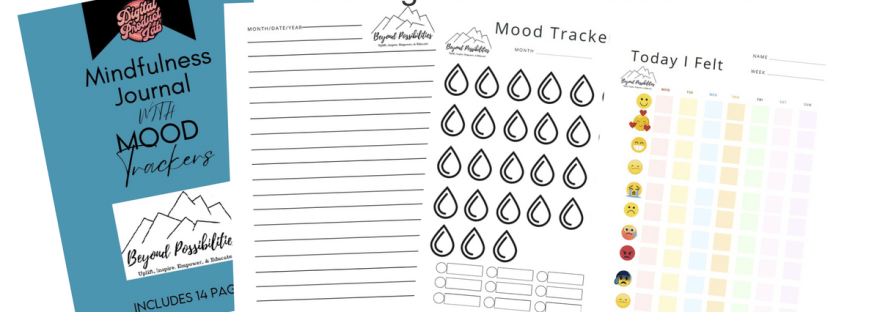
In a world where emotions swirl like a tempest, finding a moment of calm can feel like a distant dream. Enter the Mindfulness Journal—a beacon of tranquility designed to help you navigate your emotional landscape with grace and intention. This beautifully crafted tool, with its thoughtful mood and stress trackers, invites you to embark on a transformative journey of self-discovery and healing.

Setting the Stage for Mindful Living

Imagine starting your day by gently acknowledging your emotional state. The Mindfulness Journal offers a simple yet profound practice: a daily check-in with yourself. Each page is a canvas for your feelings—whether you’re basking in happiness or wrestling with stress. By naming and charting your emotions, you create a roadmap that not only identifies patterns but also points the way toward emotional freedom.

Harmonizing with Emotion Code and Body Code

As you dive into the journal, you’ll notice how seamlessly it integrates with practices like meditation. You can also support your emotional wellness by scheduling an Emotion Code and Body Code session. These modalities focus on identifying and releasing trapped emotions that may hinder your well-being. By tracking your moods daily, you gain insights into recurring emotional blockages. This awareness becomes a powerful ally in your healing process, making each session with the Emotion Code and Body Code more targeted and impactful.

Belief Code: Rewriting Your Narrative

Within the pages of the Mindfulness Journal lies the potential to challenge and transform limiting beliefs. The act of journaling becomes a dialogue with your inner self, where you can question old narratives and rewrite them with affirmations that uplift and empower. Each entry is a step toward embracing a belief system that supports your highest potential. You can also support your emotional wellness by scheduling a Belief Code session to release faulty belief.

Essential Emotions: Aromatic Anchors

Pairing your journaling practice with the doTERRA Emotional Aromatherapy Kit elevates the experience to a sensory delight. As you pen down your thoughts, allow the aromatic blends to anchor your intentions. Whether it’s the soothing touch of Lavender or the invigorating zest of Citrus Bliss, these essential oils complement your journey, providing emotional support and enhancing your mindfulness practice.

Crafting Your Path to Emotional Wellness

To fully harness the potential of the Mindfulness Journal, consider these steps:

  1. Daily Check-Ins: Start each day with a brief moment to assess your emotions. Use the mood tracker to note your feelings and observe any patterns over time.
  2. Reflect and Review: Use the journal to reflect on the highs and lows At the end of each week review your entries.
  3. Set Intentions: Use the journal to set daily or weekly intentions. Write affirmations that counter any negative beliefs and reinforce positive ones.
  4. Sensory Support: Enhance your journaling with essential oils. Diffuse them as you write, or apply them to pulse points to create a calming atmosphere that supports emotional clarity.

Final Thoughts: A Journey Worth Taking

The Mindfulness Journal is more than just a book—it’s a companion on your path to emotional well-being. By integrating it with tools like the Emotion Code, Body Code, Belief Code, and doTERRA Emotional Aromatherapy Kit, you create a holistic approach to self-care. Remember, the journey to emotional freedom begins with a single step—and that step is yours to take.

Embrace the possibilities that lie within these pages, and let your journey of self-discovery unfold.