Essential Oils, Healing Journey, Health

From Blah to Bliss: Tackle Seasonal Mood Challenges Naturally

Mahvash S. Goodarzi’s dissertation (2024) explores various nonmedical treatments for Seasonal Affective Disorder (SAD), focusing on interventions that are accessible and effective.* Below are five key nonmedical treatments highlighted in the study:

  1. Increased Physical Exercise: Regular outdoor exercise, especially in natural sunlight, can reduce depressive symptoms.
  2. Heliotherapy (Sunlight Exposure): Spending time outdoors during daylight hours helps regulate circadian rhythms and improve mood.
  3. Dietary Modifications: A diet rich in omega-3 fatty acids and low in unhealthy fats may prevent or alleviate SAD symptoms.
  4. Mindfulness and Meditation: These practices improve emotional regulation and reduce SAD symptoms.
  5. Cognitive-Behavioral Therapy (CBT): Focuses on changing negative thought patterns to enhance coping strategies.

Incorporating these essential oils into your daily routine through diffusion, topical application (diluted with a carrier oil), or aromatic use may promote relaxation, uplifting mood, and reducing stress.* Here are eight doTERRA essential oils that may be beneficial:

  1. Wild Orange: Known for its energizing aroma, Wild Orange can uplift the mood and create an invigorating environment.
  2. Lavender: Renowned for its calming properties, Lavender helps reduce anxious feelings and promotes relaxation.
  3. Bergamot: With its citrusy scent, Bergamot is uplifting and may help improve mood. healthmatch.io
  4. Peppermint: Peppermint’s invigorating aroma can enhance mental clarity and provide an energy boost, helping to combat lethargy associated with feeling of saddness. volantaroma.com
  5. Frankincense: Often used for its grounding properties, Frankincense promotes feelings of peace and relaxation, which can be beneficial during times of stress or low mood.
  6. doTERRA Adaptiv: This blend is specifically designed to reduce tension and promote emotional balance.
  7. doTERRA Balance: A grounding blend that fosters a sense of calm and tranquility, helpful for stabilizing emotions.
  8. Ylang Ylang: This floral-scented oil is known for its mood-enhancing properties, helping to reduce feelings of sadness and promote joy.

Journaling your mood can be a powerful tool for supporting emotional well-being. Here’s how it can help:

  1. Emotional Awareness and Clarity
    Writing down your feelings helps you become more aware of your emotions and identify patterns in your mood. This awareness can clarify what triggers negative emotions and what lifts your spirits, enabling you to manage your mental health more effectively.
  2. Stress Relief and Emotional Release
    Journaling serves as a safe outlet to release emotions. Whether you’re feeling sad, anxious, or overwhelmed, putting your thoughts on paper can reduce the intensity of those feelings and bring relief.
  3. Identifying and Challenging Negative Thoughts
    Mood journaling can help you spot unhelpful thought patterns. Once identified, you can challenge these thoughts and replace them with healthier, more positive perspectives—especially useful in cognitive-behavioral approaches.
  4. Tracking Progress and Growth
    By recording your emotions daily, you can track improvements over time. This can boost motivation and confidence when you see how far you’ve come in managing your emotions.
  5. Promotes Gratitude and Positive Thinking
    Incorporating gratitude journaling alongside mood tracking can shift your focus from negative experiences to positive ones. Reflecting on what you’re grateful for can increase resilience and improve overall mood.
  6. Improves Emotional Regulation
    When you regularly document your emotions, you’re more likely to notice early signs of emotional distress and respond to them before they escalate.
  7. Supports Communication
    Journaling helps you process your emotions before discussing them with others, leading to clearer and more effective communication about how you’re feeling.

**These statements have not been evaluated by the Food and Drug Administration. This product is not intended to diagnose, treat, cure, or prevent any disease.

References:

doTERRA. (n.d.). Calming anxious feelings. Retrieved from https://www.doterra.com/US/en/wellness-topics-calming-anxious-feelings

Goodarzi, M. S. (2024). A qualitative examination of nonmedical treatment of seasonal affective disorder in adults (Doctoral dissertation, The Chicago School of Professional Psychology). ProQuest Dissertations Publishing.

HealthMatch. (n.d.). Best essential oils for seasonal affective disorder (SAD). Retrieved from https://healthmatch.io/seasonal-affective-disorder/best-essential-oils-for-seasonal-affective-disorder

Volant Aroma. (n.d.). Essential oils for SAD: 5 essential oils to survive the winter blues. Retrieved from https://volantaroma.com/blogs/guides/essential-oils-for-sad-5-essential-oils-to-survive-the-winter-blues


Goodarzi, M. S. (2024). A qualitative examination of nonmedical treatment of seasonal affective disorder in adults (Doctoral dissertation, The Chicago School of Professional Psychology). ProQuest Dissertations Publishing. https://www.proquest.com/openview/a3fecb2855181be958aba8870914b4b5/1?pq-origsite=gscholar&cbl=18750&diss=y

Uncategorized

Unlock Your Inner Peace: A Guide to Using the Mindfulness Journal

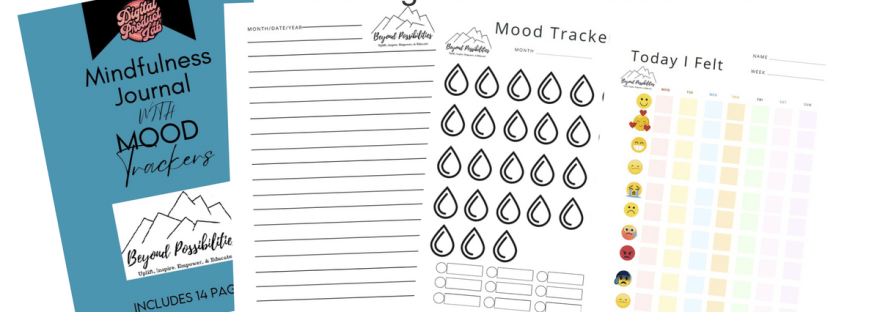
In a world where emotions swirl like a tempest, finding a moment of calm can feel like a distant dream. Enter the Mindfulness Journal—a beacon of tranquility designed to help you navigate your emotional landscape with grace and intention. This beautifully crafted tool, with its thoughtful mood and stress trackers, invites you to embark on a transformative journey of self-discovery and healing.

Setting the Stage for Mindful Living

Imagine starting your day by gently acknowledging your emotional state. The Mindfulness Journal offers a simple yet profound practice: a daily check-in with yourself. Each page is a canvas for your feelings—whether you’re basking in happiness or wrestling with stress. By naming and charting your emotions, you create a roadmap that not only identifies patterns but also points the way toward emotional freedom.

Harmonizing with Emotion Code and Body Code

As you dive into the journal, you’ll notice how seamlessly it integrates with practices like meditation. You can also support your emotional wellness by scheduling an Emotion Code and Body Code session. These modalities focus on identifying and releasing trapped emotions that may hinder your well-being. By tracking your moods daily, you gain insights into recurring emotional blockages. This awareness becomes a powerful ally in your healing process, making each session with the Emotion Code and Body Code more targeted and impactful.

Belief Code: Rewriting Your Narrative

Within the pages of the Mindfulness Journal lies the potential to challenge and transform limiting beliefs. The act of journaling becomes a dialogue with your inner self, where you can question old narratives and rewrite them with affirmations that uplift and empower. Each entry is a step toward embracing a belief system that supports your highest potential. You can also support your emotional wellness by scheduling a Belief Code session to release faulty belief.

Essential Emotions: Aromatic Anchors

Pairing your journaling practice with the doTERRA Emotional Aromatherapy Kit elevates the experience to a sensory delight. As you pen down your thoughts, allow the aromatic blends to anchor your intentions. Whether it’s the soothing touch of Lavender or the invigorating zest of Citrus Bliss, these essential oils complement your journey, providing emotional support and enhancing your mindfulness practice.

Crafting Your Path to Emotional Wellness

To fully harness the potential of the Mindfulness Journal, consider these steps:

  1. Daily Check-Ins: Start each day with a brief moment to assess your emotions. Use the mood tracker to note your feelings and observe any patterns over time.
  2. Reflect and Review: Use the journal to reflect on the highs and lows At the end of each week review your entries.
  3. Set Intentions: Use the journal to set daily or weekly intentions. Write affirmations that counter any negative beliefs and reinforce positive ones.
  4. Sensory Support: Enhance your journaling with essential oils. Diffuse them as you write, or apply them to pulse points to create a calming atmosphere that supports emotional clarity.

Final Thoughts: A Journey Worth Taking

The Mindfulness Journal is more than just a book—it’s a companion on your path to emotional well-being. By integrating it with tools like the Emotion Code, Body Code, Belief Code, and doTERRA Emotional Aromatherapy Kit, you create a holistic approach to self-care. Remember, the journey to emotional freedom begins with a single step—and that step is yours to take.

Embrace the possibilities that lie within these pages, and let your journey of self-discovery unfold.

Essential Oils, Healing Journey, Health, Self-Discovery

Managing Stress Naturally: Simple Solutions for a Calmer Mind

Life has a way of testing our limits, and stress often feels like an unavoidable part of that journey. But what if there were natural, simple ways to support your body and mind through those challenging moments? In this article, we’ll explore how to manage stress focusing on tools like essential oils and healthy habits that can help keep you grounded.

What Is Stress?

Before diving into solutions, let’s break down what stress actually is. Stress is a natural response your body has to any kind of demand or perceived threat. Whether it’s a looming deadline or personal concerns, stress triggers a flood of chemicals that prepare your body for “fight or flight.” This response is essential for survival but can become problematic when triggered too often or for prolonged periods.

How Stress Affects the Body

Chronic stress can have significant effects on your overall well-being, leading to physical symptoms like headaches, digestive issues, sleep problems, and even weakening your immune system. Emotionally, it can contribute to anxiety, irritability, and feelings of overwhelm.

But the good news is, there are natural ways to manage and reduce the impacts of stress, allowing your body to return to balance.

Daily Stress-Reducing Habits

Your daily habits play a significant role in managing stress. One of the most effective tools is conscious breathing. Simply pausing for a moment, inhaling deeply, and exhaling slowly can help reset your mind and body.

In addition to breathing techniques, regular exercise, adequate hydration, and maintaining a balanced diet can all contribute to overall emotional balance. Small actions like taking breaks, getting outside for a walk, or practicing mindfulness can make a big difference over time.

Using Essential Oils to Support Stress Management

Along with daily habits Essential oils add additional support. Essential oils, derived from plants, have long been used to promote feelings of calm and relaxation. While essential oils cannot cure or treat conditions, they can be an excellent addition to your wellness routine. Certain oils have specific properties that can help reduce feelings of stress and promote emotional well-being.

According to doTERRA, oils like Lavender, Bergamot, Adaptiv® and Calmer are particularly effective for creating a calming atmosphere. Lavender is well-known for its soothing properties, helping to calm both the body and mind. Bergamot, a citrus oil, can uplift your mood and ease anxious feelings. Adaptiv® is a doTERRA blend specially formulated to support those dealing with stressful situations.

When using oils, consider how to apply them. Diffusing oils into the air allows you to experience their benefits through aromatherapy, while diluted topical application on pulse points, such as wrists or temples, offers another way to promote relaxation.

Building a Calm Environment

Creating a space that encourages relaxation can be as simple as diffusing essential oils, playing soft music, or dimming the lights. Incorporating elements that make you feel grounded and at peace is key to managing stress.

According to doTERRA, their Balance® Grounding Blend is ideal for promoting feelings of tranquility and well-being. Combining it with regular self-care activities, like journaling or meditation, can further enhance a sense of calm.

Additional Resources

Mindfulness and Stress Reduction

Breathing Exercises

Meditation Script and Exercise

Essential Oils and Emotions

Create a custom diffuser blend to support your emotions and help shift the atmosphere of your home or space.*

Frankincense – Truth, Enlightened, Loved, Protected, Wisdom, Discerning, Connection to Father, Connection to the Devine

Myrrh – Safety in the world, Healthy attachments, Trusting, Bonding, Connection with mother, Connection to Mother Earth, Loved, Secure, Grounded

Cedarwood – Community, Emotional Connection, Supported, Belonging, Sociable, Social Bonding

Siberian Fir – Comforted, Generational Healing, Perspective, Forgiveness, Honest, Wisdom, Living in the present, optimistic, peaceful, adaptable

Douglas Fir – Generational Healing, Respecting Elders, Wisdom, Learning for the past

Clove – Boundaries, Empowerment, Protected, Courageous, Independent, Capable, Proactive, Integrity

Cinnamon – Accepted, Body Acceptance, Attractive

Ginger – Empowerment, Committed, Capable, Purposeful, Accountable

Spikenard – Grateful, Acceptance, Content, Peaceful

Peppermint – Optimistic, Relived, Strength to face emotional pain

Spearmint – Confident, Clarity of Thought, Confident Speech, Clarity, Courageous

Super Mint – Perspective, Rested, Soothed, Energized, Focused, Confident, Patient, Comforted

Citrus Bliss – Creativity, Invigorated, Childlike, Confident Expression, Spontaneous

Wild Orange – Abundant, Playful, Generous, Creative, Joyful

Grapefruit – Pure Potential, Excited, Wonder, Hopeful, Fearless, Innocent, Delighted

OnGuard – Protected, Healthy Boundaries, Independent, Strengthened, Capable

TerraSheild – Shielding, Courageous, Confident, Safe, Strong Boundaries

Support When You Need It

Finally, remember that managing stress is not a one-size-fits-all approach. What works for one person may not work for another, and that’s okay. Experiment with different tools like essential oils, mindful practices, and healthy habits to find what helps you most.

If stress begins to feel overwhelming, it’s important to seek support from coach or a healthcare professional. They can help you navigate more severe or chronic stress in ways that support your long-term health.

By combining these natural strategies, you’ll be better equipped to manage stress and lead a more balanced, peaceful life.

*These statements have not been evaluated by the Food and Drug Administration. This product is not intended to diagnose, treat, cure, or prevent any disease.

Healing Journey, Health, Self-Discovery

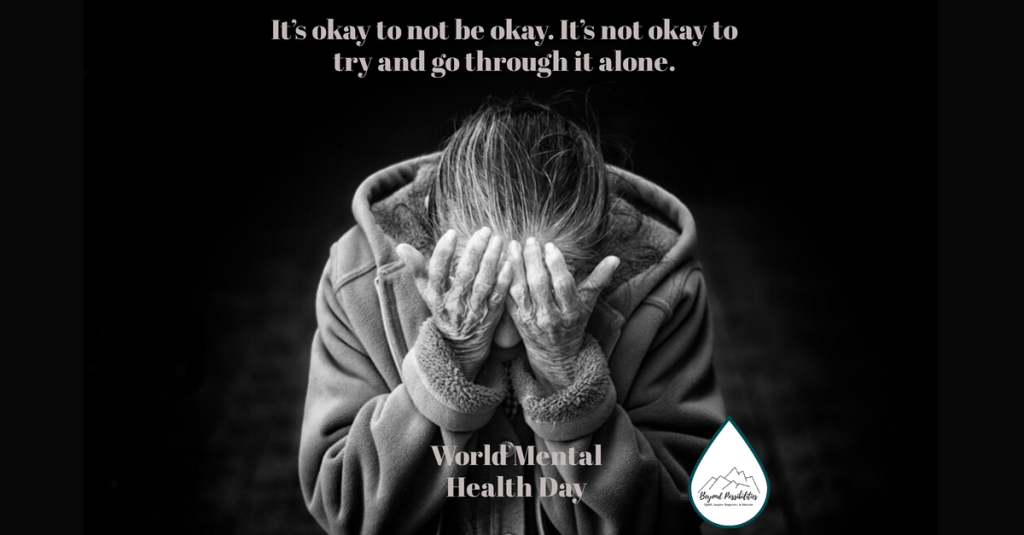
World Mental Health Day: It’s Okay to Not Be Okay

In a world where we’re constantly connected yet somehow feel more alone than ever, taking care of our mental health has never been more critical. Each year on World Mental Health Day, we are reminded of the importance of creating space for our emotional well-being, and this year, the message is clear: It’s okay to not be okay. It’s not okay to try and go through it alone.

The truth is, mental health struggles don’t discriminate. Whether you’re a high-achiever facing burnout, a parent juggling too much, or someone quietly battling anxiety or depression, you are not alone. And while it’s tempting to hide behind a brave face, pretending that everything is fine, the healing begins when we give ourselves permission to feel what we feel.

Reaching out is not a sign of weakness. In fact, it’s one of the bravest steps we can take in reclaiming our well-being. Whether it’s sharing with a trusted friend, seeking therapy, or tapping into holistic tools like essential oils, affirmations, or energy work, there are countless ways to support our mental health. The key is knowing that help is available and that it’s okay to ask for it.

This World Mental Health Day, let’s start the conversation. How are you, really? What can you do to support your mental health today? And who can you reach out to if you’re feeling overwhelmed? By showing up for ourselves and each other, we can collectively create a world where everyone feels safe to say, “I’m struggling, and that’s okay.”

Join the conversation at https://www.facebook.com/reel/580511624403810

Take a deep breath, let go of the pressure to have it all together, and remember: you don’t have to go through this journey alone. Let’s embrace the power of community and healing, one conversation at a time.

Imagine Dragons Say it best!

Join the conversation at https://www.facebook.com/reel/580511624403810

There is HELP

Here are some mental health crisis lines: 

  • 988 Suicide and Crisis Lifeline: Call or text 988 to connect with a trained crisis counselor 24/7. 
  • Crisis Text Line: Text HOME to 741741 to connect with a trained crisis counselor 24/7. 
  • Disaster Distress Helpline: Call or text 1-800-985-5990 to connect with a trained crisis counselor 24/7. 
  • National Alliance on Mental Illness (NAMI) HelpLine: Call 1-800-950-6264 or text NAMI to 741-741. 
  • SAMHSA’s National Helpline: Call 800-662-HELP (800-662-4357) for substance abuse and mental health. 
  • Teen Line: Call 800-852-8336 for youth in need of support. 
  • The Trevor Project: Call 1-866-488-7386 or text START to 678678 for LGBTQ youth. 
  • Trans Lifeline: Call 877-565-8860 for US and 877-330-6366 for Canada. 

#WorldMentalHealthDay
#ItsOkayToNotBeOkay
#MentalHealthMatters
#BreakTheStigma
#YouAreNotAlone
#EndTheStigma
#MentalHealthAwareness
#SelfCareMatters
#MentalHealthSupport
#TogetherWeHeal

Uncategorized

Improve Your Overall Wellness by Forgiving

Resentment, anger, and unresolved conflicts may be affecting your physical, mental, and spiritual health. Karen Swartz, M.D., director of the Mood Disorders Adult Consultation Clinic at The Johns Hopkins Hospital share that forgiveness is more than say I am sorry or I forgive you. She states, “It is an active process in which you make a conscious decision to let go of negative feelings whether the person deserves it or not,” in the article Forgiveness: Your Health Depends on It.

In February 12, 2021 Harvard Health published The power of forgiveness which states, “There are two sides to forgiveness: decisional and emotional. Decisional forgiveness involves a conscious choice to replace ill will with good will”.

Take a deeper dive

There are been research studies that have shown a mind body connection. In the article How Forgiveness Benefits Your Health: Forgiving Wrongdoers Can Expand Physical Fitness states, “Research has shown time and time again that our minds and bodies are linked: stress and depression can breed fatigue, while a positive outlook on life can provide us with an increased amount of energy. Willpower and determination can make us run faster and longer”.

Checkout the following research:

Indirect Effects of Forgiveness on Psychological Health Through Anger and Hope: A Parallel Mediation Analysis

Forgiveness can improve mental and physical health

Fit to Forgive: Effect of Mode of Exercise on Capacity to Override Grudges and Forgiveness

Forgiveness can improve mental and physical health

Essential Oils That Support Forgiveness*

Forgive Blend, Forgive Touch Blend

Copaiba, Copaiba Touch

Siberian Fir

Geranium

Citrus Bloom, Citrus Bloom Touch

FORGIVE YOUR BODY; FORGIVE YOURSELF!

Get help

Schedule Emotion Code Session

Schedule Body Code Session

Schedule Ho’oponopono Phone Session

Schedule Ho’oponopono Virtual Session

Schedule Wellness Consult

*These statements have not been evaluated by the Food and Drug Administration. This product is not intended to diagnose, treat, cure, or prevent any disease.