Essential Oils, Healing Journey, Health, Self-Discovery

Unlocking Our Emotions: A Path to Healing and Balance

Emotions are the language of our inner world, a bridge between our thoughts and physical experiences. They guide us, teach us, and—if we listen closely—can unlock a profound sense of healing and transformation. Yet, too often, we suppress, ignore, or misunderstand our emotions, leading to stress, disconnection, and even physical discomfort. What if we could change that narrative? What if unlocking our emotions meant unlocking our full potential?

Keep reading to receive support in expanding your emotional vocabulary and understanding your emotions on a deeper level. Plus, at the end of this blog, you’ll find a FREE Emotions Journal to help you track, process, and navigate your feelings with greater clarity and confidence.

The Science Behind Emotions

Research in psychology and neuroscience confirms that emotions are deeply connected to both our mental and physical well-being. Dr. Lisa Feldman Barrett, a leading researcher in affective science, explains that emotions are not hardwired reactions but rather constructed experiences influenced by past events, environment, and even physiological states (Barrett, 2017). This means we have more control over our emotional experiences than we might believe.

Chronic stress and unresolved emotional patterns have been linked to physiological ailments such as cardiovascular disease, weakened immune function, and digestive disorders (Sapolsky, 2004). Conversely, emotional awareness and regulation can improve overall well-being, fostering resilience and healthier relationships (Gross & John, 2003). By learning to recognize, process, and release our emotions, we allow ourselves to live in greater harmony with our bodies and minds.

Emotional Healing: Releasing What No Longer Serves You

The process of emotional healing is about acknowledging past experiences, understanding their impact, and allowing ourselves to move forward. According to Discover Healing, emotional imbalances often stem from trapped emotions—energetic imprints from past experiences that, if unaddressed, can contribute to emotional distress and physical discomfort. Techniques such as the Emotion Code, meditation, and mindfulness practices help release these stored emotions, allowing for renewed energy and clarity.

One key to emotional healing is self-awareness. By tuning in to how we feel and why, we begin to break free from automatic responses and unconscious emotional loops. Journaling, affirmations, and guided breathwork are simple yet powerful ways to cultivate emotional awareness and healing.

Supporting Emotions with Essential Oils

Essential oils can be profound allies in emotional wellness. Their aromatic compounds interact with the limbic system—the part of the brain that processes emotions—helping to shift emotional states and promote balance (doTERRA, 2016).

  • For Stress & Anxiety: Lavender and Bergamot help calm the nervous system and promote relaxation.
  • For Sadness & Grief: Citrus oils like Wild Orange and Lemon uplift and energize the spirit.
  • For Anger & Frustration: Frankincense and Roman Chamomile support grounding and emotional release.
  • For Confidence & Motivation: Peppermint and Rosemary invigorate the senses and promote clarity.
  • For Emotional Release & Healing: doTERRA’s Console Blend is formulated to soothe the heart and encourage peace.

By integrating essential oils into our daily rituals—through diffusion, topical application, or mindful inhalation—we create a supportive environment for emotional transformation.

Expand Your Emotional Vocabulary

Unique Emotions & Phrases

  1. Tickety-boo (British, possibly from Hindi ṭhīk hai, bābū) – Everything is going smoothly and well.
  2. Hiraeth (Welsh) – A deep longing for something, especially home or a place in time that can never be returned to.
  3. Saudade (Portuguese) – A melancholic longing for someone or something lost, mixed with fondness.
  4. Schadenfreude (German) – The pleasure derived from another’s misfortune.
  5. L’appel du vide (French) – “The call of the void,” the sudden urge to jump from high places or do something reckless.
  6. Dépaysement (French) – The feeling of being out of place, especially in a foreign country.
  7. Iktsuarpok (Inuit) – The anticipation of someone’s arrival, causing frequent checking outside.
  8. Torschlusspanik (German) – The fear of opportunities slipping away as one ages.
  9. Meraki (Greek) – Pouring your heart and soul into something you do.
  10. Litost (Czech) – A state of grief, regret, or torment, especially caused by self-awareness.

General Emotions & Expressions

  1. Ebullient – Overflowing with enthusiasm and energy.
  2. Serene – Calm, peaceful, and untroubled.
  3. Discombobulated – Confused or thrown off balance.
  4. Blissful – Extremely happy and content.
  5. Giddy – Lighthearted excitement or dizziness.
  6. Wistful – A mix of sadness and longing for something past.
  7. Jubilant – Overjoyed and triumphant.
  8. Lugubrious – Excessively mournful or gloomy.
  9. Exasperated – Intensely frustrated or annoyed.
  10. Nonplussed – Surprised and unsure how to react.

More Expressions for Emotions

  1. Gobsmacked – Astonished beyond words.
  2. Over the moon – Extremely happy.
  3. On cloud nine – Experiencing deep joy.
  4. A bundle of nerves – Very anxious or stressed.
  5. Miffed – Slightly annoyed or put off.
  6. Beside oneself – Overwhelmed with emotion.
  7. Gutted (British) – Deeply disappointed.
  8. Chuffed (British) – Pleased or proud.
  9. All at sea – Feeling lost or confused.
  10. Like a cat on a hot tin roof – Restless or anxious.

Complex or Subtle Emotions

  1. Forelsket (Norwegian) – The euphoria of first falling in love.
  2. Mono no aware (Japanese) – A sensitivity to the fleeting nature of life.
  3. Sisu (Finnish) – Extraordinary perseverance in adversity.
  4. Komorebi (Japanese) – The feeling of sunlight filtering through trees.
  5. Depaysement (French) – Feeling displaced in a foreign land.
  6. Resfeber (Swedish) – The restless anxiety and excitement before a journey.
  7. Kilig (Tagalog) – The butterflies-in-the-stomach feeling of romantic excitement.
  8. Mudita (Sanskrit) – Taking joy in the happiness of others.
  9. Fernweh (German) – A longing for distant places, the opposite of homesickness.
  10. Voorpret (Dutch) – The joy of anticipation before an event.

Expressions of Deep Emotion

  1. Sonder – The realization that everyone has a complex inner life like yours.
  2. Melancholy – A reflective sadness, often without an obvious cause.
  3. Cathartic – Feeling relieved after releasing emotions.
  4. Ethereal – Feeling light and otherworldly, often connected to beauty.
  5. Poignant – Deeply emotional, touching, and bittersweet.
  6. Stoic – Enduring hardship without showing emotion.
  7. Rapture – Intense pleasure or joy.
  8. Awe-struck – Filled with wonder and amazement.
  9. Nostalgic – A warm yet bittersweet longing for the past.
  10. Devastated – Completely shattered emotionally.

Final Thoughts: Embracing the Journey

Unlocking our emotions is not about controlling or suppressing them but about honoring them as part of our human experience. When we cultivate emotional intelligence, embrace healing, and utilize natural tools like essential oils, we empower ourselves to live with greater joy, resilience, and connection.

Are you ready to unlock your emotions and step into greater emotional freedom? It starts with a single moment of awareness—and a willingness to feel, release, and heal.

Essential Oils, Healing Journey, Health, Self-Discovery

From Stuck to Free: Transform Your Wellness Journey with Mind-Body Practices

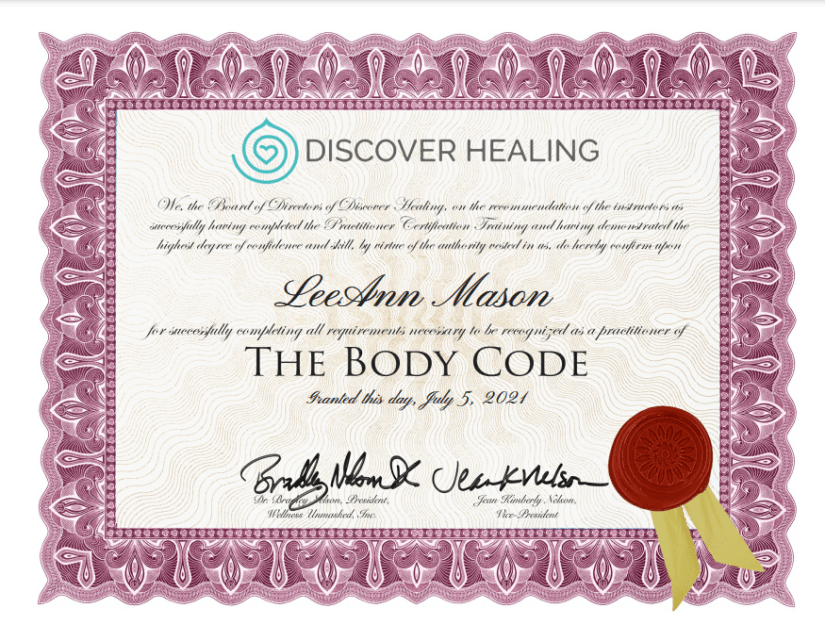
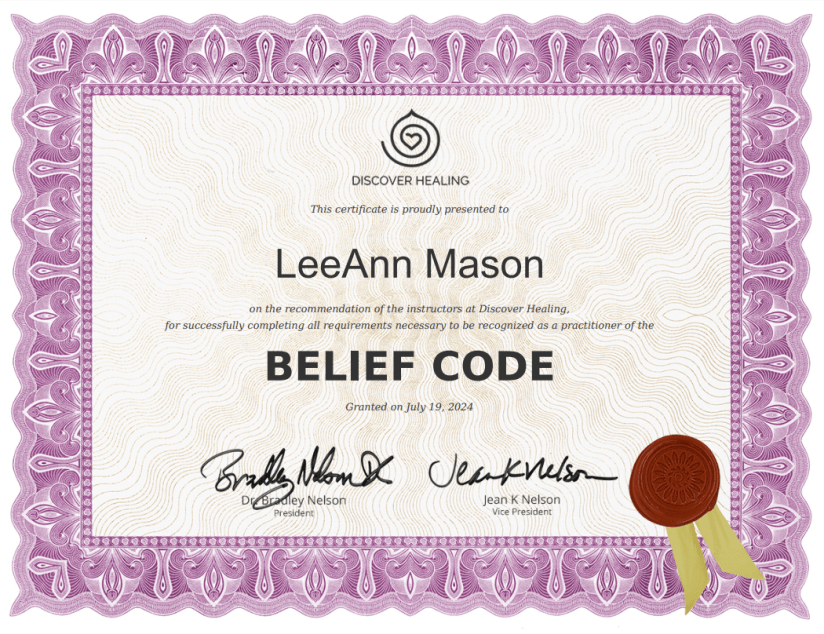
Do you feel stuck? Do you feel like you keep moving your past into the present or your future? Enhancing your wellness journey can be profoundly transformative when integrated with complementary holistic practices. By weaving together methods such as meditation, movement, aromatherapy with doTERRA Essential Oils, and the Emotion Code, Body Code, and Belief Code techniques, you can cultivate a harmonious balance of mind, body, and spirit.

1. Deepen mental clarity with Meditation
Meditation involves focusing attention to achieve mental clarity and emotional calm. This practice can enhance energy healing by promoting relaxation and heightened self-awareness. Regular meditation has been shown to reduce stress and improve overall well-being (Black et al., 2015).

2. Enhance Energy Flow with Movement and Dance
Movement, whether through structured exercise, mindful stretching, or free-flowing dance, plays a vital role in energy healing. Engaging in movement helps release stagnant energy, improve circulation, and boost emotional well-being. Dance, in particular, allows for self-expression while activating the body’s natural healing rhythms. Studies show that movement-based practices like dance therapy can reduce stress, improve mood, and enhance mind-body connection (Quiroga Murcia et al., 2010).

Pairing movement with doTERRA essential oils like Peppermint or Citrus Bliss can further invigorate the senses, promoting motivation and vitality. By incorporating intentional movement into your daily routine, you create space for emotional and energetic release, allowing for a deeper connection to your healing journey.

3. Elevate Your Practice with Aromatherapy
Aromatherapy utilizes essential oils to promote physical and emotional health. doTERRA Essential Oils, known for their purity, offer blends like ‘Motivate,’ which combines citrus and mint oils rich in monoterpenes, recognized for their uplifting properties (doTERRA, n.d.). Inhaling these scents can invigorate the senses and complement energy healing sessions.

4. Release Emotional Blockages with the Emotion Code
The Emotion Code, developed by Dr. Bradley Nelson, is a technique designed to identify and release trapped emotions that may hinder physical and emotional wellness. By addressing these emotional blockages, individuals can experience improved health and a greater sense of freedom (Nelson, 2019).

5. Address Energetic Imbalances with the Body Code
The Body Code is an energy healing method that aims to identify and correct imbalances within the body, encompassing areas such as energies, circuitry, toxins, pathogens, structural alignment, and nutrition. Utilizing this system can lead to enhanced well-being and support the body’s natural healing processes (Nelson, 2019).

6. Transform Limiting Beliefs with the Belief Code
The Belief Code focuses on identifying and shifting faulty belief systems that may contribute to emotional and physical challenges. By transforming these limiting beliefs, individuals can overcome self-sabotage and achieve personal empowerment (Nelson, 2019).

7. Cultivate Mindfulness in Daily Activities
Integrating mindfulness into daily tasks involves maintaining present-moment awareness, which can enhance the benefits of energy healing. Practices such as mindful breathing and conscious observation have been associated with reduced stress and improved mental health (Kabat-Zinn, 2003).

8. Engage in Grounding Practices
Grounding, or earthing, involves direct physical contact with the Earth’s surface electrons, promoting physiological balance. This practice has been linked to improved sleep and reduced inflammation, thereby supporting overall health (Chevalier et al., 2012).

9. Foster Emotional Expression through Creative Arts
Engaging in creative arts like painting, writing, or dancing allows for the expression of emotions, facilitating emotional release and healing. Creative activities have been found to enhance mood and reduce anxiety, complementing energy healing practices (Stuckey & Nobel, 2010).

By integrating these holistic practices into your wellness journey, you can create a synergistic effect that promotes profound healing and personal growth.


⚠DISCLAIMER⚠ All media content created by Beyond Possibilities and the AromaVibe is intended for education purposes only. *These statements have not been evaluated by the Food and Drug Administration. This is not intended to diagnose, treat, cure, or prevent any disease.

References
Black, D. S., O’Reilly, G. A., Olmstead, R., Breen, E. C., & Irwin, M. R. (2015). Mindfulness meditation and improvement in sleep quality and daytime impairment among older adults with sleep disturbances: A randomized clinical trial. JAMA Internal Medicine, 175(4), 494–501. https://doi.org/10.1001/jamainternmed.2014.8081

Chevalier, G., Sinatra, S. T., Oschman, J. L., Delany, R. M. (2012). Earthing (Grounding) the human body reduces blood viscosity—a major factor in cardiovascular disease. Journal of Alternative and Complementary Medicine, 19(2), 102–110. https://doi.org/10.1089/acm.2011.0820

doTERRA. (n.d.). Energy and motivation. https://www.doterra.com/US/en/wellness-topics-energy-motivation

Kabat-Zinn, J. (2003). Mindfulness-based interventions in context: Past, present, and future. Clinical Psychology: Science and Practice, 10(2), 144–156. https://doi.org/10.1093/clipsy.bpg016

Nelson, B. (2019). The Emotion Code: How to release your trapped emotions for abundant health, love, and happiness. St. Martin’s Press.

Quiroga Murcia, J. A., Kreutz, G., Clift, S., & Bongard, S. (2010). Shall we dance? An exploration of the perceived benefits of dancing on well-being. Arts & Health, 2(2), 149-163. https://doi.org/10.1080/17533010903488582

Ross, A., & Thomas, S. (2010). The health benefits of yoga and exercise: A review of comparison studies. Journal of Alternative and Complementary Medicine, 16(1), 3–12. https://doi.org/10.1089/acm.2009.0044

Stuckey, H. L., & Nobel, J. (2010). The connection between art, healing, and public health: A review of current literature. American Journal of Public Health, 100(2), 254–263. https://doi.org/10.2105/AJPH.2008.156497

Health

Moving Your Body at Any Level: 10 Free & Fun Ways to Get Active

When you think about exercise, do you picture intense gym sessions or expensive fitness classes? If so, you’re not alone — but the truth is, movement doesn’t have to cost a thing or look any certain way to benefit your body and mind.

Research consistently shows that movement at any level supports better physical health, emotional well-being, and even helps manage chronic conditions (Booth et al., 2017). And here’s the best part — it doesn’t have to be hard, or boring, or feel like a chore. Movement can be playful, creative, and joyful.

If you’re ready to explore simple, fun ways to move your body (no matter where you’re starting from), this guide is for you.


Movement Benefits Everyone — No Matter Your Fitness Level

Whether you’re just beginning to reconnect with your body or you already move regularly, the science is clear: all movement counts. Consistent physical activity — adapted to your abilities and preferences — can:

  • 🧘‍♀️ Lower stress and anxiety (Stubbs et al., 2018)
  • ❤️ Support heart health and circulation (Warburton & Bredin, 2017)
  • 💪 Improve blood sugar regulation and metabolic health (Bird & Hawley, 2017)
  • 🧠 Boost mood, energy, and cognitive function (Mandolesi et al., 2018)
  • 😴 Enhance sleep quality (Kredlow et al., 2015)
  • 🦠 Strengthen immune function and lower inflammation (Dimeo, 2019)

The beauty of movement? There’s no “right” way to do it. Your body, your preferences, and your unique circumstances all matter — and they deserve to be honored.


10 Free & Fun Ways to Move Your Body

You don’t need fancy gear, apps, or memberships to get more movement into your day. Sometimes, the simplest (and most joyful!) options are completely free. Whether you have 2 minutes or 20, here are 10 creative ways to move your body — without spending a dime.

1. Dance Like Nobody’s Watching

Turn up your favorite playlist and dance it out in your living room, kitchen, or even your backyard. Dancing gets your heart pumping, your body moving, and your mood soaring.

2. Take a Nature Walk

Whether it’s a stroll around the block or a wander through a local park, walking is accessible, adaptable, and proven to support mental and physical health (Shanahan et al., 2016).

3. Staircase Cardio Breaks

If you have access to stairs, you have a built-in workout. Walk, jog, or lunge your way up and down — even for a few minutes — and feel the difference.

4. Bodyweight Mini-Workouts

Push-ups against the wall, squats, calf raises, or gentle stretches — your own body weight is the perfect (and free!) resistance tool.

5. Garden, Rake, or Weed

Yard work is sneakily active! All that bending, digging, and lifting adds up to functional movement that strengthens your muscles and keeps you moving.

6. Stretch It Out

Take 5 minutes to stretch out tight muscles. Stretching helps with flexibility, circulation, and body awareness — and it’s completely free.

7. Neighborhood Scavenger Hunt

Make movement a game! Create a list of things to spot (a red door, a squirrel, a flower), and set off to find them. It’s a playful way to add steps to your day.

8. DIY Obstacle Course

Got kids (or just love to play)? Set up a living room or backyard obstacle course using pillows, furniture, or outdoor items. Crawl, jump, balance, and have fun!

9. Free Online Movement Classes

YouTube has thousands of free movement options — from yoga and tai chi to dance breaks and beginner workouts. Explore until you find a guide you love.

10. Silent Outdoor Dance Parties

Put in your headphones, head to a quiet outdoor spot (or even your backyard), and dance it out under the sky. Playful, liberating, and totally free.


Start Where You Are — Every Step Counts

At Beyond Possibilities, we believe movement is a gift, not a punishment. It’s a chance to reconnect with your body, release stress, and even experience joy. Whether you move for 5 minutes or 50, every bit of compassionate movement counts — no perfection required.

What would happen if you gave yourself permission to move in ways that feel good? What if movement became a form of self-care — instead of something on your to-do list? That’s the invitation. Start small. Stay curious. Celebrate every step.


The more you know…

Prolonged sitting is linked to a higher risk of mortality from all causes and cardiovascular disease, even for those who get enough physical activity, with studies showing a 16% and 34% increased risk, respectively. 

Here’s a breakdown of the health risks associated with excessive sitting:

Increased Risk of Mortality:

  • All-cause mortality:Studies have shown that people who predominantly sit at work have a 16% higher risk of dying from any cause. 
  • Cardiovascular disease mortality:The same studies indicate a 34% higher risk of dying from cardiovascular disease in those who sit for long periods. 
  • Other studies:One study found that prolonged leisure time sitting was associated with a 19% higher rate of death from all causes combined compared to sitting less than 3 hours per day. 

Other Health Risks:

  • Metabolic Dysfunction:Prolonged sitting can lead to metabolic dysfunction, characterized by elevated blood triglyceride levels, reduced HDL-cholesterol levels, and diminished insulin sensitivity. 
  • Increased Risk of Chronic Diseases:Sitting for extended periods is linked to an increased risk of chronic diseases, including obesity, diabetes, and cardiovascular disease. 
  • Back Pain and Musculoskeletal Issues:Prolonged sitting can put a strain on the back, neck, arms, and legs, potentially leading to back pain and other musculoskeletal issues. 
  • Digestive Problems:A sedentary lifestyle, including prolonged sitting, can negatively impact bowel function and may be linked to inflammatory bowel disease and other digestive problems. 
  • Mental Health:Prolonged sitting can also have an impact on mental health, as it is linked to decreased physical activity which can negatively impact mental well-being. 

A recent study asks the question, “What are the health outcomes associated with prolonged occupational sitting in the context of various levels of physical activity among apparently healthy individuals?” (Gao et al., 2024)

Read the study now.


References (APA 7)

Bird, S. R., & Hawley, J. A. (2017). Exercise and type 2 diabetes: New prescription for an old problem. Maturitas, 100, 11-16. https://doi.org/10.1016/j.maturitas.2017.03.022

Booth, F. W., Roberts, C. K., & Laye, M. J. (2017). Lack of exercise is a major cause of chronic diseases. Comprehensive Physiology, 2(2), 1143-1211. https://doi.org/10.1002/cphy.c110025

Dimeo, F. (2019). Effects of exercise on the immune system and outcomes in patients with cancer. Physical Activity and Cancer, 89-106. https://doi.org/10.1007/978-3-319-64337-9_5

Gao, W., Sanna, M., Chen, Y.-H., Tsai, M.-K., & Wen, C.-P. (2024). Occupational Sitting Time, Leisure Physical Activity, and All-Cause and Cardiovascular Disease Mortality. JAMA Network Open7(1), e2350680. https://doi.org/10.1001/jamanetworkopen.2023.50680

Kredlow, M. A., Capozzoli, M. C., Hearon, B. A., Calkins, A. W., & Otto, M. W. (2015). The effects of physical activity on sleep: A meta-analytic review. Journal of Behavioral Medicine, 38(3), 427-449. https://doi.org/10.1007/s10865-015-9617-6

Mandolesi, L., Polverino, A., Montuori, S., Foti, F., Ferraioli, G., Sorrentino, P., & Sorrentino, G. (2018). Effects of physical exercise on cognitive functioning and wellbeing: Biological and psychological benefits. Frontiers in Psychology, 9, 509. https://doi.org/10.3389/fpsyg.2018.00509

Rhodes, R. E., McEwan, D., & Rebar, A. L. (2017). Theories of physical activity behaviour change: A history and synthesis of approaches. Psychology of Sport and Exercise, 42, 100-109. https://doi.org/10.1016/j.psychsport.2018.11.010

Shanahan, D. F., Franco, L., Lin, B. B., Gaston, K. J., & Fuller, R. A. (2016). The benefits of natural environments for physical activity. Sports Medicine, 46(7), 989-995. https://doi.org/10.1007/s40279-016-0502-4

Stubbs, B., Vancampfort, D., Rosenbaum, S., Firth, J., Cosco, T., Veronese, N., … & Schuch, F. B. (2018). An examination of the anxiolytic effects of exercise for people with anxiety and stress-related disorders: A meta-analysis. Psychiatry Research, 258, 136-140. https://doi.org/10.1016/j.psychres.2017.11.020

Warburton, D. E., & Bredin, S. S. (2017). Health benefits of physical activity: A systematic review of current systematic reviews. Current Opinion in Cardiology, 32(5), 541-556. https://doi.org/10.1097/HCO.0000000000000437

⚠DISCLAIMER⚠ All media content created by Beyond Possibilities and the AromaVibe is intended for education purposes only. *These statements have not been evaluated by the Food and Drug Administration. This is not intended to diagnose, treat, cure, or prevent any disease.

Uncategorized

My Real Weight Loss Journey: An Honest Start

Weight loss isn’t a one-size-fits-all formula; it’s a deeply personal journey that often involves discovering what works uniquely for you. When I decided to embark on my own weight loss journey, I knew it wouldn’t be about quick fixes or strict diets but about creating a lifestyle I could maintain. I’m excited to share this journey with you, grounded in authenticity, self-discovery, and some transformative insights.

The videos I’ve shared capture this journey in real-time—the highs and lows, the challenges and achievements. Each step is shaped by lessons I’m learning, and I hope these glimpses into my journey will inspire others who feel it’s time to take that first step. Here are the first two for you to review.

I started off playing it “safe” sharing some of my routines as well as some the things I already knew as well as things I am learning.


The Realization and the Resolve

Starting out, I knew that consistency would be key. I wanted more than just to lose weight; I wanted to feel truly good, energized, and free. Watching back my initial videos reminds me of the commitment I made: to show up for myself, even on tough days. This isn’t just about numbers on a scale; it’s about living fully.

For me accountability is key is well as consistency. So as I added Zestal Trim to my routine, I wanted to document it. I started by doing for 4 day trial and I shared

Here is my 4 day Zestal Trim review.

Finding My Rhythm

Early in the journey, I quickly learned that small, steady changes often had the biggest impact. Tracking my progress on video is bringing me a new sense of accountability, but it also allows me to see the shifts in mindset and energy as well as in my body that aren’t always visible on the scale. Movement and weightlifting have been part of my weekly routine since for many years and is an important part of my journey. Incorporating new habits such as exploring foods that felt right for my body, focusing on macros, having great coaches, and leaning on tools like journaling and self-compassion are now part of building a new routine.

Staying Honest, Staying Real

If there’s one thing I’ve committed to in this journey, it’s honesty—especially with myself. Weight loss is often glorified in our culture, but in reality, it requires a willingness to look at ourselves deeply. Sharing these moments with you through videos has been both empowering and vulnerable, a reminder that no one has it all together all the time.

Here is my most venerable post so far as I share my real body in real time.


This journey is ongoing, and I look forward to sharing more in my upcoming posts and videos. We’ll dive into the practices that are working, how I handle setbacks, and the small wins that make it all worth it. For now, thank you for joining me as I take each step toward a healthier, happier me.

Do you want support for your own journey?

Essential Oils, Healing Journey, Health, Self-Discovery

Managing Stress Naturally: Simple Solutions for a Calmer Mind

Life has a way of testing our limits, and stress often feels like an unavoidable part of that journey. But what if there were natural, simple ways to support your body and mind through those challenging moments? In this article, we’ll explore how to manage stress focusing on tools like essential oils and healthy habits that can help keep you grounded.

What Is Stress?

Before diving into solutions, let’s break down what stress actually is. Stress is a natural response your body has to any kind of demand or perceived threat. Whether it’s a looming deadline or personal concerns, stress triggers a flood of chemicals that prepare your body for “fight or flight.” This response is essential for survival but can become problematic when triggered too often or for prolonged periods.

How Stress Affects the Body

Chronic stress can have significant effects on your overall well-being, leading to physical symptoms like headaches, digestive issues, sleep problems, and even weakening your immune system. Emotionally, it can contribute to anxiety, irritability, and feelings of overwhelm.

But the good news is, there are natural ways to manage and reduce the impacts of stress, allowing your body to return to balance.

Daily Stress-Reducing Habits

Your daily habits play a significant role in managing stress. One of the most effective tools is conscious breathing. Simply pausing for a moment, inhaling deeply, and exhaling slowly can help reset your mind and body.

In addition to breathing techniques, regular exercise, adequate hydration, and maintaining a balanced diet can all contribute to overall emotional balance. Small actions like taking breaks, getting outside for a walk, or practicing mindfulness can make a big difference over time.

Using Essential Oils to Support Stress Management

Along with daily habits Essential oils add additional support. Essential oils, derived from plants, have long been used to promote feelings of calm and relaxation. While essential oils cannot cure or treat conditions, they can be an excellent addition to your wellness routine. Certain oils have specific properties that can help reduce feelings of stress and promote emotional well-being.

According to doTERRA, oils like Lavender, Bergamot, Adaptiv® and Calmer are particularly effective for creating a calming atmosphere. Lavender is well-known for its soothing properties, helping to calm both the body and mind. Bergamot, a citrus oil, can uplift your mood and ease anxious feelings. Adaptiv® is a doTERRA blend specially formulated to support those dealing with stressful situations.

When using oils, consider how to apply them. Diffusing oils into the air allows you to experience their benefits through aromatherapy, while diluted topical application on pulse points, such as wrists or temples, offers another way to promote relaxation.

Building a Calm Environment

Creating a space that encourages relaxation can be as simple as diffusing essential oils, playing soft music, or dimming the lights. Incorporating elements that make you feel grounded and at peace is key to managing stress.

According to doTERRA, their Balance® Grounding Blend is ideal for promoting feelings of tranquility and well-being. Combining it with regular self-care activities, like journaling or meditation, can further enhance a sense of calm.

Additional Resources

Mindfulness and Stress Reduction

Breathing Exercises

Meditation Script and Exercise

Essential Oils and Emotions

Create a custom diffuser blend to support your emotions and help shift the atmosphere of your home or space.*

Frankincense – Truth, Enlightened, Loved, Protected, Wisdom, Discerning, Connection to Father, Connection to the Devine

Myrrh – Safety in the world, Healthy attachments, Trusting, Bonding, Connection with mother, Connection to Mother Earth, Loved, Secure, Grounded

Cedarwood – Community, Emotional Connection, Supported, Belonging, Sociable, Social Bonding

Siberian Fir – Comforted, Generational Healing, Perspective, Forgiveness, Honest, Wisdom, Living in the present, optimistic, peaceful, adaptable

Douglas Fir – Generational Healing, Respecting Elders, Wisdom, Learning for the past

Clove – Boundaries, Empowerment, Protected, Courageous, Independent, Capable, Proactive, Integrity

Cinnamon – Accepted, Body Acceptance, Attractive

Ginger – Empowerment, Committed, Capable, Purposeful, Accountable

Spikenard – Grateful, Acceptance, Content, Peaceful

Peppermint – Optimistic, Relived, Strength to face emotional pain

Spearmint – Confident, Clarity of Thought, Confident Speech, Clarity, Courageous

Super Mint – Perspective, Rested, Soothed, Energized, Focused, Confident, Patient, Comforted

Citrus Bliss – Creativity, Invigorated, Childlike, Confident Expression, Spontaneous

Wild Orange – Abundant, Playful, Generous, Creative, Joyful

Grapefruit – Pure Potential, Excited, Wonder, Hopeful, Fearless, Innocent, Delighted

OnGuard – Protected, Healthy Boundaries, Independent, Strengthened, Capable

TerraSheild – Shielding, Courageous, Confident, Safe, Strong Boundaries

Support When You Need It

Finally, remember that managing stress is not a one-size-fits-all approach. What works for one person may not work for another, and that’s okay. Experiment with different tools like essential oils, mindful practices, and healthy habits to find what helps you most.

If stress begins to feel overwhelming, it’s important to seek support from coach or a healthcare professional. They can help you navigate more severe or chronic stress in ways that support your long-term health.

By combining these natural strategies, you’ll be better equipped to manage stress and lead a more balanced, peaceful life.

*These statements have not been evaluated by the Food and Drug Administration. This product is not intended to diagnose, treat, cure, or prevent any disease.