Healing Journey, Making a Difference, Self-Discovery

Cultivating Gratitude in November — And Beyond

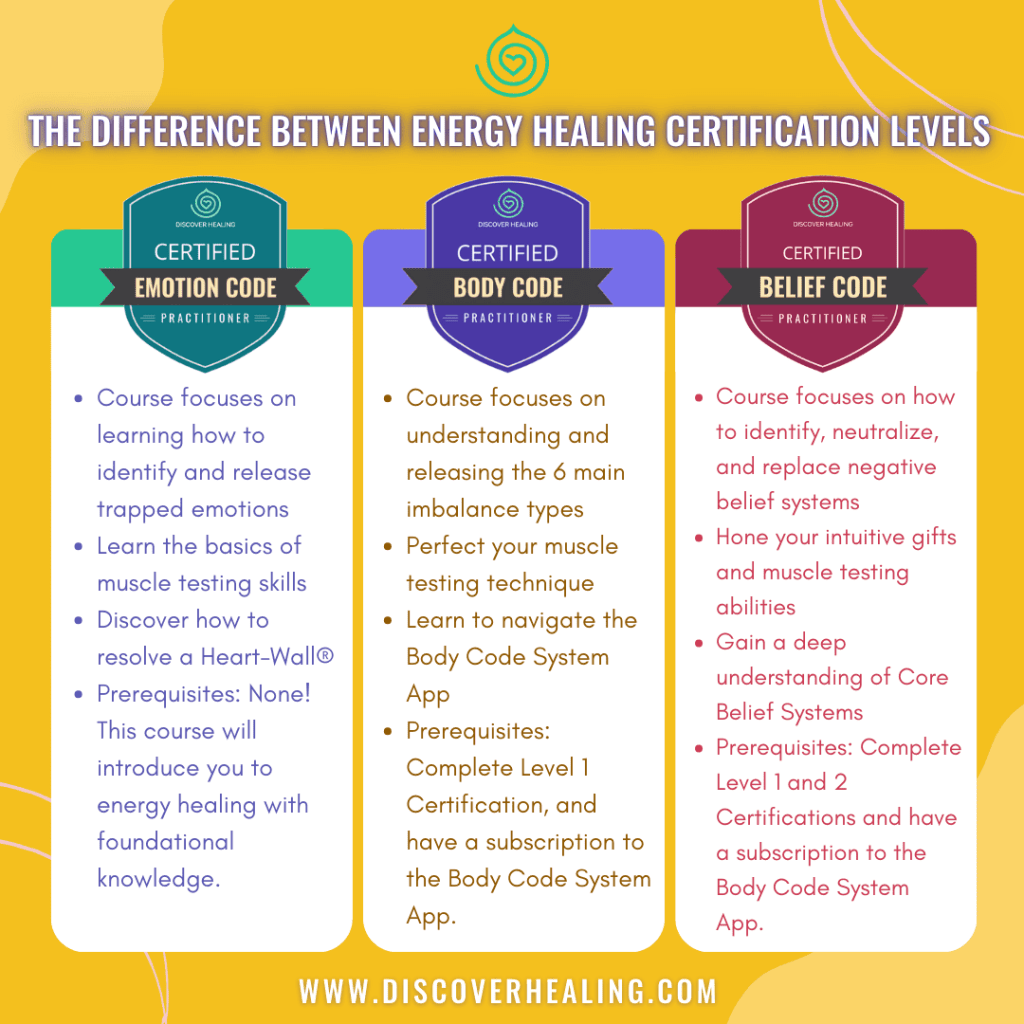
The crisp November air holds a subtle invitation: to pause, inhale deeply, and turn the gaze inward with a heartfelt “thank you.” I am grateful for those who trust me as their mentor, Essential Oil Coach, and Emotion Code, Body Code, and Belief Code Practitioner. I am thankful to those who follow me on the various platforms and hope you find value in what I share. Thank you for joining me on this journey.

As the golden leaves shift into quiet rest, so too can we shift from doing to being grateful. For many years I’ve taken this month to share one daily gratitude post on social media—and this year I’m inviting you to join me. Let’s explore why this matters: the science of gratitude, how it influences our health, and how simple daily practice can ripple into our wellbeing and community.

Why Gratitude Matters: The Research Story

Gratitude is more than a feel-good notion. In psychological science it’s defined as “the appreciation of what is valuable and meaningful to oneself; a general state of thankfulness and/or appreciation” (Wood, Joseph, Lloyd, & Atkins, 2009).

Here are several evidence-based benefits:

1. Mental & Emotional Wellbeing

  • Gratitude correlates with greater happiness, more positive emotions, and improved life satisfaction (Harvard Health, 2021).
  • A meta-analysis of 64 randomized trials found gratitude interventions led to significant improvements in mental health: fewer symptoms of anxiety (−7.8 %) and depression (−6.9 %) (Jans-Beken et al., 2022).
  • Gratitude writing specifically (vs. general expressive writing) decreased stress and negative affect in a one-month follow-up (Schanche et al., 2020).

2. Physical Health & Sleep

  • Gratitude is associated with better sleep quality, reduced fatigue, fewer physical symptoms, and improved cardiovascular markers (Harvard Health, 2024).
  • Individuals with higher dispositional gratitude report greater vitality, less anxiety, and better self-rated physical health (Hill & Roberts, 2011).

3. Brain, Body, and Neural Pathways

  • Neuroscientific work shows gratitude activates brain regions tied to reward, social bonding, and emotional regulation (Fox et al., 2015).
  • Gratitude journaling helps “rewire” the brain—shifting attention toward noticing positives and strengthening social connections (The Resilience Project, 2023).

4. Relationships & Community

  • Gratitude strengthens social ties. Expressing thanks signals that we’ve received value from someone else, fostering trust, connection, and prosocial behavior (Greater Good Science Center, 2016).
  • The ripple extends beyond the individual; by nurturing gratitude, we also nurture environments of appreciation, kindness, and resilience.
How This Matters for You — And for Us Together

As I share my daily “gratitude” posts throughout November with you, here’s what I’m inviting—and what you might discover:

  • Resilience under pressure. Life brings stress, uncertainty, pain—yet research shows gratitude buffers against anxiety, depressive symptoms, and even lowers physical complaints.
  • Foundational self-care. While we often think of self-care as what we do (exercise, essential oils, sleep routines), gratitude is what we become—an orientation, a noticing.
  • Embodied payoff. Better sleep, less fatigue, improved mood—these aren’t extras; they’re foundational to showing up fully in your life, relationships, and purpose.
  • Shared transformation. When you join the daily gratitude practice with me, we create a collective momentum—a shared shift toward noticing, naming, and appreciating the good. That communal energy amplifies the individual benefits.

How to Participate: A Simple Framework

Here’s how you can join in this year’s November gratitude journey—with flexibility built in so it fits you.

  1. Download your free Gratitude Journal. (below)
    Begin by downloading my Beyond Possibilities Gratitude Journal, designed to guide your daily reflections and deepen your awareness of what’s good in your life. It includes space for 3–10 daily gratitude entries, inspiring prompts, and weekly reflection pages. (Download link coming soon!)
  2. Choose your medium.
    Whether it’s your downloaded journal, a digital notes app, or a social-media post—pick the format you’ll stick with.
  3. Keep it manageable.
    Research suggests that recording 3 to 10 items per day tends to produce optimal benefits (more than 10 may dilute impact).
    • For example: “I’m grateful today for…” followed by 3–5 things.
    • You may also pick a theme of the day (health, connection, nature, small joys, acts of kindness).
  4. Be honest & intentional.
    Gratitude doesn’t mean ignoring challenges—it means also noticing what’s good despite them. Authenticity matters more than perfection.
    • A suggested prompt: “What happened today that I might normally overlook—and how did it matter?”
    • Another: “Who made a difference for me today—and how can I thank them?”
  5. Share the ripple.
    Post what you’re grateful for on my daily gratitude post—either on LinkedIn or Facebook.
    Join the conversation, celebrate others’ moments of gratitude, and invite friends or family to participate.
    Or share on your own social media with the hashtag #BeyondGratitude to connect our growing community of thankfulness.
  6. Reflect weekly.
    At the end of each week in November, look back—What patterns emerge? What small things became big? What surprised you? This reflective pause deepens your practice and anchors your learning.

Why This Year Feels Especially Right

Given the fullness of our lives—with our personal healing journeys, essential-oil routines, emotional body work, stress-management, and self-care practices—layering in a gratitude practice is like adding a powerful support beam under the rest of the structure. It doesn’t replace anything you’re doing; it helps everything you do work better.
Plus, once gratitude becomes a habit, its benefits persist and compound over time.


In Closing

I invite you to step into November together—each day noticing something you are grateful for, sharing it if you choose, and inviting others into the circle. Let’s watch how small moments of thanks can build into greater resilience, deeper joy, stronger relationships, and more vibrant health.

With heartfelt thanks for you—for showing up, for choosing healing, for being part of this community. Here’s to a month of gratitude, connection, and transformation.


References

Emmons, R. A., & McCullough, M. E. (2003). Counting blessings versus burdens: An experimental investigation of gratitude and subjective well-being in daily life. Journal of Personality and Social Psychology, 84(2), 377–389.
Fox, G. R., Kaplan, J., Damasio, H., & Damasio, A. (2015). Neural correlates of gratitude. Frontiers in Psychology, 6(1491). https://doi.org/10.3389/fpsyg.2015.01491
Greater Good Science Center. (2016). How gratitude changes you and your brain. https://greatergood.berkeley.edu/article/item/how_gratitude_changes_you_and_your_brain
Harvard Health. (2021). Giving thanks can make you happier. https://www.health.harvard.edu/healthbeat/giving-thanks-can-make-you-happier
Harvard Health. (2024). Gratitude enhances health, brings happiness — and may even lengthen lives. https://www.health.harvard.edu/blog/gratitude-enhances-health-brings-happiness-and-may-even-lengthen-lives-202409113071
Hill, P. L., & Roberts, B. W. (2011). Examining the pathways between gratitude and self-rated physical health. Psychology & Health, 26(9), 1057–1072. https://pmc.ncbi.nlm.nih.gov/articles/PMC3489271/
Jans-Beken, L., et al. (2022). The effects of gratitude interventions: A systematic review and meta-analysis. Frontiers in Psychology. https://pmc.ncbi.nlm.nih.gov/articles/PMC10393216/
Schanche, E., et al. (2020). A brief gratitude writing intervention decreased stress and negative affect. Frontiers in Psychology. https://pmc.ncbi.nlm.nih.gov/articles/PMC8867461/
The Resilience Project. (2023). Gratitude and the benefits of journaling. https://theresilienceproject.com.au/at-home/wellbeing-hub/gratitude-and-the-benefits-of-journaling/
Wood, A. M., Joseph, S., Lloyd, J., & Atkins, S. (2009). Gratitude influences sleep through the mechanism of pre-sleep cognitions. Journal of Psychosomatic Research, 66(1), 43-48.

Family Life Education, Making a Difference, Self-Discovery

Building Bridges: Understanding Family Communication Styles

Communication is at the heart of every family relationship. It’s how we express love, set boundaries, and navigate challenges together. Yet, as our children grow—from tweens discovering independence, to teens testing limits, to young adults stepping into the world—communication often becomes one of the trickiest parts of parenting.

Whether you’re trying to get an 11-year-old to clean up their room, discussing curfew with a 16-year-old, or respecting the independence of your 22-year-old, the way you communicate can either strengthen connection or create distance.


Why Communication Matters

Research consistently shows that strong family communication builds resilience, reduces conflict, and helps children thrive emotionally (Alejandra & Kataoka, 2017; Busby & Chiu, 2017). For parents, good communication creates more cooperation at home and a deeper sense of trust—even during tough conversations.

The challenge? Not every style of communication is equally effective.


The Four Common Communication Styles

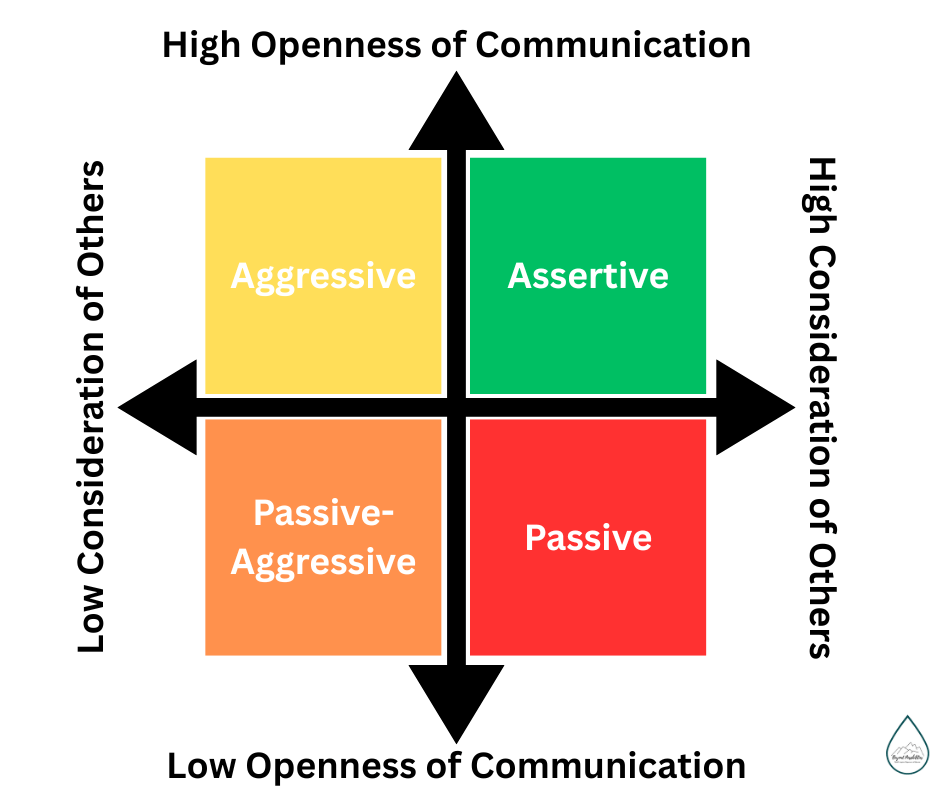
Communication can be mapped across two dimensions: openness of communication (how honestly we share) and consideration for others (how much we respect another’s needs). Together, these create four styles:

  • Aggressive – Open but lacking respect for others.
  • Passive – Respectful but withholding feelings or needs.
  • Passive-Aggressive – Indirect, masking frustration with sarcasm or avoidance.
  • Assertive – Honest and open while still considering others.

Most of us use a mix of these styles depending on stress, habits, or circumstances. But the healthiest families lean on assertive communication, because it balances honesty with respect.


Real-Life Examples

To bring these styles to life, here are a few parent–child situations across the tween-to-twenty spectrum:

  • Aggressive (Teen): Your 16-year-old comes home past curfew. You yell, “You’re completely irresponsible!”
  • Passive (Young Adult): Your 24-year-old borrows your car and returns it on empty. You say, “It’s fine, don’t worry about it,” while stewing inside.
  • Passive-Aggressive (Teen): Your 15-year-old forgets chores. You mutter, “Guess I’m the maid in this house,” while slamming the trash down.
  • Assertive (Tween): Your 12-year-old resists homework. You say, “I know you’re tired, but this needs to be finished. Let’s set a timer and take breaks.”

Can you see how each style affects the relationship differently?


Takeaway for Parents

There’s no such thing as perfect communication, but being aware of how you’re communicating is the first step. Ask yourself:

  • Am I being honest about my needs and feelings?
  • Am I showing respect for my child’s needs, even as they grow more independent?
  • Do I shift my approach when talking to my 11-year-old versus my 21-year-old?

The goal isn’t to avoid conflict—it’s to handle it in ways that build trust and connection.


Try This at Home

This week, pay attention to one interaction with your child. Notice your communication style in the moment. If it’s not assertive, pause and reframe your words. For example:

  • Instead of: “You never listen to me!”
  • Try: “I feel frustrated when I have to repeat myself. Can we figure out a better way to handle reminders?”

Small shifts like this can change the whole tone of family life.


Final Thoughts

Parenting tweens through twenties is a balancing act of guidance, boundaries, and letting go. Communication is the bridge that carries us through these stages. By becoming aware of your style—and choosing assertiveness more often—you’ll nurture respect, trust, and connection with your children at every age.

Whether you attended our recent family communication class or are simply exploring on your own, this resource is here to remind you: the way you speak shapes the way your family thrives.

Energy Healing, Healing Journey, Making a Difference, Self-Discovery

Free to Feel, Ready to Heal: Releasing Trapped Emotions, Realigning the Body, and Renewing Belief

Have you ever felt like something deep within is holding you back—an invisible weight you can’t quite name?

You’re not alone. So many of us carry emotional baggage, imbalances, and outdated beliefs that quietly shape our thoughts, relationships, health, and confidence. The good news? You can release it. You can reset. And you can rise.

Here at Beyond Possibilities, we believe healing isn’t about pushing harder—it’s about gently peeling back the layers and finding alignment with who you were always meant to be.


What Are Trapped Emotions?

Trapped emotions are unresolved emotional energies stored in the body from past experiences—grief, fear, anger, shame—that were never fully processed. Over time, these trapped energies can lead to physical discomfort, mental distress, or even blockages in personal growth.

Using the Emotion Code®, a powerful yet simple method created by Dr. Bradley Nelson, we identify and release these hidden emotional energies. Through muscle testing and intention, we allow the body’s subconscious mind to guide the way, promoting emotional balance and inner peace. Many clients report feeling lighter—like they’ve finally exhaled after holding their breath for years.


Beyond Symptoms: Addressing Misalignments and Imbalances in the Body

Trapped emotions are just one piece of the puzzle. The Body Code® dives deeper into six essential areas of imbalance—energies, circuits and systems, toxins, pathogens, structural misalignments, and nutrition/lifestyle. This holistic system allows us to work with the body’s natural ability to heal itself.

Have a persistent ache that seems to defy medical explanation? Chronic fatigue that no supplement has fixed? The Body Code might uncover underlying energetic misalignments or imbalances that conventional methods overlook. These aren’t just symptoms—they’re signals. And we’re here to listen.


Rewriting the Story: Clearing Faulty and Limiting Beliefs

Your beliefs shape your reality. And many of us are living inside beliefs that were never ours to begin with—beliefs inherited from family, society, or painful experiences. These beliefs whisper lies like: I’m not good enough. I’ll never succeed. I have to struggle to be loved.

The Belief Code® offers a breakthrough process to identify and release these subconscious programs and replace them with beliefs that are empowering and true. Using a mapped system of belief types and subconscious discovery tools, we pinpoint the exact beliefs holding you back and clear them energetically—so your internal programming finally aligns with your soul’s potential.

If you’re ready to shift the story you’re telling yourself—and step into one rooted in truth, trust, and possibility—this is your invitation. Schedule a session with me and experience what it feels like to release emotional burdens, reset your energy, and realign with who you truly are. Whether you’re curious or committed, I’ll meet you where you are and walk with you every step of the way. You don’t have to carry it all anymore.


The Discovery Healing Immersion Path: A Journey of Transformation

Whether you’re navigating burnout, recovering from trauma, or simply seeking a more aligned life, the Immersion Path offers a supported, step-by-step experience in deep energetic healing. At Beyond Possibilities, we walk this path with you—through Emotion Code, Body Code, and Belief Code sessions—to clear what no longer serves and create space for what does.

This isn’t just a one-time fix; it’s a transformational journey. The Immersion Path is ideal for anyone who’s ready to commit to meaningful, lasting change—physically, emotionally, mentally, and spiritually.


Ready to Go Beyond?

If your heart is whispering there must be more, we invite you to explore a session or package through our Mentoring and Classes page. Whether you’re brand new to energy work or deeply intuitive, our goal is to guide you gently but powerfully into alignment—body, mind, and spirit.

You are not broken. You are not too much. You are not behind.

You are becoming—and we’re here to support your journey Beyond Possibilities.


✨ Let’s release, realign, and rise—together.

Essential Oils, Healing Journey, Making a Difference, Self-Discovery

Transform Your Business and Career Through Energy Healing

I am so honored to be on the Rebranded Marketer podcast with Amber! I am humbled by the introduction she gave.

**TRIGGER WARNING: we discuss topics surrounding domestic violence, suicide, and weight management.

Episode 8 | Transform Your Business and Career Through Energy Healing with LeeAnn Mason

✨ Listen to the Rebranded Marketer podcast:

Apple Podcasts: https://lnkd.in/gASeZGHw

Spotify: https://lnkd.in/gFBrMBuG

Essential Oils, Making a Difference

Build A doTERRA Business

You may be wondering where to start. What should you do first? Don’t worry, I will be with you all along the way along with other AromaVibe Leaders.

Step 1: Order Your Starter Kit

There are many amazing kits to choose from, but you also have the freedom of customizing your kit. Scheduling a one to one wellness consultation can you determine what is best for you and your family.

Step 2: Prepare to Launch Your Business

You must properly plan and arrange if you want to succeed. You can use these videos to plan your time, identify people who need doTERRA products using the Success Tracker, and connect your goals and mindset with your new business opportunity.

Step 3: Launch Your doTERRA Business