Energy Healing, Healing Journey, Health

The Healing Power of Belief: How the Mind Fuels Recovery

Belief is more than just a hopeful thought—it can be a powerful therapeutic tool. Across cultures and medical paradigms, belief has played a central role in the healing process, influencing everything from patient outcomes to how societies understand illness. Drawing from scholarly insights and energy healing modalities, we explore how belief shapes healing in profound and measurable ways.


Belief as a Catalyst for Healing

According to Warner (2006), belief is not merely a psychological comfort but a functional component of the healing process. Warner points out that belief engages both the mind and body, triggering neurochemical responses that can reduce pain, enhance mood, and even strengthen the immune system. This is evident in the placebo effect, where patients improve after receiving treatments with no active medical ingredients—simply because they believe the treatment will work.​

What’s striking is that belief doesn’t need to be medically “rational” to be effective. Even rituals or treatments without scientific backing can promote recovery if the patient has strong faith in them. This doesn’t diminish the value of evidence-based medicine; rather, it shows how incorporating the patient’s mindset and cultural background can enhance clinical care.​


The Cultural Context of Belief and Healing

The influence of belief also has deep cultural roots. In traditional societies, belief systems are integral to healing rituals, carrying real therapeutic weight. When patients trust in the healer and the ritual, their bodies often respond positively.​

Belief can validate the treatment in the eyes of the patient and the community, reinforcing its efficacy through collective trust. In this way, folk healing isn’t just about herbs or chants—it’s about shared meaning, expectation, and psychological alignment.​


Mind Over Medicine: Insights from Behavioral Health

Research demonstrates how belief influences medical outcomes. Positive beliefs can lower stress, improve treatment adherence, and reduce the perception of symptoms. Belief becomes a mechanism through which patients reclaim agency over their health, particularly in chronic or uncertain medical conditions. Trust in the process—whether through conventional medicine, alternative therapies, or spiritual practices—can empower healing in ways that are both biological and emotional.​Discover Healing


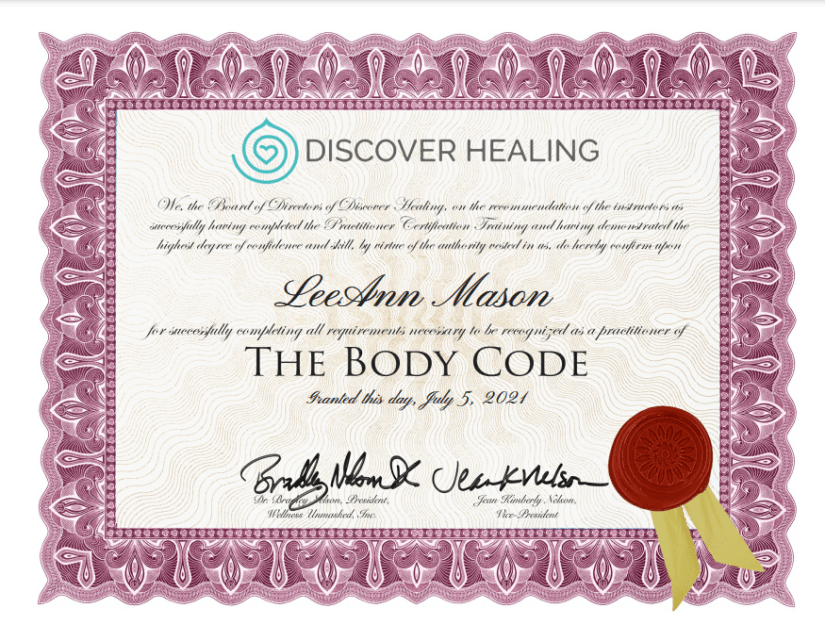
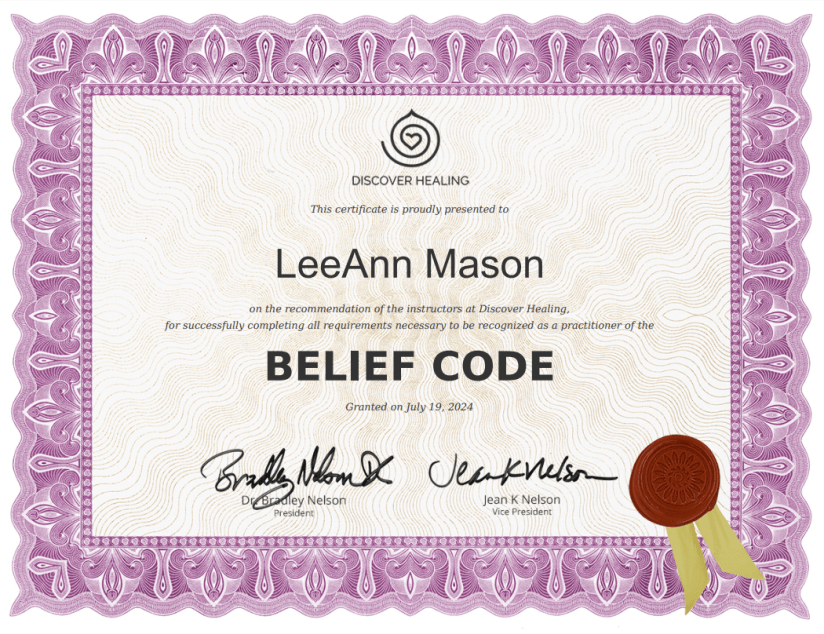
Energy Healing Modalities: Emotion Code, Body Code, and Belief Code

Dr. Bradley Nelson’s energy healing modalities—The Emotion Code, The Body Code, and The Belief Code—offer structured approaches to harnessing belief in the healing process.​Discover Healing

  • The Emotion Code: Focuses on identifying and releasing trapped emotions that may be causing physical or emotional distress. By addressing these emotional energies, individuals can restore balance and promote healing.​Discover Healing
  • The Body Code: Expands upon The Emotion Code by encompassing a broader range of imbalances, including structural, nutritional, and energetic issues. It aims to uncover and correct the root causes of discomfort and disease.​
  • The Belief Code: Targets limiting beliefs stored in the subconscious mind. By identifying and transforming these beliefs, individuals can remove mental barriers to healing and personal growth.​Discover Healing

These modalities utilize muscle testing to communicate with the subconscious mind, allowing practitioners to pinpoint and address specific issues. By aligning the conscious and subconscious beliefs, they facilitate a holistic healing process that integrates the power of belief.​Discover Healing


Conclusion

Belief is more than a placebo—it is a dynamic part of the healing equation. It bridges the mind-body divide, amplifies the effects of treatment, and connects patients to their cultural and spiritual roots. By recognizing and respecting the role of belief, practitioners can foster more holistic, empathetic, and effective care.​


References

Bascom, W. (1949). The bearing of folk belief on cure and healing. Journal of American Folklore, 62(243), 306–313. https://www.jstor.org/stable/3814395

Discover Healing. (n.d.). The Belief Code. https://discoverhealing.com/the-belief-code/Discover Healing+3Discover Healing+3Discover Healing+3

Discover Healing. (n.d.). The Emotion Code. https://discoverhealing.com/the-emotion-code/Discover Healing

Discover Healing. (n.d.). The Body Code. https://discoverhealing.com/the-body-code/

Warner, E. (2006). The role of belief in healing. Journal of the Royal Society of Medicine, 99(4), 199–201. https://doi.org/10.1258/jrsm.99.4.199


Healing Journey

Self-Love Declaration for Raising My Frequency

I am a radiant being of love and light. With every breath, I choose to honor myself, embrace my worth, and stand in my power.

I release all that dims my glow and welcome the energy of joy, peace, and abundance. My heart beats in harmony with the highest vibrations, aligning me with my true essence.

I speak to myself with kindness. I nourish my body, mind, and soul with love. I am worthy of all that is good, simply because I exist.

I trust in the divine timing of my journey. I let go of fear and doubt, knowing that I am always supported.

I vibrate at the frequency of gratitude, attracting miracles effortlessly. Love flows to me and through me, amplifying my light and lifting those around me.

I am love. I am light. I am limitless.

And so it is. 💜✨

Energy Healing, Essential Oils, Healing Journey, Health, Self-Discovery

Healing Beyond the Trigger: Working Through PTSD, Anxiety, and Emotional Responses

Life has a way of bringing up emotions when we least expect them. A scent, a phrase, a certain place—suddenly, you’re overwhelmed, heart racing, body tense, mind spiraling. Triggers are real, and for those navigating PTSD, anxiety, or emotional wounds, they can feel all-consuming. But healing is possible. Through research-backed techniques, meditation, essential oils, and energy healing modalities like Emotion Code, Body Code, and Belief Code, we can shift from reactive to resilient. Let’s explore the path to emotional freedom.

Quick Techniques for In-the-Moment Relief

When emotions rise suddenly, having a few quick techniques on hand can make all the difference. Here are five powerful strategies to help ground yourself in the moment:

  1. 5-4-3-2-1 Grounding Exercise: Identify five things you can see, four things you can touch, three things you can hear, two things you can smell, and one thing you can taste. This brings awareness back to the present.
  2. Box Breathing: Inhale for four counts, hold for four, exhale for four, hold for four. Repeat until your body relaxes.
  3. Butterfly Hug: Cross your arms over your chest and gently tap your shoulders in an alternating rhythm to activate the calming response.
  4. Progressive Muscle Relaxation: Tense and release muscle groups from head to toe to release built-up tension.
  5. Affirmation & Essential Oil Inhalation: Apply an essential oil like Adaptiv or Lavender to your palms, inhale deeply, and repeat a calming affirmation such as, “I am safe. I am grounded. I am in control.”

Research-Backed Strategies for Processing PTSD, Anxiety, and Triggers

  1. Cognitive Behavioral Therapy (CBT) Cognitive Behavioral Therapy (CBT) is one of the most effective treatments for PTSD and anxiety. Research shows that CBT helps reframe negative thought patterns, reducing fear responses to triggers (Watkins et al., 2018). By working through thoughts and emotions in a structured way, individuals gain control over their reactions and begin the healing process.
  2. Somatic Experiencing Trauma isn’t just in the mind—it lives in the body. Somatic Experiencing (SE), developed by Peter Levine, focuses on releasing stored trauma through body awareness and movement. Studies show that SE significantly reduces PTSD symptoms by completing the body’s natural fight-or-flight response (Payne et al., 2015).
  3. Eye Movement Desensitization and Reprocessing (EMDR) EMDR is a well-established therapy that helps individuals process trauma by engaging in bilateral stimulation while recalling distressing memories. Research confirms its effectiveness in reducing PTSD symptoms by changing how the brain stores traumatic experiences (Shapiro & Maxfield, 2019).
  4. Mindfulness-Based Stress Reduction (MBSR) Mindfulness isn’t just a buzzword—it’s a science-backed way to reduce emotional distress. MBSR, developed by Jon Kabat-Zinn, has been shown to decrease symptoms of PTSD and anxiety by helping individuals stay present rather than being pulled into past trauma or future worries (Khusid & Vythilingam, 2016).
  5. Journaling for Emotional Release Writing about trauma and emotions provides a safe outlet for expression. Studies reveal that expressive writing significantly reduces symptoms of PTSD and anxiety, aiding in emotional processing and cognitive restructuring (Pennebaker & Smyth, 2016).

Supporting Emotional Healing with Meditation

Meditation is a powerful tool for calming the nervous system and reducing emotional reactivity. Breath-focused meditation, body scans, and guided visualizations help retrain the brain to respond differently to stress. Studies indicate that regular meditation lowers cortisol levels, reducing overall stress and improving emotional regulation (Goyal et al., 2014). If you’re feeling overwhelmed, try a simple grounding practice: inhale for four counts, hold for four, exhale for four. Repeat until your body relaxes into the present moment.

Supporting Emotional Healing with doTERRA Essential Oils

Essential oils work on an emotional and physiological level, helping the body shift out of fight-or-flight mode. Some of the most supportive oils include:

  • Lavender: Known for its calming properties, lavender reduces anxiety and promotes relaxation (Koulivand et al., 2013).
  • Frankincense: Helps support deep emotional healing by grounding and stabilizing emotions.
  • Adaptiv Blend: Specifically designed to support mood and stress, Adaptiv aids in emotional resilience.
  • Shinrin Yoku Blend: Inspired by the Japanese practice of forest bathing, this oil creates a sense of peace and presence.

To use, apply diluted oils to pulse points, diffuse them in your space, or inhale deeply for immediate support.

Supporting Emotional Healing with Emotion Code, Body Code, and Belief Code

Sometimes, our emotional triggers stem from trapped emotions, energy imbalances, or limiting beliefs. The Emotion Code, Body Code, and Belief Code are energy healing techniques that help identify and release these underlying blocks.

  • Emotion Code: Releases trapped emotions stored in the body that contribute to triggers and anxiety.
  • Body Code: Balances the body’s energy systems, addressing physical, emotional, and energetic misalignments.
  • Belief Code: Rewires limiting beliefs that keep us stuck in fear, self-doubt, or emotional distress.

Through muscle testing and intention-based release, these methods help bring the body and mind back into alignment, allowing for deep emotional healing.

Final Thoughts

Healing isn’t about erasing the past—it’s about rewriting your response to it. Whether through scientifically backed therapies, meditation, essential oils, or energy healing techniques, you have the power to reclaim peace. If you’re ready to take the next step in emotional healing, let’s connect. Schedule a session and experience firsthand how deep transformation is possible.

References

Goyal, M., Singh, S., Sibinga, E. M., Gould, N. F., Rowland-Seymour, A., Sharma, R., … & Haythornthwaite, J. A. (2014). Meditation programs for psychological stress and well-being: A systematic review and meta-analysis. JAMA Internal Medicine, 174(3), 357-368.

Khusid, M. A., & Vythilingam, M. (2016). The emerging role of mindfulness meditation as effective self-management strategy, part 1: Clinical implications for depression, post-traumatic stress disorder, and anxiety. Military Medicine, 181(9), 961-968.

Koulivand, P. H., Ghadiri, M. K., & Gorji, A. (2013). Lavender and the nervous system. Evidence-Based Complementary and Alternative Medicine, 2013, 681304.

Payne, P., Levine, P. A., & Crane-Godreau, M. A. (2015). Somatic experiencing: Using interoception and proprioception as core elements of trauma therapy. Frontiers in Psychology, 6, 93.

Pennebaker, J. W., & Smyth, J. M. (2016). Opening up by writing it down: How expressive writing improves health and eases emotional pain. Guilford Publications.

Shapiro, F., & Maxfield, L. (2019). Eye movement desensitization and reprocessing (EMDR): Information processing in the treatment of trauma. Journal of Clinical Psychology, 75(11), 2078-2090.

Watkins, L. E., Sprang, K. R., & Rothbaum, B. O. (2018). Treating PTSD: A review of evidence-based psychotherapy interventions. Frontiers in Behavioral Neuroscience, 12, 258.

Essential Oils, Healing Journey, Health, Self-Discovery

Unlocking Our Emotions: A Path to Healing and Balance

Emotions are the language of our inner world, a bridge between our thoughts and physical experiences. They guide us, teach us, and—if we listen closely—can unlock a profound sense of healing and transformation. Yet, too often, we suppress, ignore, or misunderstand our emotions, leading to stress, disconnection, and even physical discomfort. What if we could change that narrative? What if unlocking our emotions meant unlocking our full potential?

Keep reading to receive support in expanding your emotional vocabulary and understanding your emotions on a deeper level. Plus, at the end of this blog, you’ll find a FREE Emotions Journal to help you track, process, and navigate your feelings with greater clarity and confidence.

The Science Behind Emotions

Research in psychology and neuroscience confirms that emotions are deeply connected to both our mental and physical well-being. Dr. Lisa Feldman Barrett, a leading researcher in affective science, explains that emotions are not hardwired reactions but rather constructed experiences influenced by past events, environment, and even physiological states (Barrett, 2017). This means we have more control over our emotional experiences than we might believe.

Chronic stress and unresolved emotional patterns have been linked to physiological ailments such as cardiovascular disease, weakened immune function, and digestive disorders (Sapolsky, 2004). Conversely, emotional awareness and regulation can improve overall well-being, fostering resilience and healthier relationships (Gross & John, 2003). By learning to recognize, process, and release our emotions, we allow ourselves to live in greater harmony with our bodies and minds.

Emotional Healing: Releasing What No Longer Serves You

The process of emotional healing is about acknowledging past experiences, understanding their impact, and allowing ourselves to move forward. According to Discover Healing, emotional imbalances often stem from trapped emotions—energetic imprints from past experiences that, if unaddressed, can contribute to emotional distress and physical discomfort. Techniques such as the Emotion Code, meditation, and mindfulness practices help release these stored emotions, allowing for renewed energy and clarity.

One key to emotional healing is self-awareness. By tuning in to how we feel and why, we begin to break free from automatic responses and unconscious emotional loops. Journaling, affirmations, and guided breathwork are simple yet powerful ways to cultivate emotional awareness and healing.

Supporting Emotions with Essential Oils

Essential oils can be profound allies in emotional wellness. Their aromatic compounds interact with the limbic system—the part of the brain that processes emotions—helping to shift emotional states and promote balance (doTERRA, 2016).

  • For Stress & Anxiety: Lavender and Bergamot help calm the nervous system and promote relaxation.
  • For Sadness & Grief: Citrus oils like Wild Orange and Lemon uplift and energize the spirit.
  • For Anger & Frustration: Frankincense and Roman Chamomile support grounding and emotional release.
  • For Confidence & Motivation: Peppermint and Rosemary invigorate the senses and promote clarity.
  • For Emotional Release & Healing: doTERRA’s Console Blend is formulated to soothe the heart and encourage peace.

By integrating essential oils into our daily rituals—through diffusion, topical application, or mindful inhalation—we create a supportive environment for emotional transformation.

Expand Your Emotional Vocabulary

Unique Emotions & Phrases

  1. Tickety-boo (British, possibly from Hindi ṭhīk hai, bābū) – Everything is going smoothly and well.
  2. Hiraeth (Welsh) – A deep longing for something, especially home or a place in time that can never be returned to.
  3. Saudade (Portuguese) – A melancholic longing for someone or something lost, mixed with fondness.
  4. Schadenfreude (German) – The pleasure derived from another’s misfortune.
  5. L’appel du vide (French) – “The call of the void,” the sudden urge to jump from high places or do something reckless.
  6. Dépaysement (French) – The feeling of being out of place, especially in a foreign country.
  7. Iktsuarpok (Inuit) – The anticipation of someone’s arrival, causing frequent checking outside.
  8. Torschlusspanik (German) – The fear of opportunities slipping away as one ages.
  9. Meraki (Greek) – Pouring your heart and soul into something you do.
  10. Litost (Czech) – A state of grief, regret, or torment, especially caused by self-awareness.

General Emotions & Expressions

  1. Ebullient – Overflowing with enthusiasm and energy.
  2. Serene – Calm, peaceful, and untroubled.
  3. Discombobulated – Confused or thrown off balance.
  4. Blissful – Extremely happy and content.
  5. Giddy – Lighthearted excitement or dizziness.
  6. Wistful – A mix of sadness and longing for something past.
  7. Jubilant – Overjoyed and triumphant.
  8. Lugubrious – Excessively mournful or gloomy.
  9. Exasperated – Intensely frustrated or annoyed.
  10. Nonplussed – Surprised and unsure how to react.

More Expressions for Emotions

  1. Gobsmacked – Astonished beyond words.
  2. Over the moon – Extremely happy.
  3. On cloud nine – Experiencing deep joy.
  4. A bundle of nerves – Very anxious or stressed.
  5. Miffed – Slightly annoyed or put off.
  6. Beside oneself – Overwhelmed with emotion.
  7. Gutted (British) – Deeply disappointed.
  8. Chuffed (British) – Pleased or proud.
  9. All at sea – Feeling lost or confused.
  10. Like a cat on a hot tin roof – Restless or anxious.

Complex or Subtle Emotions

  1. Forelsket (Norwegian) – The euphoria of first falling in love.
  2. Mono no aware (Japanese) – A sensitivity to the fleeting nature of life.
  3. Sisu (Finnish) – Extraordinary perseverance in adversity.
  4. Komorebi (Japanese) – The feeling of sunlight filtering through trees.
  5. Depaysement (French) – Feeling displaced in a foreign land.
  6. Resfeber (Swedish) – The restless anxiety and excitement before a journey.
  7. Kilig (Tagalog) – The butterflies-in-the-stomach feeling of romantic excitement.
  8. Mudita (Sanskrit) – Taking joy in the happiness of others.
  9. Fernweh (German) – A longing for distant places, the opposite of homesickness.
  10. Voorpret (Dutch) – The joy of anticipation before an event.

Expressions of Deep Emotion

  1. Sonder – The realization that everyone has a complex inner life like yours.
  2. Melancholy – A reflective sadness, often without an obvious cause.
  3. Cathartic – Feeling relieved after releasing emotions.
  4. Ethereal – Feeling light and otherworldly, often connected to beauty.
  5. Poignant – Deeply emotional, touching, and bittersweet.
  6. Stoic – Enduring hardship without showing emotion.
  7. Rapture – Intense pleasure or joy.
  8. Awe-struck – Filled with wonder and amazement.
  9. Nostalgic – A warm yet bittersweet longing for the past.
  10. Devastated – Completely shattered emotionally.

Final Thoughts: Embracing the Journey

Unlocking our emotions is not about controlling or suppressing them but about honoring them as part of our human experience. When we cultivate emotional intelligence, embrace healing, and utilize natural tools like essential oils, we empower ourselves to live with greater joy, resilience, and connection.

Are you ready to unlock your emotions and step into greater emotional freedom? It starts with a single moment of awareness—and a willingness to feel, release, and heal.

Essential Oils, Healing Journey, Health

✅Detoxify Your Body Naturally: 7 Science-Backed Methods and More

1. Hydrate and Support Kidney Function

Why It Works: Water is essential for flushing toxins from the body. Your kidneys filter waste from the blood and eliminate it through urine. Proper hydration helps maintain kidney function and prevent toxin buildup.

Scientific Backing:

  • Increased water intake improves kidney function and enhances the elimination of waste products such as urea and creatinine (Clark et al., 2019).

How to Apply It:

  • Aim to drink at least 8–10 glasses of water daily.
  • Add lemon or a pinch of sea salt for added electrolytes and improved cellular hydration.

2. Eat More Fiber for Gut Health

Why It Works: Fiber binds to toxins and waste products in the digestive tract and promotes their removal through regular bowel movements. A high-fiber diet also supports beneficial gut bacteria, which play a role in metabolizing and eliminating toxins.

Scientific Backing:

  • Dietary fiber improves gut health, enhances microbial diversity, and reduces toxin absorption (Anderson et al., 2009).

How to Apply It:

  • Eat 30–40 grams of fiber daily from sources like chia seeds, leafy greens, and whole grains.
  • Include prebiotic-rich foods like garlic, onions, and bananas to nourish beneficial gut bacteria.

The FDA recommends consuming 25–38 grams of dietary fiber every day, depending on age, sex, and weight.* That’s a lot of raw vegetables and bowls of oatmeal!

Just one serving of doTERRA Fiber provides six grams of soluble and insoluble fiber, CPTG Certified Pure Tested Grade® Lemon essential oil, natural vitamin C, and a unique prebiotic blend.


3. Sweating Through Exercise and Sauna Use

Why It Works: Sweating allows your body to expel toxins such as heavy metals, BPA, and phthalates through the skin. Exercise also stimulates the lymphatic system, which carries waste products away from tissues.

Scientific Backing:

  • Sweat contains heavy metals and other toxins, confirming that sweating aids detoxification (Genuis et al., 2011).

How to Apply It:

  • Engage in moderate-intensity workouts for 30–45 minutes 4–5 times per week.
  • Try a sauna session 1–2 times per week to promote deep sweating and relaxation.

4. Prioritize Sleep for Detoxification

Why It Works: During sleep, the brain’s glymphatic system becomes more active, clearing out waste products like beta-amyloid proteins that accumulate during waking hours.

Scientific Backing:

  • Sleep facilitates the clearance of metabolites from the brain, supporting neural health (Xie et al., 2013).

How to Apply It:

  • Aim for 7–9 hours of quality sleep each night.
  • Maintain a consistent sleep schedule and create a restful environment.

5. Incorporate Antioxidant-Rich Foods

Why It Works: Antioxidants neutralize free radicals, reducing oxidative stress and supporting the body’s detoxification processes.

Scientific Backing:

  • Antioxidant-rich diets can enhance detoxification enzymes and reduce oxidative damage (Halliwell, 2012).

How to Apply It:

  • Consume foods high in antioxidants, such as berries, nuts, and green leafy vegetables.
  • Consider supplements like vitamin C and E after consulting with a healthcare provider.

6. Practice Deep Breathing Exercises

Why It Works: Deep breathing increases oxygen intake and promotes the release of carbon dioxide, aiding in the removal of waste products from the body.

Scientific Backing:

  • Controlled breathing techniques can enhance respiratory function and support detoxification (Jerath et al., 2006).

How to Apply It:

  • Practice deep breathing exercises for 5–10 minutes daily.
  • Techniques like diaphragmatic breathing or pranayama can be beneficial.

7. Epsom Salt Baths

Why It Works: Epsom salt baths are believed to soothe sore muscles and promote relaxation. However, scientific evidence supporting detoxification claims is limited.

Scientific Backing:

  • While Epsom salt baths are popular for muscle relaxation, there is no substantial scientific evidence confirming their effectiveness in removing toxins (Cleveland Clinic, 2022).

How to Apply It:

  • Add 2 cups of Epsom salt to a warm bath and soak for 15–20 minutes.
  • Ensure the water temperature is comfortable and stay hydrated.

🌿 Top doTERRA Products to Support Detoxification

1. Zendocrine® Detoxification Blend

How It Works:
Zendocrine is a blend of essential oils (including tangerine, rosemary, geranium, and juniper berry) that supports the body’s natural detoxification pathways, especially the liver and kidneys.

Benefits:
✔️ Supports liver and kidney function
✔️ Helps eliminate unwanted substances from the body
✔️ Can be taken internally or applied topically

How to Use:

  • Add 1–2 drops to a glass of water daily.
  • Rub on the abdomen to support digestive and liver function.

2. VMG+ Whole Food Nutrient Complex

How It Works:
VMG+ is a whole food-based supplement providing essential vitamins, minerals, and nutrients that support cellular function and energy production — crucial for detoxification. Its bioavailable formula ensures better nutrient absorption, helping your body effectively eliminate toxins and maintain overall health.

Benefits:
✔️ Supports cellular detox and metabolic health
✔️ Enhances nutrient absorption and energy levels
✔️ Improves immune function

How to Use:

  • Take as directed with meals for optimal nutrient absorption.

3. Lemon Essential Oil

How It Works:
Lemon oil is known for its cleansing properties and ability to support digestion and lymphatic function. It contains limonene, which helps dissolve toxins and supports liver detoxification.

Benefits:
✔️ Natural diuretic effect, promoting kidney health
✔️ Enhances bile production for improved fat digestion and toxin elimination
✔️ Antioxidant properties support cellular health

How to Use:

Diffuse for an uplifting aroma and cleansing effect.

Add 1–2 drops to a glass of warm water in the morning.


Cleanse and Restore Kit (VMG+ and EO Mega+)Cleanse and Restore Kit (VMG+ and EO Mega+)

The doTERRA Cleanse & Restore Kit is designed to support the body’s natural detoxification processes and promote overall health. This comprehensive kit includes the following products:

  • VMG+: An advanced daily nutritional powdered drink featuring over 90 high-quality ingredients, including whole-food vitamins, minerals, fruits, vegetables, digestive enzymes, probiotics, and CPTG Certified Pure Tested Grade® essential oils. doterra.com
  • EO Mega+: A premium blend of omega fatty acids derived from wild-caught fish off the coast of Norway, combined with Wild Orange essential oil. Each serving provides 2,000 mg of fish oil, containing 900 mg of essential omega-3 fatty acids, including 800 mg of EPA and DHA, known for their exceptional health benefits. doterra.com
  • Zendocrine® Detoxification Complex: A proprietary blend of whole-food extracts traditionally used to support healthy cleansing and filtering functions in the liver, kidneys, colon, lungs, and skin. doterra.com
  • Zendocrine® Softgels: Contain a blend of essential oils—Tangerine, Rosemary, Geranium, Juniper Berry, and Cilantro—known to support the body’s detoxification system. doterra.com
  • doTERRA TerraZyme®: A proprietary blend of active whole-food enzymes that support healthy digestion and metabolism of enzyme-deficient, processed foods. doterra.com
  • GX Assist®: Combines essential oils and caprylic acid to create an unfriendly environment for potential digestive threats, supporting a healthy gut microbiome. doterra.com
  • doTERRA PB Restore: A prebiotic and probiotic supplement in a time-released capsule to support digestive health. doterra.com
  • DDR Prime® Softgels: A blend of essential oils combined to support cellular health, function, and renewal. doterra.com
  • Lemon Essential Oil (15 mL): Known for its cleansing and purifying properties, supporting the body inside and out. doterra.com

The doTERRA 30-Day Cleanse Tracker is a structured guide designed to assist individuals through a comprehensive 30-day internal cleanse, promoting optimal health and wellness. This program is divided into three distinct phases, each targeting specific aspects of the body’s natural detoxification processes:

1. Activate (Days 1–10): This initial phase focuses on preparing and supporting the body’s cleansing organs. The following products are recommended during this period:

  • Lemon Essential Oil: Add 2 drops to 8 ounces of water, five times daily, totaling 10 drops per day. Lemon oil is renowned for its cleansing and purifying properties.
  • Zendocrine® Detoxification Complex: Take 1 capsule two to three times daily to support the body’s filtering organs.
  • Zendocrine® Softgels: Consume 1 softgel two to three times daily to assist the body’s natural detoxification system.
  • DigestZen TerraZyme®: Take 1–3 capsules with meals daily to promote healthy digestion and metabolic processes.

2. Reset (Days 11–20): The second phase aims to cleanse the gastrointestinal tract to maintain a healthy digestive environment. During this phase, the following product is introduced:

  • GX Assist®: Take 1–3 softgels daily with meals. This blend combines essential oils and caprylic acid to support a healthy digestive tract by creating an unfriendly environment for potential threats.

3. Renew (Days 21–30): The final phase focuses on restoring and maintaining a healthy balance of beneficial microflora and supporting cellular health. The following products are recommended:

  • PB Assist®+: Take 1–3 capsules daily with meals to introduce beneficial probiotics to the digestive system, promoting a balanced microflora.
  • DDR Prime® Softgels: Consume 2 softgels daily to support cellular health, function, and renewal.

Throughout the entire 30-day period, it’s also recommended to take the following supplements to provide foundational nutritional support:

  • Microplex VMz®: Take 2 capsules daily. This formula includes a balanced blend of essential vitamins and minerals to support overall health.
  • xEO Mega®: Consume 2 capsules daily. This supplement blends CPTG® essential oils with marine omega fatty acids and carotenoids, contributing to the normal function of the heart.
  • Alpha CRS+®: Take 2 capsules daily. This proprietary blend includes powerful polyphenols and natural botanical extracts to support cellular health.

The tracker provides a daily checklist, allowing participants to monitor their supplement intake and ensure adherence to the program. By following this structured regimen, individuals can support their body’s natural detoxification processes, promote digestive health, and enhance overall well-being.


🌱 Final Thoughts

Detoxification is not about extreme diets or quick fixes — it’s about giving your body the right tools to perform its natural cleansing processes more efficiently. Staying hydrated, increasing your fiber intake, and incorporating exercise, sauna sessions, and relaxation techniques will help your body eliminate toxins more effectively.

Pair these lifestyle changes with doTERRA’s Zendocrine Detoxification Blend to support liver and kidney function, VMG+ to provide essential nutrients for cellular health and detoxification, and Lemon Essential Oil to enhance digestion and metabolic function. Together, these products and habits can help you feel more energized, balanced, and rejuvenated.

👉 Start small, listen to your body, and make detoxification a regular part of your wellness routine!


📝 References

Anderson, J. W., Baird, P., Davis Jr, R. H., Ferreri, S., Knudtson, M., Koraym, A., … & Williams, C. L. (2009). Health benefits of dietary fiber. Nutrition Reviews, 67(4), 188–205. https://doi.org/10.1111/j.1753-4887.2009.00189.x

Clark, W. F., Sontrop, J. M., Huang, S. H., & Moist, L. M. (2019). Hydration and Chronic Kidney Disease Progression: A Critical Review of the Evidence. American Journal of Nephrology, 49(5), 339–351. https://doi.org/10.1159/000500749

Genuis, S. J., Birkholz, D., Rodushkin, I., & Beesoon, S. (2011). Blood, urine, and sweat (BUS) study: monitoring and elimination of bioaccumulated toxic elements. Archives of Environmental Contamination and Toxicology, 61(2), 344–357. https://doi.org/10.1007/s00244-010-9632-0

Halliwell, B. (2012). Free radicals and antioxidants: updating a personal view. Nutrition Reviews, 70(5), 257–265. https://doi.org/10.1111/j.1753-4887.2012.00476.x

Jerath, R., Edry, J. W., Barnes, V. A., & Jerath, V. (2006). Physiology of long pranayamic breathing: neural respiratory elements may provide a mechanism that explains how slow deep breathing shifts the autonomic nervous system. Medical Hypotheses, 67(3), 566–571. https://doi.org/10.1016/j.mehy.2006.02.042

Xie, L., Kang, H., Xu, Q., Chen, M. J., Liao, Y., Thiyagarajan, M., … & Nedergaard, M. (2013). Sleep drives metabolite clearance from the adult brain. Science, 342(6156), 373–377. https://doi.org/10.1126/science.1241224

Cleveland Clinic. (2022). Should You Take an Epsom Salt Bath? Retrieved from https://health.clevelandclinic.org