We’re often told to “rest” when we’re overwhelmed. But rest is not one-size-fits-all—and it’s certainly not limited to a nap or a weekend off. True self-care begins when we learn how to listen: not just to the noise of the world around us, but to the whispers within.
There are many types of rest—seven, in fact. Each one speaks to a different dimension of our being: physical, emotional, mental, sensory, social, creative, and spiritual. Understanding which kind of rest you truly need is the beginning of deep self-care and regeneration.
If you’re feeling drained and unsure why—this post is for you.
Let’s explore how you can reconnect with your whole self and discover what you really need to feel nourished, restored, and alive.
7 Types of Rest: A Brief Reflection
Physical Rest – Your body asks for stillness. This might mean sleep, stretching, or a walk.
Emotional Rest – Your heart longs to release. Self-care, boundary-setting, and journaling help here.
Mental Rest – Your mind seeks space. Take a break, play with puzzles, practice mindfulness.
Sensory Rest – Your senses crave quiet. Step away from screens, be in nature, enjoy a book.
Social Rest – Your soul needs connection—or solitude. Spend time with loved ones or simply be alone.
Creative Rest – Your spirit yearns to express. Paint, write, explore something new.
Spiritual Rest – Your inner self calls for meaning. Meditate, reflect, and reconnect.
Guided Meditation: Tuning Into Your True Needs
Find a quiet space where you won’t be disturbed. Sit or lie down comfortably. Let this be a sacred moment for yourself.
After the Meditation: Journal for Inner Discovery
Take a few moments now to write freely. Download the workbook and let these prompts guide you into deeper self-awareness.
Rest is not a reward for burnout. It is your birthright.
When you rest with awareness—when you ask your inner self what you need and respond with love—you begin to regenerate. Not just physically, but energetically, emotionally, and spiritually.
This is the heart of self-care. Not a checklist, but a relationship—with yourself.
So today, give yourself permission to pause. Tune in. And respond.
There is wisdom within you. It’s been waiting patiently for your attention.
You don’t need to do more. You need to feel more. Be more. Trust more.
In a world that moves fast and demands more by the minute, it’s natural to feel off-center from time to time. The tightness in your chest, racing thoughts, or that lingering sense of unease—these are all signs that your nervous system is calling out for support. The good news? You don’t have to stay stuck in that place. There are simple, empowering ways to shift, center, and reconnect with your calm. At Beyond Possibilities, we believe in honoring the whole person—mind, body, and spirit—as we explore gentle, effective tools to support emotional wellness.
What is Anxiousness?
Anxiousness is the word we often use to describe feelings of nervousness, unease, or worry—especially about things that haven’t happened yet. It can show up in your body (like tension or restlessness), your thoughts (racing, looping, or worst-case scenarios), or even in your behavior (avoidance, irritability, or over-preparing). While it’s a normal response to stress, there are healthy ways to manage these emotions and ground yourself in the present.
The 5-4-3-2-1 Grounding Technique
One of the simplest and most effective tools for managing feelings of anxiousness is the 5-4-3-2-1 grounding technique. This sensory-based method brings you into the present moment using your five senses. It’s quick, easy, and can be used anywhere.
Here’s how it works:
See – Look around and name five things you can see. Maybe it’s the color of your socks, a picture on the wall, or sunlight through the window.
Touch – Identify four things you can physically feel. The texture of your jeans, the chair beneath you, your coffee mug, or a cozy blanket.
Hear – Tune in to three sounds. A ticking clock, birds outside, the gentle hum of your refrigerator.
Smell – Acknowledge two scents around you. It could be a candle burning, fresh air, or a favorite essential oil.
Taste – Focus on one thing you can taste. Take a sip of tea, a breath mint, or simply notice the aftertaste of your last meal.
This practice gently shifts your attention away from anxious thoughts and helps you settle into the now. It’s grounding, calming, and supportive of emotional regulation.
Supporting Emotions Naturally with doTERRA Essential Oils
Sometimes, all it takes is a single breath infused with a grounding aroma to remind you—you’re safe, supported, and capable of calm. Aromatic use of doTERRA essential oils can be a beautiful and natural complement to your emotional wellness routine.
While essential oils are not intended to treat or cure any condition, they can be used to create a calming atmosphere, promote relaxation, and support your sense of emotional balance.
✦ Aromatic Use for Calm and Clarity
Lavender – Known for its gentle, relaxing aroma. Diffuse during evening routines or when you need a moment of stillness.
doTERRA Balance® Grounding Blend – With its woodsy scent, this blend encourages a centered, grounded feeling—ideal for pairing with the 5-4-3-2-1 technique.
Adaptiv® Calming Blend – Designed to be used during stressful moments, Adaptiv’s bright yet soothing aroma is great for finding your footing again.
✦ Touch Support for Emotional Anchoring
Pre-diluted and ready to roll, doTERRA’s Emotional Aromatherapy Touch Kit is perfect for quick, on-the-go emotional support:
Peace® (Reassuring Blend) – Roll over your heart or wrists during moments of overwhelm.
Cheer® (Uplifting Blend) – A boost of sunshine in a bottle, perfect when you need a lift in spirits.
✦ Creating Rituals for Emotional Wellness
Incorporate oils into routines that promote intention and balance:
Morning intention setting with a drop of Motivate® for focus and drive.
Evening journaling with Frankincense for clarity and grounding.
Mindful breathing with Bergamot, placing a drop in your palms, inhaling deeply, and letting the calm settle in.
Self-love and body-positive programs like Love Your Body, Love Yourself to support deeper emotional confidence and self-acceptance.
These tools do not diagnose or treat any condition, but they offer gentle, supportive ways to help you feel more connected, aligned, and empowered in your everyday life.
A Spiritual Approach to Inner Calm
Sometimes, what we need most isn’t another strategy—but a reminder that we’re not in this alone. Tuning into spiritual support can offer deep peace and reassurance, especially when emotional overwhelm feels too heavy to carry on your own.
Whether it’s prayer, meditation, or simply pausing to breathe and invite in Divine presence, spirituality can be a powerful anchor during uncertain times.
And if you’re looking for daily spiritual encouragement, guided meditations, and intentional growth, I highly recommend exploring the Brilliant Plus App. It offers a blend of scripture, wisdom, and peace-filled prompts that can truly uplift your day.
It’s a gentle, soulful reminder to return to your breath, lean into trust, and allow yourself to rest in something greater than yourself.
Emotional wellness is a journey—and you don’t have to walk it alone. Whether you’re exploring essential oils for the first time, practicing grounding, or curious about energy work, we’re here to support you every step of the way.
If you’d like to dive deeper, schedule a session, or simply chat about what might support you best, we’d love to connect.
Belief is more than just a hopeful thought—it can be a powerful therapeutic tool. Across cultures and medical paradigms, belief has played a central role in the healing process, influencing everything from patient outcomes to how societies understand illness. Drawing from scholarly insights and energy healing modalities, we explore how belief shapes healing in profound and measurable ways.
Belief as a Catalyst for Healing
According to Warner (2006), belief is not merely a psychological comfort but a functional component of the healing process. Warner points out that belief engages both the mind and body, triggering neurochemical responses that can reduce pain, enhance mood, and even strengthen the immune system. This is evident in the placebo effect, where patients improve after receiving treatments with no active medical ingredients—simply because they believe the treatment will work.
What’s striking is that belief doesn’t need to be medically “rational” to be effective. Even rituals or treatments without scientific backing can promote recovery if the patient has strong faith in them. This doesn’t diminish the value of evidence-based medicine; rather, it shows how incorporating the patient’s mindset and cultural background can enhance clinical care.
The Cultural Context of Belief and Healing
The influence of belief also has deep cultural roots. In traditional societies, belief systems are integral to healing rituals, carrying real therapeutic weight. When patients trust in the healer and the ritual, their bodies often respond positively.
Belief can validate the treatment in the eyes of the patient and the community, reinforcing its efficacy through collective trust. In this way, folk healing isn’t just about herbs or chants—it’s about shared meaning, expectation, and psychological alignment.
Mind Over Medicine: Insights from Behavioral Health
Research demonstrates how belief influences medical outcomes. Positive beliefs can lower stress, improve treatment adherence, and reduce the perception of symptoms. Belief becomes a mechanism through which patients reclaim agency over their health, particularly in chronic or uncertain medical conditions. Trust in the process—whether through conventional medicine, alternative therapies, or spiritual practices—can empower healing in ways that are both biological and emotional.Discover Healing
Energy Healing Modalities: Emotion Code, Body Code, and Belief Code
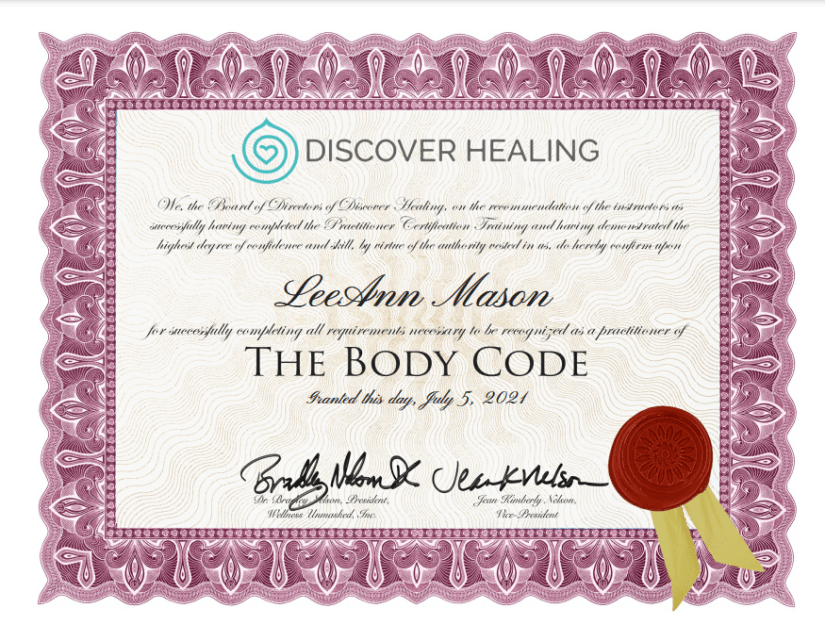
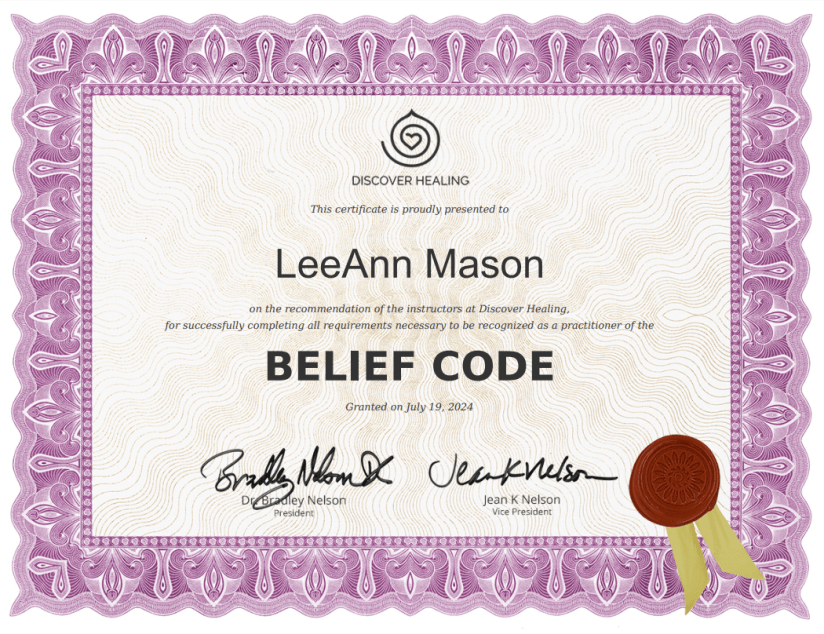
Dr. Bradley Nelson’s energy healing modalities—The Emotion Code, The Body Code, and The Belief Code—offer structured approaches to harnessing belief in the healing process.Discover Healing
The Emotion Code: Focuses on identifying and releasing trapped emotions that may be causing physical or emotional distress. By addressing these emotional energies, individuals can restore balance and promote healing.Discover Healing
The Body Code: Expands upon The Emotion Code by encompassing a broader range of imbalances, including structural, nutritional, and energetic issues. It aims to uncover and correct the root causes of discomfort and disease.
The Belief Code: Targets limiting beliefs stored in the subconscious mind. By identifying and transforming these beliefs, individuals can remove mental barriers to healing and personal growth.Discover Healing
These modalities utilize muscle testing to communicate with the subconscious mind, allowing practitioners to pinpoint and address specific issues. By aligning the conscious and subconscious beliefs, they facilitate a holistic healing process that integrates the power of belief.Discover Healing
Belief is more than a placebo—it is a dynamic part of the healing equation. It bridges the mind-body divide, amplifies the effects of treatment, and connects patients to their cultural and spiritual roots. By recognizing and respecting the role of belief, practitioners can foster more holistic, empathetic, and effective care.
References
Bascom, W. (1949). The bearing of folk belief on cure and healing. Journal of American Folklore, 62(243), 306–313. https://www.jstor.org/stable/3814395
Life has a way of bringing up emotions when we least expect them. A scent, a phrase, a certain place—suddenly, you’re overwhelmed, heart racing, body tense, mind spiraling. Triggers are real, and for those navigating PTSD, anxiety, or emotional wounds, they can feel all-consuming. But healing is possible. Through research-backed techniques, meditation, essential oils, and energy healing modalities like Emotion Code, Body Code, and Belief Code, we can shift from reactive to resilient. Let’s explore the path to emotional freedom.
Quick Techniques for In-the-Moment Relief
When emotions rise suddenly, having a few quick techniques on hand can make all the difference. Here are five powerful strategies to help ground yourself in the moment:
5-4-3-2-1 Grounding Exercise: Identify five things you can see, four things you can touch, three things you can hear, two things you can smell, and one thing you can taste. This brings awareness back to the present.
Box Breathing: Inhale for four counts, hold for four, exhale for four, hold for four. Repeat until your body relaxes.
Butterfly Hug: Cross your arms over your chest and gently tap your shoulders in an alternating rhythm to activate the calming response.
Progressive Muscle Relaxation: Tense and release muscle groups from head to toe to release built-up tension.
Affirmation & Essential Oil Inhalation: Apply an essential oil like Adaptiv or Lavender to your palms, inhale deeply, and repeat a calming affirmation such as, “I am safe. I am grounded. I am in control.”
Research-Backed Strategies for Processing PTSD, Anxiety, and Triggers
Cognitive Behavioral Therapy (CBT) Cognitive Behavioral Therapy (CBT) is one of the most effective treatments for PTSD and anxiety. Research shows that CBT helps reframe negative thought patterns, reducing fear responses to triggers (Watkins et al., 2018). By working through thoughts and emotions in a structured way, individuals gain control over their reactions and begin the healing process.
Somatic Experiencing Trauma isn’t just in the mind—it lives in the body. Somatic Experiencing (SE), developed by Peter Levine, focuses on releasing stored trauma through body awareness and movement. Studies show that SE significantly reduces PTSD symptoms by completing the body’s natural fight-or-flight response (Payne et al., 2015).
Eye Movement Desensitization and Reprocessing (EMDR) EMDR is a well-established therapy that helps individuals process trauma by engaging in bilateral stimulation while recalling distressing memories. Research confirms its effectiveness in reducing PTSD symptoms by changing how the brain stores traumatic experiences (Shapiro & Maxfield, 2019).
Mindfulness-Based Stress Reduction (MBSR) Mindfulness isn’t just a buzzword—it’s a science-backed way to reduce emotional distress. MBSR, developed by Jon Kabat-Zinn, has been shown to decrease symptoms of PTSD and anxiety by helping individuals stay present rather than being pulled into past trauma or future worries (Khusid & Vythilingam, 2016).
Journaling for Emotional Release Writing about trauma and emotions provides a safe outlet for expression. Studies reveal that expressive writing significantly reduces symptoms of PTSD and anxiety, aiding in emotional processing and cognitive restructuring (Pennebaker & Smyth, 2016).
Meditation is a powerful tool for calming the nervous system and reducing emotional reactivity. Breath-focused meditation, body scans, and guided visualizations help retrain the brain to respond differently to stress. Studies indicate that regular meditation lowers cortisol levels, reducing overall stress and improving emotional regulation (Goyal et al., 2014). If you’re feeling overwhelmed, try a simple grounding practice: inhale for four counts, hold for four, exhale for four. Repeat until your body relaxes into the present moment.
Supporting Emotional Healing with doTERRA Essential Oils
Essential oils work on an emotional and physiological level, helping the body shift out of fight-or-flight mode. Some of the most supportive oils include:
Lavender: Known for its calming properties, lavender reduces anxiety and promotes relaxation (Koulivand et al., 2013).
Frankincense: Helps support deep emotional healing by grounding and stabilizing emotions.
Adaptiv Blend: Specifically designed to support mood and stress, Adaptiv aids in emotional resilience.
Shinrin Yoku Blend: Inspired by the Japanese practice of forest bathing, this oil creates a sense of peace and presence.
To use, apply diluted oils to pulse points, diffuse them in your space, or inhale deeply for immediate support.
Supporting Emotional Healing with Emotion Code, Body Code, and Belief Code
Sometimes, our emotional triggers stem from trapped emotions, energy imbalances, or limiting beliefs. The Emotion Code, Body Code, and Belief Code are energy healing techniques that help identify and release these underlying blocks.
Emotion Code: Releases trapped emotions stored in the body that contribute to triggers and anxiety.
Body Code: Balances the body’s energy systems, addressing physical, emotional, and energetic misalignments.
Belief Code: Rewires limiting beliefs that keep us stuck in fear, self-doubt, or emotional distress.
Through muscle testing and intention-based release, these methods help bring the body and mind back into alignment, allowing for deep emotional healing.
Final Thoughts
Healing isn’t about erasing the past—it’s about rewriting your response to it. Whether through scientifically backed therapies, meditation, essential oils, or energy healing techniques, you have the power to reclaim peace. If you’re ready to take the next step in emotional healing, let’s connect. Schedule a session and experience firsthand how deep transformation is possible.
Goyal, M., Singh, S., Sibinga, E. M., Gould, N. F., Rowland-Seymour, A., Sharma, R., … & Haythornthwaite, J. A. (2014). Meditation programs for psychological stress and well-being: A systematic review and meta-analysis. JAMA Internal Medicine, 174(3), 357-368.
Khusid, M. A., & Vythilingam, M. (2016). The emerging role of mindfulness meditation as effective self-management strategy, part 1: Clinical implications for depression, post-traumatic stress disorder, and anxiety. Military Medicine, 181(9), 961-968.
Koulivand, P. H., Ghadiri, M. K., & Gorji, A. (2013). Lavender and the nervous system. Evidence-Based Complementary and Alternative Medicine, 2013, 681304.
Payne, P., Levine, P. A., & Crane-Godreau, M. A. (2015). Somatic experiencing: Using interoception and proprioception as core elements of trauma therapy. Frontiers in Psychology, 6, 93.
Pennebaker, J. W., & Smyth, J. M. (2016). Opening up by writing it down: How expressive writing improves health and eases emotional pain. Guilford Publications.
Shapiro, F., & Maxfield, L. (2019). Eye movement desensitization and reprocessing (EMDR): Information processing in the treatment of trauma. Journal of Clinical Psychology, 75(11), 2078-2090.
Watkins, L. E., Sprang, K. R., & Rothbaum, B. O. (2018). Treating PTSD: A review of evidence-based psychotherapy interventions. Frontiers in Behavioral Neuroscience, 12, 258.





 Beyond Possibilities