Energy Healing, Healing Journey, Health

The Healing Power of Belief: How the Mind Fuels Recovery

Belief is more than just a hopeful thought—it can be a powerful therapeutic tool. Across cultures and medical paradigms, belief has played a central role in the healing process, influencing everything from patient outcomes to how societies understand illness. Drawing from scholarly insights and energy healing modalities, we explore how belief shapes healing in profound and measurable ways.


Belief as a Catalyst for Healing

According to Warner (2006), belief is not merely a psychological comfort but a functional component of the healing process. Warner points out that belief engages both the mind and body, triggering neurochemical responses that can reduce pain, enhance mood, and even strengthen the immune system. This is evident in the placebo effect, where patients improve after receiving treatments with no active medical ingredients—simply because they believe the treatment will work.​

What’s striking is that belief doesn’t need to be medically “rational” to be effective. Even rituals or treatments without scientific backing can promote recovery if the patient has strong faith in them. This doesn’t diminish the value of evidence-based medicine; rather, it shows how incorporating the patient’s mindset and cultural background can enhance clinical care.​


The Cultural Context of Belief and Healing

The influence of belief also has deep cultural roots. In traditional societies, belief systems are integral to healing rituals, carrying real therapeutic weight. When patients trust in the healer and the ritual, their bodies often respond positively.​

Belief can validate the treatment in the eyes of the patient and the community, reinforcing its efficacy through collective trust. In this way, folk healing isn’t just about herbs or chants—it’s about shared meaning, expectation, and psychological alignment.​


Mind Over Medicine: Insights from Behavioral Health

Research demonstrates how belief influences medical outcomes. Positive beliefs can lower stress, improve treatment adherence, and reduce the perception of symptoms. Belief becomes a mechanism through which patients reclaim agency over their health, particularly in chronic or uncertain medical conditions. Trust in the process—whether through conventional medicine, alternative therapies, or spiritual practices—can empower healing in ways that are both biological and emotional.​Discover Healing


Energy Healing Modalities: Emotion Code, Body Code, and Belief Code

Dr. Bradley Nelson’s energy healing modalities—The Emotion Code, The Body Code, and The Belief Code—offer structured approaches to harnessing belief in the healing process.​Discover Healing

  • The Emotion Code: Focuses on identifying and releasing trapped emotions that may be causing physical or emotional distress. By addressing these emotional energies, individuals can restore balance and promote healing.​Discover Healing
  • The Body Code: Expands upon The Emotion Code by encompassing a broader range of imbalances, including structural, nutritional, and energetic issues. It aims to uncover and correct the root causes of discomfort and disease.​
  • The Belief Code: Targets limiting beliefs stored in the subconscious mind. By identifying and transforming these beliefs, individuals can remove mental barriers to healing and personal growth.​Discover Healing

These modalities utilize muscle testing to communicate with the subconscious mind, allowing practitioners to pinpoint and address specific issues. By aligning the conscious and subconscious beliefs, they facilitate a holistic healing process that integrates the power of belief.​Discover Healing


Conclusion

Belief is more than a placebo—it is a dynamic part of the healing equation. It bridges the mind-body divide, amplifies the effects of treatment, and connects patients to their cultural and spiritual roots. By recognizing and respecting the role of belief, practitioners can foster more holistic, empathetic, and effective care.​


References

Bascom, W. (1949). The bearing of folk belief on cure and healing. Journal of American Folklore, 62(243), 306–313. https://www.jstor.org/stable/3814395

Discover Healing. (n.d.). The Belief Code. https://discoverhealing.com/the-belief-code/Discover Healing+3Discover Healing+3Discover Healing+3

Discover Healing. (n.d.). The Emotion Code. https://discoverhealing.com/the-emotion-code/Discover Healing

Discover Healing. (n.d.). The Body Code. https://discoverhealing.com/the-body-code/

Warner, E. (2006). The role of belief in healing. Journal of the Royal Society of Medicine, 99(4), 199–201. https://doi.org/10.1258/jrsm.99.4.199


Healing Journey

Self-Love Declaration for Raising My Frequency

I am a radiant being of love and light. With every breath, I choose to honor myself, embrace my worth, and stand in my power.

I release all that dims my glow and welcome the energy of joy, peace, and abundance. My heart beats in harmony with the highest vibrations, aligning me with my true essence.

I speak to myself with kindness. I nourish my body, mind, and soul with love. I am worthy of all that is good, simply because I exist.

I trust in the divine timing of my journey. I let go of fear and doubt, knowing that I am always supported.

I vibrate at the frequency of gratitude, attracting miracles effortlessly. Love flows to me and through me, amplifying my light and lifting those around me.

I am love. I am light. I am limitless.

And so it is. 💜✨

Energy Healing, Essential Oils, Healing Journey, Health, Self-Discovery

Healing Beyond the Trigger: Working Through PTSD, Anxiety, and Emotional Responses

Life has a way of bringing up emotions when we least expect them. A scent, a phrase, a certain place—suddenly, you’re overwhelmed, heart racing, body tense, mind spiraling. Triggers are real, and for those navigating PTSD, anxiety, or emotional wounds, they can feel all-consuming. But healing is possible. Through research-backed techniques, meditation, essential oils, and energy healing modalities like Emotion Code, Body Code, and Belief Code, we can shift from reactive to resilient. Let’s explore the path to emotional freedom.

Quick Techniques for In-the-Moment Relief

When emotions rise suddenly, having a few quick techniques on hand can make all the difference. Here are five powerful strategies to help ground yourself in the moment:

  1. 5-4-3-2-1 Grounding Exercise: Identify five things you can see, four things you can touch, three things you can hear, two things you can smell, and one thing you can taste. This brings awareness back to the present.
  2. Box Breathing: Inhale for four counts, hold for four, exhale for four, hold for four. Repeat until your body relaxes.
  3. Butterfly Hug: Cross your arms over your chest and gently tap your shoulders in an alternating rhythm to activate the calming response.
  4. Progressive Muscle Relaxation: Tense and release muscle groups from head to toe to release built-up tension.
  5. Affirmation & Essential Oil Inhalation: Apply an essential oil like Adaptiv or Lavender to your palms, inhale deeply, and repeat a calming affirmation such as, “I am safe. I am grounded. I am in control.”

Research-Backed Strategies for Processing PTSD, Anxiety, and Triggers

  1. Cognitive Behavioral Therapy (CBT) Cognitive Behavioral Therapy (CBT) is one of the most effective treatments for PTSD and anxiety. Research shows that CBT helps reframe negative thought patterns, reducing fear responses to triggers (Watkins et al., 2018). By working through thoughts and emotions in a structured way, individuals gain control over their reactions and begin the healing process.
  2. Somatic Experiencing Trauma isn’t just in the mind—it lives in the body. Somatic Experiencing (SE), developed by Peter Levine, focuses on releasing stored trauma through body awareness and movement. Studies show that SE significantly reduces PTSD symptoms by completing the body’s natural fight-or-flight response (Payne et al., 2015).
  3. Eye Movement Desensitization and Reprocessing (EMDR) EMDR is a well-established therapy that helps individuals process trauma by engaging in bilateral stimulation while recalling distressing memories. Research confirms its effectiveness in reducing PTSD symptoms by changing how the brain stores traumatic experiences (Shapiro & Maxfield, 2019).
  4. Mindfulness-Based Stress Reduction (MBSR) Mindfulness isn’t just a buzzword—it’s a science-backed way to reduce emotional distress. MBSR, developed by Jon Kabat-Zinn, has been shown to decrease symptoms of PTSD and anxiety by helping individuals stay present rather than being pulled into past trauma or future worries (Khusid & Vythilingam, 2016).
  5. Journaling for Emotional Release Writing about trauma and emotions provides a safe outlet for expression. Studies reveal that expressive writing significantly reduces symptoms of PTSD and anxiety, aiding in emotional processing and cognitive restructuring (Pennebaker & Smyth, 2016).

Supporting Emotional Healing with Meditation

Meditation is a powerful tool for calming the nervous system and reducing emotional reactivity. Breath-focused meditation, body scans, and guided visualizations help retrain the brain to respond differently to stress. Studies indicate that regular meditation lowers cortisol levels, reducing overall stress and improving emotional regulation (Goyal et al., 2014). If you’re feeling overwhelmed, try a simple grounding practice: inhale for four counts, hold for four, exhale for four. Repeat until your body relaxes into the present moment.

Supporting Emotional Healing with doTERRA Essential Oils

Essential oils work on an emotional and physiological level, helping the body shift out of fight-or-flight mode. Some of the most supportive oils include:

  • Lavender: Known for its calming properties, lavender reduces anxiety and promotes relaxation (Koulivand et al., 2013).
  • Frankincense: Helps support deep emotional healing by grounding and stabilizing emotions.
  • Adaptiv Blend: Specifically designed to support mood and stress, Adaptiv aids in emotional resilience.
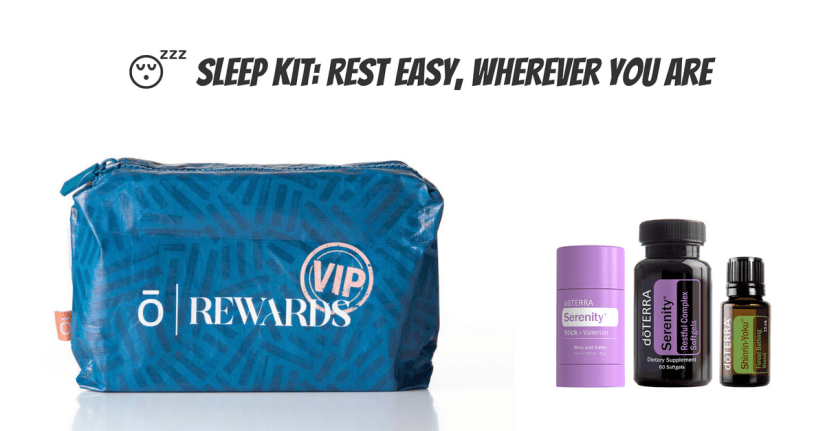
  • Shinrin Yoku Blend: Inspired by the Japanese practice of forest bathing, this oil creates a sense of peace and presence.

To use, apply diluted oils to pulse points, diffuse them in your space, or inhale deeply for immediate support.

Supporting Emotional Healing with Emotion Code, Body Code, and Belief Code

Sometimes, our emotional triggers stem from trapped emotions, energy imbalances, or limiting beliefs. The Emotion Code, Body Code, and Belief Code are energy healing techniques that help identify and release these underlying blocks.

  • Emotion Code: Releases trapped emotions stored in the body that contribute to triggers and anxiety.
  • Body Code: Balances the body’s energy systems, addressing physical, emotional, and energetic misalignments.
  • Belief Code: Rewires limiting beliefs that keep us stuck in fear, self-doubt, or emotional distress.

Through muscle testing and intention-based release, these methods help bring the body and mind back into alignment, allowing for deep emotional healing.

Final Thoughts

Healing isn’t about erasing the past—it’s about rewriting your response to it. Whether through scientifically backed therapies, meditation, essential oils, or energy healing techniques, you have the power to reclaim peace. If you’re ready to take the next step in emotional healing, let’s connect. Schedule a session and experience firsthand how deep transformation is possible.

References

Goyal, M., Singh, S., Sibinga, E. M., Gould, N. F., Rowland-Seymour, A., Sharma, R., … & Haythornthwaite, J. A. (2014). Meditation programs for psychological stress and well-being: A systematic review and meta-analysis. JAMA Internal Medicine, 174(3), 357-368.

Khusid, M. A., & Vythilingam, M. (2016). The emerging role of mindfulness meditation as effective self-management strategy, part 1: Clinical implications for depression, post-traumatic stress disorder, and anxiety. Military Medicine, 181(9), 961-968.

Koulivand, P. H., Ghadiri, M. K., & Gorji, A. (2013). Lavender and the nervous system. Evidence-Based Complementary and Alternative Medicine, 2013, 681304.

Payne, P., Levine, P. A., & Crane-Godreau, M. A. (2015). Somatic experiencing: Using interoception and proprioception as core elements of trauma therapy. Frontiers in Psychology, 6, 93.

Pennebaker, J. W., & Smyth, J. M. (2016). Opening up by writing it down: How expressive writing improves health and eases emotional pain. Guilford Publications.

Shapiro, F., & Maxfield, L. (2019). Eye movement desensitization and reprocessing (EMDR): Information processing in the treatment of trauma. Journal of Clinical Psychology, 75(11), 2078-2090.

Watkins, L. E., Sprang, K. R., & Rothbaum, B. O. (2018). Treating PTSD: A review of evidence-based psychotherapy interventions. Frontiers in Behavioral Neuroscience, 12, 258.

Essential Oils, Healing Journey, Health, Self-Discovery

Unlocking Our Emotions: A Path to Healing and Balance

Emotions are the language of our inner world, a bridge between our thoughts and physical experiences. They guide us, teach us, and—if we listen closely—can unlock a profound sense of healing and transformation. Yet, too often, we suppress, ignore, or misunderstand our emotions, leading to stress, disconnection, and even physical discomfort. What if we could change that narrative? What if unlocking our emotions meant unlocking our full potential?

Keep reading to receive support in expanding your emotional vocabulary and understanding your emotions on a deeper level. Plus, at the end of this blog, you’ll find a FREE Emotions Journal to help you track, process, and navigate your feelings with greater clarity and confidence.

The Science Behind Emotions

Research in psychology and neuroscience confirms that emotions are deeply connected to both our mental and physical well-being. Dr. Lisa Feldman Barrett, a leading researcher in affective science, explains that emotions are not hardwired reactions but rather constructed experiences influenced by past events, environment, and even physiological states (Barrett, 2017). This means we have more control over our emotional experiences than we might believe.

Chronic stress and unresolved emotional patterns have been linked to physiological ailments such as cardiovascular disease, weakened immune function, and digestive disorders (Sapolsky, 2004). Conversely, emotional awareness and regulation can improve overall well-being, fostering resilience and healthier relationships (Gross & John, 2003). By learning to recognize, process, and release our emotions, we allow ourselves to live in greater harmony with our bodies and minds.

Emotional Healing: Releasing What No Longer Serves You

The process of emotional healing is about acknowledging past experiences, understanding their impact, and allowing ourselves to move forward. According to Discover Healing, emotional imbalances often stem from trapped emotions—energetic imprints from past experiences that, if unaddressed, can contribute to emotional distress and physical discomfort. Techniques such as the Emotion Code, meditation, and mindfulness practices help release these stored emotions, allowing for renewed energy and clarity.

One key to emotional healing is self-awareness. By tuning in to how we feel and why, we begin to break free from automatic responses and unconscious emotional loops. Journaling, affirmations, and guided breathwork are simple yet powerful ways to cultivate emotional awareness and healing.

Supporting Emotions with Essential Oils

Essential oils can be profound allies in emotional wellness. Their aromatic compounds interact with the limbic system—the part of the brain that processes emotions—helping to shift emotional states and promote balance (doTERRA, 2016).

  • For Stress & Anxiety: Lavender and Bergamot help calm the nervous system and promote relaxation.
  • For Sadness & Grief: Citrus oils like Wild Orange and Lemon uplift and energize the spirit.
  • For Anger & Frustration: Frankincense and Roman Chamomile support grounding and emotional release.
  • For Confidence & Motivation: Peppermint and Rosemary invigorate the senses and promote clarity.
  • For Emotional Release & Healing: doTERRA’s Console Blend is formulated to soothe the heart and encourage peace.

By integrating essential oils into our daily rituals—through diffusion, topical application, or mindful inhalation—we create a supportive environment for emotional transformation.

Expand Your Emotional Vocabulary

Unique Emotions & Phrases

  1. Tickety-boo (British, possibly from Hindi ṭhīk hai, bābū) – Everything is going smoothly and well.
  2. Hiraeth (Welsh) – A deep longing for something, especially home or a place in time that can never be returned to.
  3. Saudade (Portuguese) – A melancholic longing for someone or something lost, mixed with fondness.
  4. Schadenfreude (German) – The pleasure derived from another’s misfortune.
  5. L’appel du vide (French) – “The call of the void,” the sudden urge to jump from high places or do something reckless.
  6. Dépaysement (French) – The feeling of being out of place, especially in a foreign country.
  7. Iktsuarpok (Inuit) – The anticipation of someone’s arrival, causing frequent checking outside.
  8. Torschlusspanik (German) – The fear of opportunities slipping away as one ages.
  9. Meraki (Greek) – Pouring your heart and soul into something you do.
  10. Litost (Czech) – A state of grief, regret, or torment, especially caused by self-awareness.

General Emotions & Expressions

  1. Ebullient – Overflowing with enthusiasm and energy.
  2. Serene – Calm, peaceful, and untroubled.
  3. Discombobulated – Confused or thrown off balance.
  4. Blissful – Extremely happy and content.
  5. Giddy – Lighthearted excitement or dizziness.
  6. Wistful – A mix of sadness and longing for something past.
  7. Jubilant – Overjoyed and triumphant.
  8. Lugubrious – Excessively mournful or gloomy.
  9. Exasperated – Intensely frustrated or annoyed.
  10. Nonplussed – Surprised and unsure how to react.

More Expressions for Emotions

  1. Gobsmacked – Astonished beyond words.
  2. Over the moon – Extremely happy.
  3. On cloud nine – Experiencing deep joy.
  4. A bundle of nerves – Very anxious or stressed.
  5. Miffed – Slightly annoyed or put off.
  6. Beside oneself – Overwhelmed with emotion.
  7. Gutted (British) – Deeply disappointed.
  8. Chuffed (British) – Pleased or proud.
  9. All at sea – Feeling lost or confused.
  10. Like a cat on a hot tin roof – Restless or anxious.

Complex or Subtle Emotions

  1. Forelsket (Norwegian) – The euphoria of first falling in love.
  2. Mono no aware (Japanese) – A sensitivity to the fleeting nature of life.
  3. Sisu (Finnish) – Extraordinary perseverance in adversity.
  4. Komorebi (Japanese) – The feeling of sunlight filtering through trees.
  5. Depaysement (French) – Feeling displaced in a foreign land.
  6. Resfeber (Swedish) – The restless anxiety and excitement before a journey.
  7. Kilig (Tagalog) – The butterflies-in-the-stomach feeling of romantic excitement.
  8. Mudita (Sanskrit) – Taking joy in the happiness of others.
  9. Fernweh (German) – A longing for distant places, the opposite of homesickness.
  10. Voorpret (Dutch) – The joy of anticipation before an event.

Expressions of Deep Emotion

  1. Sonder – The realization that everyone has a complex inner life like yours.
  2. Melancholy – A reflective sadness, often without an obvious cause.
  3. Cathartic – Feeling relieved after releasing emotions.
  4. Ethereal – Feeling light and otherworldly, often connected to beauty.
  5. Poignant – Deeply emotional, touching, and bittersweet.
  6. Stoic – Enduring hardship without showing emotion.
  7. Rapture – Intense pleasure or joy.
  8. Awe-struck – Filled with wonder and amazement.
  9. Nostalgic – A warm yet bittersweet longing for the past.
  10. Devastated – Completely shattered emotionally.

Final Thoughts: Embracing the Journey

Unlocking our emotions is not about controlling or suppressing them but about honoring them as part of our human experience. When we cultivate emotional intelligence, embrace healing, and utilize natural tools like essential oils, we empower ourselves to live with greater joy, resilience, and connection.

Are you ready to unlock your emotions and step into greater emotional freedom? It starts with a single moment of awareness—and a willingness to feel, release, and heal.

Essential Oils, Health

Reducing Your Toxic Load: Simple Swaps for a Healthier Home

Have you ever stopped to think about the hidden toxins in your home? They’re sneaky, lurking in places you wouldn’t expect—your cleaning products, personal care items, and even the air you breathe. We often associate toxins with industrial waste or pollution, but the truth is, many of the chemicals we interact with daily are found right inside our homes. The good news? You have the power to reduce your toxic load with simple, effective swaps that support long-term wellness.

What Is Toxic Load?

Toxic load refers to the accumulation of harmful substances in the body over time. These substances come from environmental exposures, including synthetic chemicals in household cleaners, artificial fragrances, plastics, and even personal care products. Research shows that prolonged exposure to these toxins may contribute to various health concerns, including endocrine disruption, respiratory issues, and immune system imbalances (Wang et al., 2021).

The Hidden Toxins in Your Home

You might be unknowingly inviting toxins into your home through everyday products. Here are four surprising sources of hidden toxins (doTERRA, 2024):

  1. Air Fresheners and Candles – Many conventional air fresheners contain volatile organic compounds (VOCs) that can contribute to indoor air pollution and respiratory irritation.
  2. Cleaning Products – Harsh chemical cleaners often contain ammonia, chlorine, and phthalates, which have been linked to skin irritation and hormone disruption.
  3. Personal Care Items – Synthetic fragrances and parabens in lotions, shampoos, and deodorants can interfere with your body’s natural processes.
  4. Plastics and Cookware – BPA and other endocrine-disrupting chemicals found in plastics can leach into food and water, affecting hormone balance.

Natural Solutions for a Cleaner, Healthier Home

Reducing toxic load doesn’t have to be overwhelming. A great place to start is by switching to natural alternatives that work just as effectively—without the harmful side effects.

1. Clean with Confidence: On Guard & abode

doTERRA’s On Guard and abode product lines offer powerful plant-based alternatives to conventional cleaning products. The On Guard Cleaner Concentrate harnesses the power of CPTG® essential oils to effectively clean surfaces without toxic residues. Complement this with the abode Surface Cleaner Concentrate, which uses biodegradable ingredients to break down grease and grime safely. For a complete home-cleaning solution, the abode Dish Soap, Laundry Detergent, and Hand Wash provide a non-toxic, effective way to maintain a clean home while reducing your exposure to harmful chemicals.

2. Revamp Your Personal Care Routine

Your skin is your body’s largest organ, and what you put on it matters. Swapping out conventional personal care products for doTERRA’s Personal Care line is a simple way to reduce exposure to synthetic chemicals. The doTERRA Shampoo and Conditioner are free from sulfates and parabens, while the doTERRA Natural Deodorant provides long-lasting freshness without aluminum or artificial fragrances.

3. Purify Your Air Naturally

Instead of synthetic air fresheners, diffuse pure essential oils like doTERRA Purify, On Guard, or the Aroma Essentials Collection. These essential oils not only provide a fresh, uplifting aroma but also help support a healthy environment.

The Aroma Essentials Collection includes doTERRA powerhouse products to help you freshen the air in your home, while also providing refreshing, invigorating, and lovely aromas. With this collection, you can create a fresh, clean environment that smells incredible—straight from nature.

4. Swap Plastic for Glass and Stainless Steel

Reduce your exposure to hormone-disrupting chemicals by using glass or stainless steel containers instead of plastic. Additionally, consider replacing non-stick cookware with ceramic or cast iron options.

The Science Behind Reducing Toxic Load

Studies show that reducing exposure to environmental toxins can have measurable health benefits. A study by Sathyanarayana et al. (2019) found that participants who switched to organic personal care products had significantly lower levels of phthalates and parabens in their system after just three days. Another study highlighted the benefits of plant-based cleaners, showing a reduction in respiratory symptoms and improved indoor air quality (Mendell et al., 2020).

Final Thoughts: Small Steps, Big Impact

You don’t have to overhaul your entire lifestyle overnight. Start small—swap out one toxic product for a natural alternative each week. By making intentional choices, you create a healthier space for yourself and your loved ones. Ready to take the next step? Explore doTERRA’s On Guard, abode, and Personal Care lines to start your journey toward a cleaner, toxin-free home.


Download FREE E-books


References

Mendell, M. J., Mirer, A. G., Cheung, K., Tong, M., & Douwes, J. (2020). Respiratory and allergic health effects of dampness, mold, and indoor microbial agents: A review of the epidemiologic evidence. Environmental Health Perspectives, 128(2), 026001. https://doi.org/10.1289/EHP7426

Sathyanarayana, S., Alcedo, G., Saelens, B. E., Zhou, C., Dills, R., Yu, J., & Lanphear, B. P. (2019). Unexpected results in a randomized dietary trial to reduce phthalate and bisphenol A exposures. Journal of Exposure Science & Environmental Epidemiology, 29(4), 541–547. https://doi.org/10.1038/s41370-019-0144-0

Wang, A., Padula, A. M., Sirota, M., & Woodruff, T. J. (2021). Environmental influences on reproductive health: The importance of chemical exposures. Current Opinion in Pediatrics, 33(2), 229–235.