Maintaining a strong immune system is crucial for overall health, and there are many ways to support it naturally. Simple habits like washing your hands before meals can significantly reduce your exposure to harmful germs. Additionally, incorporating essential oils into your routine is a powerful way to boost your immune system.
Research has shown that diffusing essential oils can purify and cleanse the air, providing an extra layer of protection. For instance, doTERRA On Guard and Lemon essential oils have potent cleansing properties that help purify the air we breathe, positively impacting our immune health.
Essential Oils for Immune Support
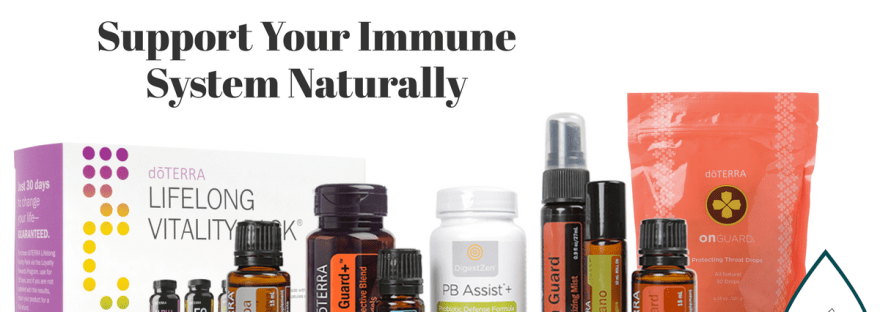
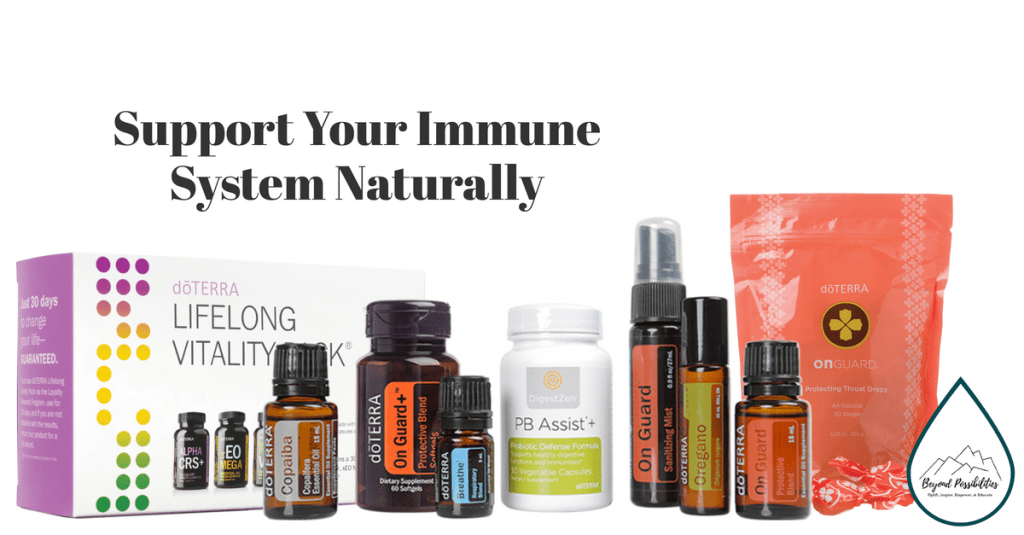
doTERRA On Guard, often referred to as the protective blend, combines the benefits of Wild Orange, Clove, Cinnamon, Eucalyptus, and Rosemary essential oils. This blend is designed to provide robust immune support, and the doTERRA On Guard product line makes it easy to incorporate this blend into your daily routine—from brushing your teeth to washing your hands, doTERRA On Guard offers convenient options to keep immune support within reach.
Another effective way to harness the immune-boosting properties of essential oils is through internal use.* Essential oils like Oregano, Frankincense, and Copaiba are particularly powerful. Consider taking a drop of each in a veggie capsule every morning to support your immune system.* You can also take one to two drops of Oregano internally as needed for an extra boost.*
Additional Ways to Support Immune Health
Beyond essential oils, regular exercise and a balanced diet are fundamental for maintaining a strong immune system. Ensuring your body gets the nutrients it needs can be further supported by incorporating the doTERRA Lifelong Vitality Pack into your daily regimen.* These supplements, when added to a healthy diet, have a profound and beneficial impact on your immune system.*
Finally, don’t underestimate the power of a good night’s sleep. Rest is vital for immune function, and diffusing essential oils like doTERRA Serenity®, Lavender, or Roman Chamomile at bedtime can help create a restful environment that supports quality sleep.
*These statements have not been evaluated by the Food and Drug Administration. This product is not intended to diagnose, treat, cure, or prevent any disease.
The doTERRA Kids Collection is the complete and ready-made “whole body” essential oil toolbox designed to empower caregivers to confidently care for your little ones. This collection includes Thinker®, Calmer®, Stronger®, Tamer®, Rescuer®, Steady®, and Brave® which are designed to support various aspects of your child’s well-being.
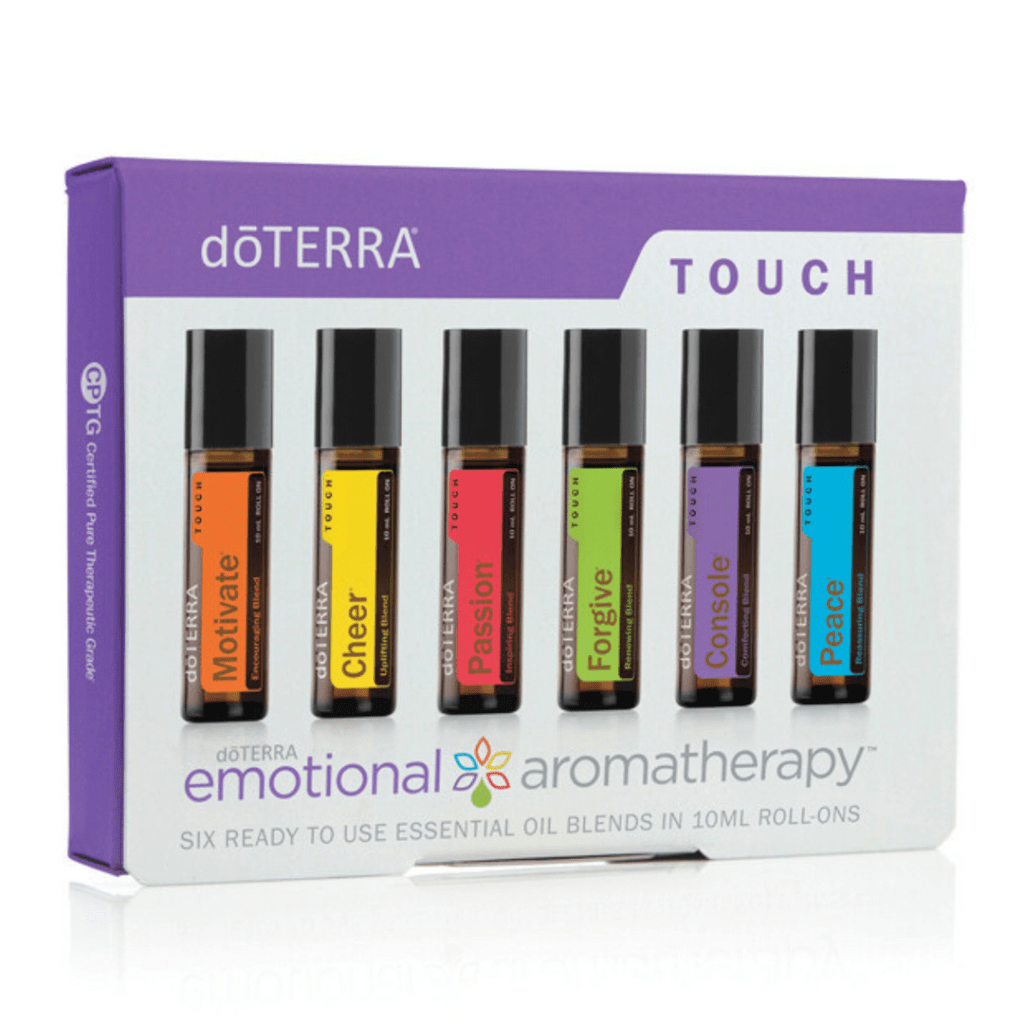
A set of six roll-ons, including Cheer® (uplifting), Console® (comforting), and Peace® (reassuring), to support emotional well-being on the go. Perfect for helping your child navigate the emotional ups and downs of the school year.
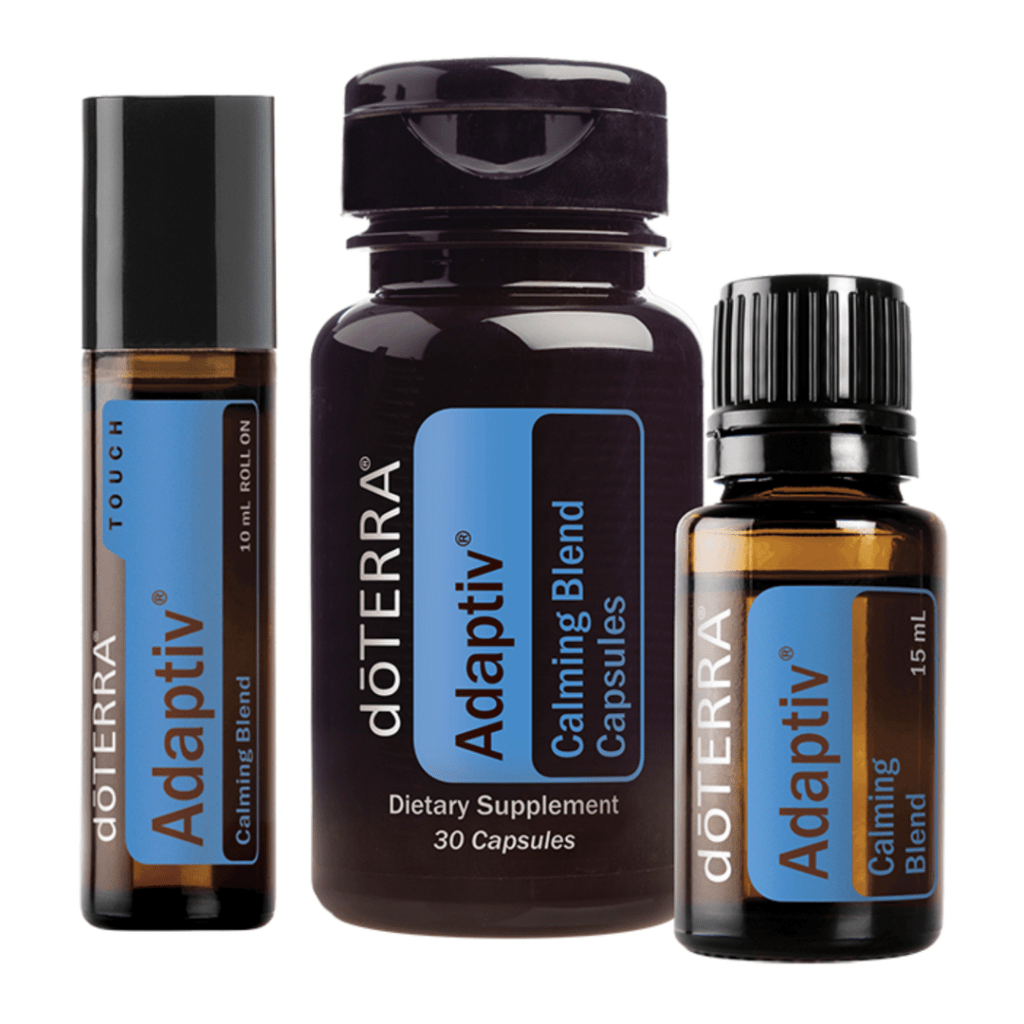
Navigate stressful moments with Adaptiv Calming Blend, Capsules, and Touch. This system helps manage stress, promotes balance, and aids in maintaining a sense of calm and focus.
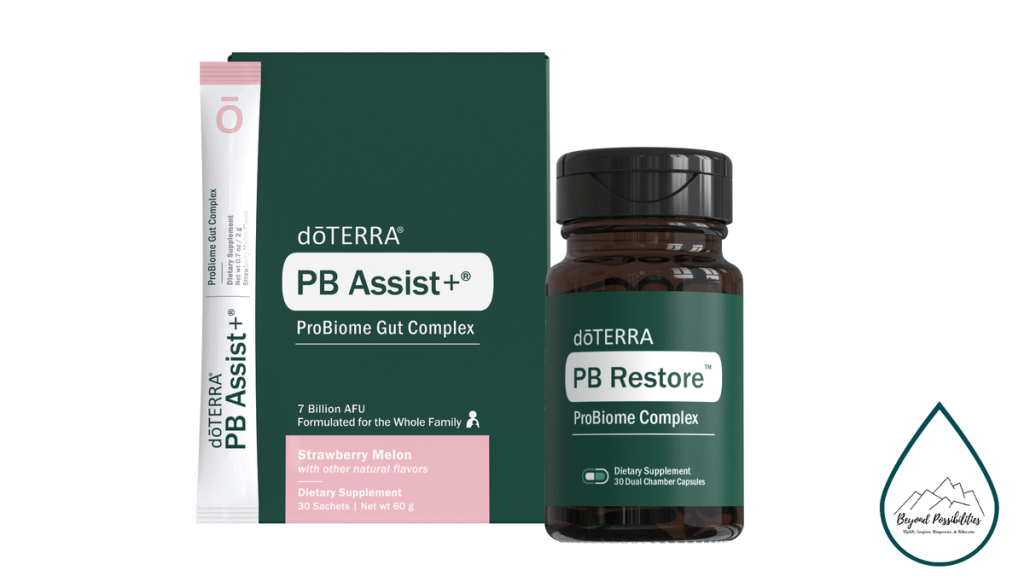
One crucial aspect of maintaining good health during the school year is a strong immune system and a balanced gut. That’s where doTERRA PB Assist+ comes into play.
“My daughter used to have frequent tummy aches, but since starting PB Assist+, she’s felt so much better and even seems more focused at school!” – Maria T.
Research has shown Essential Fatty Acids are nutrients required for many key functions in the human body, including cell growth, brain development, muscle activity, immune function, joint health, and many others.* Give your kid’s growing bodies support in these areas with doTERRA IQ Mega! IQ Mega contains the essential nutrients DHA and EPA. Plus, it takes the fishy taste out of fish oil with the fresh flavor of CPTG® Wild Orange essential oil.
In addition to Essential Fatty Acids, it’s also important to make sure your child is getting needed vitamins. And that’s where you can reach for doTERRA a2z Chewables. As a combination of botanical extracts and B, A, C, and E vitamins, a2z Chewables can support healthy cell development and longevity when taken daily.* And the sweet watermelon flavor makes it easy for these chewables to become a part of your kid’s daily routine.
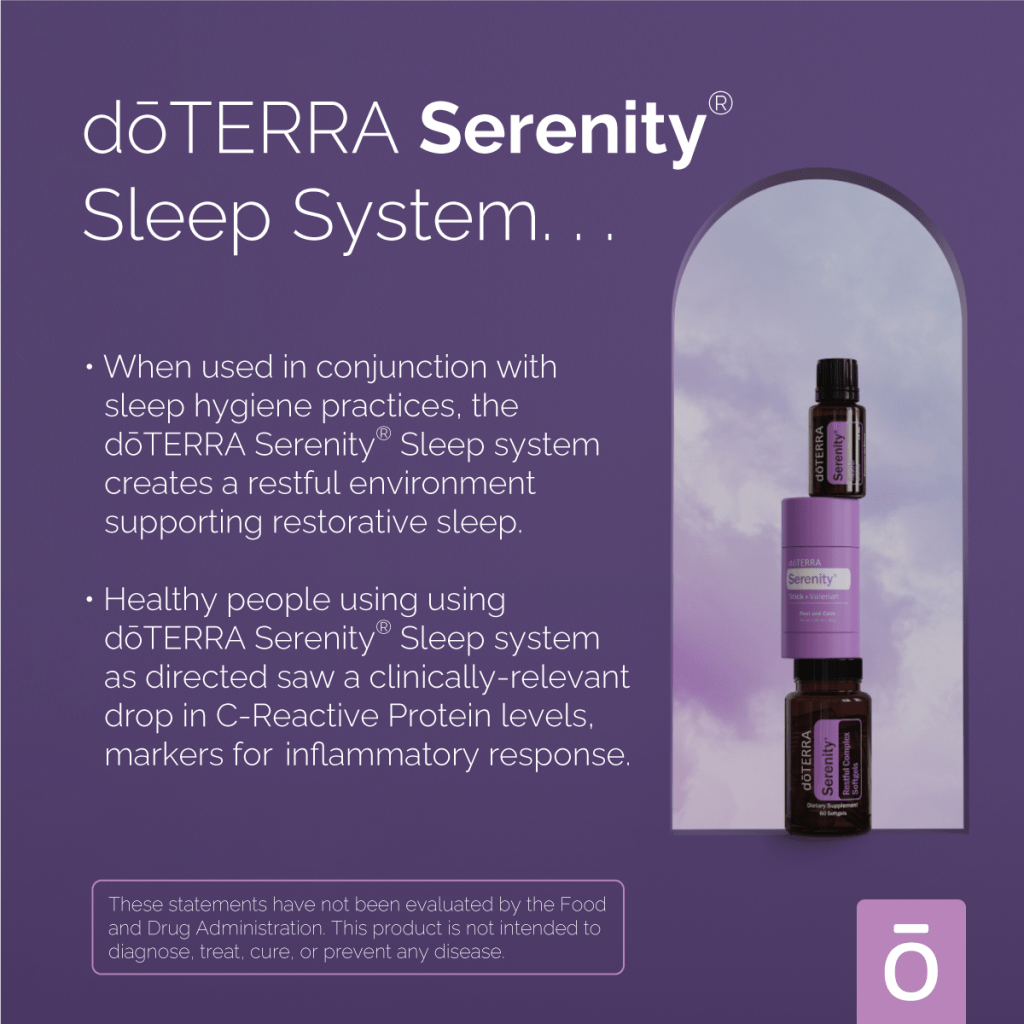
Improve your child’s bedtime routine with the doTERRA Serenity Sleep System. This three-step system includes the doTERRA Serenity Restful Blend, Serenity Restful Complex Softgels, and the Serenity Stick + Valerian. The Restful Blend’s soothing aroma promotes relaxation, while the Softgels support the body’s natural production of melatonin. The Stick + Valerian provides a calming effect when applied to feet and pulse points, helping your child drift into a peaceful sleep.
When it comes to kids and their health, parents know to never underestimate the power of sleep. Support your child’s bedtime routine and prepare them for a rest with the Volo Diffuser. The Volo Diffuser has various light, timer, and output settings so you can customize diffusion for your kid’s specific needs. A bedtime routine supported by calming diffusion can help your kid start the school year off right.
Equip your kids with these essentials for a healthy, successful school year. You can be confident that your child is ready to thrive. Don’t wait to snag these products today!
*These statements have not been evaluated by the Food and Drug Administration. This product is not intended to diagnose, treat, cure, or prevent any disease.
Welcome to the aromatic world of essential oils! If you’re new to essential oils, you might be wondering where to start, how to use them, and which oils to choose first. This guide will help you navigate the basics and introduce you to the wonderful benefits of essential oils, focusing on information from doTERRA, a leading brand in the industry.
What Are Essential Oils?
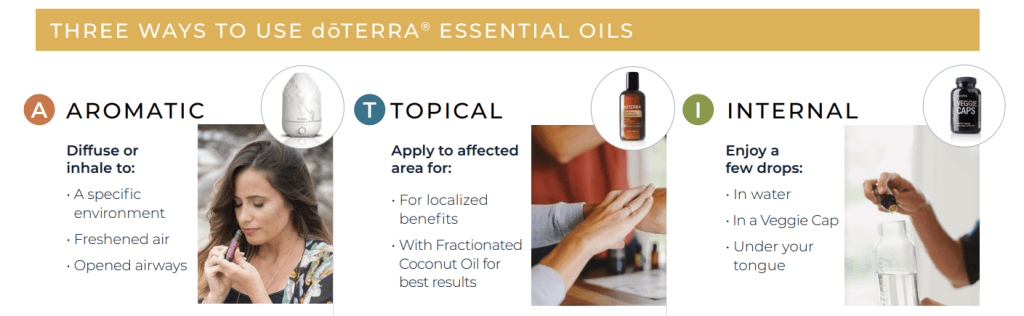
Essential oils are concentrated extracts from plants, capturing their natural aroma and beneficial properties. These oils can be used in various ways, including aromatically (through inhalation), topically (applied to the skin), and internally (ingested, though this method requires caution and guidance).
Why Choose doTERRA?
doTERRA stands out due to its commitment to purity and quality. Their essential oils are Certified Pure Tested Grade (CPTG), ensuring they are free from contaminants and synthetics. This makes doTERRA oils safe and effective for a wide range of uses.
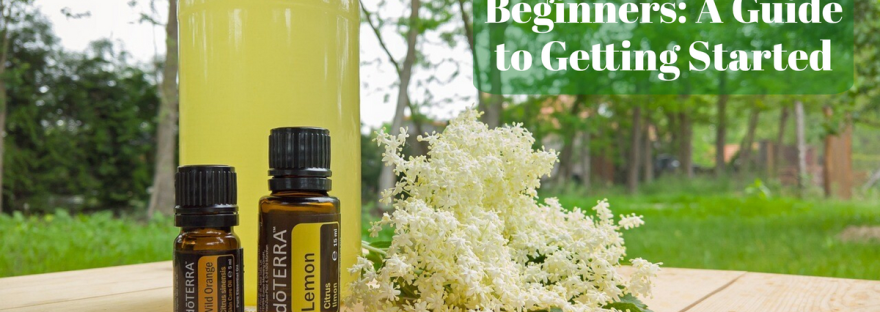
Uses: Uplifting and cleansing, lemon essential oil is excellent for detoxifying, cleaning, and improving mood.
How to Use: Diffuse to freshen the air, add to cleaning solutions for a natural disinfectant, or mix with water for a gentle detox drink.
Getting Started with Essential Oil Kits
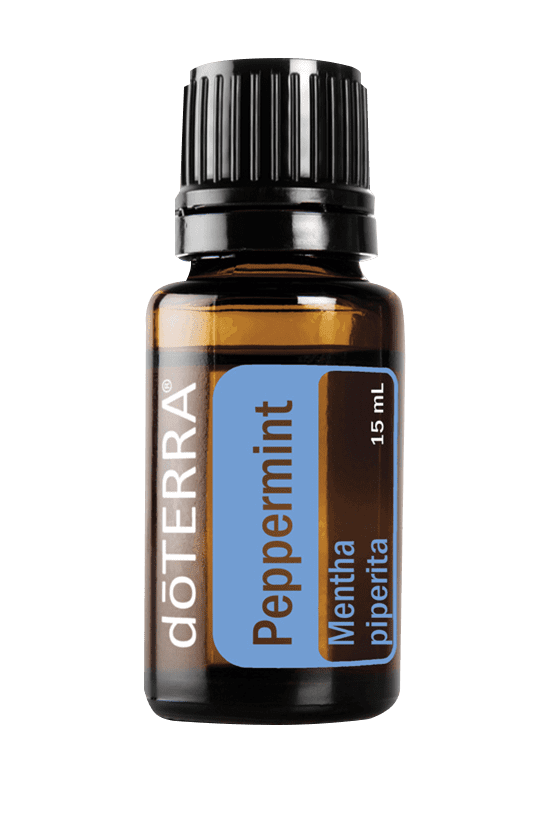
For beginners, doTERRA offers starter kits like the Beginner’s Trio, which includes lavender, peppermint, and lemon essential oils. These kits provide a cost-effective way to explore the benefits of essential oils and come with usage guides to help you get started. Checkout all of the starter kits now.
Tips for Using Essential Oils Safely
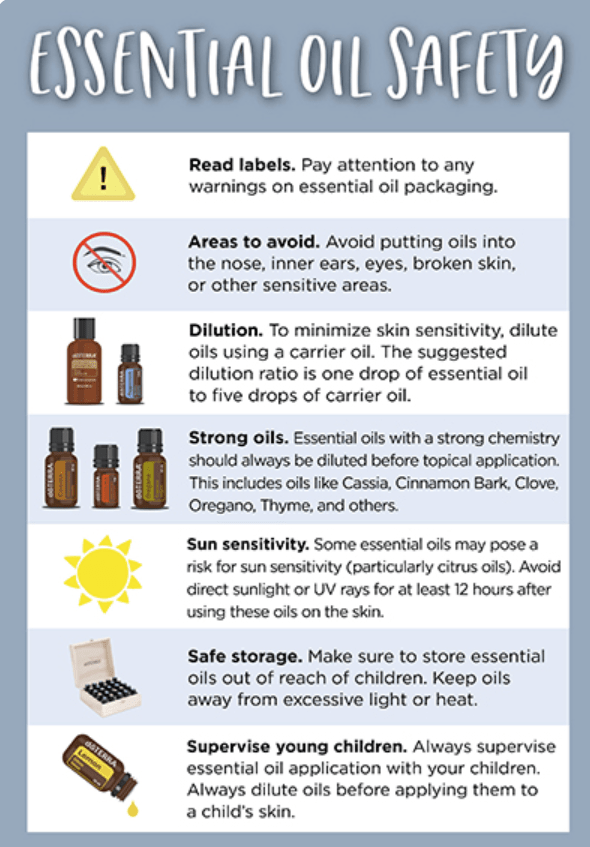
Dilution: Always dilute essential oils with a carrier oil, such as coconut or jojoba oil, especially when applying to the skin.
Patch Test: Perform a patch test on a small area of skin to check for any allergic reactions.
Consultation: If you plan to ingest essential oils, consult with a healthcare provider to ensure safety.
While there are many health benefits to using essential oils there are also potential risks. I was first introduced to essential oils after knee surgery. I did not like the side effects of the pain medication the doctor prescribed for me. As with most pain medication, the effectiveness would wear off long before I could safely take it again which often left me in pain for 2-3 hours. My sister introduced me to an essential oil blend that I could use topically that helped give me relief from my symptoms as they occurred. The blend contained wintergreen, camphor, peppermint, ylang-ylang, blue tansy, German chamomile, helichrysum, and osmanthus. This blend according to Modern Essentials (2021) is known for soothing inflammation and reducing soreness and more (pg. 170). This experience was just the beginning of my journey with using essential oils to support my overall health. I have continued to expand my knowledge by taking classes, researching, and becoming a Certified Essential Oil Coach through the American Association of Drugless Practitioners. I have used this knowledge to support myself, my family, and my clients’ use of essential oils as part of their journey toward health and wellness.
There is a wide range of confusion, mixed reviews, research, and opinions regarding the use of essential oils. Most of the confusion comes from a wide range of information and opinions on the internet as well as from medical professionals such as doctors, nurses, practitioners, medical technicians, and assistants. Some medical professionals use essential oils in their practices as well as in their homes. Other medical professionals use essential oils occasionally or only for specific reasons. In comparison, other medical professionals are completely against using essential oils. Why is there so much controversy around essential oils and their use? That is because not all essential oils are the same since there is a lack of manufacturing and quality standards for the industry. This is one of the risks of using essential oils. Although essential oils offer significant health benefits, their use is also surrounded by risks and controversies due to inconsistencies in sourcing and quality standards, varied medical opinions, and lack of extensive research. A balanced exploration of the benefits and risks of using essential oils supports informed decision-making regarding their use for your health and wellness.
First, you need to understand what an essential oil is and where it comes from. Essential oils are extracted from a specific plant’s roots, stem, leaves, flower, or fruit (Aromatherapy, n.d.). From a scientific perspective, each essential oil is made of hundreds of chemical constituents that provide distinct benefits from each one (The Essential Life 9th Edition, 2023). The plants themselves use naturally occurring essential oils to aid in healing wounds, manage infection, regulate their humidity, repel or attract insects, animals, and birds as well as have a hormonal impact on the plant (Aromatherapy, n.d.). Essential oils are extracted through various methods. These methods include steam distillation, cold pressing also referred to as expressing, CO2 extraction, or even solvents. Higher quality or therapeutic-grade essential oils are skillfully extracted primarily through steam distillation or cold pressing in contrast to low-grade essential oils which are more likely to be chemically processed. Chemical processing increases yield and profit while decreasing the potency and purity of the essential oils (Aromatherapy, n.d.). The National Institute of Environmental Health Sciences (2022) analysis of the 93 essential oils found eight chemical components that showed up in the majority of the essential oils, dipentene/limonene, alpha-terpineol, linalool, 4-terpinenol,– eucalyptol, gamma-terpinene, alpha-terpinene, and linalyl acetate.
Second, it is beneficial to have a basic knowledge of the history behind the use of essential oils. The National Geographic article Frankincense Trees—of Biblical Lore—Are Being Tapped out for Essential Oils shares that there are about five species of Boswellia tree that most frankincense comes from and that it is “one of the oldest commercial commodities, spanning more than 5,000 years” (2019). In the book, The Gifts of the Essential Oils, it states, “The earliest records of using plants are found from the Sumerian civilization, where hundreds of medicinal plants are listed on clay tablets.” It also shared that Myrrh was used as a salve by Ancient Egyptians as far back as 1500 BC (Barralet & Ovens, 2019). On pages 12-13 of Modern Essentials (2021), it lists the history of essential oils starting with the Sumerian clay tablets dated 4000-3000 BC. It adds terra-cotta perfume containers in the Indus Valley Civilization dated 300 BC. 2500 BC refers to a Chinese emperor documenting the medical uses of over 300 plants. It continues with historical events in Arabia, Greece, Athens, Rome, and more. In 1000 the invention of the first steam distillation process was noted by a Perian philosopher and physician Avicenna. The first printed book on essential oil distillation was by German physician Hieronymus Brunschwig in 1500. In 1937 René-Maurice Gattefossé, a French chemist published Aromathérapie, which focused on the therapeutic properties of essential oils, such as lavender (Modern Essential, 2021). Since then, the study of essential oils and their therapeutic benefits for health and wellness has continuously grown.
Third, it is important to understand how to properly use essential oils. There are three ways to use essential oils, aromatic, topical, and internal. There is no consensus on the safety of all three methods from the current sources available. When it comes to inhaling essential oils, many sources refer to it as aromatherapy while others refer to it as inhalation or aromatic use. Aromatic and inhalation techniques range from direct inhalation, diffusing, perfumes, and colognes, as well as fans or vents (Modern Essential, 2021). The Taking Charge of your Wellbeing website under Aromatherapy lists diffuser, dry evaporation, steam, and spraying as the techniques for aromatic use (Aromatherapy, n.d). When it comes to topical use the book Gifts of the Essential Oils refers to it as anointing and aromatic dressing and suggests, “it is always wise to dilute an essential oil in what is known as a carrier oil, such as coconut, jojoba, pomegranate, or almond oil” (Barralet & Ovens, 2019). In Essential Life (2023) They first state that the quality of the essential oils matters and then describe that some oils can be applied directly to the skin which is known as neat. It continues to explain that the primary method for topical use is with a carrier oil. Application with a carrier oil allows the essential oil to be distributed to a larger area, sustains absorption, and enhances the therapeutic effect of the essential oil. When it comes to internal use this is where we see the largest differences. Some sources say they should not be used internally. The Taking Charge of Your Wellbeing only recommends that they be used when being supervised by a licensed healthcare professional (Aromatherapy, n.d). Other sources such as Essential Life (2023) and Modern Essential (2021) agree that only the highest quality oils are meant for internal use and can be used underneath the tongue, in a capsule, in a beverage, or in cooking. The United States Food and Drug Administration (FDA) provides a list of “substances generally recognized as safe” including essential oils that can be used internally (CFR – Code of Federal Regulations Title 21, n.d.). Therefore, it is important to understand which oils are for internal use. It is also important to understand the quality of the essential oil brand you choose to use internally.
Fourth, it is important to know that not all oils are the same. It is equally important to understand what to look for when choosing an essential oil brand. There are many variables such as species of plants, sourcing, proper harvesting, distillation, storage, testing, adulteration, and contamination. The Essential Life (2023, pg.13-14) focuses on why quality matters and discusses sourcing, supplier, authenticity, quality, process, genuine meaning unadulterated or contaminated, pure, and potent. Modern Essentials (2021, pg. 20-21) stresses, “Not all manufacturers produce oils with the same high standards” and the therapeutic benefit of an essential oil can be reduced if it is packaged improperly or diluted with a chemical additive. Modern Essentials (2021, pg. 20-21) continues the quality discussion by addressing sourcing, production, testing, and pricing. The thing to note about the production is that is that high-quality oils are not chemically extracted, but rather steam-distilled or pressed, and plants are distilled at the right age, and time of year to ensure the proper balance of their chemical constituents. Physical tests such as sensory evaluations looking for refractive index or specific gravity as well as chemical testing allow scientists to determine the quality and purity of essential oils. Testing should determine if the concentrate of its constituents is the correct balance for therapeutic use and that there are no additives. With pricing, they warn that if a manufacturer prices oils such as frankincense and lemon similarly, it is an indication they are using methods to reduce cost and should not be used for therapeutic purposes (Modern Essentials 2021, pg. 20-21).
The Essential Oils Hormone Solution dedicates chapter two as a guide to using essential oils by starting with how to choose an essential oil which includes steps to ensure a high-quality essential oil. The list includes:
Name – The plant’s common and scientific name.
ATI – The bottle’s label should be marked with usages: aromatic (A), topical (T), or internal (I).
Therapeutic Grade – The grade of oil listed indicates the quality standard for purity, potency, and effectiveness.
Bottled and Capped. – Bottled in amber or cobalt glass with fitted orifice reducer and tightly capped.
Size – High-quality essential oils are typically sized at 5-, 10-, or 15 mL.
Price – Oils priced the same is a red flag, prices for different varieties of oils should vary.
Expiration Date – Expiration dates are offered on most high-quality essential oils.
Company – Does the company pass guidelines? (The guidelines referred to are listed on page 39 of the book.)
Senses – Smell, feel, and absorption.
Potency – High-quality essential oils typically achieve the desired results with one to two diluted drops. (Snyder, 2019, pg. 37-41),
Studies have shown health benefits such as the ones listed by WebMD that were medically reviewed by Dany Paul Baby, MD, who completed his Doctor of Medicine degree from American International Medical University, St Lucia, in 2019. The list includes stress reduction, fungal infection, sleep aids, and disease prevention (Baby, 2022). The conclusion of a randomized controlled trial titled Effects of Lavender and Chamomile Essential Oil Inhalation Aromatherapy on Depression, Anxiety, and Stress in Older Community-dwelling People found that the inhalation of lavender and chamomile essential oils greatly improved the occurrence of depression, anxiety, and stress over the control ground both immediately and over the 30-day trial (Ebrahimi et al., 2021). According to the participants of a small study of 12 first responders in San Diego, California, on the use of Bergamot essential oil for posttraumatic stress disorder (PTSD) the aromatic use of bergamot essential oil helped lessen specific PTSD symptoms including mood and avoidance behaviors (Daniel & Zolnikov, 2023).
Books such as The Essential Oils Hormone Solution (2019), The Essential Life (2023) The Gifts of Essential Oil (2019), and Modern Essentials (2021) along with other books provide information on additional health benefits including supporting hormones, supporting the systems of the body including neurological, cardiovascular, respiratory, immune, endocrine, lymphatic, skeletal, muscular, circulatory, and digestive, as well as list the research to back the benefits. One example, The Essential Oils Hormone Solution lists the top 15 essential oils for daily use to support hormones. The list includes the primary chemical constituents, properties, and any safety precautions for each of the oils listed (Snyder, 2019, pg. 59-61). The Gifts of Essential Oil (2019) gives additional examples by giving a deeper dive into the plant where the essential oil comes from as well as the properties of the oil and how it can be used on its own as well as blended with other essential oils. The Essential Life (2023) provides a different example since it is more scientific and starts by focusing on what essential oils are, the history behind them, three ways to use essential oils, quality, chemical constituents, health benefits properties, any safety precautions, and research for each oil, as well as essential oil blends. For example, pages 95-97 are all about Lavender, Lavandula angustifolia, which is steam distilled from the flowering top and a few of its properties are anti-inflammatory, antiseptic, and sedative with possible uses of supporting the body system balance and repelling insects. The Essential Life (2023) is also an overall user guide that focuses on the top uses for essential oils including health benefits. It also includes what essential oils are, the history behind them, three ways to use essential oils, quality, chemical constituents, health benefits properties, any safety precautions, and research for each oil, as well as essential oil blends along with recipes and information, to support the different systems of the body. For example, pages 368-372 focus on the cardiovascular system listing Cypress and Cinnamon Bark among the essential oils that support proper circulation.
There are a lot of misconceptions surrounding essential oils, their benefits, their risks, and their safety. An article titled, Essential Oils are Potent, Risky and Promising from The Washington Post points out some of the misconceptions and acknowledges the confusion for consumers regarding essential oils. It goes on to quote Robert Tisserand, who wrote the widely cited 1995 textbook “Essential Oil Safety. “There is, unfortunately, a lot of bad information out there,” Tisserand said. “And the way it spreads now, it’s very difficult to navigate.” (Buerger, 2019).
More research needs to be done regarding the use of essential oils for health benefits as well as having better standards, testing, and distilling techniques. The Washington Post quotes Harpreet Gujral, director of integrative medicine at Sibley Memorial Hospital in the District, “The research is quite promising…We just need more.” (Buerger, 2019). A study from the Department of Rehabilitation Sciences at The Hong Kong Polytechnic University under the future studies sections discusses the need for more extensive large-scale clinical trials as well as, “standardization of a particular type of EO (Essential Oils) is available” (Fung et al., 2021). The 2021 study that focused on mental health issues in the elderly population and the use of lavender and chamomile essential oils to support such issues recommended in the conclusion that future studies be considered with the lack of studies in the field of essential oils (Ebrahimi et al., 2021).
If you are still discouraged or overwhelmed about using essential oils to benefit your health here are a few recommendations. Just breathe, just take time to do your research for yourself. Follow some of the recommendations above, check out books from the library or take a class from someone certified in essential oils or aromatherapy, a college or accredited essential oil institution. You can look for peer-reviewed studies and articles through Google Scholar.
In conclusion, make sure you take time to do your research. Keep in mind that not all essential oils are the same. Remember, do not just buy the cheapest essential oil because you get what you pay for. With is a wide range of confusion, mixed reviews, research, and opinions regarding the use of essential oils in print and online, so learn as much as you can. Research the manufacturer/company you are purchasing from their sourcing and quality standards. Always read the label to ensure proper use and consider consulting a reliable book or source to guide you on which essential oils are best for specific health concerns. Through comprehensive exploration, you can make an informed decision about whether essential oils will be beneficial to your journey toward better health and wellness.
Daniel, D. R., & Zolnikov, T. R. (2023). The use of bergamot essential oil for PTSD symptomology: A qualitative study. American Journal of Qualitative Research, 7(4), 1–32. https://doi.org/10.29333/ajqr/13596
Ebrahimi, H., Mardani, A., Basirinezhad, M. H., Hamidzadeh, A., & Eskandari, F. (2021). The effects of lavender and chamomile essential oil inhalation aromatherapy on depression, anxiety and stress in older community-dwelling people: A randomized controlled trial. Explore,18(3). https://doi.org/10.1016/j.explore.2020.12.012
Fung, T. K. H., Lau, B. W. M., Ngai, S. P. C., & Tsang, H. W. H. (2021). Therapeutic effect and mechanisms of essential oils in mood disorders: Interaction between the nervous and respiratory systems. International Journal of Molecular Sciences, 22(9). https://doi.org/10.3390/ijms22094844
Mariza Snyder. (2019). The essential oils hormone solution: reclaim your energy and focus and lose weight naturally. Rodale, An Imprint Of The Crown Publishing Group.
In today’s fast-paced world, finding time to rest and restore our bodies is essential for maintaining overall health and well-being. doTERRA essential oils* offer a natural and effective way to support this process, providing a holistic approach to relaxation and rejuvenation.
One of the key benefits of doTERRA essential oils is their ability to promote restful sleep. Lavender, a popular doTERRA oil, is renowned for its calming properties. Diffusing lavender oil in your bedroom before bedtime can help create a serene environment, making it easier to fall asleep and enjoy deep, restorative rest. Another excellent option is doTERRA’s Serenity blend, which combines lavender with other soothing oils like cedarwood, ylang ylang, and Roman chamomile to enhance relaxation and improve sleep quality. For an all-in-one solution, the doTERRA Serenity Bedtime Kit includes Serenity oil, softgels, and a mist, perfect for a comprehensive nighttime routine or the the doTERRA Senerity Sleep System. Additionally, the doTERRA Serenity Stick + Valerian offers a convenient way to apply calming essential oils topically, promoting tranquility on the go.
Stress relief is another crucial aspect of rest and restoration, and doTERRA offers several oils that can help. The doTERRA Balance blend is designed to ground and stabilize emotions, providing a sense of calm during stressful times. By applying Balance to the wrists or neck, you can experience its grounding effects throughout the day.
Complementing the use of essential oils, Forest Bathing, or Shinrin-Yoku, is a Japanese practice that involves immersing oneself in nature to restore the mind, body, and spirit. Spending time in a forested area, taking in the sights, sounds, and scents, can significantly reduce stress levels and promote overall well-being. The natural essential oils released by trees, called phytoncides, have been shown to boost immune function and reduce cortisol levels.
Meditation also plays a vital role in supporting rest and restoring the body. By practicing mindfulness and deep breathing, meditation can reduce stress, lower blood pressure, and improve sleep quality. Incorporating a few minutes of meditation into your daily routine can enhance the restorative effects of essential oils and nature immersion.
This Gratitude Mediation from Ronai Brumett is one of my favorites.
For those seeking physical restoration, doTERRA’s Deep Blue blend is a powerful ally. This blend of wintergreen, camphor, peppermint, and other oils provides soothing relief to sore muscles and joints. Massaging Deep Blue into areas of tension after a workout or a long day can help ease discomfort and promote faster recovery.
Combining the practice of Forest Bathing with the use of doTERRA essential oils and meditation creates a synergy that enhances the body’s ability to rest and restore. Whether you need better sleep, stress relief, or physical recovery, these natural solutions offer a path to enhanced well-being and balance.
*These statements have not been evaluated by the Food and Drug Administration. This product is not intended to diagnose, treat, cure, or prevent any disease.