
Reconnecting Mind, Body, & Spirit Through Movement, Scripture, Prayer, and Emotional Wellness
Unit 1 – Foundation
Stress, grief, fear, overwhelm, and emotional exhaustion are not only experienced in the mind — they are often carried in the body as well. Tight shoulders, shallow breathing, fatigue, tension, and nervous energy can all reflect emotional stress stored within the body.
Research in somatic movement, dance movement therapy, and emotional wellness suggests that intentional movement practices may support emotional awareness, stress reduction, nervous system regulation, and emotional expression (Shafir, 2016; Koch et al., 2019). Scripture also reminds us that healing involves the whole person — mind, body, and spirit.
Prayer, meditation, gratitude, breathwork, reflective journaling, and mindful movement may help support peace, grounding, emotional release, hope, and healing.
As Psalm 46:10 reminds us:
“Be still, and know that I am God.”
Stillness and movement may seem opposite, yet both can become pathways toward healing.
Prayer, Meditation & Emotional Wellness
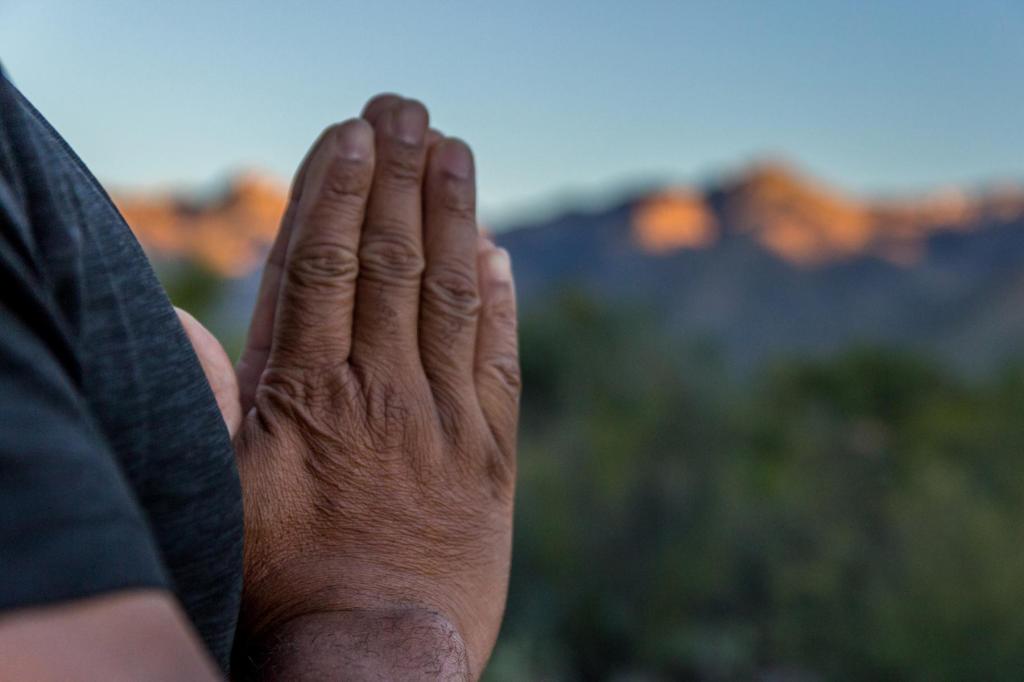
Dictionary.com states that Prayer is a spiritual communion with God or an object of worship, as in supplication, thanksgiving, adoration, or confession.. It typically takes the form of supplication, adoration, confession, thanksgiving, or petition, and is practiced either privately or communally to seek connection, guidance, or assistance.
Dictionary.com states that Meditation is continued or extended thought; reflection; contemplation. It is a mind-body practice that involves focusing or clearing your mind using a combination of mental and physical techniques. It is used to train attention and awareness, detach from distracting thoughts, and achieve a mentally clear, emotionally calm, and stable state.
Research suggests contemplative practices such as prayer and meditation may support emotional regulation, reduced stress, improved well-being, and increased resilience (Goyal et al., 2014; Rosmarin et al., 2023). Scripture consistently points toward prayer, peace, gratitude, and renewal.
Philippians 4:6–7
“…by prayer and supplication with thanksgiving let your requests be made known unto God. And the peace of God, which passeth all understanding, shall keep your hearts and minds through Christ Jesus.”
Isaiah 26:3
“Thou wilt keep him in perfect peace, whose mind is stayed on thee.”
Prayer and meditation can create moments of:
- emotional stillness,
- nervous system calming,
- spiritual grounding,
- reflection,
- gratitude,
- and intentional healing.
Journal & Coloring book
Start by downloading your journal and coloring book and get to know what is inside. Decide if you want to print the pages you want or if you take the full 150+ page version to a local copy shop for printing. Note: You will daily do a gratitude journal entry and asses and log your emotions before and after dancing.
Why Wellness Goals Matter Before You Begin Your Healing, Health, and Wellness Journey
Many people begin a healing, health, or wellness journey because something in their life no longer feels sustainable. They may be experiencing physical discomfort, emotional overwhelm, chronic stress, fatigue, burnout, unhealthy habits, or simply a desire for something more. While motivation can inspire someone to begin, research suggests that having clear wellness goals can help provide direction, focus, and a framework for meaningful and lasting change.
A wellness journey is not simply about where you want to end up—it is also about how you get there. Setting wellness goals before you begin can help transform good intentions into purposeful action.
Wellness Goals Create Direction
Imagine setting out on a road trip without knowing your destination. You might eventually arrive somewhere, but it would be difficult to know whether you were heading in the right direction.
The same principle applies to healing and wellness. Goals help define what success looks like for you. Whether your goal is improving sleep, reducing stress, increasing movement, strengthening your spiritual practices, improving nutrition, or developing healthier coping skills, goals provide a clear target for your efforts.
Research on health behavior change has consistently found that goal setting helps individuals identify specific behaviors they want to change and creates a roadmap for how those changes can occur (Bailey, 2019; Strecher et al., 1995).
Goals Help Turn Intentions Into Action
Many people know what they want to change. The challenge is often taking consistent action.
Researchers refer to this as the “intention-behavior gap.” Simply wanting to improve health does not automatically lead to behavior change. Goals help bridge that gap by providing structure and helping individuals move from thinking about change to actively practicing new behaviors (Bailey, 2019).
For example:
- “I want to reduce stress” becomes “I will practice five minutes of breathwork every morning.”
- “I want to be healthier” becomes “I will walk for 20 minutes three times per week.”
- “I want more peace” becomes “I will spend ten minutes daily in prayer, meditation, or gratitude.”
Specific goals are generally more effective than vague intentions because they provide clear actions that can be measured and repeated over time (Strecher et al., 1995).
Goals Increase Motivation and Confidence
One of the greatest benefits of setting wellness goals is the opportunity to experience progress.
Each small success creates evidence that change is possible.
When people achieve manageable goals, they often develop greater confidence in their ability to continue making positive changes. Researchers have found that goal-directed behavior can strengthen self-efficacy—the belief that one can successfully accomplish a desired outcome—which is an important factor in long-term health behavior change (Bailey, 2019).
Rather than focusing solely on the final destination, wellness goals allow individuals to celebrate progress along the way.
Goals Help You Track Growth
Healing is often gradual.
Without goals, it can be easy to overlook progress because change may occur slowly over time. Goals provide measurable markers that allow you to recognize improvements that might otherwise go unnoticed.
You may discover that:
- your stress levels are lower,
- your energy has improved,
- your sleep has become more restful,
- your emotional awareness has increased,
- your spiritual practices have become more consistent.
Tracking goals can also help identify patterns, obstacles, and areas that may need additional support or attention.
Goals Support Whole-Person Wellness
True wellness extends beyond physical health.
A comprehensive wellness journey often includes:
- physical wellness,
- emotional wellness,
- mental wellness,
- spiritual wellness,
- social wellness,
- personal growth.
Setting goals in multiple areas of life can help create a more balanced and sustainable approach to well-being.
For example, a wellness plan might include goals such as:
- Walking three times per week.
- Practicing gratitude daily.
- Spending time in prayer or meditation.
- Improving sleep habits.
- Journaling emotions regularly.
- Building healthier relationships.
Research on self-regulation and behavior change suggests that intentional goal-setting helps individuals align daily actions with their larger values and desired outcomes (Mann et al., 2013; Bailey, 2019).
Goals Provide Hope During Difficult Seasons
Healing journeys are rarely linear.
There may be setbacks, challenges, periods of frustration, or moments when progress feels slow. During these times, wellness goals can serve as reminders of why you started and what you are working toward.
Goals provide a sense of purpose and direction even when circumstances are difficult. They help shift attention from what is wrong to what is possible.
Instead of focusing solely on current struggles, goals encourage individuals to move toward growth, healing, resilience, and hope.
Unit 2 – Understanding Movement in Mindful Healing.
Now that you have your foundation, it is time to get into the movement.
Preparing for the Practice
The Mindful Healing Practice Begins Here
- Have water available for hydration
- Complete the “Before Dance” emotional check-in from your journal.
- Prepare a comfortable open space for movement
The experience begins with a guided activation practice.
Participants may begin:
- sitting
- standing
- or lying down
before gradually transitioning into mindful movement.
Participants are encouraged to:
- create open space around themselves,
- wear comfortable clothing,
- have water nearby,
- minimize distractions,
- and approach the experience with compassion and curiosity rather than judgment.
The invitation is simple:
Pause.
Breathe.
Notice.
Reconnect.
Find space.
Open your awareness.
Prepare to move with intention.
Mindful Healing Participant Agreement
“I acknowledge I am responsible for my own well-being.
I agree to drink water and support my hydration for the next 24 hours.
I agree to release judgment of myself and others.
I agree to honor my body and move in ways that feel safe and supportive.
I agree to express myself without intentionally harming myself or others.
I agree to honor my spirit by releasing judgment of the past, present, and future.
I agree to help create a safe and respectful environment for all participants.
I agree not to touch other participants unless clear permission and agreement have been established.”
Meditation and Reflection
At the end of a Mindful Healing Practice you will meditate. This can be active meditation or a still meditation. The goal is to connect with your mind, body, and spirit to asses your emotions. Complete the “After Dance” emotional check-in from your journal.
Meditation Music
Practice
Unit 3 – Understanding Gratitude and How it Supports Healing
When people think about improving their health and well-being, they often focus on nutrition, exercise, sleep, supplements, or stress management. While these areas are important, one powerful wellness practice is often overlooked: gratitude.
Gratitude is more than simply saying “thank you.” It is the intentional practice of recognizing and appreciating the positive aspects of life, even during challenging circumstances. Research over the past two decades has found that gratitude is associated with improvements in emotional well-being, resilience, relationships, stress management, and even certain aspects of physical health (Emmons & McCullough, 2003; Jans-Beken et al., 2020).
While gratitude is not a cure for illness, trauma, grief, or hardship, it can be a valuable tool that supports healing, health, and overall wellness.
Gratitude Helps Shift Our Focus
Human brains are naturally wired to notice potential threats and problems. This tendency, often called the “negativity bias,” helped our ancestors survive by paying attention to danger. However, in modern life, constantly focusing on what is wrong can contribute to stress, anxiety, and emotional overwhelm.
Practicing gratitude helps intentionally redirect attention toward sources of support, strength, beauty, growth, and hope. This does not mean ignoring difficulties or pretending everything is perfect. Instead, gratitude encourages a more balanced perspective by acknowledging both challenges and blessings (Wood et al., 2010).
Scripture reminds us that gratitude is possible even during difficult seasons:
“In every thing give thanks: for this is the will of God in Christ Jesus concerning you.”
— 1 Thessalonians 5:18
For example, even during a difficult season, gratitude may help someone recognize:
- supportive relationships,
- personal strengths,
- lessons learned,
- moments of peace,
- progress made,
- opportunities for growth.
Over time, this shift in focus may contribute to greater emotional well-being and life satisfaction (Jans-Beken et al., 2020).
Gratitude Supports Emotional Wellness
Research consistently links gratitude with higher levels of positive emotions and lower levels of depressive symptoms.
A large prospective study found that gratitude was associated with greater subjective well-being and lower levels of psychological distress over time (Jans-Beken et al., 2020).
Gratitude may help individuals experience:
- increased optimism,
- greater life satisfaction,
- improved emotional resilience,
- enhanced feelings of hope,
- reduced stress and negative emotional states.
When practiced regularly, gratitude can become a valuable emotional wellness tool that helps individuals navigate life’s inevitable challenges.
Gratitude May Help Build Resilience
Resilience is the ability to adapt and recover from adversity.
Life often includes unexpected setbacks, health challenges, losses, disappointments, and periods of uncertainty. Gratitude does not remove these experiences, but it may help strengthen the ability to cope with them.
Researchers have found that gratitude is positively associated with resilience and psychological adaptation during difficult life circumstances (Wood et al., 2010).
By helping individuals recognize existing resources, support systems, and personal strengths, gratitude may create a stronger foundation for navigating stress and adversity.
Gratitude Can Support Stress Reduction
Chronic stress affects both physical and emotional health. Long-term stress has been associated with sleep disturbances, mood challenges, fatigue, immune dysfunction, and increased risk for various health concerns.
Gratitude practices may help interrupt cycles of stress by shifting attention away from ongoing worries and toward positive experiences and supportive resources.
Research suggests that grateful individuals often report lower levels of perceived stress and greater psychological well-being (Wood et al., 2010).
Although gratitude alone cannot eliminate stress, it may help create moments of calm, perspective, and emotional regulation that support overall wellness.
The connection between gratitude, prayer, and peace is beautifully expressed in Scripture:
“Be careful for nothing; but in every thing by prayer and supplication with thanksgiving let your requests be made known unto God. And the peace of God, which passeth all understanding, shall keep your hearts and minds through Christ Jesus.”
— Philippians 4:6-7
Gratitude May Improve Sleep Quality
Quality sleep is one of the foundations of health and healing.
Interestingly, gratitude has also been linked to better sleep outcomes. Research has found that individuals who regularly practice gratitude tend to experience improved sleep quality and reduced time spent focusing on negative thoughts before bedtime (Wood et al., 2009).
A simple gratitude practice before sleep—such as writing down three things you are grateful for—may help create a more positive mental focus as the day comes to a close.
Gratitude Strengthens Relationships
Supportive relationships are an important component of overall wellness.
Expressing gratitude can strengthen connections with family members, friends, coworkers, and community members. People who regularly express appreciation often report greater relationship satisfaction and stronger social bonds (Algoe, 2012).
Strong social support networks have long been associated with improved health outcomes, emotional well-being, and resilience during difficult times.
In this way, gratitude benefits not only the individual practicing it but also the people around them.
Gratitude Supports a Healing Mindset
Healing often requires patience.
Whether someone is working toward improved physical health, emotional recovery, stress management, personal growth, or spiritual wellness, progress is rarely linear.
Gratitude can help shift attention away from what has not yet changed and toward what is improving. It encourages individuals to recognize small victories, celebrate progress, and remain connected to hope.
Instead of focusing solely on what is missing, gratitude creates space to appreciate what is already present.
This mindset can help support motivation, perseverance, and emotional well-being throughout a healing journey.
Time to Start Your Gratitude Journal
As you begin this gratitude practice, allow yourself to slow down, reflect, and celebrate the blessings that are already present in your life. There is no right or wrong way to do this. Simply write from your heart.
Before you begin, consider the invitation found in Psalm 100:4:
“Enter into his gates with thanksgiving, and into his courts with praise: be thankful unto him, and bless his name.”
This verse emphasizes gratitude as an intentional practice rather than simply an emotional response. It reminds us that gratitude is something we can choose to cultivate daily, regardless of our circumstances. Gratitude journaling is one way to develop that habit by intentionally noticing and recording the blessings, growth, support, and moments of grace present in our lives.
By making gratitude a regular practice, we begin training our minds to recognize what is going well, what we are learning, and how we are being supported. Over time, this practice can help foster greater hope, resilience, emotional well-being, and appreciation for the journey.
Option 1: I Am Grateful For Today & Why
This simple practice helps build the habit of noticing daily blessings. Try to find 2-3 things you can answer the following questions for.
Today I am grateful for?
Why am I grateful for this?
Option 2: Gratitude Through the Mind, Body & Spirit
Reflect on one thing you are grateful for in each area of your life.
Mind
What thought, lesson, skill, opportunity, or experience are you grateful for today?
Body
What aspect of your body, health, movement, or physical well-being are you grateful for today?
Spirit
What blessing, relationship, prayer, moment of peace, act of kindness, or spiritual experience are you grateful for today?
Option 3: Gratitude Reflection Letter
Write a short letter of gratitude to God, yourself, another person, or even to life itself.
Consider:
- What blessing has impacted you recently?
- Who has supported you?
- What challenge helped you grow?
- What healing are you beginning to see?
- What hope are you carrying forward?
Dear ____________________________,
Today I am grateful for…
With gratitude,
Remember: Gratitude is not about having a perfect life. It is about recognizing the gifts, grace, growth, and possibilities that exist within your journey. Every moment of gratitude plants seeds of hope, healing, and abundance.
Option 4 – Keep It Simple
Simply write down 5 to 10 things you are grateful for today. Try not to duplicate what you are grateful for within the same week, so you are looking deeper at the things you are grateful for.
Enjoy Journaling!
Unit 4 – Understanding How Different Movements Support the Mind, Body & Spirit
Stomping & Grounding Movements
Releasing Stress, Fear & Emotional Tension
May Support:
- anger release
- fear discharge
- empowerment
- grounding
- nervous system regulation
Strong foot-to-floor contact activates proprioceptive awareness and grounding sensations. Somatic movement practices frequently use stomping to reconnect people to bodily awareness and stability during emotional activation (Saumaa, 2022). Research in embodied emotion regulation also suggests expansive, forceful movement patterns may influence emotional states and increase feelings of agency (Shafir, 2016).
Movement Practice:
- Stomp feet rhythmically
- Bend knees slightly
- Exhale forcefully on impact
Lyrics Connection:
“Stomp out the Stress, Stomp out the pain”
Scripture Reflection:
1 Peter 5:7
“Casting all your care upon him; for he careth for you.”
Grounding movements may help participants feel emotionally supported, physically present, and connected to the moment.
Shaking & Shake-Out Movements
Releasing Anxiety & Nervous Energy
May Support:
- stress release
- anxiety reduction
- discharge of nervous energy
- emotional decompression
Shaking movements are commonly used in somatic practices and trauma-informed movement modalities to reduce muscular tension and release excess autonomic activation. Somatic dance approaches often include “shake-outs” to help participants move through emotional stagnation and restore flow (Saumaa, 2022).
Movement Practice:
- Shake wrists, shoulders, hips, and legs
- Let the jaw loosen
- Use relaxed bouncing
Lyrics Connection:
“Shake off the Stress, Shake off the pain”
Scripture Reflection:
Matthew 11:28
“Come unto me, all ye that labour and are heavy laden, and I will give you rest.”
As tension releases physically, many people also experience emotional decompression and increased calm.
Twisting & Spinal Rotation
Letting Go & Creating Emotional Flexibility
May Support:
- letting go
- emotional flexibility
- releasing tension
- reconnecting mind-body awareness
Rotational movement through the spine and torso is frequently incorporated into somatic dance because fluid spinal motion is associated with emotional expression and body awareness (Saumaa, 2022). Dance/movement therapy literature also links expressive torso movement with emotional processing and integration (Rust-D’Eye, 2013).
Movement Practice:
- Gentle torso twists side-to-side
- Spiral arm movements
- Allow hips and shoulders to rotate naturally
Lyrics Connection:
“Twist out the Stories, Twist out the past”
Scripture Reflection:
Romans 12:2
“Be ye transformed by the renewing of your mind.”
Movement may help symbolize emotional transition, release, and flexibility as we move forward with renewed awareness.
Swaying Movements
Safety, Peace & Emotional Comfort
May Support:
- self-soothing
- safety
- emotional comfort
- nervous system calming
Rhythmic swaying patterns resemble early attachment-regulating motions such as rocking and are often used in somatic and dance therapy settings to encourage parasympathetic regulation and emotional attunement (Koch et al., 2018; Saumaa, 2022).
Movement Practice:
- Shift weight side-to-side slowly
- Coordinate movement with breath
- Allow arms to flow loosely
Lyrics Connection:
“Sway in the Love, Sway in the light”
Scripture Reflection:
Psalm 46:10
“Be still, and know that I am God.”
Swaying movements may help calm the nervous system while creating feelings of emotional support and inner peace.
Reaching Upward & Expansive Movements
Hope, Joy & Emotional Openness
May Support:
- hope
- empowerment
- openness
- joy
- emotional expansion
Research on embodiment suggests expansive postures and upward-reaching gestures may positively influence mood and emotional experience (Shafir, 2016). Somatic dance also uses upward extension to symbolize growth, possibility, and emotional opening (Saumaa, 2022).
Movement Practice:
- Reach arms overhead during inhalation
- Open chest broadly
- Lift gaze upward
Lyrics Connection:
“Reach for the Light, Reach for the love”
Scripture Reflection:
Isaiah 40:31
“But they that wait upon the Lord shall renew their strength…”
Expansive movement may help encourage feelings of hope, resilience, openness, and renewed emotional energy.
Flowing Circular Arm Movements
Compassion, Softness & Emotional Flow
May Support:
- grief processing
- compassion
- emotional flow
- softness
Fluid circular motions are frequently used in expressive dance forms to cultivate emotional continuity and reduce rigidity. Research on dance emotion recognition shows rounded, flowing movement qualities are often associated with softer emotional states and positive affect (Van Dyck et al., 2014).
Movement Practice:
- Circular sweeping arms
- Soft wrist spirals
- Continuous flowing motion
Lyrics Connection:
“Flow in the Healing, Flow in the grace”
Scripture Reflection:
Psalm 147:3
“He healeth the broken in heart, and bindeth up their wounds.”
These softer flowing movements may encourage gentleness, emotional compassion, and reflective healing.
Freeform Improvisational Dance
Emotional Expression & Authentic Healing
May Support:
- emotional expression
- trauma processing
- authenticity
- catharsis
Studies in dance movement therapy indicate non-choreographed movement may support emotional integration, self-expression, and cathartic release (Power to Move Through, 2024). Participants in somatic dance often report emotional breakthroughs and improved emotional awareness through unrestricted movement exploration.
Movement Practice:
- Move intuitively without judgment
- Follow breath and sensation
- Allow emotion to guide tempo and shape
Lyrics Connection:
“Move what you feel, let the body speak”
Scripture Reflection:
Jeremiah 30:17
“For I will restore health unto thee, and I will heal thee of thy wounds, saith the Lord.”
Freeform movement may create space for authenticity, emotional release, and healing without needing perfect words.

Voice + Movement Combination
Releasing Emotion Through Sound & Breath
May Support:
- emotional release
- nervous system discharge
- expression of suppressed emotion
Dance/movement therapy literature notes combining vocalization with movement may deepen emotional processing and embodiment (Rust-D’Eye, 2013).
Movement Practice:
- Exhale audibly while moving
- Hum during swaying
- Use sighs or chanting during stomping
Scripture Reflection:
Psalm 100:4
Voice, breath, movement, prayer, and gratitude may work together to support emotional expression and spiritual connection.
“Enter into his gates with thanksgiving, and into his courts with praise.”
Unit 5 – Putting It All Together To Support Healing
Healing is often layered. It may involve physical movement, emotional processing, spiritual reflection, prayer, gratitude, breathwork, rest, and compassionate self-awareness.
Movement is not about perfection.
It is about connection.
Connection to:
- the body,
- the breath,
- emotions,
- healing,
- faith,
- gratitude,
- and the present moment.
As we move, pray, breathe, reflect, and release, we create opportunities to support wellness in mind, body, and spirit.
⚠DISCLAIMER⚠
Consult healthcare professionals before starting any new fitness regimen.
All media content created by Beyond Possibilities and the AromaVibe is intended for educational purposes only. *These statements have not been evaluated by the Food and Drug Administration. This is not intended to diagnose, treat, cure, or prevent any disease. The information provided in this blog is for educational and informational purposes only and is not intended to diagnose, treat, cure, or prevent any medical or mental health condition. The content shared reflects current peer-reviewed research on natural and supportive approaches to mental wellness and is not a substitute for professional medical advice, diagnosis, or treatment. Always seek the guidance of a qualified healthcare provider, licensed mental health professional, or physician with any questions regarding your health, mental well-being, or medical conditions. If you are experiencing severe, persistent, or worsening symptoms, or are in crisis, please seek immediate professional support or emergency care.
References
Acolin, J. (2016). The mind–body connection in dance/movement therapy: Theory and empirical support. American Journal of Dance Therapy, 38(2), 311–333. https://doi.org/10.1007/s10465-016-9222-4
Algoe, S. B. (2012). Find, remind, and bind: The functions of gratitude in everyday relationships. Social and Personality Psychology Compass, 6(6), 455–469. https://doi.org/10.1111/j.1751-9004.2012.00439.x
Bailey, R. R. (2019). Goal setting and action planning for health behavior change. American Journal of Lifestyle Medicine, 13(6), 615–618. https://doi.org/10.1177/1559827617729634
Dieterich-Hartwell, R. M. (2019). Music, movement, and emotions: An inquiry with suggestions for the practice of dance/movement therapy. Body, Movement and Dance in Psychotherapy, 14(4), 249–263. https://doi.org/10.1080/17432979.2019.1676310
Emmons, R. A., & McCullough, M. E. (2003). Counting blessings versus burdens: An experimental investigation of gratitude and subjective well-being in daily life. Journal of Personality and Social Psychology, 84(2), 377–389. https://doi.org/10.1037/0022-3514.84.2.377
Goyal, M., Singh, S., Sibinga, E. M. S., Gould, N. F., Rowland-Seymour, A., Sharma, R., Berger, Z., Sleicher, D., Maron, D. D., Shihab, H. M., Ranasinghe, P. D., Linn, S., Saha, S., Bass, E. B., Haythornthwaite, J. A., & Ranasinghe, P. (2014). Meditation programs for psychological stress and well-being: A systematic review and meta-analysis. JAMA Internal Medicine, 174(3), 357–368. https://doi.org/10.1001/jamainternmed.2013.13018
Jans-Beken, L., Lataster, J., Peels, D., Lechner, L., & Jacobs, N. (2020). Gratitude, psychopathology and subjective well-being: Results from a 7.5-month prospective general population study. Journal of Happiness Studies, 21(5), 1673–1689. https://doi.org/10.1007/s10902-019-00131-7
Koch, S. C., Riege, R. F. F., Tisborn, K., Biondo, J., Martin, L., & Beelmann, A. (2018). The experience of attunement and misattunement in dance movement therapy workshops. The Arts in Psychotherapy, 60, 55–62. https://doi.org/10.1016/j.aip.2018.06.001
Mann, T., De Ridder, D., & Fujita, K. (2013). Self-regulation of health behavior: Social psychological approaches to goal setting and goal striving. Health Psychology, 32(5), 487–498. https://experts.umn.edu/en/publications/self-regulation-of-health-behavior-social-psychological-approache
Rosmarin, D. H., Bigda-Peyton, J., Kertz, S. J., Smith, N., Rauch, S. A. M., & Björgvinsson, T. (2023). Religious and spiritual psychotherapy: A meta-analysis. Journal of Religion and Health, 62(5), 3381–3402.
Rust-D’Eye, A. D. (2013). The sounds of the self: Voice and emotion in dance/movement therapy. Body, Movement and Dance in Psychotherapy, 8(2), 95–107. https://doi.org/10.1080/17432979.2013.771702
Saumaa, H. (2022). Dance emotions. Global Advances in Health and Medicine, 28(3). https://doi.org/10.1089/ict.2022.29022.hsa
Shafir, T. (2016). Using movement to regulate emotion: Neurophysiological findings and their application in psychotherapy. Frontiers in Psychology, 7, Article 1451. https://doi.org/10.3389/fpsyg.2016.01451
Shafir, T., Taylor, S. F., & Atkinson, A. P. (2013). Emotion regulation through execution, observation, and imagery of emotional movements. Brain and Cognition, 82(2), 219–227. https://doi.org/10.1016/j.bandc.2013.03.001
Strecher, V. J., Seijts, G. H., Kok, G. J., Latham, G. P., Glasgow, R., DeVellis, B., Meertens, R. M., & Bulger, D. W. (1995). Goal setting as a strategy for health behavior change. Health Education Quarterly, 22(2), 190–200. https://pubmed.ncbi.nlm.nih.gov/7622387/
Van Dyck, E., Vansteenkiste, P., Lenoir, M., Lesaffre, M., & Leman, M. (2014). Recognizing induced emotions of happiness and sadness from dance movement. PLOS ONE, 9(2), e89773. https://doi.org/10.1371/journal.pone.0089773
Wood, A. M., Joseph, S., Lloyd, J., & Atkins, S. (2009). Gratitude influences sleep through the mechanism of pre-sleep cognitions. Journal of Psychosomatic Research, 66(1), 43–48. https://doi.org/10.1016/j.jpsychores.2008.09.002
Wood, A. M., Froh, J. J., & Geraghty, A. W. A. (2010). Gratitude and well-being: A review and theoretical integration. Clinical Psychology Review, 30(7), 890–905. https://doi.org/10.1016/j.cpr.2010.03.005
 Beyond Possibilities